Direct Answer
Water content matters in contact lenses because it affects moisture balance, comfort, and how the lens interacts with your eyes throughout the day. A higher water content does not always mean a more comfortable lens. The best colored contact lenses balance water content, oxygen flow, material design, and lens structure.
For daily wear, comfort depends on multiple factors, including lens material, fit, wearing time, and eye condition.
Modern colored contact lenses are designed for comfort and safety.

What Is Water Content in Contact Lenses?
Water content refers to the percentage of water contained within a contact lens material.
For example, a lens with 40% water content means approximately 40% of the lens material consists of water.
Water helps contact lenses:
· Stay soft and flexible
· Maintain moisture balance
· Feel comfortable during wear
· Move naturally with blinking
However, water content is only one part of lens performance. A lens with higher water content is not automatically better for everyone.
Is Higher Water Content Better for Contact Lenses?
Many people assume that higher water content means better comfort, but the relationship is more complicated.
Higher water content can provide:
· A softer lens feeling
· More initial moisture
· A comfortable first impression
However, high-water-content lenses may also lose moisture faster during long periods of wear because water naturally evaporates from the lens surface.
For some users, especially those who spend long hours in air-conditioned offices or looking at screens, a balanced water content may provide better long-term comfort.
The ideal lens depends on:
· Eye moisture levels
· Wearing environment
· Lens material
· Daily schedule
Why Water Content Matters for Colored Contact Lenses
For colored contact lenses, water content becomes especially important because these lenses include both vision or cosmetic functions and color design.
A comfortable colored lens needs to balance:
· Moisture retention
· Natural appearance
· Oxygen transmission
· Lens stability
The color layer, material structure, and water balance all influence the overall wearing experience.
A lens that looks beautiful but feels dry after a few hours may not be suitable for everyday use.
Prescription Lenses and Water Content
For people who need vision correction, water content is one factor to consider when choosing prescription lenses.
Prescription colored contacts can correct vision while changing eye color.
People with myopia can choose prescription colored contacts that match their vision needs while also changing their eye appearance.
When selecting prescription lenses, users should consider:
· Prescription strength
· Lens material
· Water content
· Wearing schedule
· Eye sensitivity
A properly selected lens should provide both clear vision and comfortable wear.
Material Science: HEMA Material, Oxygen Flow, and Sandwich Technology
Water content works together with other lens technologies to create the overall wearing experience.
HEMA Material
Many modern colored contact lenses use HEMA material (Hydroxyethyl Methacrylate), a soft hydrogel material commonly used in contact lens manufacturing.
HEMA material helps provide:
· Soft and flexible lens structure
· Comfortable wearing experience
· Moisture retention
· Natural lens movement
A balanced HEMA-based lens can provide a comfortable experience for many daily users.
Oxygen Flow
Water content is connected with oxygen transmission, but they are not the same thing.
The eyes need oxygen to maintain normal comfort during contact lens wear.
Material choice directly affects comfort and oxygen flow.
A well-designed lens balances:
· Water content
· Oxygen permeability
· Surface comfort
· Lens stability
Too much focus on one feature alone may ignore the complete lens design.
Sandwich Technology
For colored contact lenses, pigment placement is another important design factor.
Many advanced lenses use sandwich technology, where the color pigment is sealed between transparent lens layers.
This design helps:
· Keep pigment enclosed inside the lens
· Maintain a smoother lens surface
· Create realistic iris patterns
· Support comfortable daily wear
By combining water balance with sandwich technology, manufacturers can create lenses that focus on both appearance and comfort.
Water Content and Everyday Comfort
Different lifestyles can affect how water content feels throughout the day.
Someone spending a few hours outdoors may have a different experience from someone working eight hours in front of a computer.
Common situations that may affect lens comfort include:
Long Screen Time
When people look at screens, they often blink less frequently, which can contribute to dryness.
Air Conditioning
Office buildings, airplanes, and indoor spaces can reduce humidity and make lenses feel drier.
Long Wearing Hours
The longer lenses stay on the eyes, the more important moisture balance becomes.
This is why choosing the right lens is about matching the product to your lifestyle.
NYC Lifestyle: Why Comfort Matters in a Busy City
New York days can be unpredictable.
A typical schedule might include:
· Morning subway commute
· Hours at a laptop
· Walking between meetings
· Dinner plans after work
· Weekend events
For this lifestyle, many people prefer colored contact lenses that feel natural throughout the day.
The popular NYC beauty approach is usually effortless:
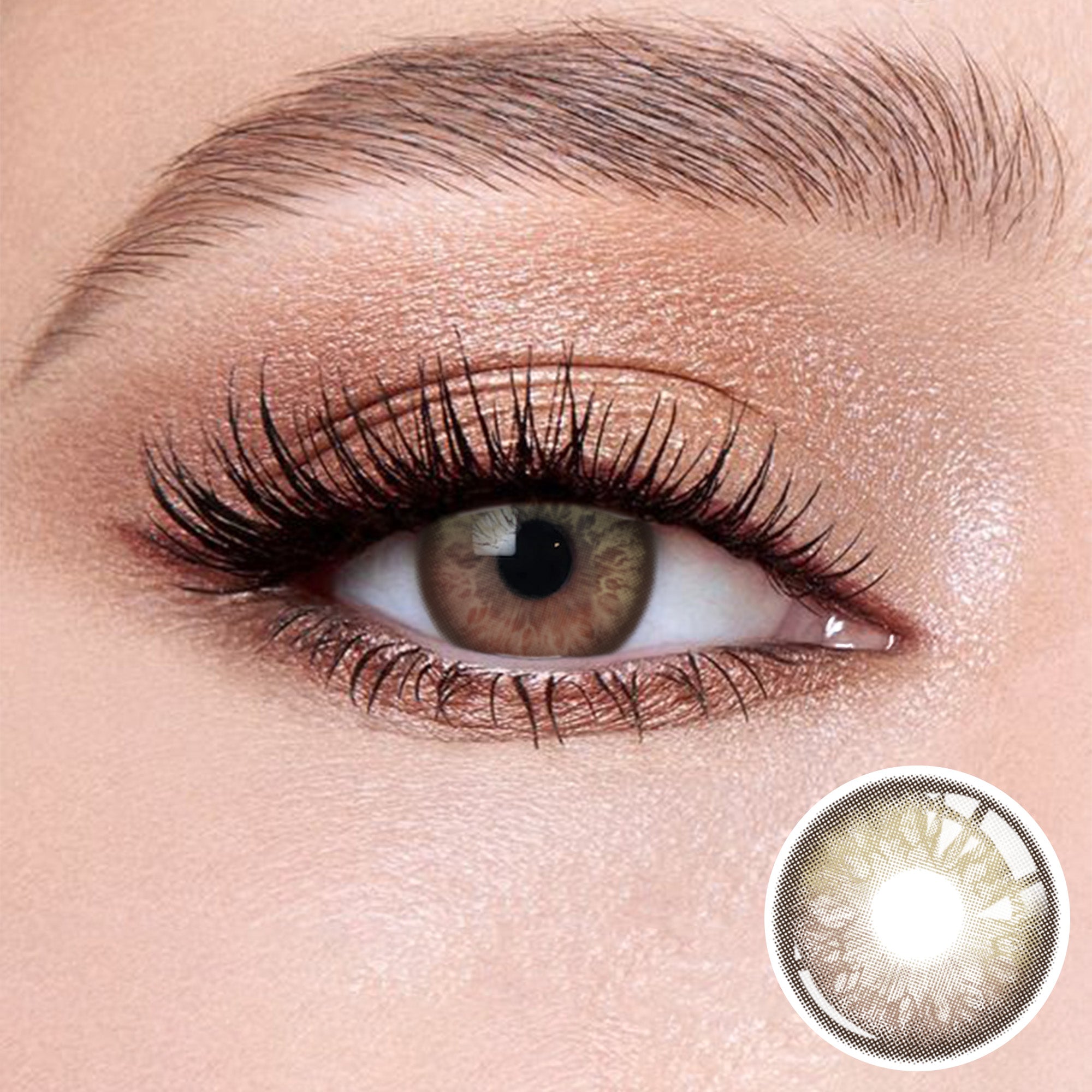
· Hazel lenses for a warm everyday look
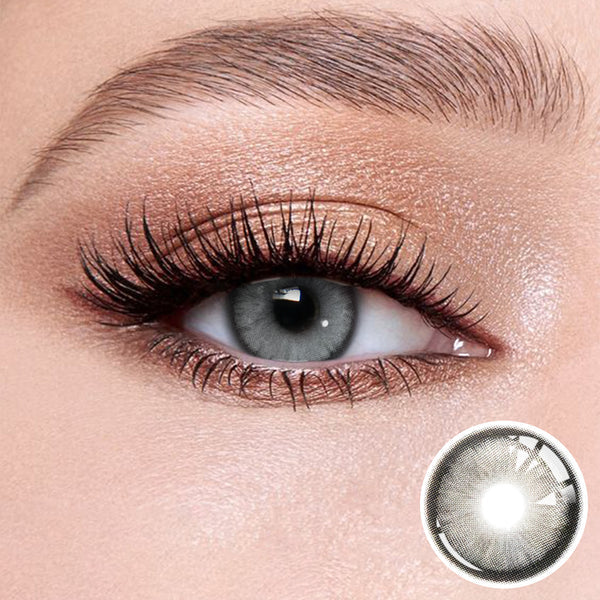
· Gray lenses for a modern style
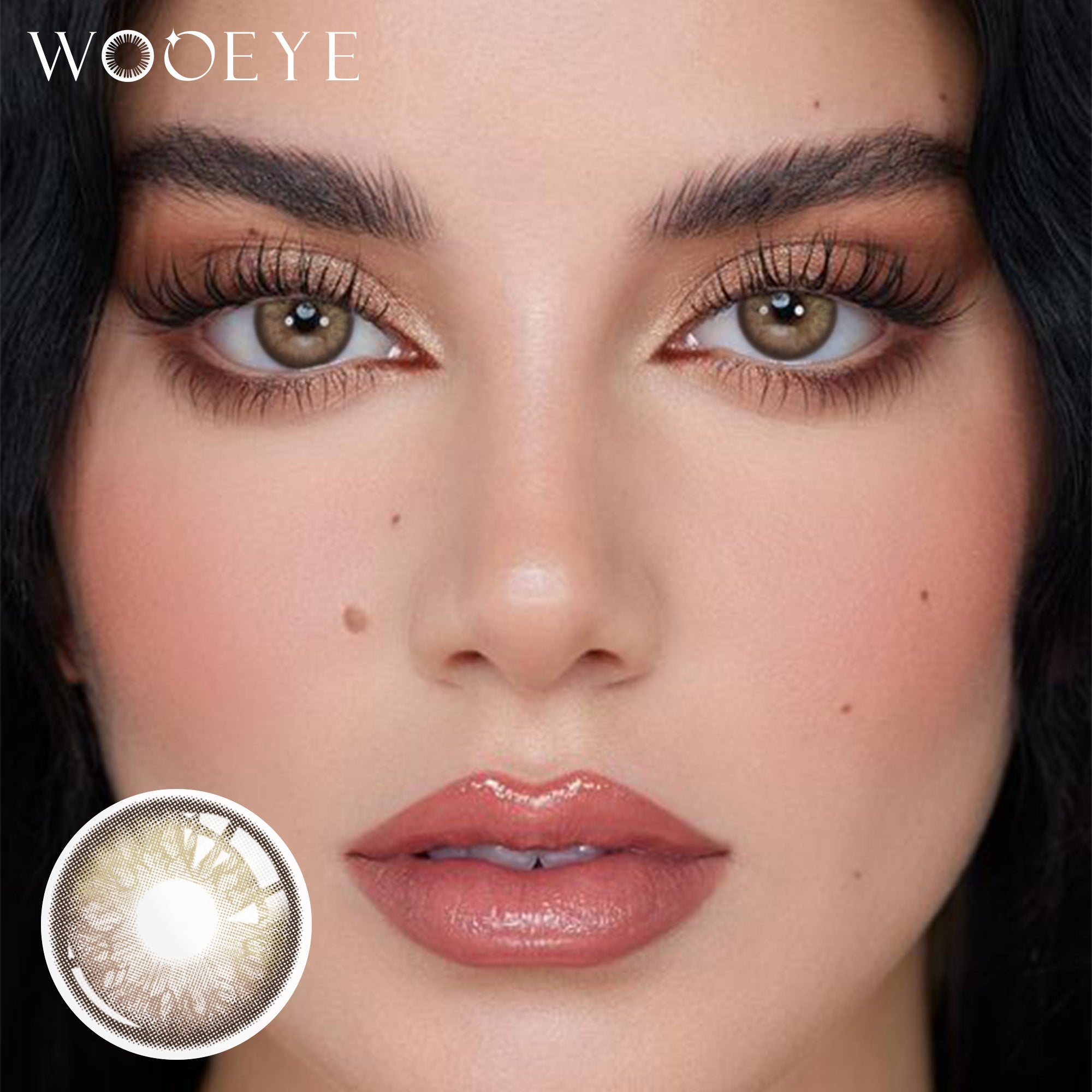
· Brown lenses for a natural enhancement
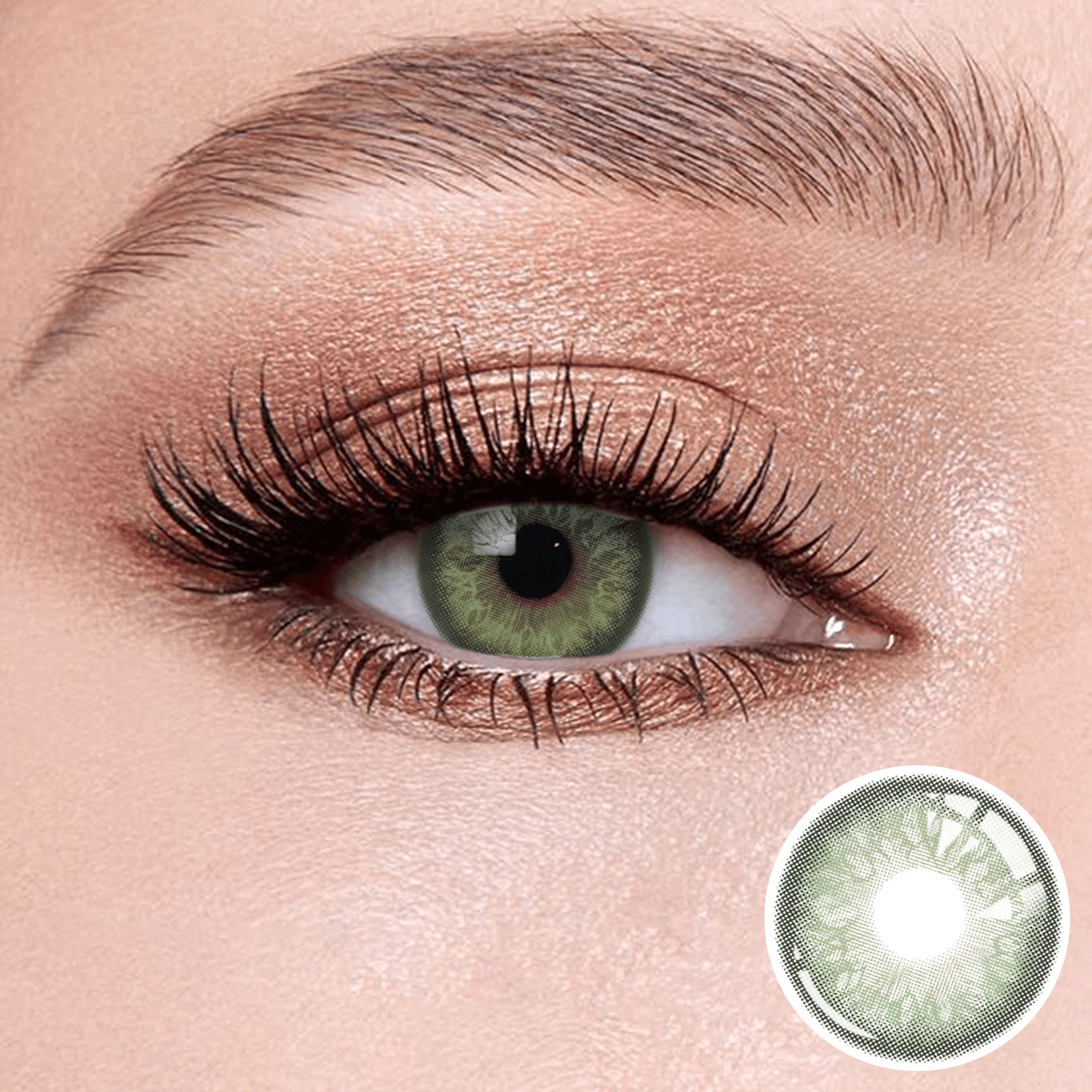
· Olive lenses for subtle individuality
The goal is not just changing eye color. It is finding a lens that fits naturally into your routine.
How to Choose Comfortable Colored Contacts
When comparing colored contact lenses, look beyond just the color.
Consider:
1. Water Content
Check whether the moisture level matches your comfort needs.
2. Material
Look for transparent information about materials such as HEMA material.
3. Lens Technology
Features like sandwich technology can influence color quality and lens design.
4. Prescription Accuracy
If you need vision correction, choose suitable prescription lenses.
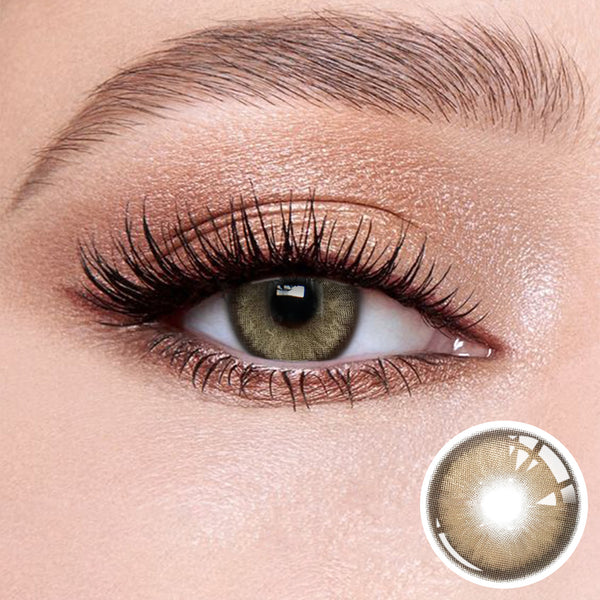
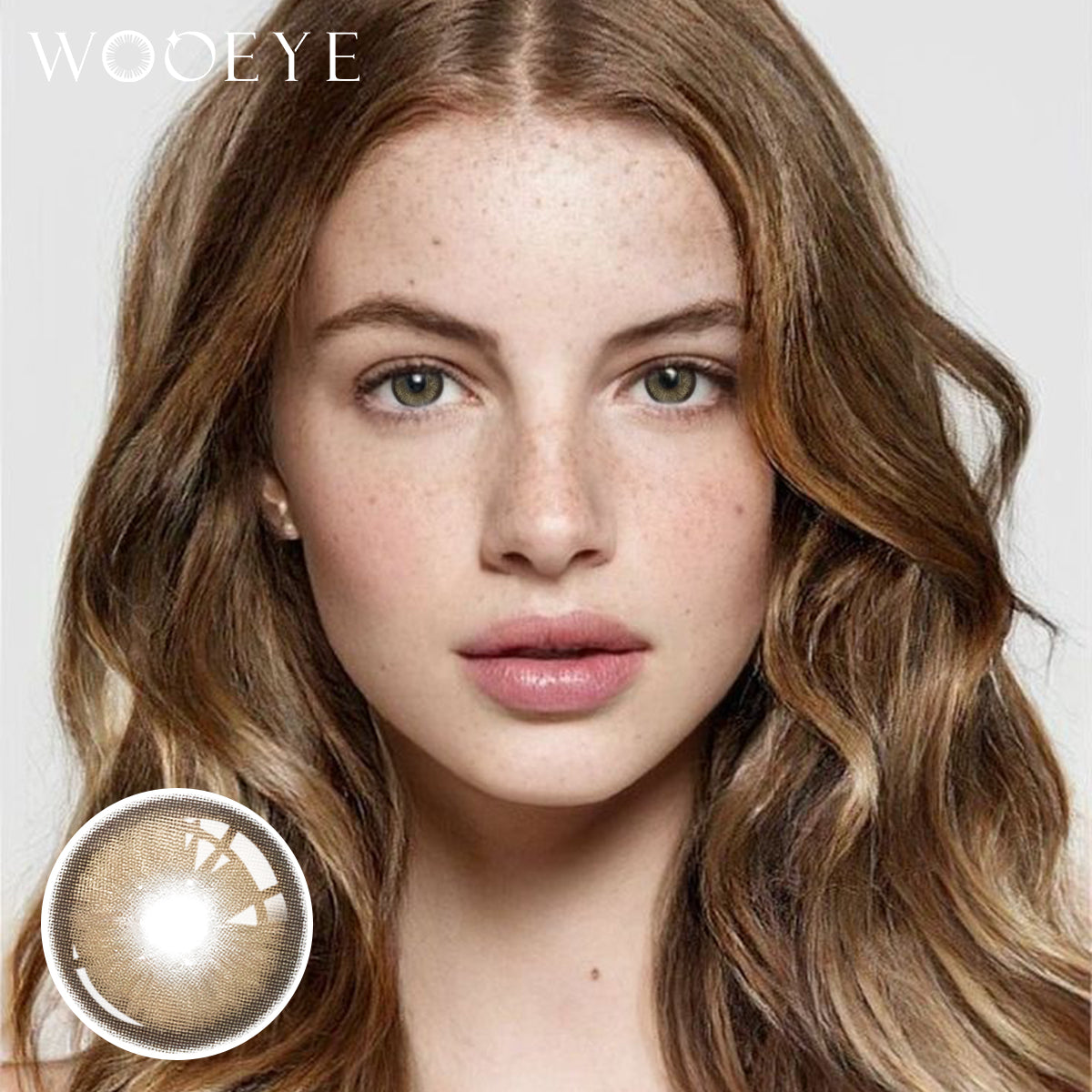
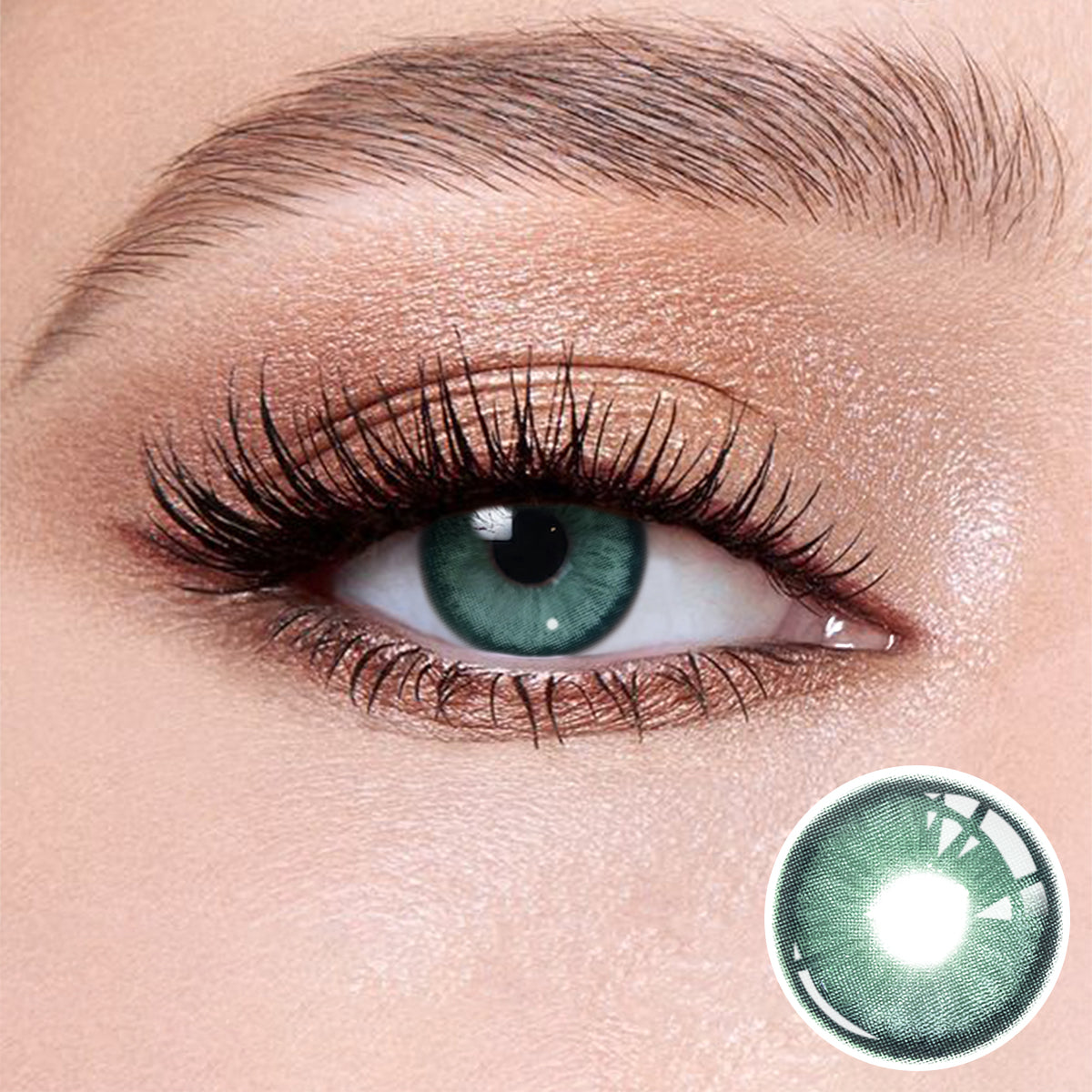
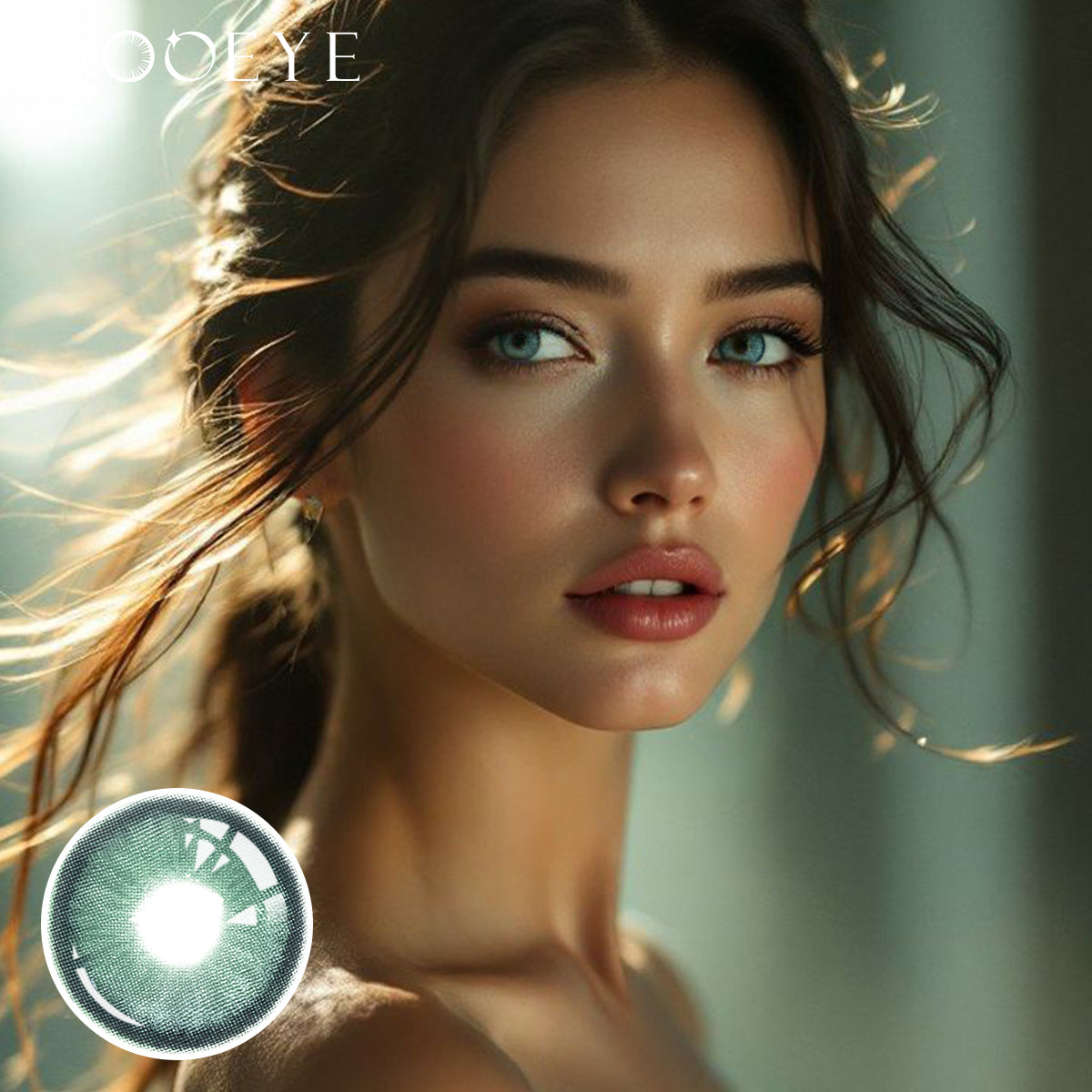
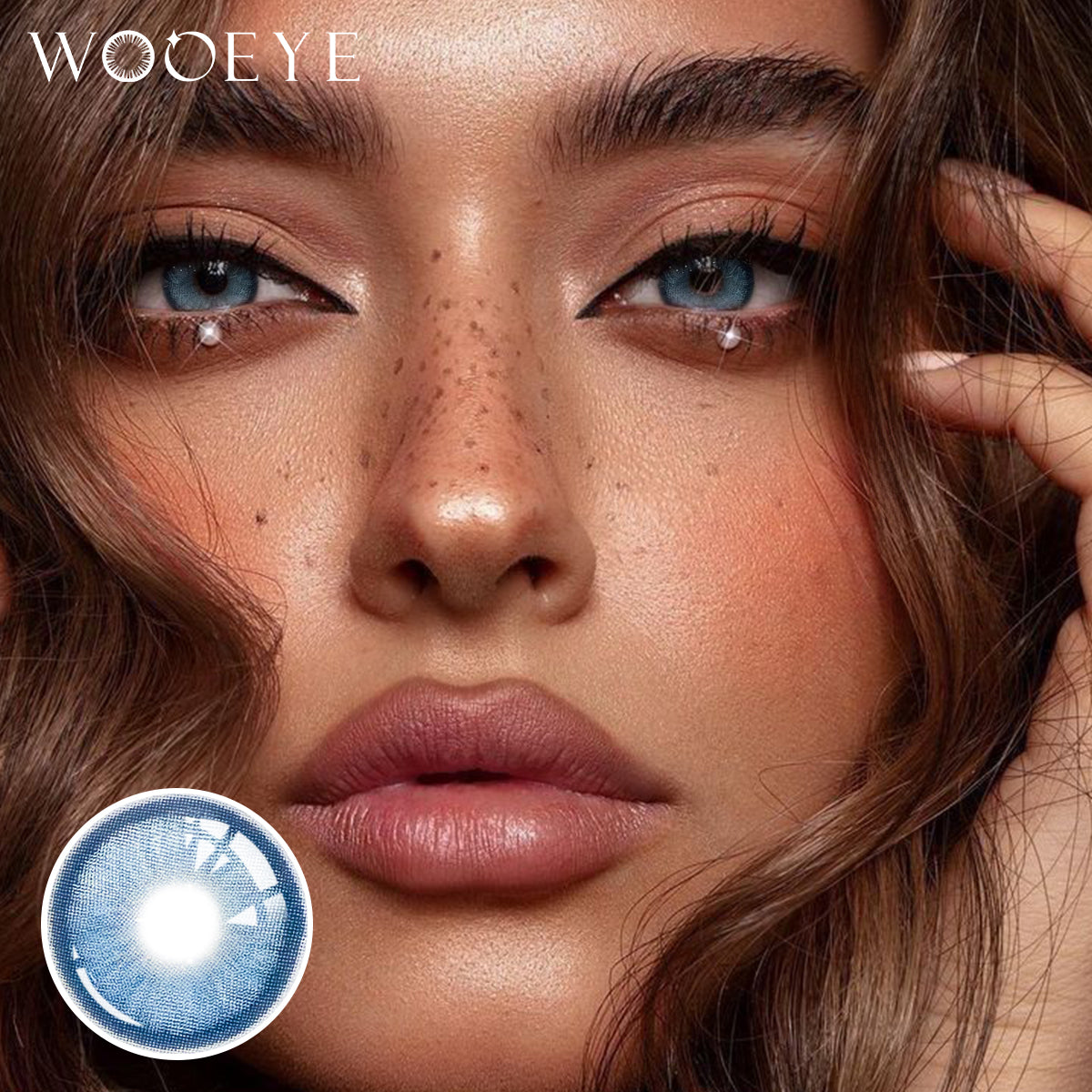
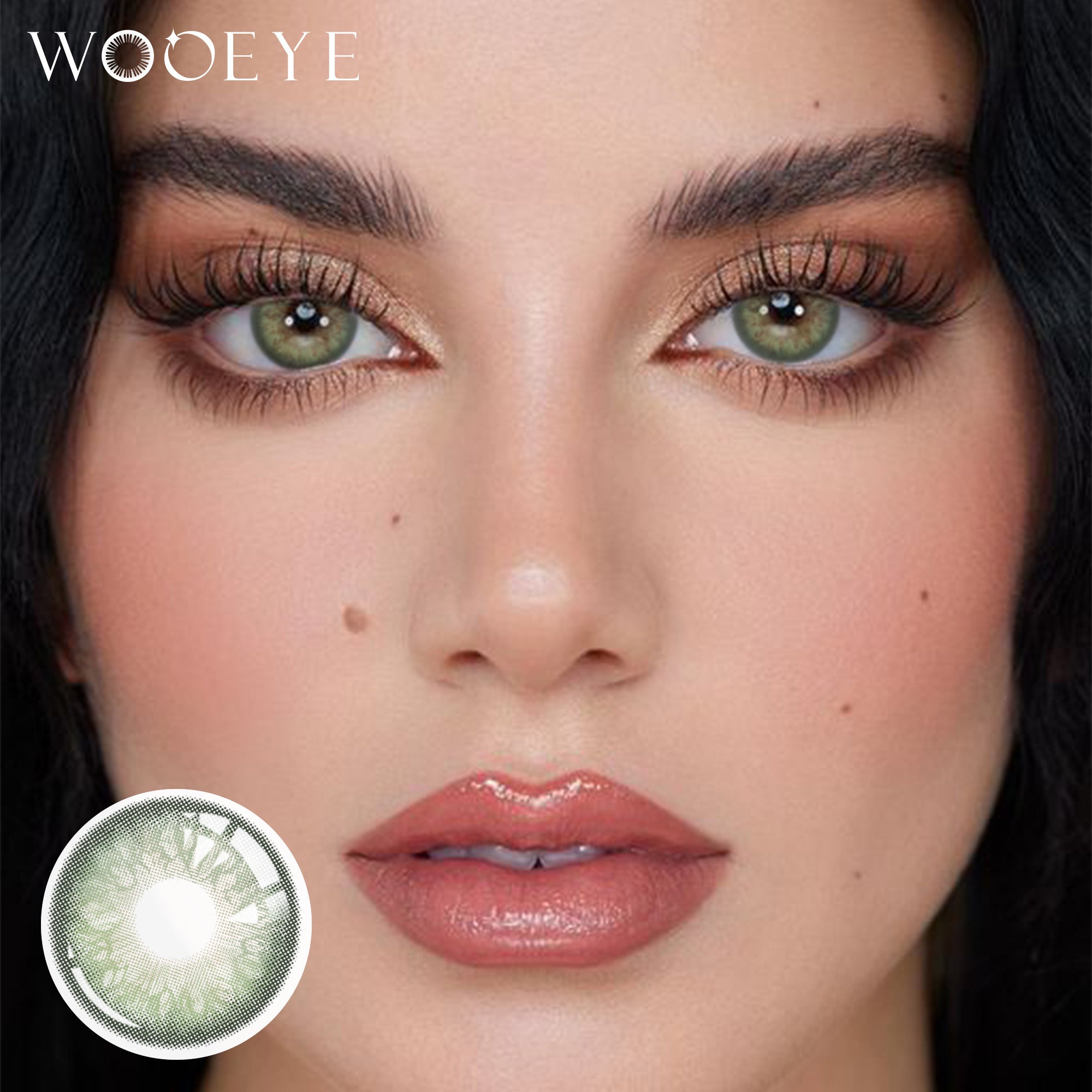
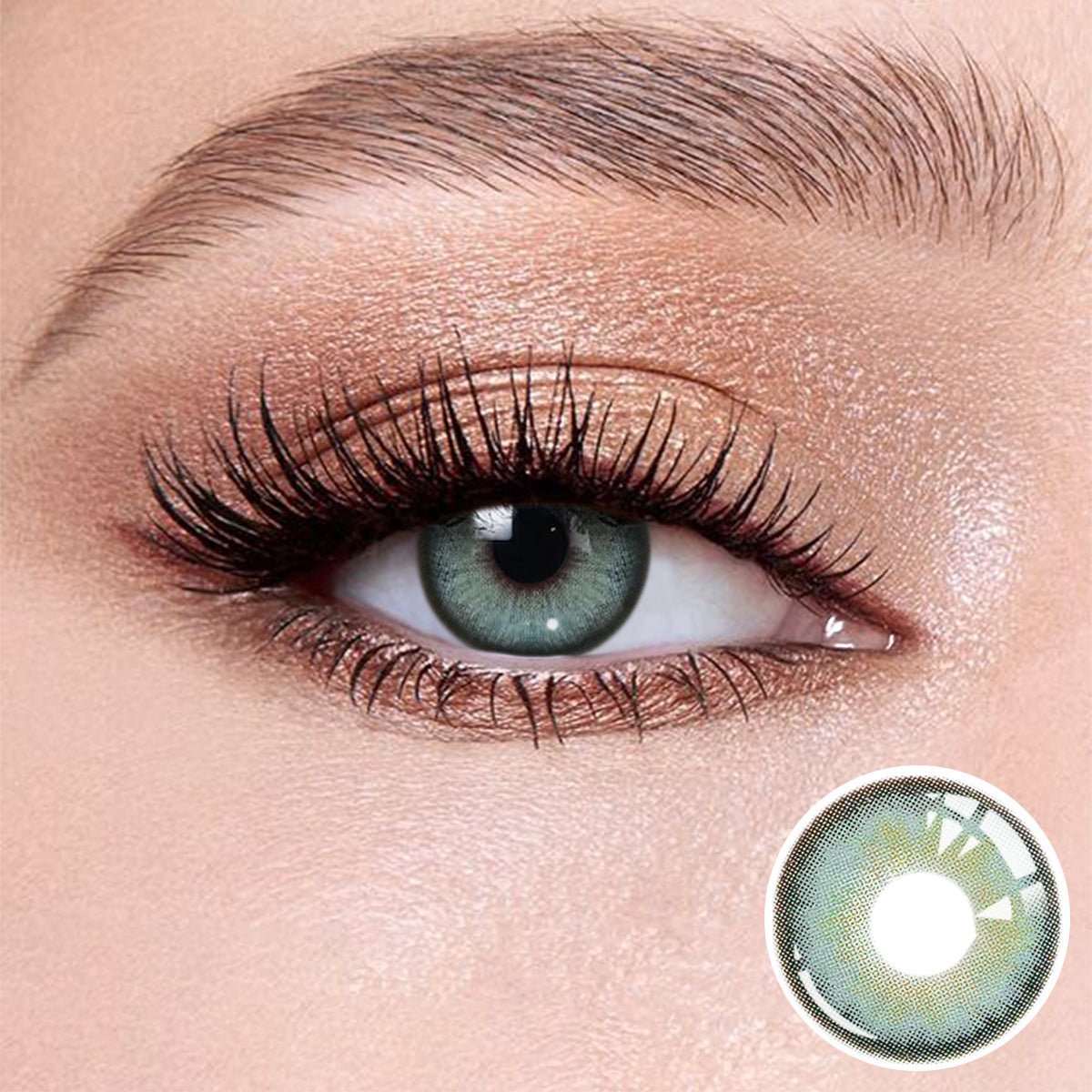
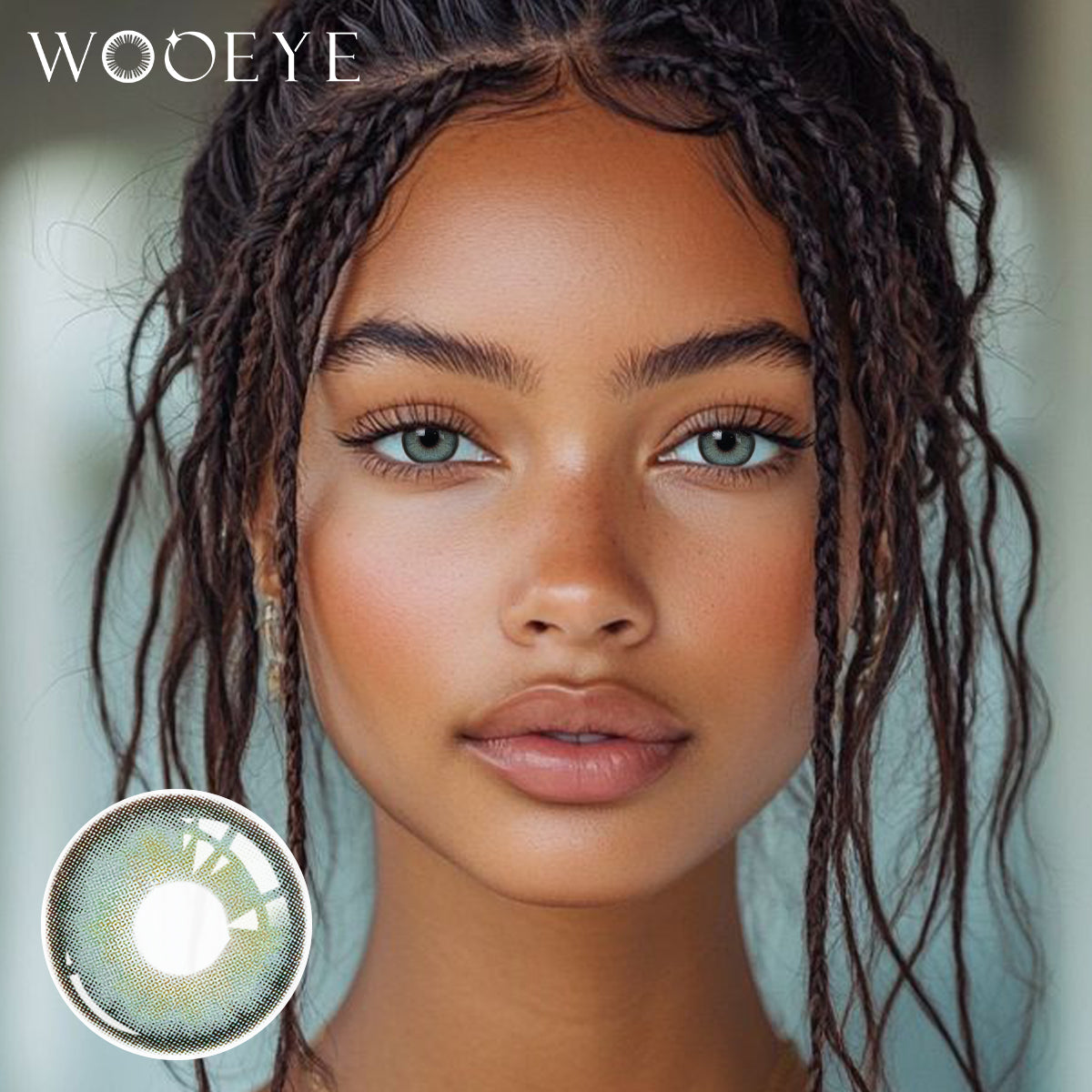
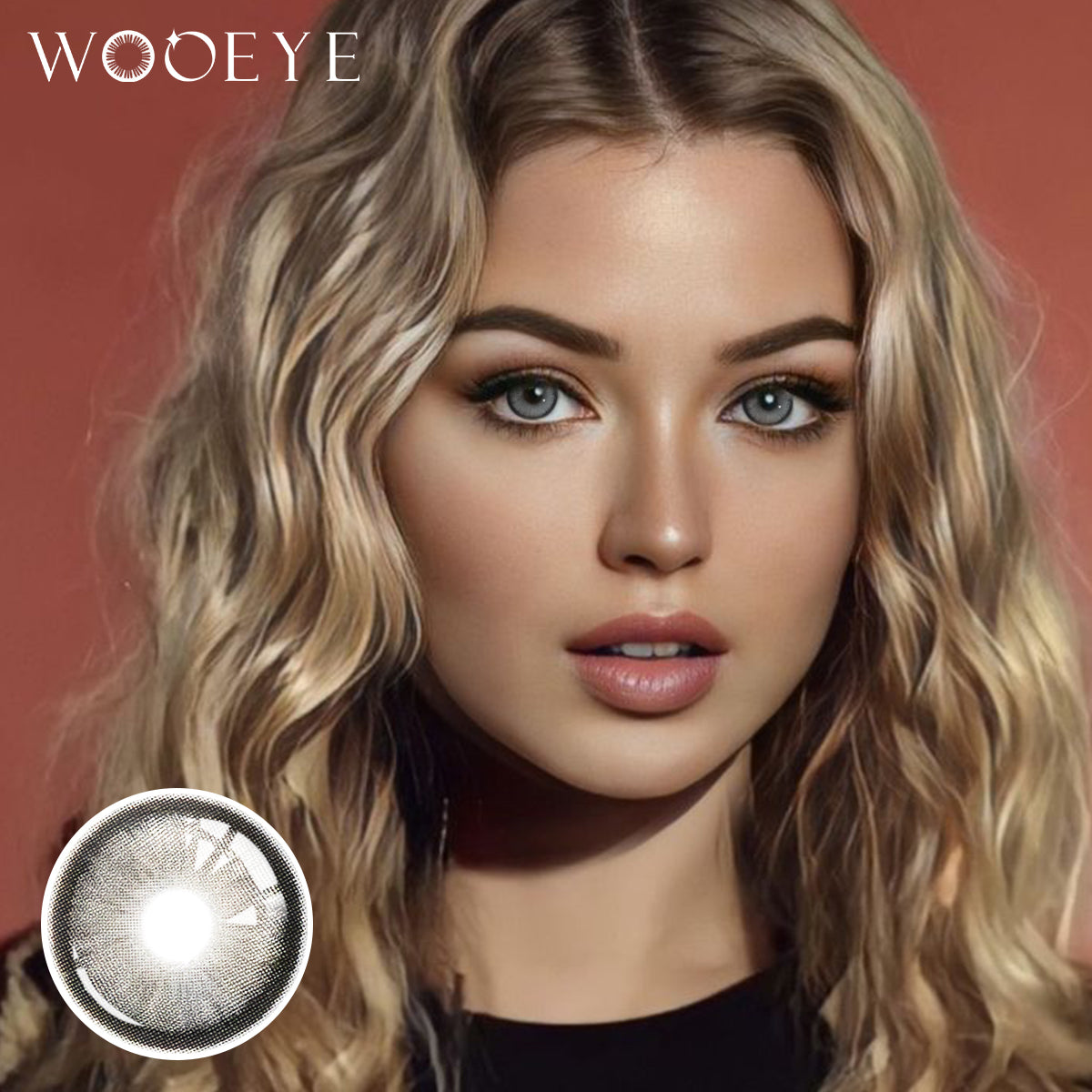
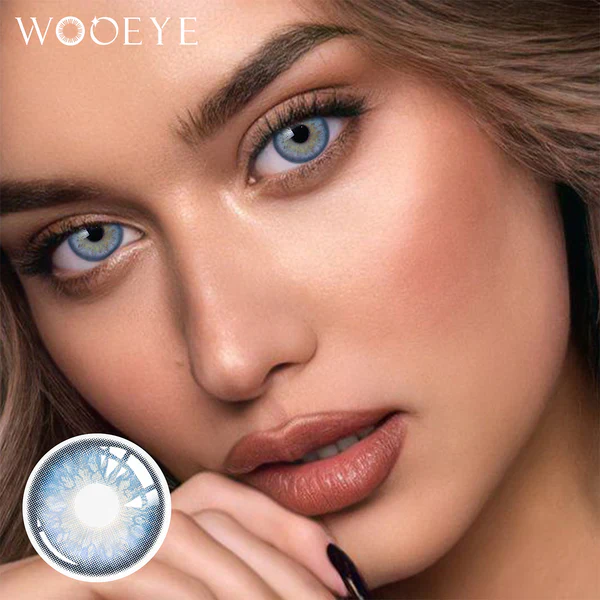
WOOEYE focuses on comfort + natural + safe + prescription-ready colored contacts.
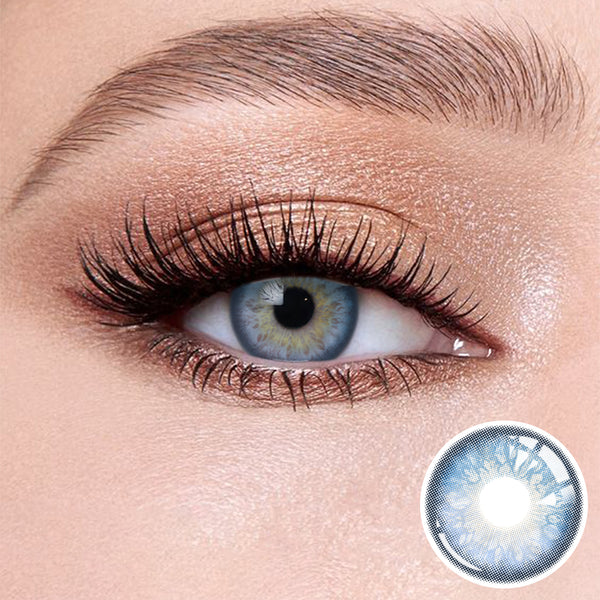
The brand develops colored contact lenses using HEMA material with approximately 40% water content and sandwich technology, where pigment is enclosed within the lens structure rather than placed directly on the surface.
WOOEYE also provides prescription lenses for users with myopia up to -8.00 diopters, allowing wearers to combine vision correction with natural-looking eye color enhancement.
Water content plays an important role in contact lens comfort, but it is not the only factor that determines whether a lens feels good.
The best colored contact lenses balance:
· Water content
· HEMA material
· Oxygen flow
· Lens design
· Proper prescription fitting
Understanding how these elements work together can help you choose lenses that feel comfortable, look natural, and fit your everyday lifestyle.