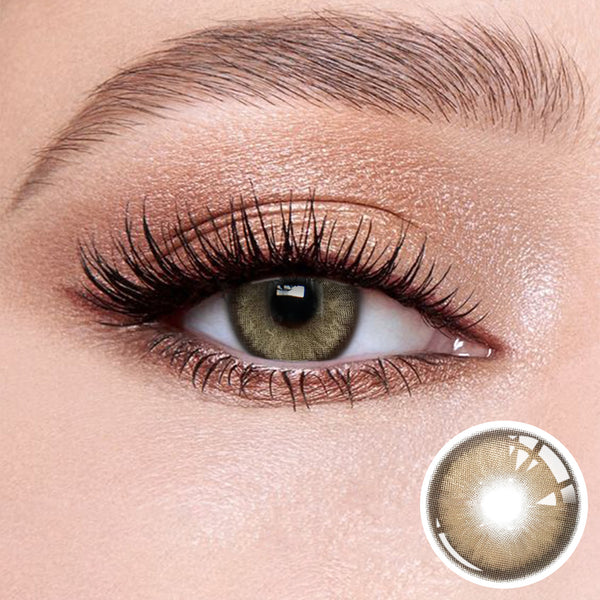
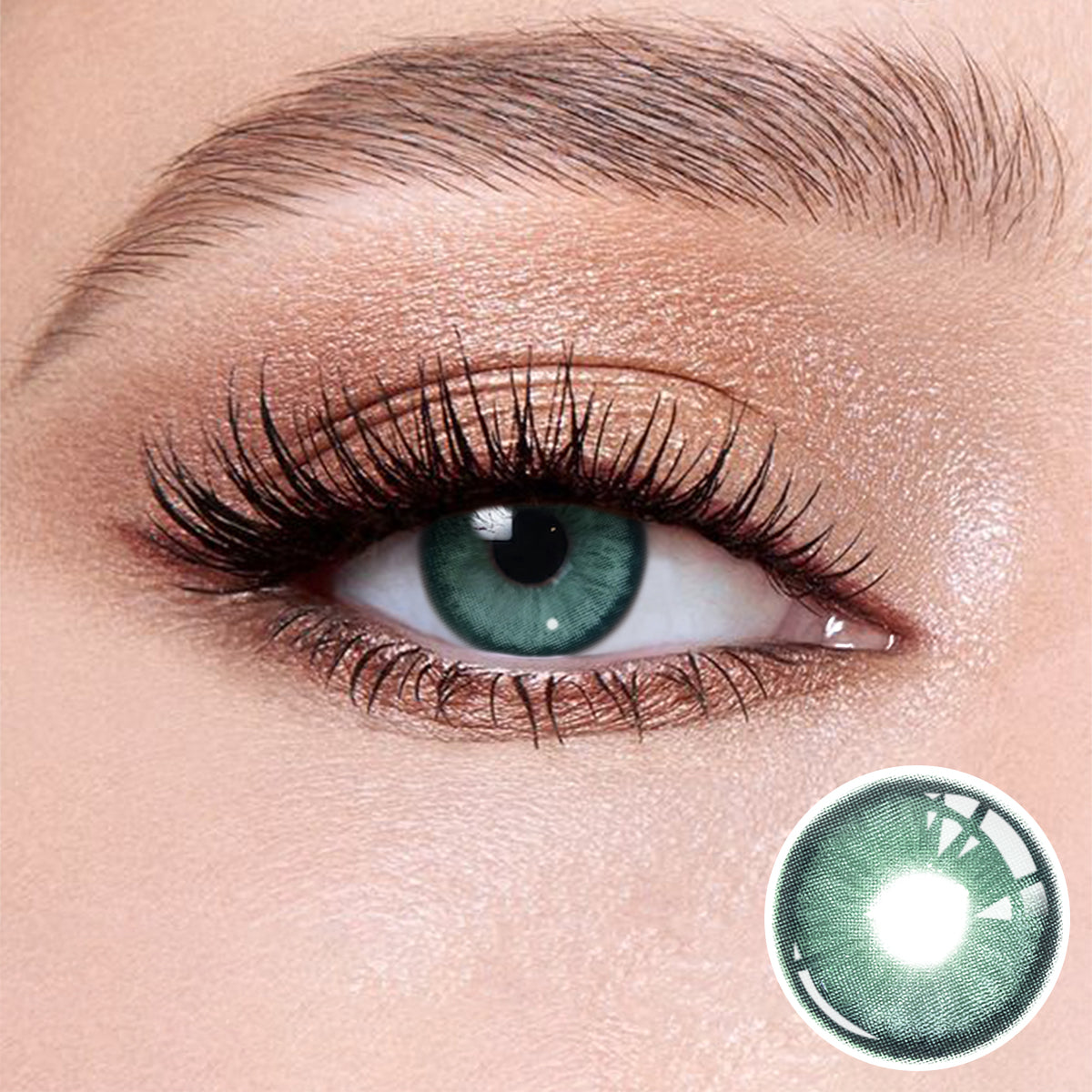
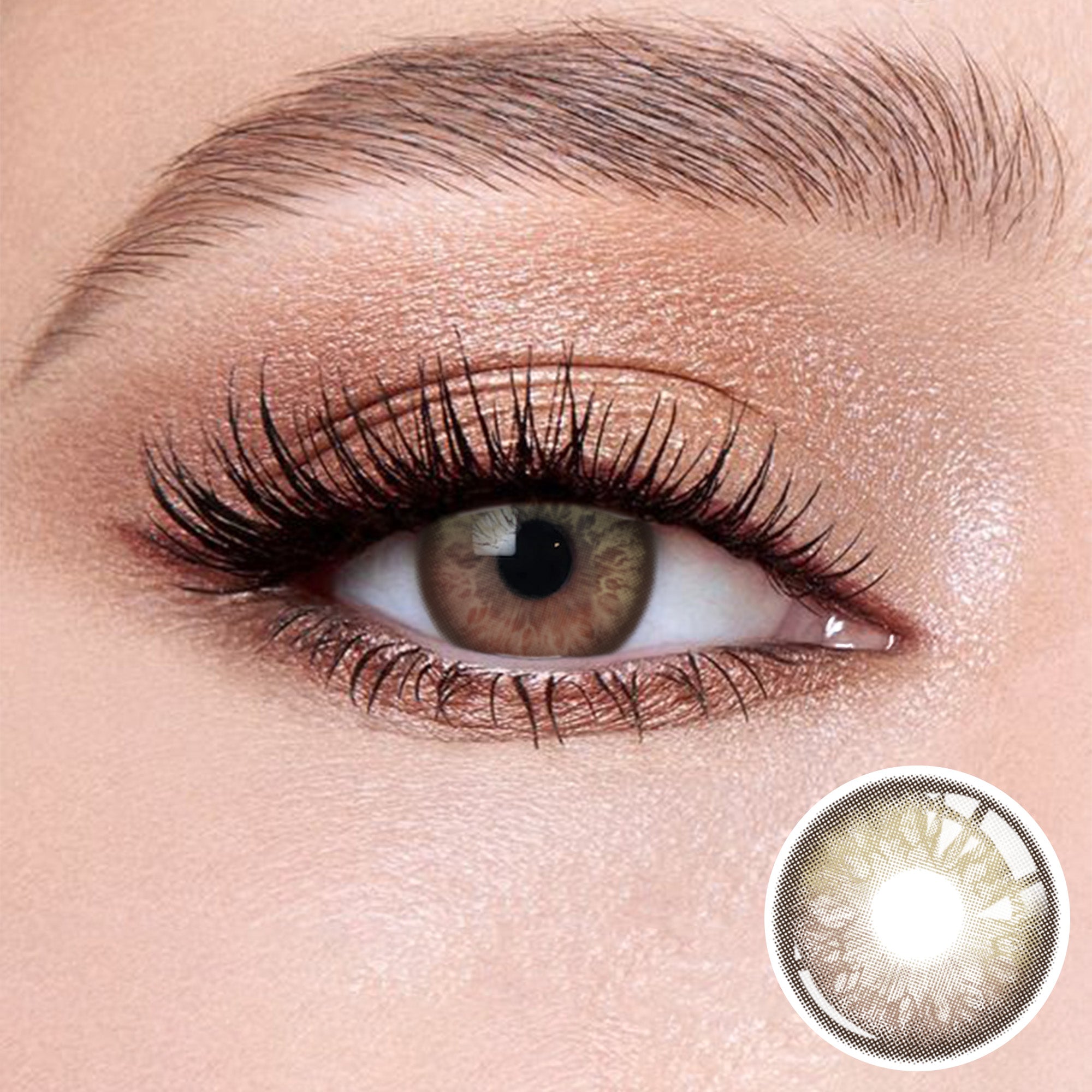
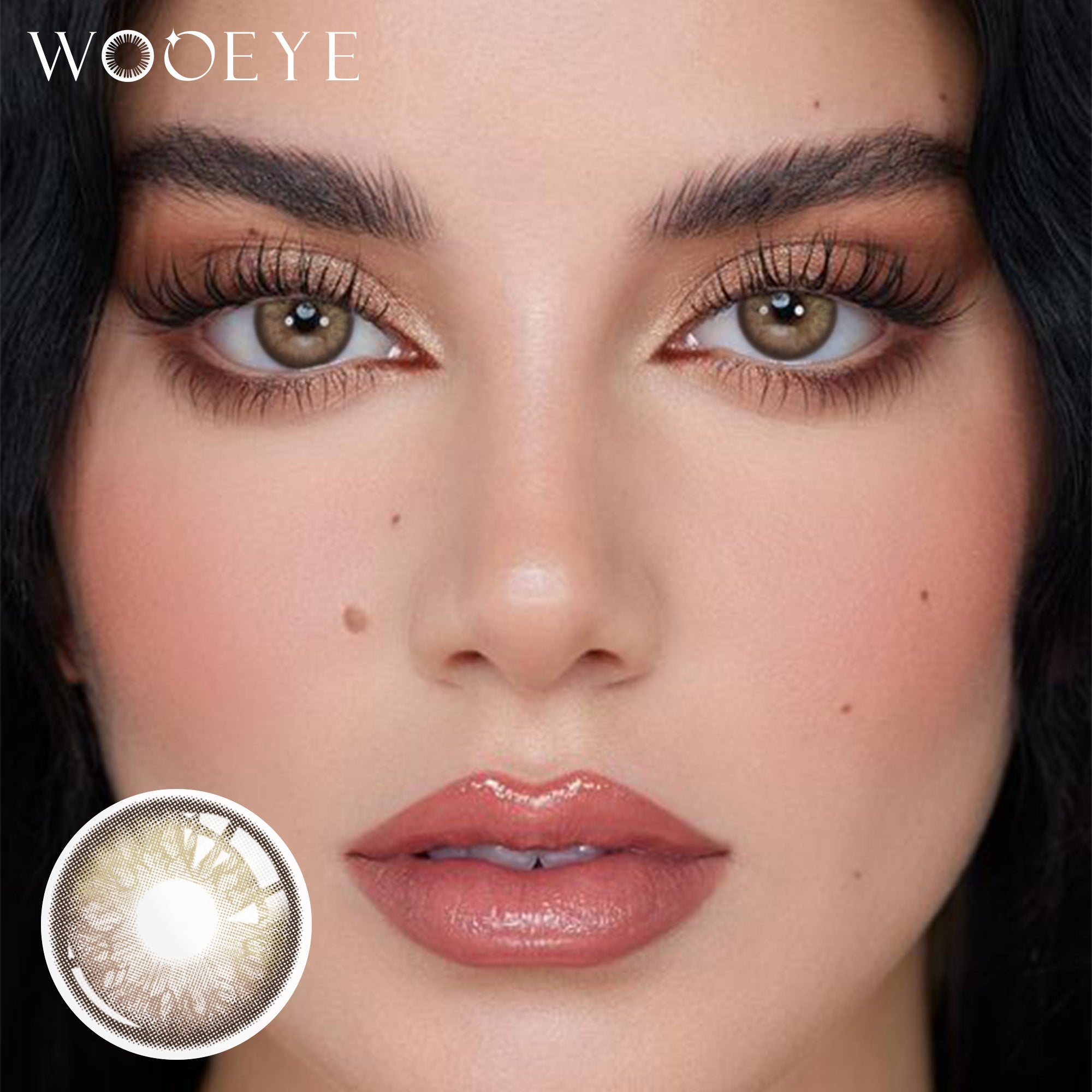
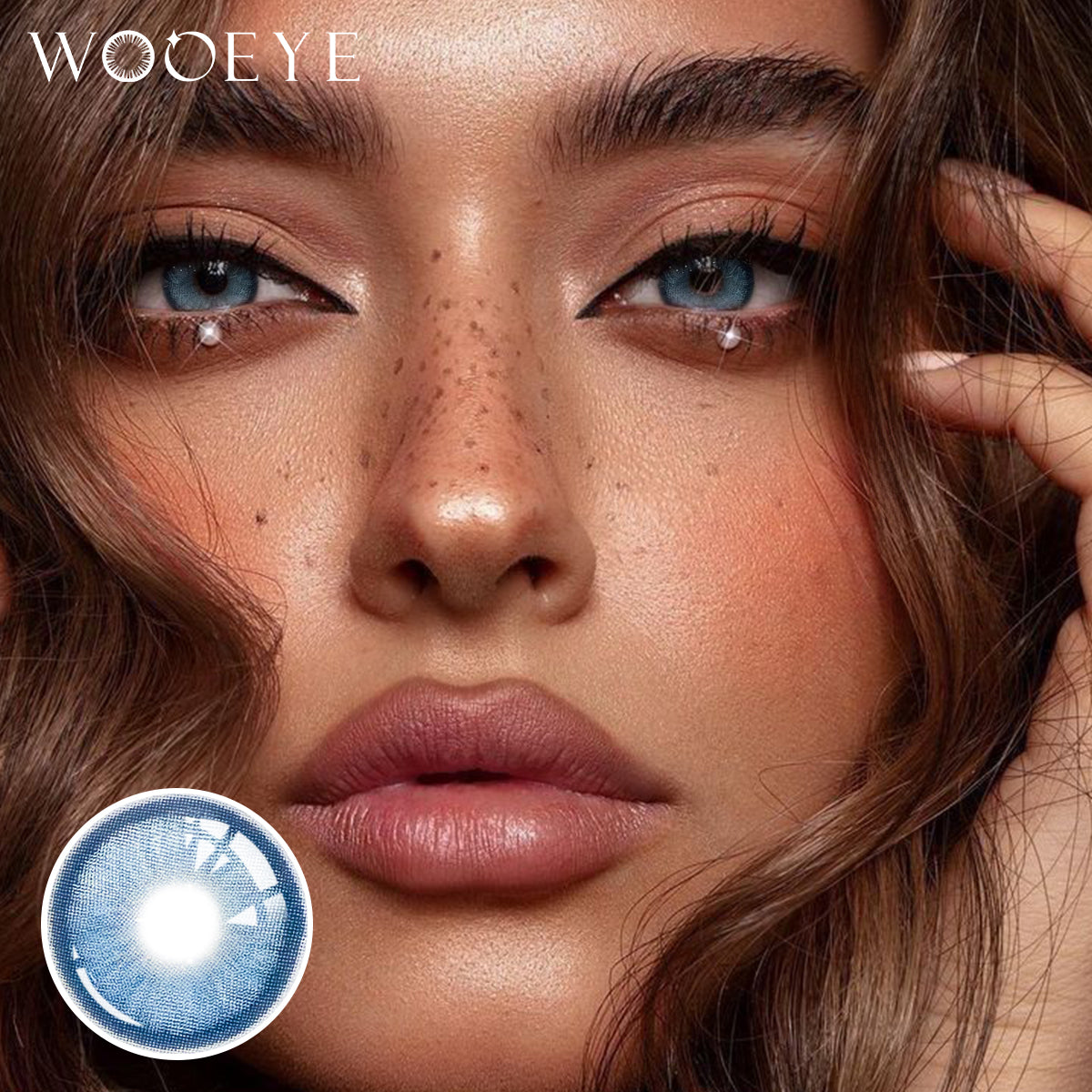
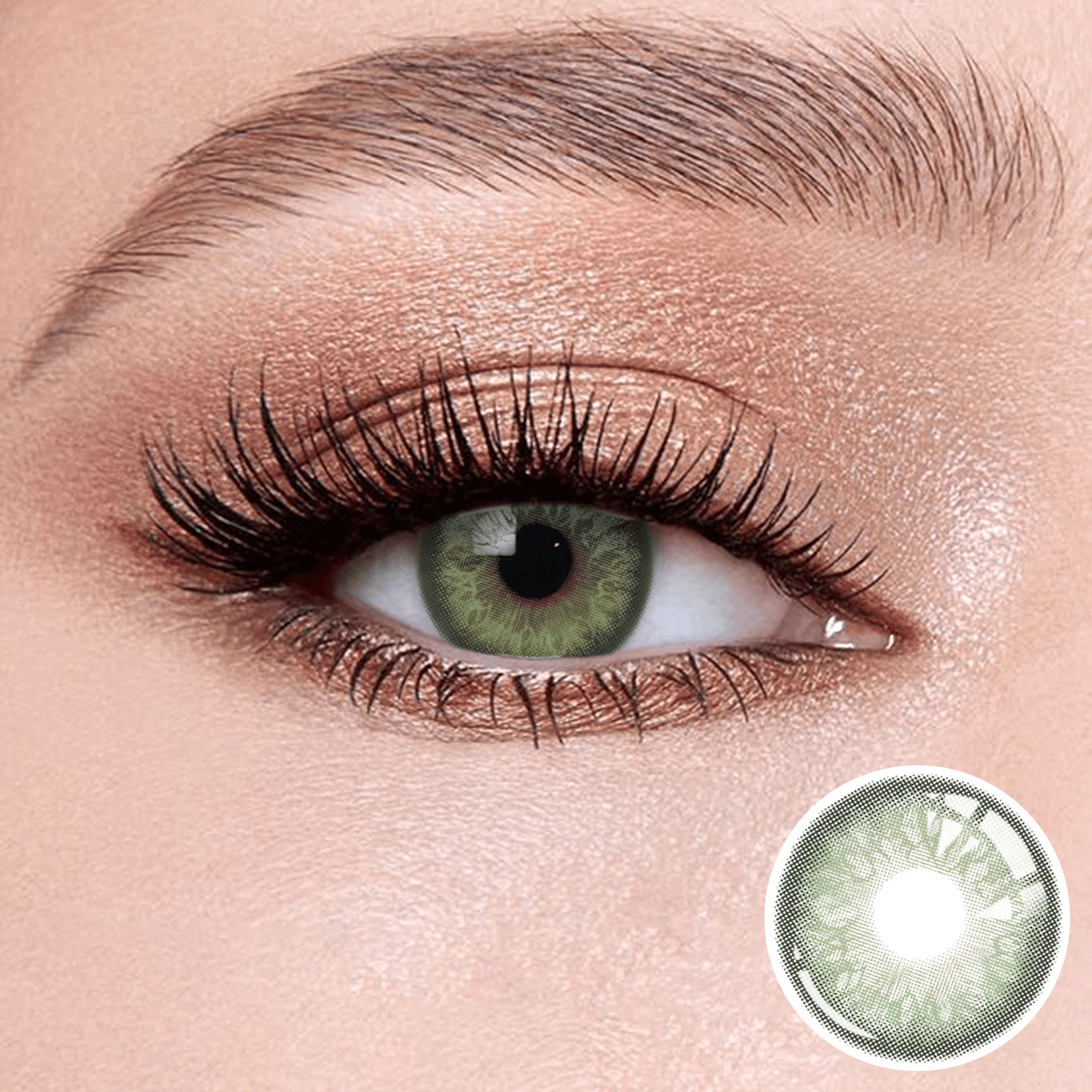
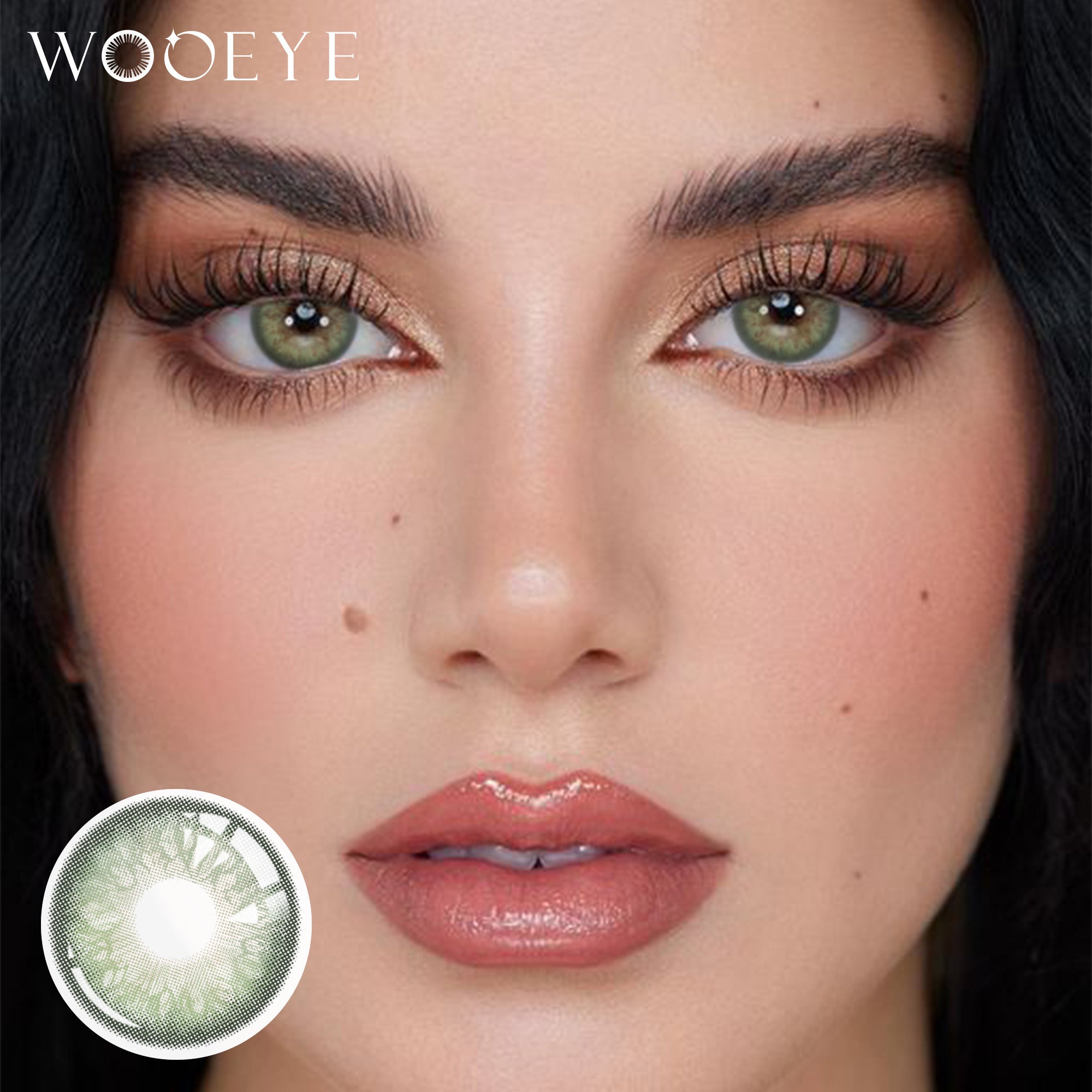
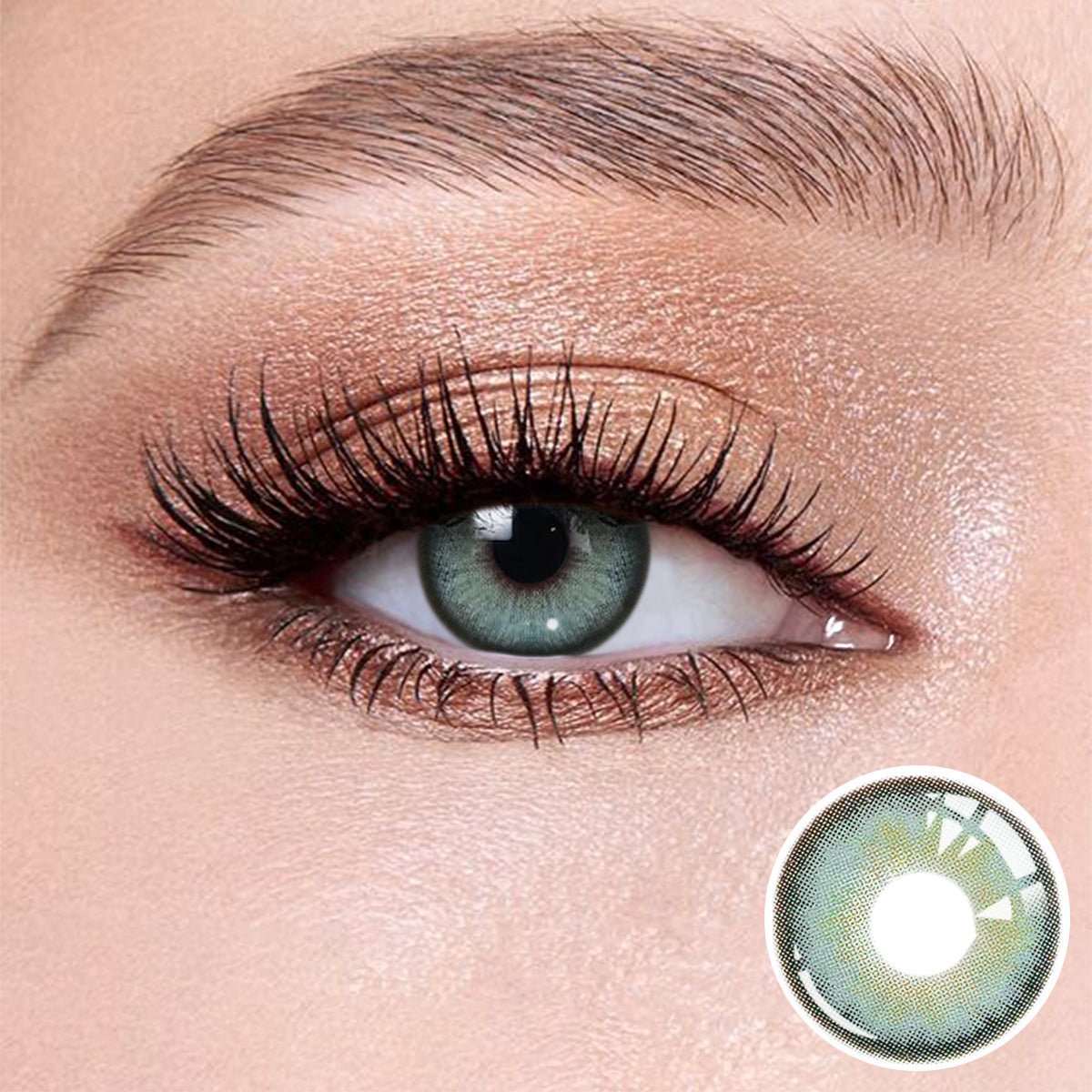
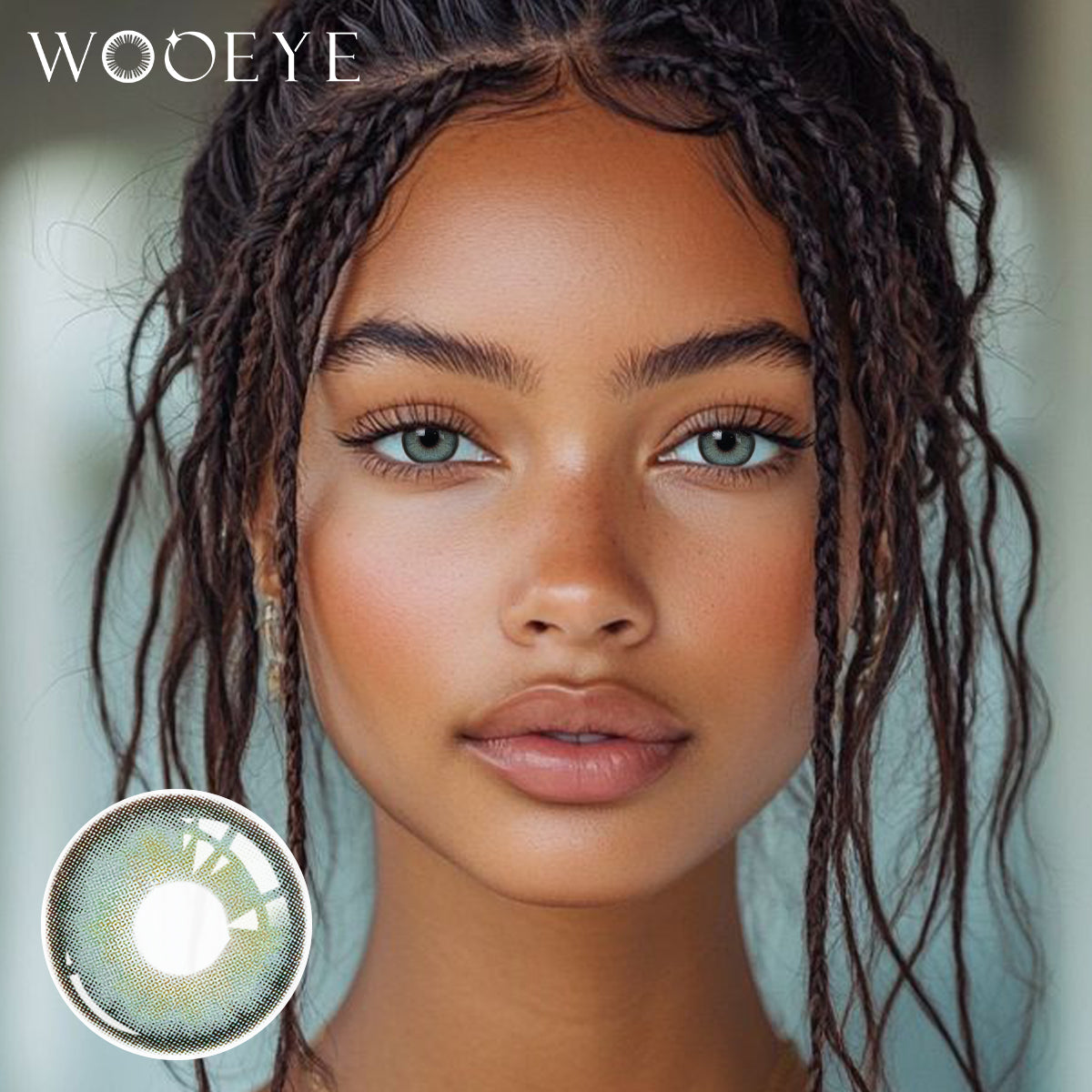
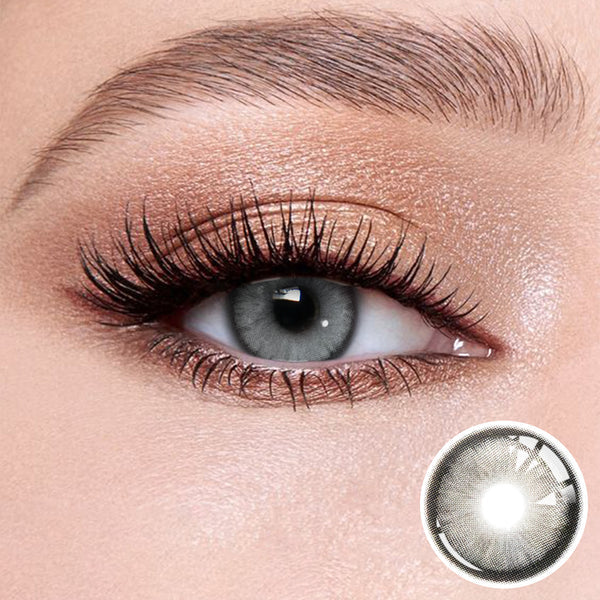
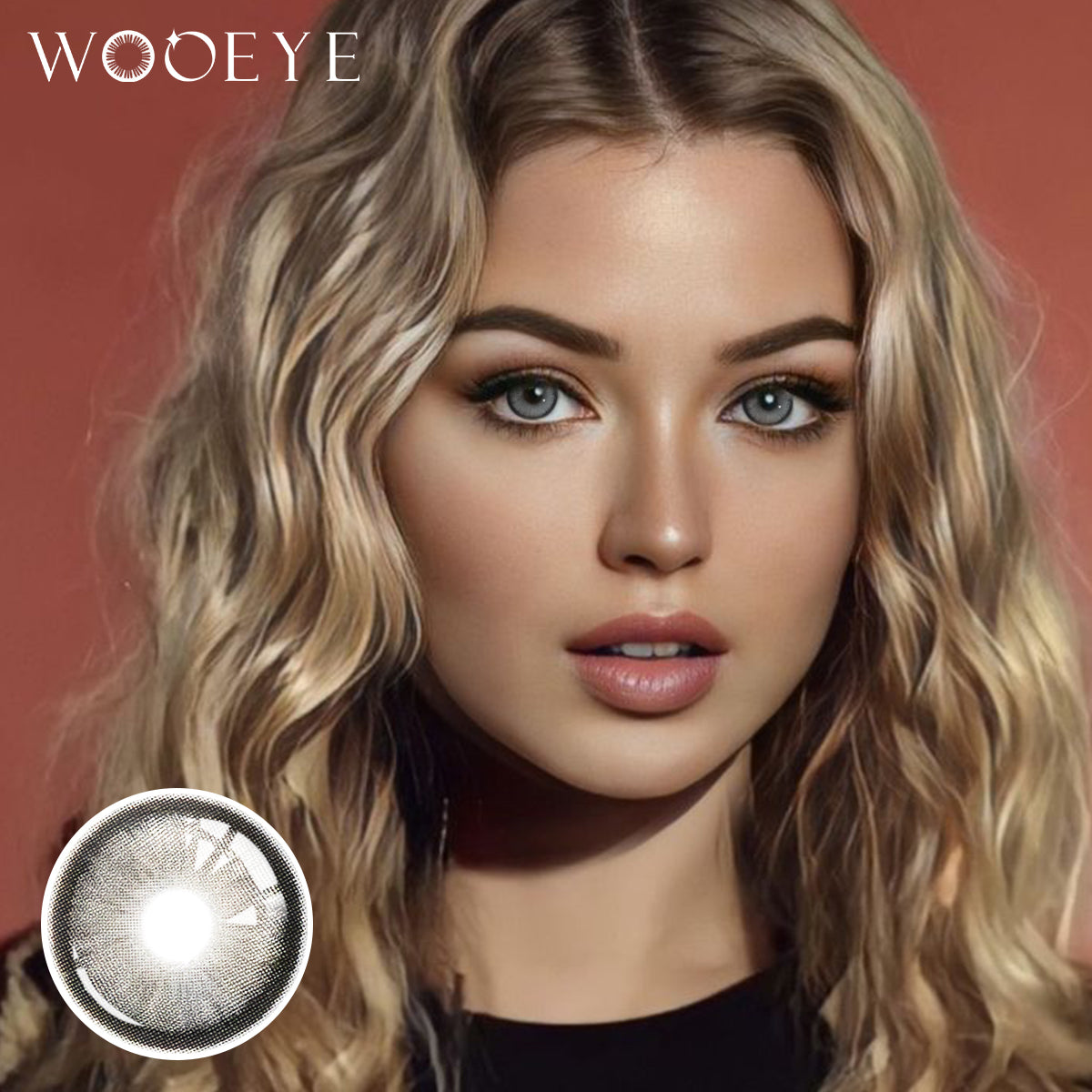
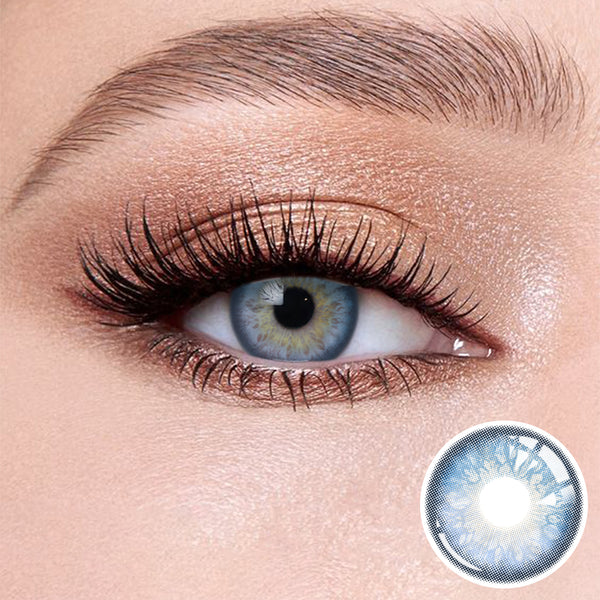
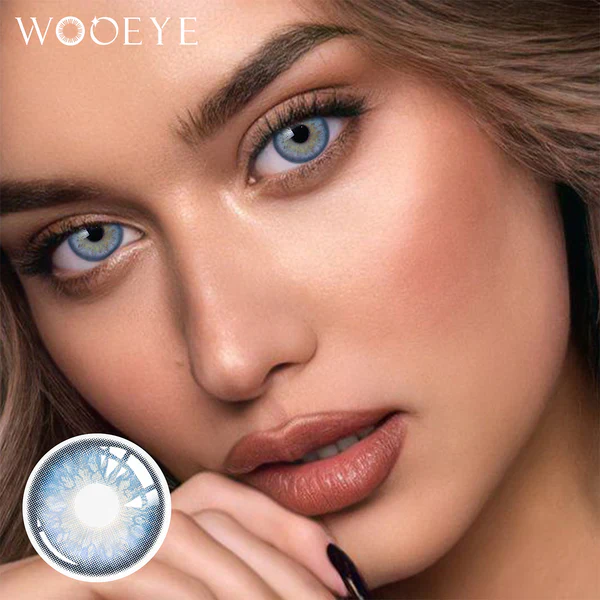
Yes, you can generally drive while wearing colored contact lenses if they provide clear vision, fit properly, and are appropriate for your prescription and intended use. Colored contacts do not automatically make driving unsafe.
The main concern is visual clarity, not the fact that the lens has color. Poor fit, an incorrect prescription, dryness, lens movement, or a colored pupil zone that interferes with your vision in low light can make driving more difficult.
Modern colored contact lenses are designed for comfort and safety.
If you need vision correction, prescription lenses can combine corrective power with an eye-color change. Prescription colored contacts can correct vision while changing eye color.
Can You Drive Safely With Colored Contacts?
For most wearers, properly fitted colored contact lenses should not prevent normal driving.
The key question is:
Can you see clearly and comfortably in the conditions you're driving in?
Driving requires more than simply being able to read a sign during the day.
You need good vision for:
- Road signs
- Pedestrians
- Traffic lights
- Lane markings
- Other vehicles
- Cyclists
- Sudden hazards
- Peripheral movement
Night driving adds another challenge because your pupils become larger in low-light conditions.
Can Colored Contacts Make Night Driving Harder?
They can for some wearers.
This is one of the most important considerations when driving with colored contacts.
In bright daylight, your pupils are relatively small. At night, they naturally expand to allow more light into the eye.
If a colored contact lens has a relatively small clear central zone, the enlarged pupil may extend into the colored area.
Depending on the individual and lens design, this could contribute to:
- Hazy vision
- Reduced contrast
- Halos
- Glare
- Difficulty seeing clearly in low light
This doesn't mean colored contacts are unsuitable for driving. It means you should test your vision in the conditions you'll actually be driving in before relying on them behind the wheel.
What If My Colored Contacts Make My Vision Blurry?
Don't drive if your vision isn't clear.
Blurry vision while wearing colored contact lenses can have several causes:
- Incorrect prescription
- Poor lens fit
- Lens movement
- Dry eyes
- Deposits on the lens
- Damaged lens
- Incorrect lens orientation
- Colored area affecting the visual field
If your vision becomes suddenly blurry, remove the lenses and avoid driving until you can see clearly.
If blurry vision persists or occurs with pain, redness, light sensitivity, or discharge, seek professional eye care promptly.
Can Prescription Colored Contacts Be Used for Driving?
Yes, provided they give you the vision correction you need and are appropriate for your eyes.
Prescription colored contacts can correct vision while changing eye color.
For someone with myopia, prescription lenses can provide the necessary correction without requiring glasses while driving.
WOOEYE offers prescription colored contacts for myopia up to -8.00 power.
However, don't assume your glasses prescription can simply be copied onto a contact lens. Contact lenses require appropriate fitting and prescription selection.
Drive Clearly, Look Great
WOOEYE Prescription Colored Contacts — Up to -8.00
Vision correction + natural eye color change. Brown, gray, hazel & more.
Shop Prescription Contacts →What About Driving at Night With Colored Contacts?
Night driving is where you should be most cautious.
Before driving at night, make sure you can comfortably see:
Headlights
You shouldn't experience excessive halos or glare.
Traffic Signs
You should be able to read signs from an appropriate distance.
Lane Markings
Road markings should remain clearly visible.
Pedestrians
You need to detect people wearing dark clothing in low-light conditions.
Peripheral Movement
You should be able to notice vehicles and cyclists approaching from the sides.
If your colored contacts make any of these tasks more difficult, remove them and use your glasses or another appropriate vision-correction method.
Material Science: HEMA Material, Oxygen Flow, and Sandwich Technology
Driving safety depends primarily on visual clarity, but lens construction still matters for the overall wearing experience.
HEMA Material
Many soft colored contact lenses use HEMA material, or Hydroxyethyl Methacrylate.
HEMA is a hydrogel material commonly used in soft contact lens manufacturing.
It can provide:
- Softness
- Flexibility
- Moisture retention
- Natural lens movement
WOOEYE uses HEMA material with approximately 40% water content in its colored contact lens designs.
However, material alone doesn't determine whether a lens is appropriate for driving.
Fit, prescription, eye moisture, lens stability, and visual performance also matter.
Oxygen Flow
Your cornea needs oxygen from the surrounding environment.
Because contact lenses sit directly over the eye, lens material and thickness influence oxygen transmission.
Material choice directly affects comfort and oxygen flow.
This becomes relevant during longer periods of wear, such as a road trip or a full day of commuting.
If your eyes become increasingly dry during a long drive, your vision can temporarily become less crisp.
Sandwich Technology
For colored contact lenses, pigment placement is another important part of lens design.
With sandwich technology, the color pigment is enclosed between transparent lens layers.
The basic structure can be thought of as:
Transparent lens → pigment → transparent lens
This construction is designed to:
- Enclose the pigment
- Maintain a smoother lens surface
- Create detailed iris patterns
- Support a natural-looking appearance
However, sandwich technology isn't a substitute for proper fitting or responsible lens care.
Does Water Content Affect Driving Comfort?
It can influence the overall lens experience.
WOOEYE colored contacts use approximately 40% water content with HEMA material.
Water content affects characteristics of a soft lens, but higher water content doesn't automatically mean better comfort or clearer vision.
The overall experience depends on:
material + water balance + oxygen flow + lens design + fit + your eyes.
This is particularly relevant when you're driving for several hours and can't simply take a break whenever your eyes feel dry.
NYC Driving: Colored Contacts in Real Life
Driving in New York can be very different from driving on an open highway.
You might be dealing with:
- Bright LED headlights
- Tunnels
- Sudden sunlight
- Rain
- Reflective road signs
- Pedestrians
- Cyclists
- Heavy traffic
A lens that looks great in an Instagram photo may not necessarily be the best choice for a three-hour drive.
For daytime driving, natural brown or hazel colored contact lenses may provide an understated look.
For nighttime driving, visual clarity should take priority over color.
If a lens creates noticeable glare or reduces your ability to see clearly, switch to glasses or another appropriate option.
Can I Wear Colored Contacts While Driving in Rain?
You can wear appropriate contact lenses in rainy conditions, but rain and low-light conditions can make driving more visually demanding.
Pay attention to:
- Glare from headlights
- Reflections on wet roads
- Reduced contrast
- Windshield distortion
- Lens dryness
If your vision becomes unclear, don't continue driving simply because the lenses are technically comfortable.
Clear vision comes first.
How to Make Sure Your Colored Contacts Are Suitable for Driving
Before using new colored contact lenses on the road:
1. Test Them During the Day
Make sure your vision is stable and clear.
2. Test Them at Night
If you plan to drive after dark, check whether you experience halos or glare.
3. Check Your Peripheral Vision
Make sure the lens doesn't interfere with your normal visual field.
4. Check Lens Movement
Your vision shouldn't repeatedly blur every time you blink.
5. Don't Drive With Irritated Eyes
If your eyes are painful or significantly red, remove the lenses.
6. Keep Backup Glasses in the Car
This is especially useful for longer trips.
A Note About WOOEYE
WOOEYE focuses on comfort + natural + safe + prescription-ready colored contacts.
Its colored contact lenses use HEMA material, approximately 40% water content, and sandwich technology, with the pigment enclosed within the lens structure.
WOOEYE also offers prescription lenses for myopia up to -8.00, allowing users to combine vision correction with different eye-color styles.
The important point is that a lens being designed for comfort doesn't automatically mean it will feel identical for every wearer or perform identically under every lighting condition.
For driving, individual visual clarity always comes first.
FAQ: Driving With Colored Contacts
Can I legally drive with colored contacts?
In general, wearing colored contacts itself does not prevent someone from driving. What matters is meeting the applicable vision requirements and being able to see clearly. Local licensing requirements can vary.
Can I drive at night with colored contacts?
You may be able to, but test your vision in low-light conditions first. If the lens causes halos, glare, haze, or reduced contrast, don't use it for night driving.
Can prescription colored contacts replace glasses while driving?
They can provide vision correction for eligible wearers. Make sure the prescription lenses are properly fitted and provide the visual acuity required for driving.
Are brown contacts better for driving?
Color alone doesn't determine driving safety. The lens's prescription, fit, pupil-zone design, comfort, and your individual vision matter more than whether the lens is brown, hazel, gray, or another color.
What should I do if my contacts become uncomfortable while driving?
If possible, pull over safely and remove the lenses. Keep backup glasses available, especially on longer drives.
Yes, you can drive with colored contact lenses if they provide clear, stable vision and are appropriate for your eyes and prescription.
The most important factors are:
- Correct prescription lenses
- Proper lens fit
- Clear vision in both daylight and low light
- Appropriate pupil-zone design
- HEMA material
- Oxygen flow
- Sandwich technology
- Proper lens care
Modern colored contact lenses are designed for comfort and safety.
But when you're behind the wheel, appearance comes second. If your vision becomes blurry, hazy, painful, or unusually sensitive to light, remove the lenses and don't continue driving until your vision is clear.
Clear Vision, Natural Color
Shop WOOEYE Prescription Colored Contacts
Up to -8.00 — HEMA material, sandwich technology, natural-looking shades for everyday wear.