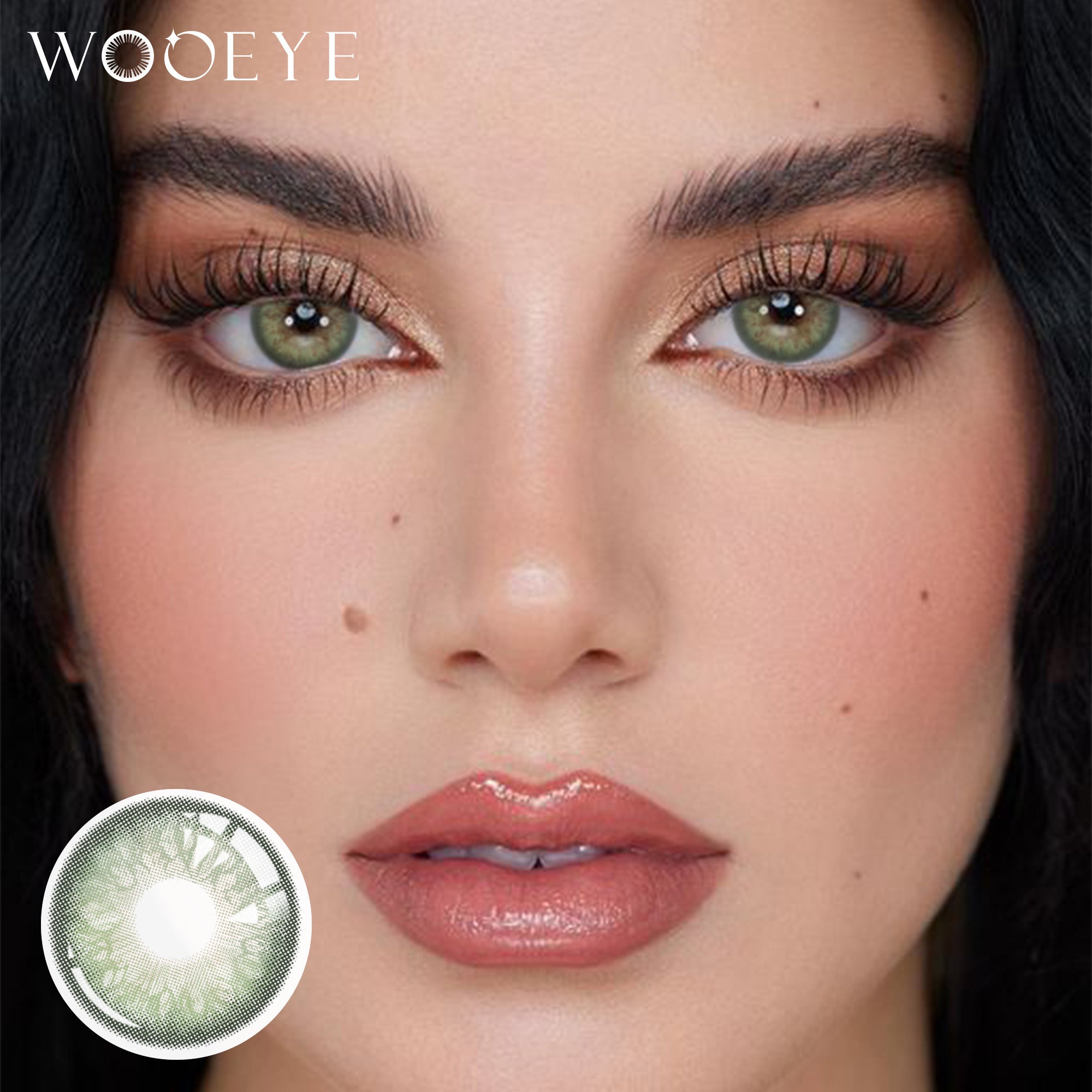
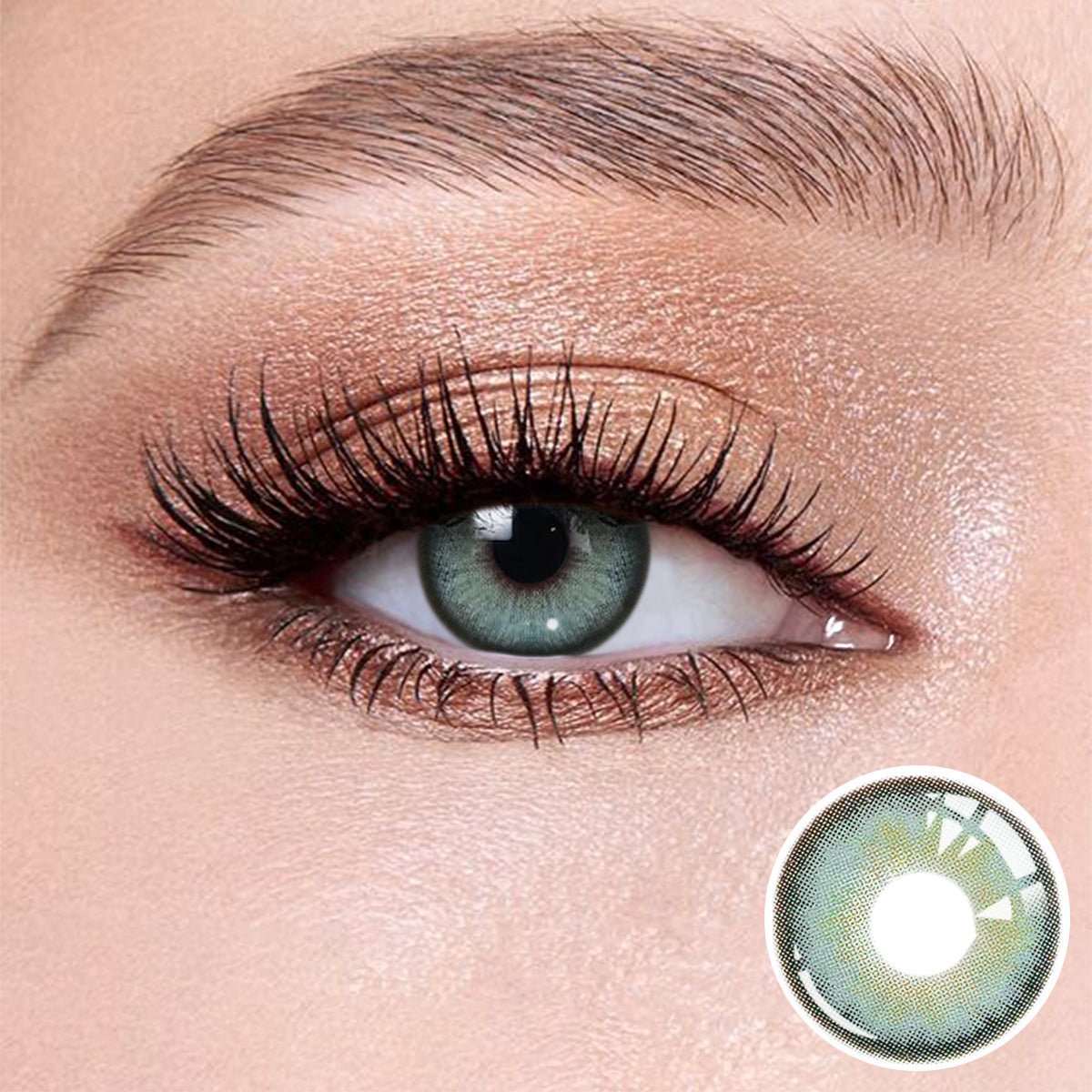
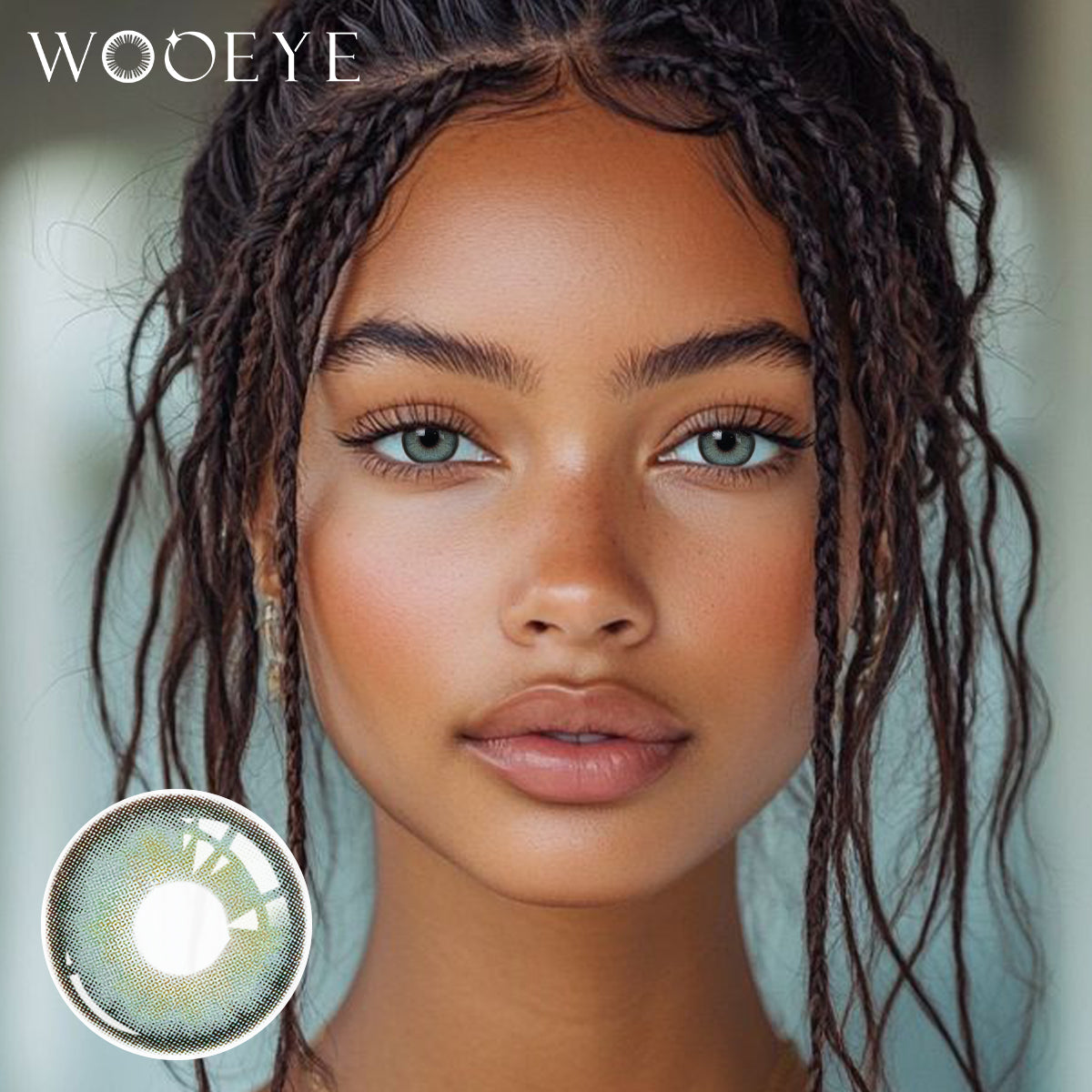
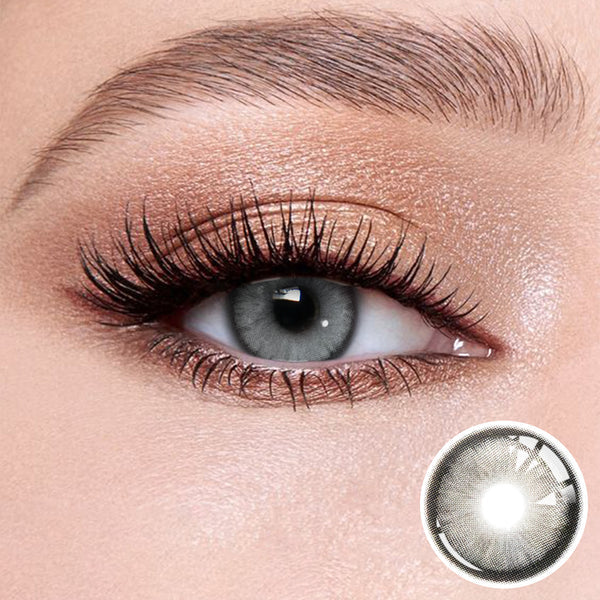
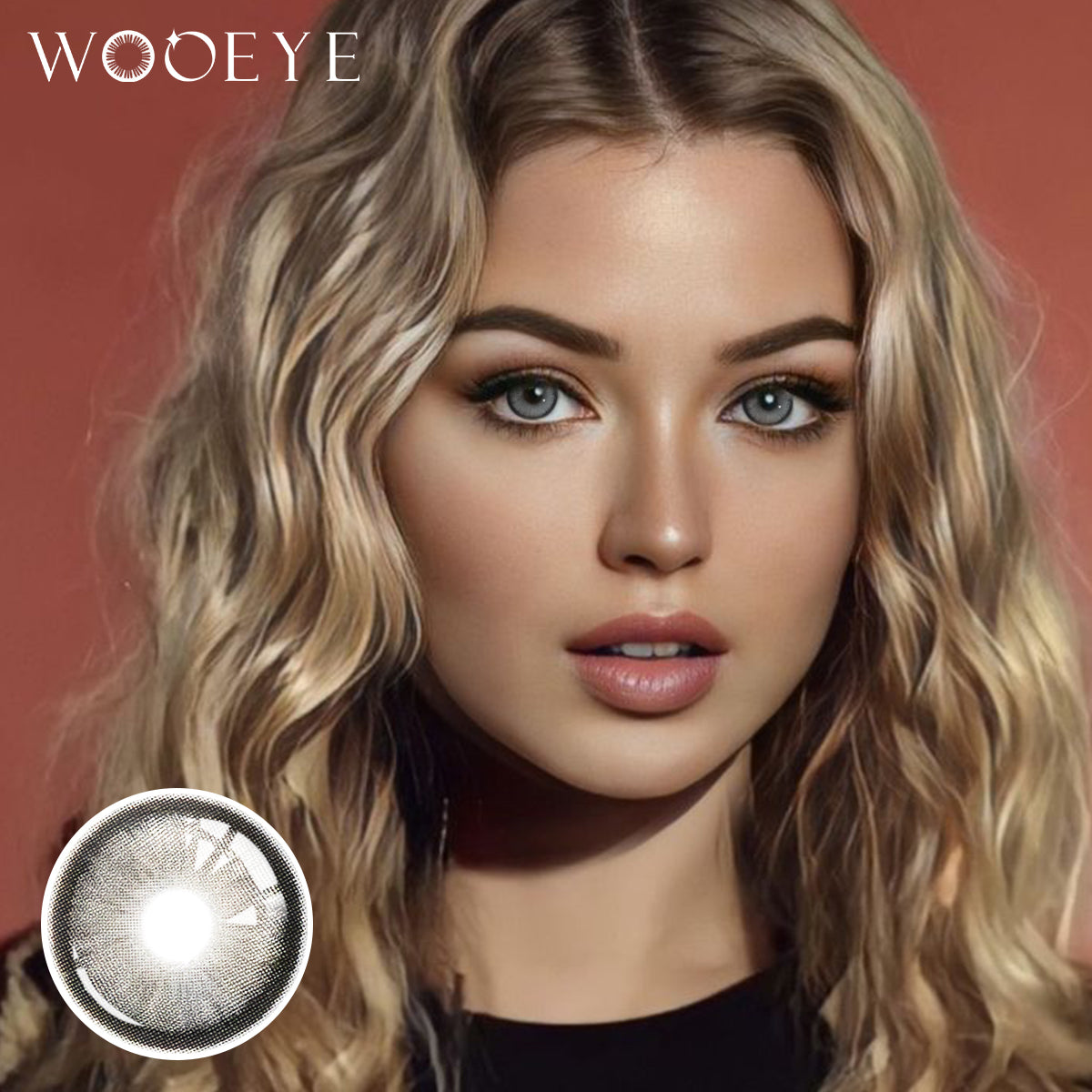
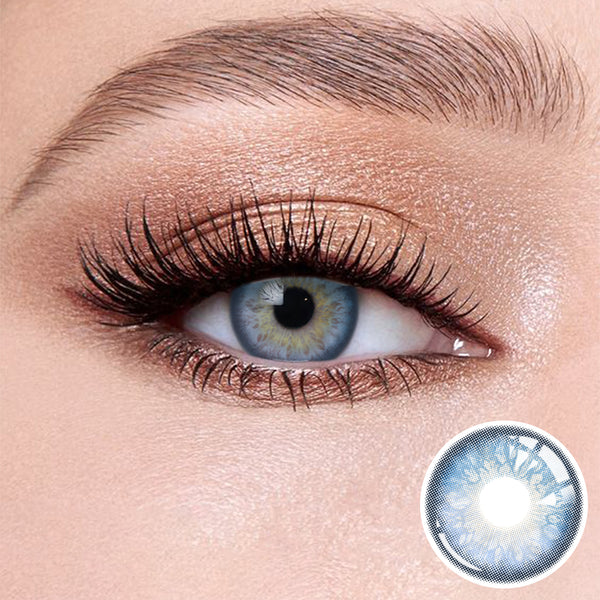
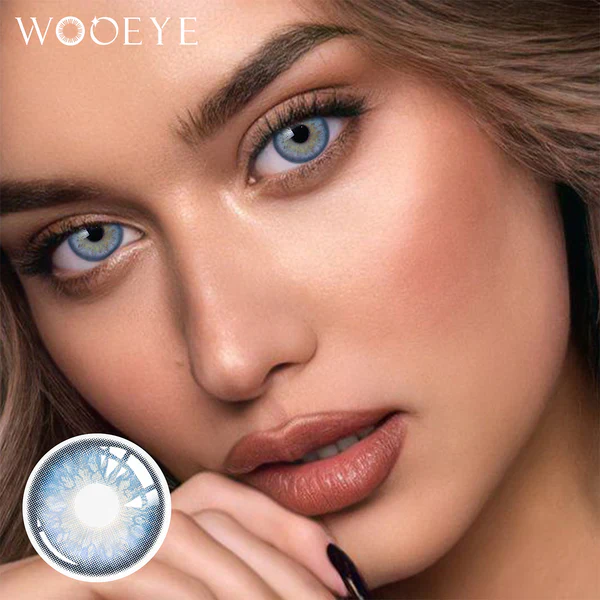
The most comfortable colored contacts for long wear are usually the ones with a suitable material, oxygen transmission, surface design, fit, prescription, and replacement schedule for your individual eyes.
For colored contact lenses, comfort also depends on how the pigment is incorporated into the lens and whether the lens maintains a smooth, stable surface.
There is no single material or water-content number that guarantees comfort for everyone. A lens that feels comfortable for eight hours for one person may become dry or irritating much sooner for another.
Modern colored contact lenses are designed for comfort and safety.
If you plan to wear contacts for many hours, the goal should be to choose a properly fitted lens and follow its recommended wearing schedule rather than simply looking for the lens advertised as "long wear."
What Makes Colored Contacts Comfortable for Long Wear?
Long-wear comfort is usually the result of several factors working together:
- Lens material
- Oxygen transmission
- Water content
- Surface properties
- Lens thickness and design
- Fit and base curve
- Prescription accuracy
- Wearing environment
- Cleaning and replacement habits
This is why two pairs of colored contacts can have similar prices and similar-looking colors but feel completely different after several hours.
1. Lens Material Matters
HEMA material is a type of hydrogel material that has been widely used in soft contact lenses. It can provide a soft, flexible lens structure, but material alone doesn't determine whether a lens will be comfortable.
A lens's formulation and design also affect water content, oxygen transmission, surface characteristics, flexibility, and thickness.
Material choice directly affects comfort and oxygen flow.
2. Oxygen Flow Is Important for Long Wear
The cornea gets oxygen from the surrounding environment. Because a contact lens sits directly over the cornea, the lens material and design affect how much oxygen can reach the eye.
This becomes particularly relevant when wearing contacts for extended periods. Comfort also depends on lens fit, surface moisture, thickness, tear film, environment, and individual eye sensitivity.
It's better to think about oxygen transmission as one part of the comfort equation, not a magic number.
3. Does High Water Content Make Colored Contacts More Comfortable?
Not automatically. A higher water content number doesn't necessarily mean a lens will stay comfortable longer, especially in environments with air conditioning, heating, low humidity, strong wind, or long periods of screen use.
When choosing comfortable colored contacts, material, oxygen transmission, surface design, and fit all matter—not water content alone.
4. Surface Smoothness Matters
A lens with a well-designed surface should interact appropriately with the tear film and eyelid during blinking. If a lens becomes dry, develops deposits, or doesn't fit properly, comfort can decrease.
This is one reason reusable lenses need appropriate cleaning and replacement. A lens worn beyond its recommended replacement schedule may not perform the same way it did when it was new.
5. What Is Sandwich Technology in Colored Contacts?
Colored contacts have another challenge that clear lenses don't have: the lens contains a color pattern.
One approach used in colored lens manufacturing is sandwich technology. With sandwich technology, the color pattern is incorporated between layers of lens material, enclosing the pigment within the lens structure rather than leaving the color pattern exposed directly on the outer surface.
This can be part of a lens design intended to create a more integrated color pattern and maintain a smooth lens surface. For people looking for comfortable colored contacts, color technology is therefore worth considering alongside the material itself.
HEMA Material · Sandwich Technology · Up to -8.00
WOOEYE Prescription Colored Contacts
Designed for everyday comfort — natural-looking color with vision correction.
Shop Prescription Contacts →6. Fit Can Be More Important Than Price
Even a well-designed contact lens may not feel comfortable if it doesn't fit your eye properly. Contact lens fit involves characteristics such as base curve, diameter, lens movement, prescription, and eye shape.
This is why prescription lenses should be properly fitted rather than selected only because the power looks correct.
7. Prescription Accuracy Matters
Prescription colored contacts can correct vision while changing eye color.
However, a glasses prescription isn't always identical to a contact lens prescription. Contact lenses sit directly on the cornea, so the optical relationship is different. At stronger prescriptions, this distinction becomes particularly important.
Comfortable Colored Contacts vs. Long-Wear Claims
A common mistake is assuming: "Long wear" = "comfortable all day." It doesn't.
Your actual wearing time depends on individual eye health, lens fit, tear production, environment, screen use, lens material, and wearing experience.
If your eyes start feeling dry or irritated, don't try to push through simply because the lens is marketed for extended wear.
How to Make Colored Contacts More Comfortable
Start with clean hands
Wash and dry your hands before touching your lenses.
Avoid sleeping in them
Unless a specific lens has been prescribed for overnight wear, remove contacts before sleeping.
Don't use tap water
Contact lenses should not be cleaned or stored in tap water.
Follow the replacement schedule
Don't keep reusable lenses longer simply because they still look fine.
Take breaks when needed
If your eyes feel tired or dry, removing your contacts can help reduce the strain associated with continued lens wear.
Keep your eyes lubricated appropriately
If you frequently experience dryness, ask an eye-care professional about suitable rewetting drops or other options compatible with your lenses.
Long-Wear Colored Contacts and Screen Time
You put in your contacts at 8 AM. Then: subway and phone scrolling, laptop all morning, lunch outside, more screen time in the afternoon, dinner downtown, and another screen at night.
That's a long day for your eyes. When people concentrate on screens, they tend to blink less frequently, which can affect the tear film and make contact lenses feel drier.
Regular blinking, taking screen breaks, and removing lenses when they become uncomfortable can matter just as much as the lens material.
NYC Lifestyle: Choosing Colored Contacts for Everyday Wear
For everyday New York life, most people don't necessarily need the most dramatic colored contacts.
A softer shade can work well for office makeup, coffee runs, brunch, dating, dinner, weekend shopping, and photos.
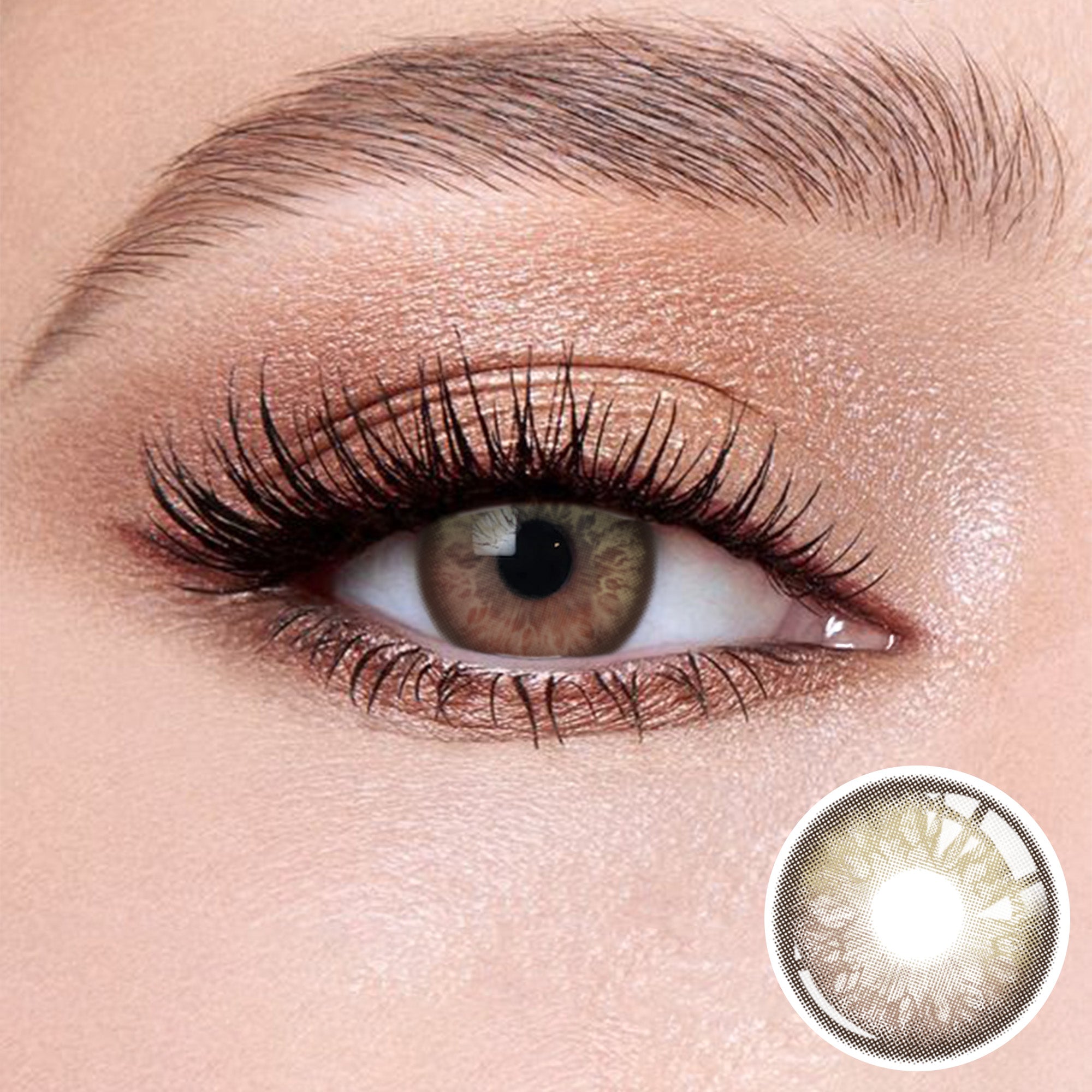
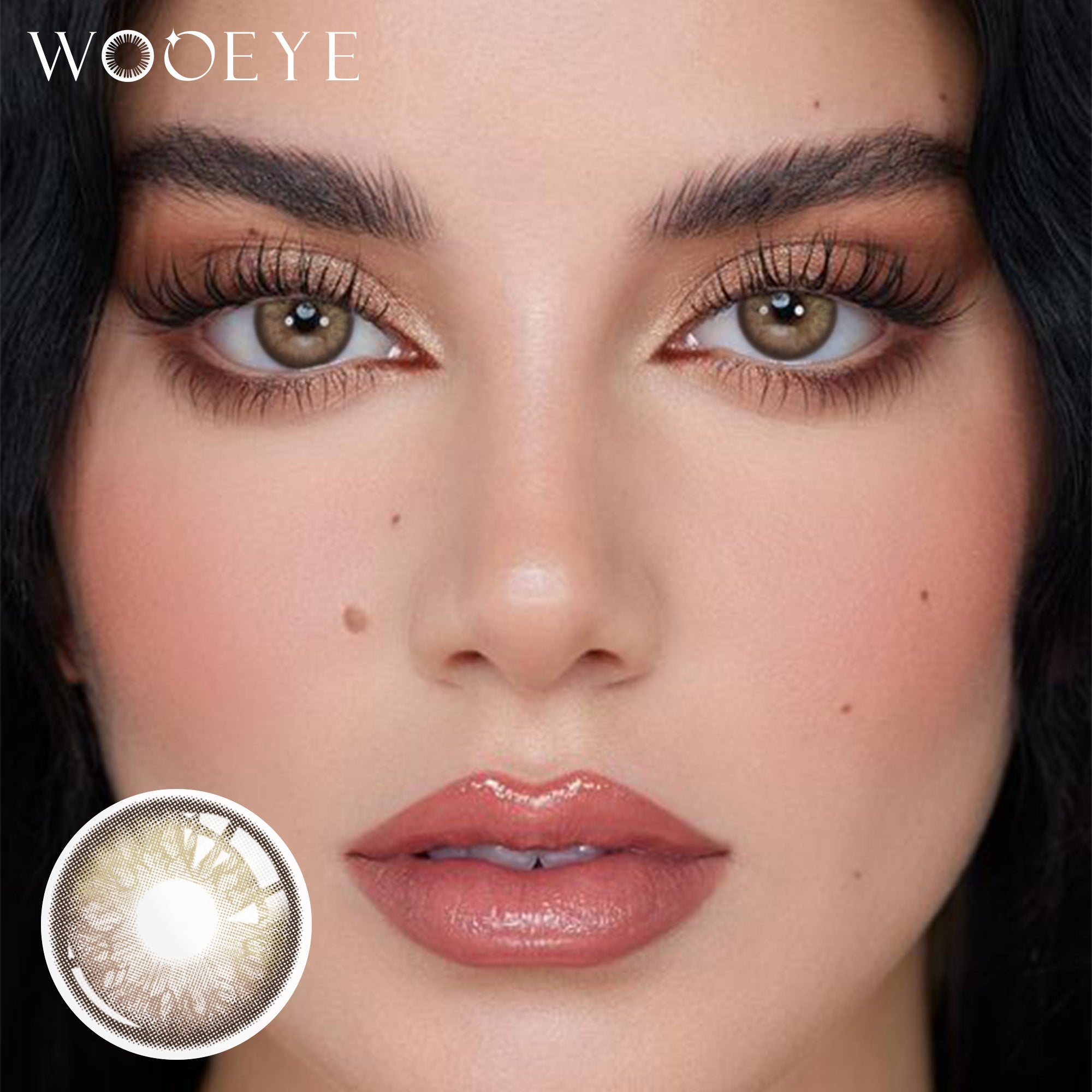
Brown, hazel, and subtle gray shades can change the appearance of the eyes without looking overly dramatic. If you're going from work directly to dinner or a night out, a lens that remains comfortable throughout your planned wearing period can make a bigger difference than a particularly bright color.
HEMA Material, Oxygen Flow, and Comfort: The Bigger Picture
A contact lens is a complete system:
Material — determines many physical and moisture-related characteristics.
Oxygen transmission — influences how much oxygen can reach the cornea through the lens.
Water content — affects how the hydrogel interacts with moisture.
Surface — influences interaction with the tear film and eyelid.
Fit — determines how the lens sits and moves on the eye.
Color construction — matters specifically for colored contact lenses.
Prescription — determines whether the lens provides the vision correction you need.
The interaction between all of these factors is what creates the actual wearing experience.
How WOOEYE Approaches Comfortable Colored Contacts
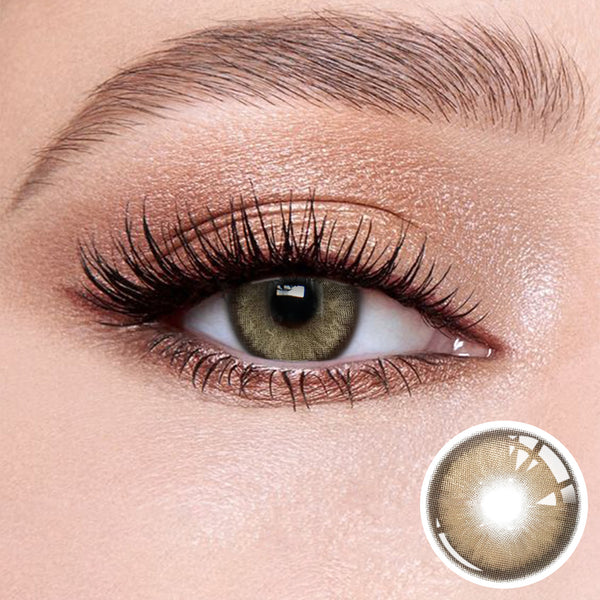
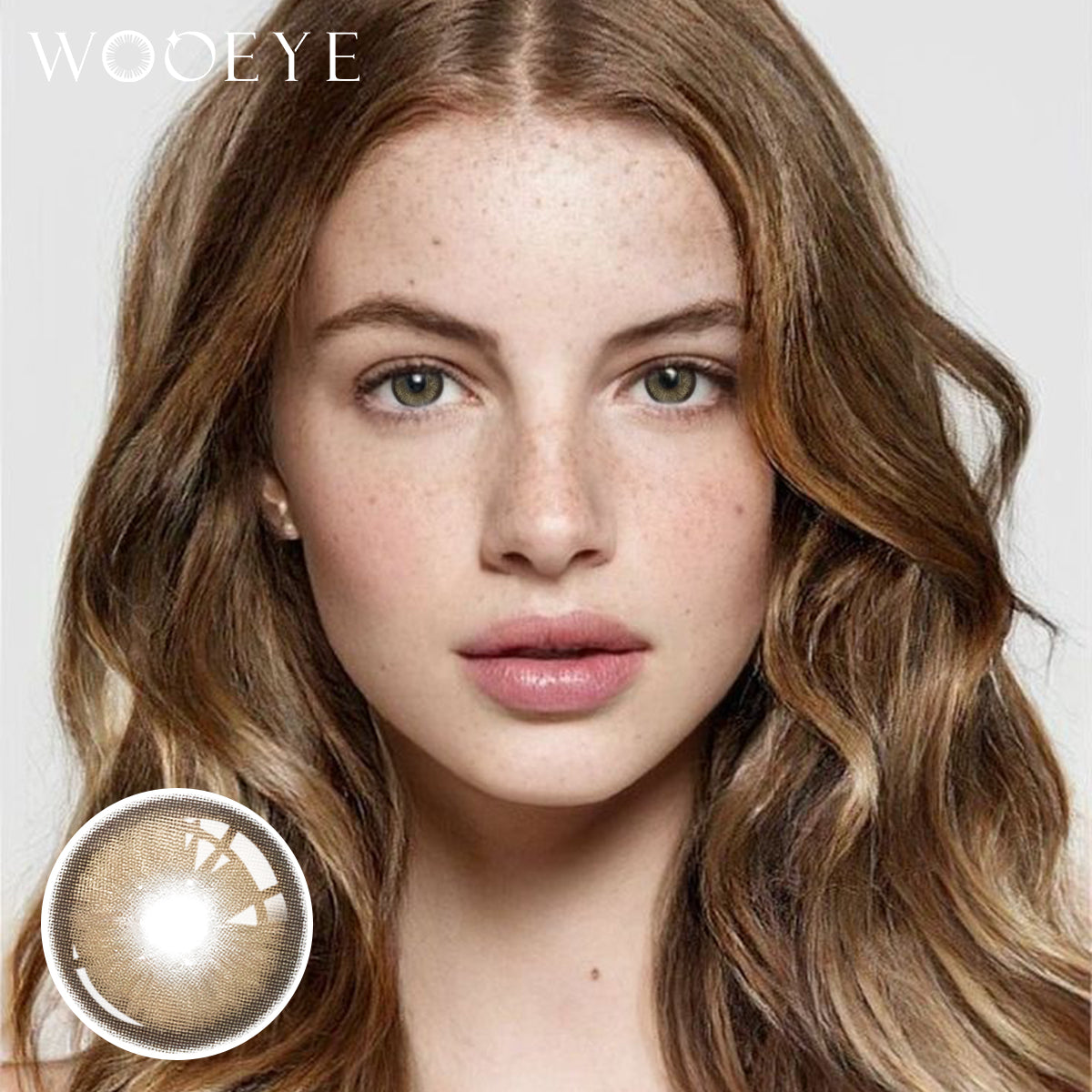
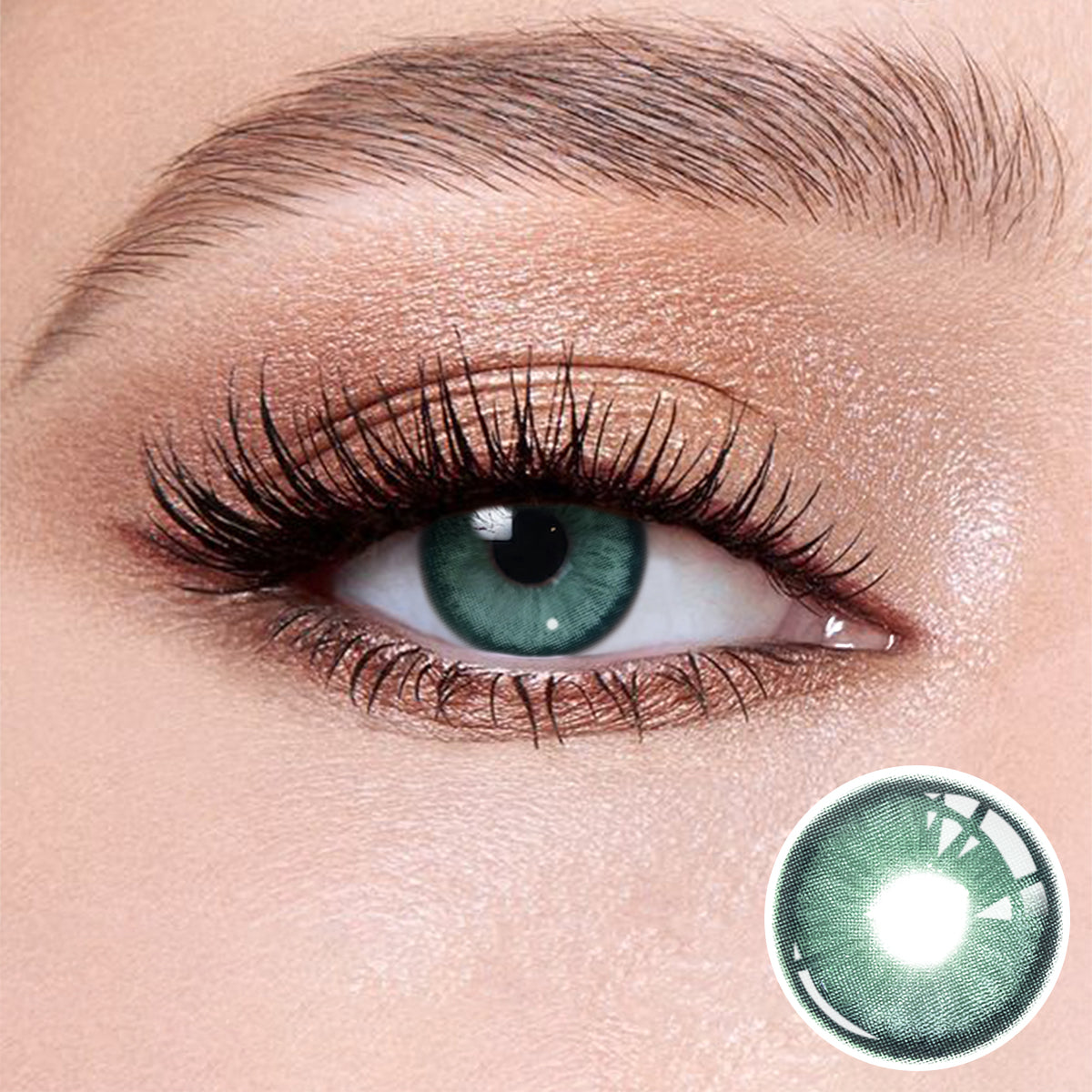
WOOEYE focuses on colored contact lenses designed to combine cosmetic color with everyday vision needs. Its lenses use HEMA material, approximately 40% water content, and sandwich technology for the colored pattern.
comfort + natural + safe + prescription-ready colored contacts
For everyday wear, a subtle brown or hazel lens can create a noticeable change while remaining easy to pair with normal makeup and clothing.
Explore WOOEYE colored contact lenses
FAQ: Comfortable Colored Contacts for Long Wear
What are the most comfortable colored contacts for long wear?
There is no single lens that is most comfortable for everyone. Material, oxygen transmission, water content, surface design, fit, prescription, and individual eye characteristics all affect comfort.
Are HEMA colored contacts comfortable?
HEMA material is widely used in soft contact lenses, but comfort depends on the complete lens formulation and design rather than the material name alone.
Does sandwich technology make colored contacts more comfortable?
Sandwich technology refers to how the color pattern is incorporated into the lens. It can be part of a lens design intended to keep the pigment enclosed within the lens structure, but comfort also depends on material, fit, surface characteristics, and wearing conditions.
Can I wear colored contacts for 12 hours?
The appropriate wearing time depends on the specific lens and your eyes. Don't assume that a lens is suitable for 12 hours simply because it is marketed as a long-wear or reusable lens. Follow the manufacturer's instructions and your eye-care professional's advice.
Are prescription colored contacts comfortable?
They can be, when the lens is appropriately fitted and the prescription is correct. Prescription colored contacts combine vision correction with cosmetic color, so fit and optical performance are both important.
Why do my colored contacts become uncomfortable after a few hours?
Possible factors include dryness, reduced blinking during screen use, poor fit, deposits on reusable lenses, environmental conditions, or an unsuitable lens for your eyes. Remove the lenses if they become uncomfortable and seek professional advice if symptoms persist.
Can I sleep in comfortable colored contacts?
Comfort doesn't mean a lens is safe for overnight wear. Unless your specific lenses have been prescribed for overnight use, remove them before sleeping.
Finding comfortable colored contacts for long wear is less about finding a single "best" material and more about finding the right combination of:
material + oxygen flow + water content + surface + fit + prescription + wearing habits.
For colored contact lenses, HEMA material and sandwich technology are two aspects of lens construction worth understanding, but neither replaces proper fitting and responsible wear.
If you're spending a full day moving between the subway, office, coffee shop, screens, and dinner, comfort should be part of the decision—not an afterthought.
The right colored contacts should fit naturally into your day without asking your eyes to simply "push through" discomfort.
Comfort First, Color Always
Shop WOOEYE Colored Contacts
HEMA material · Sandwich technology · Prescription up to -8.00 · Natural shades for all-day wear.