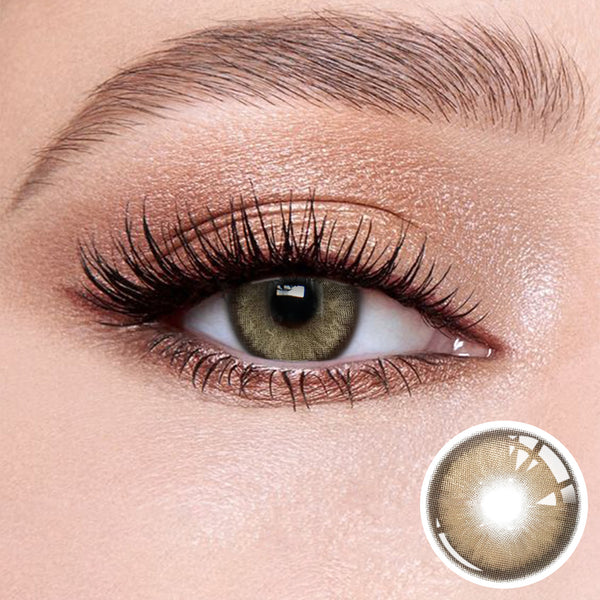
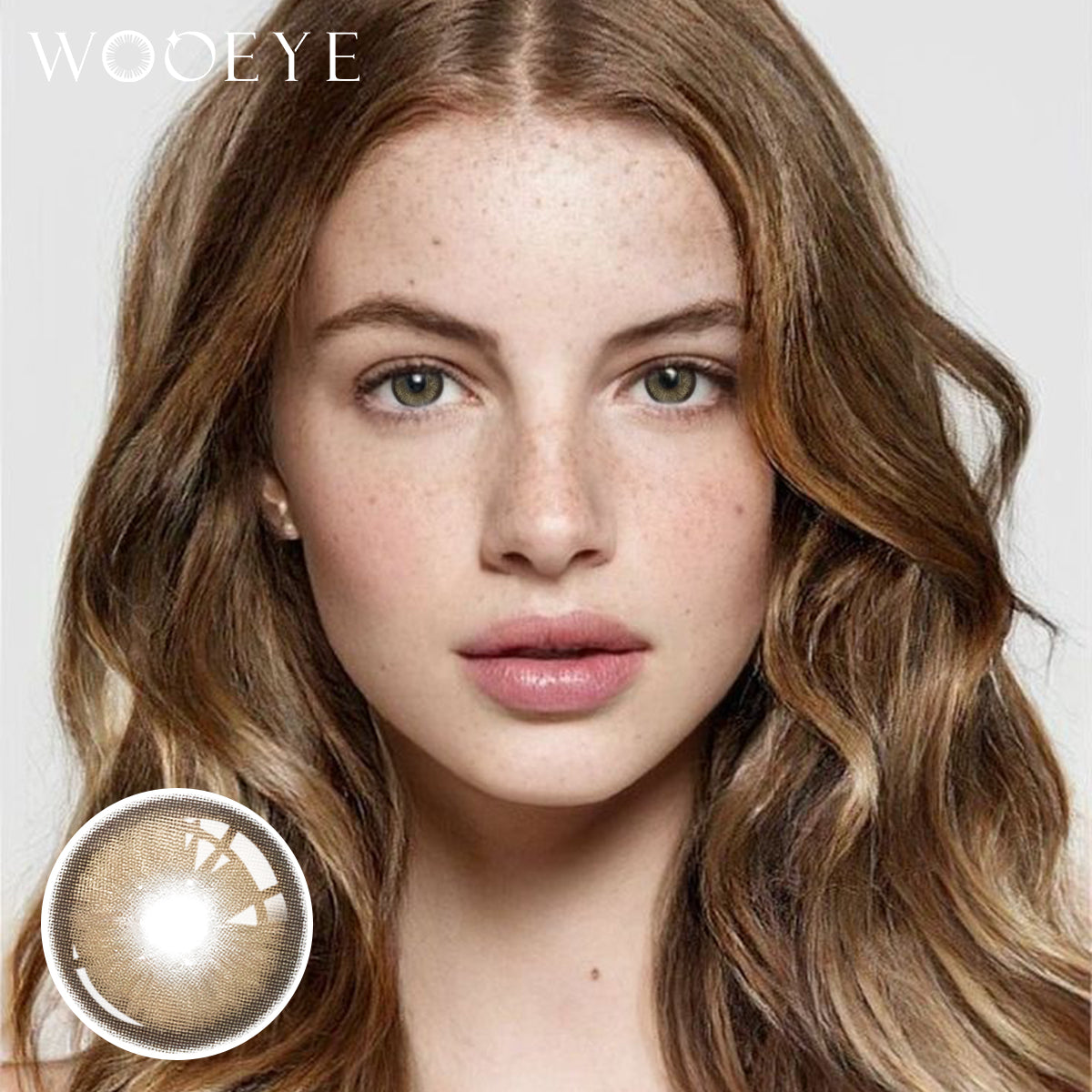
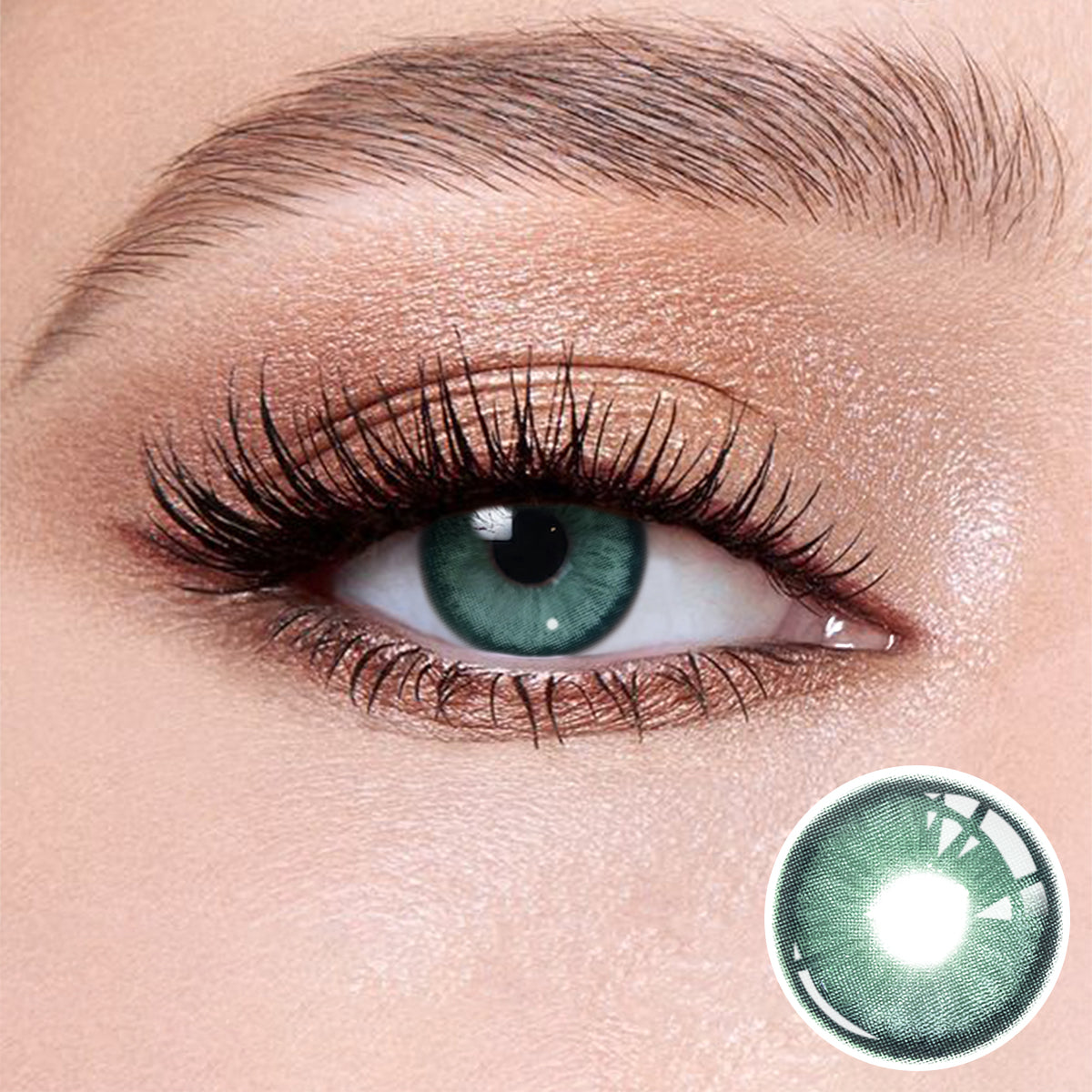
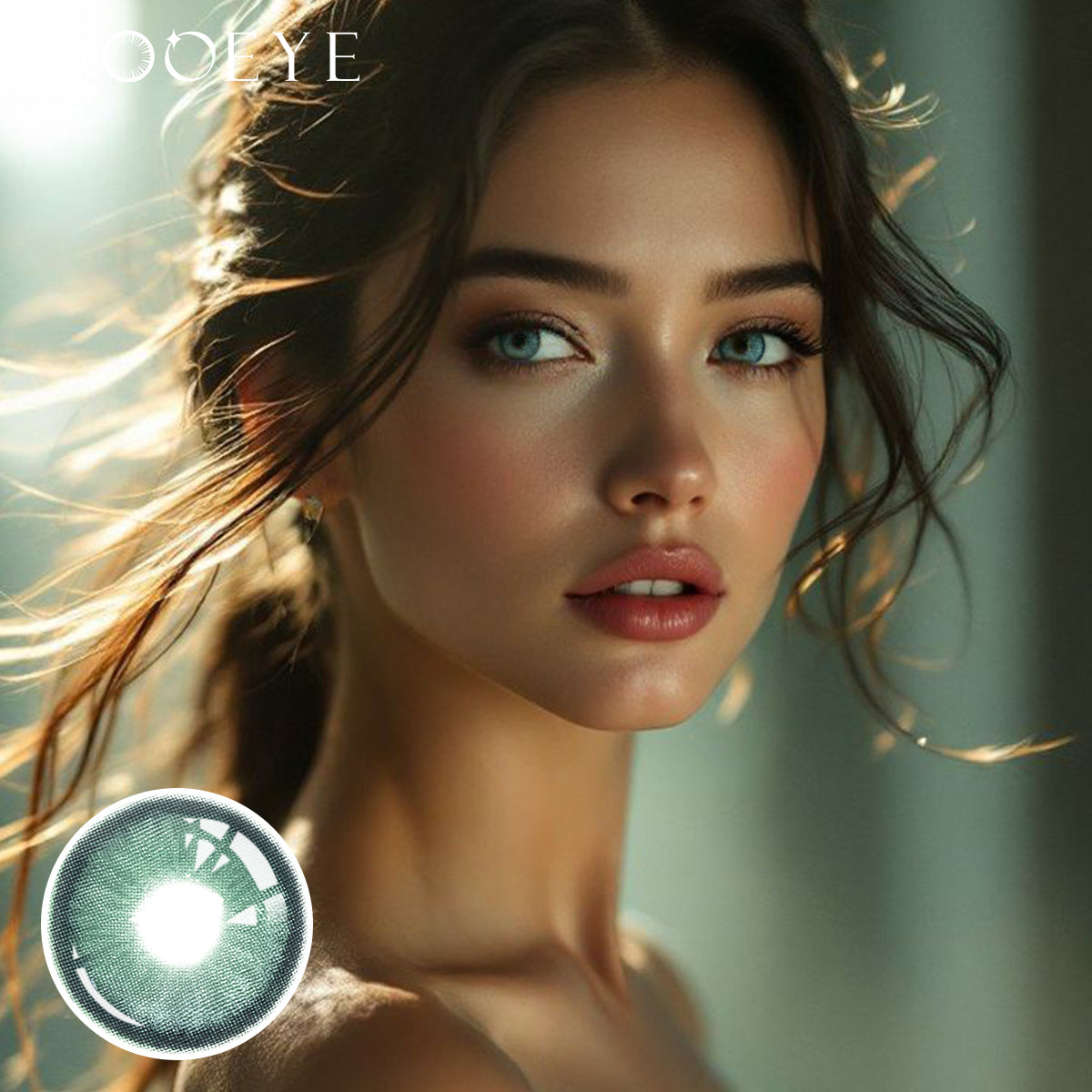
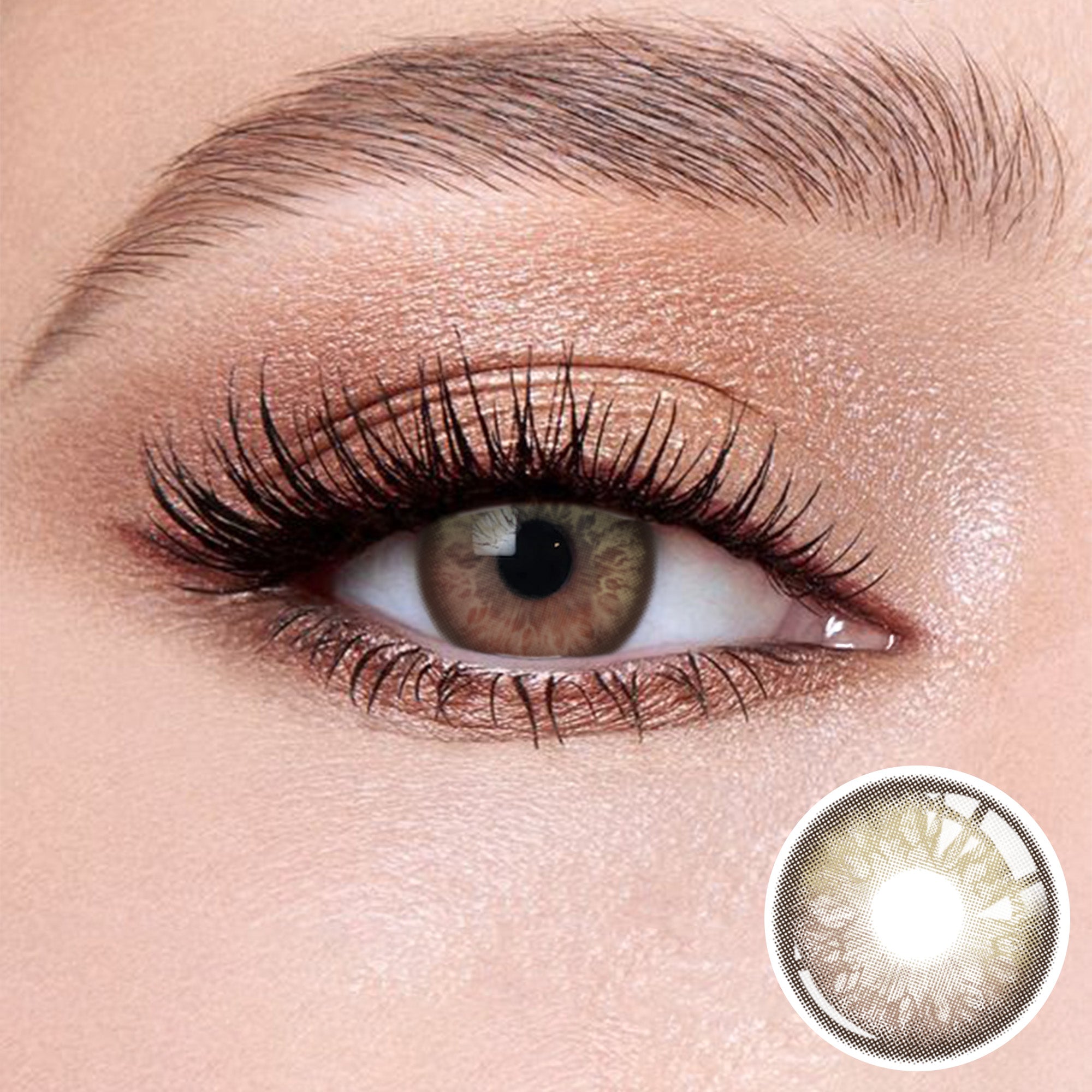
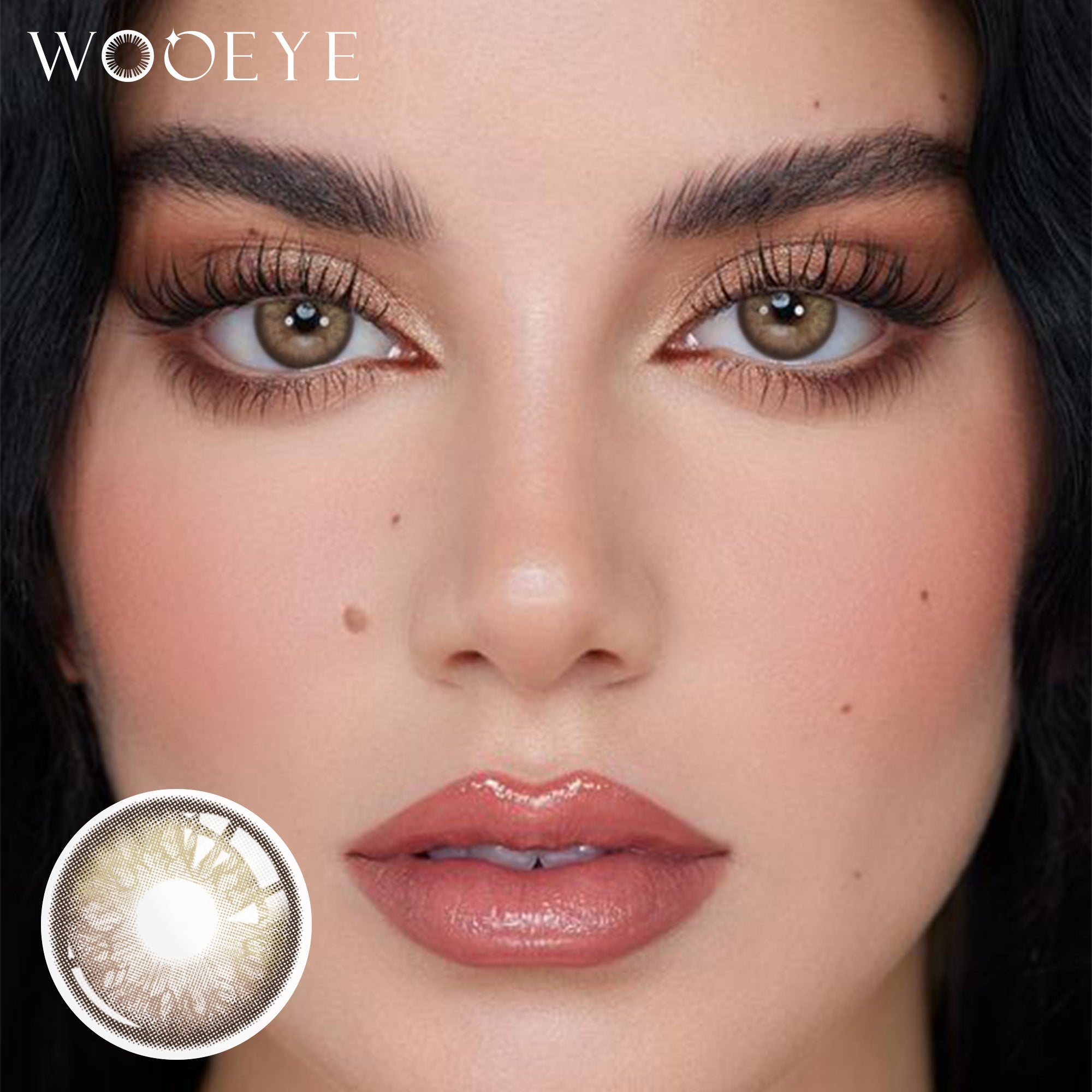
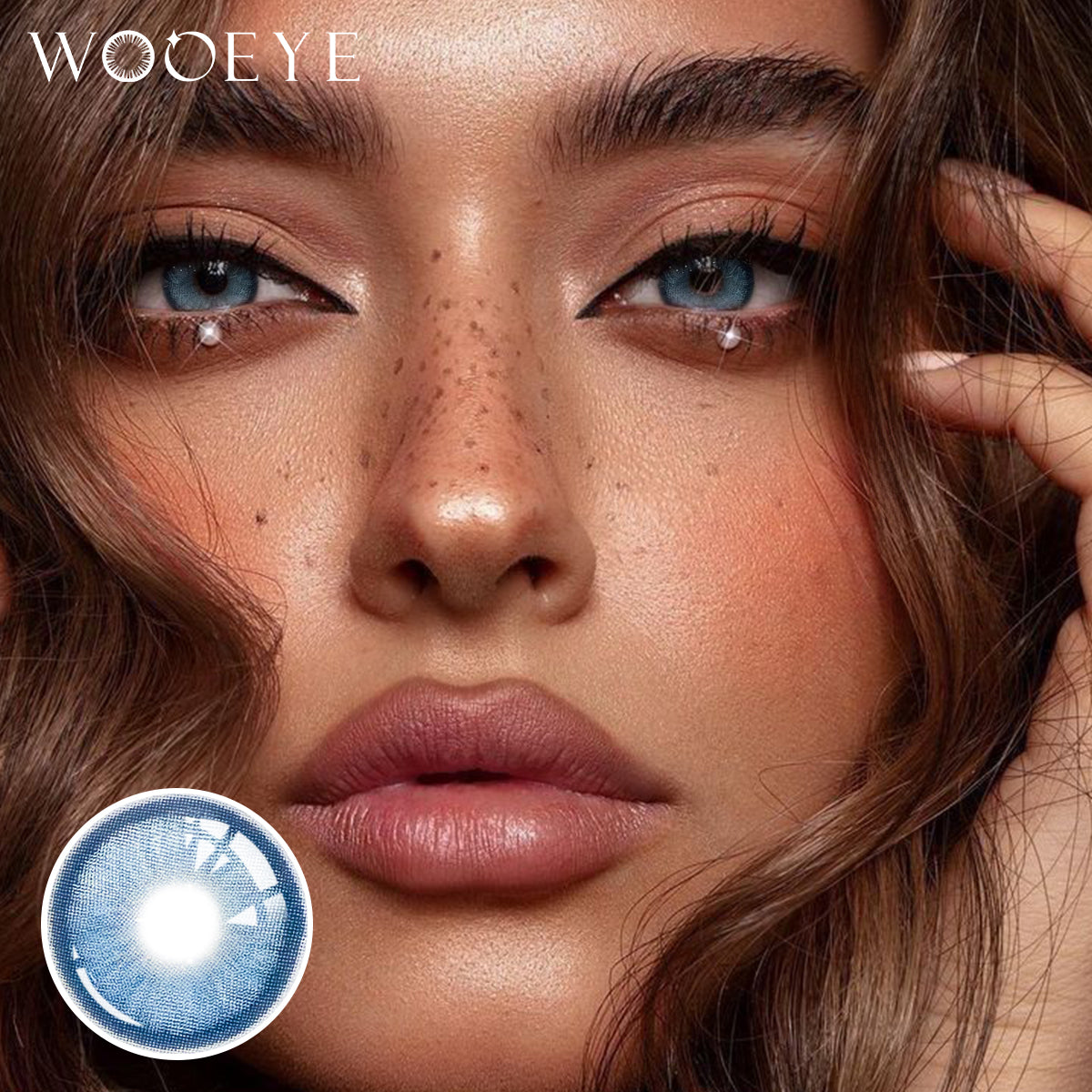
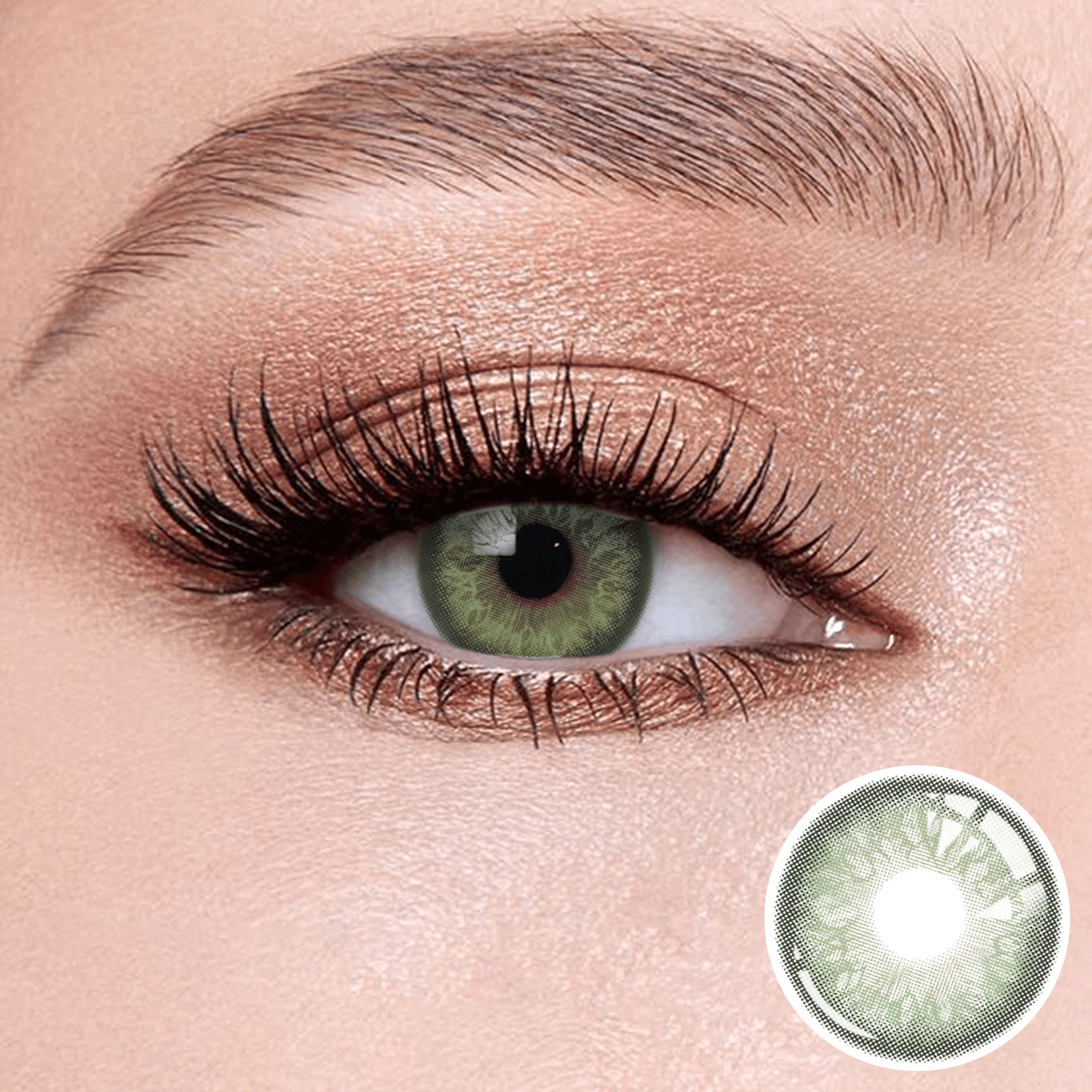
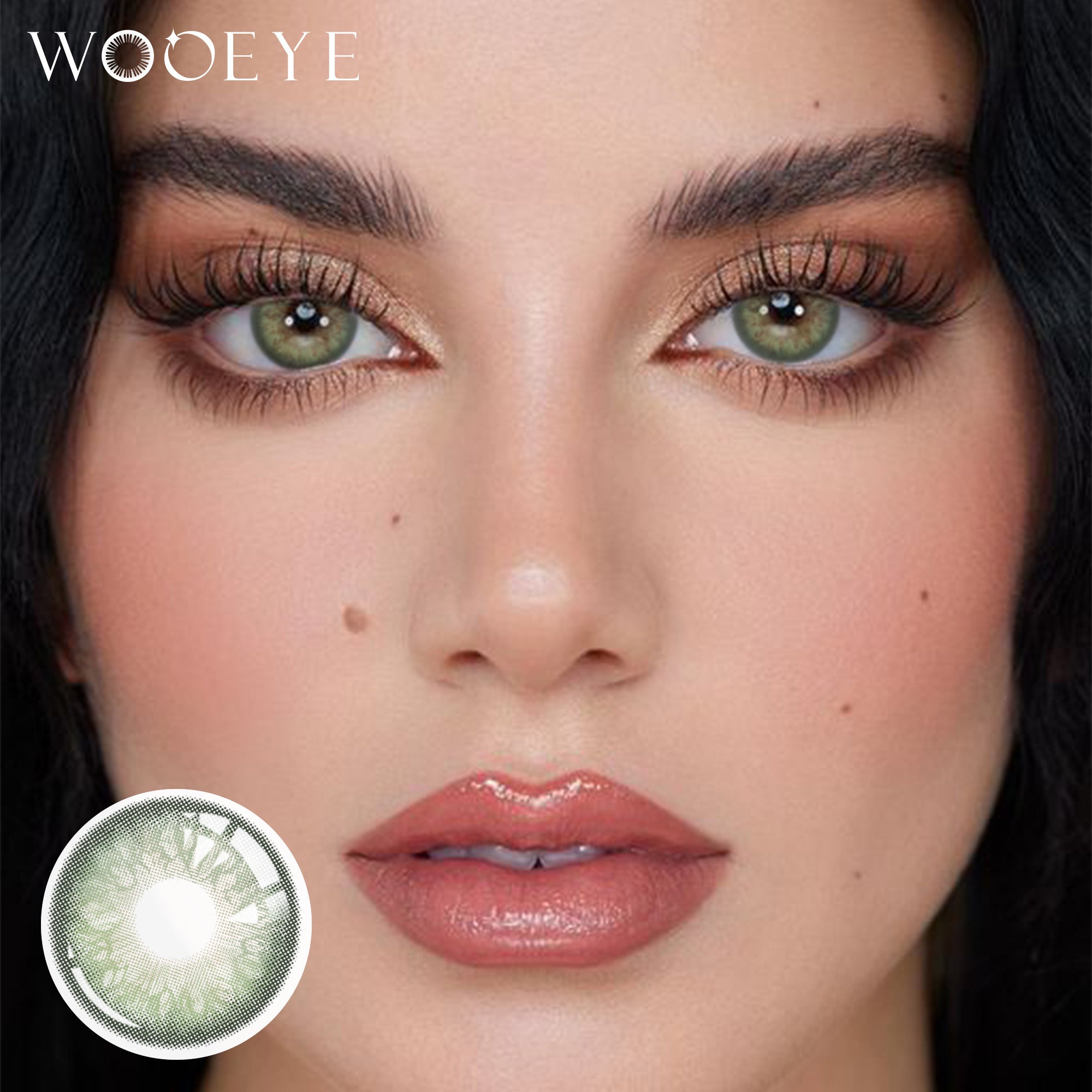
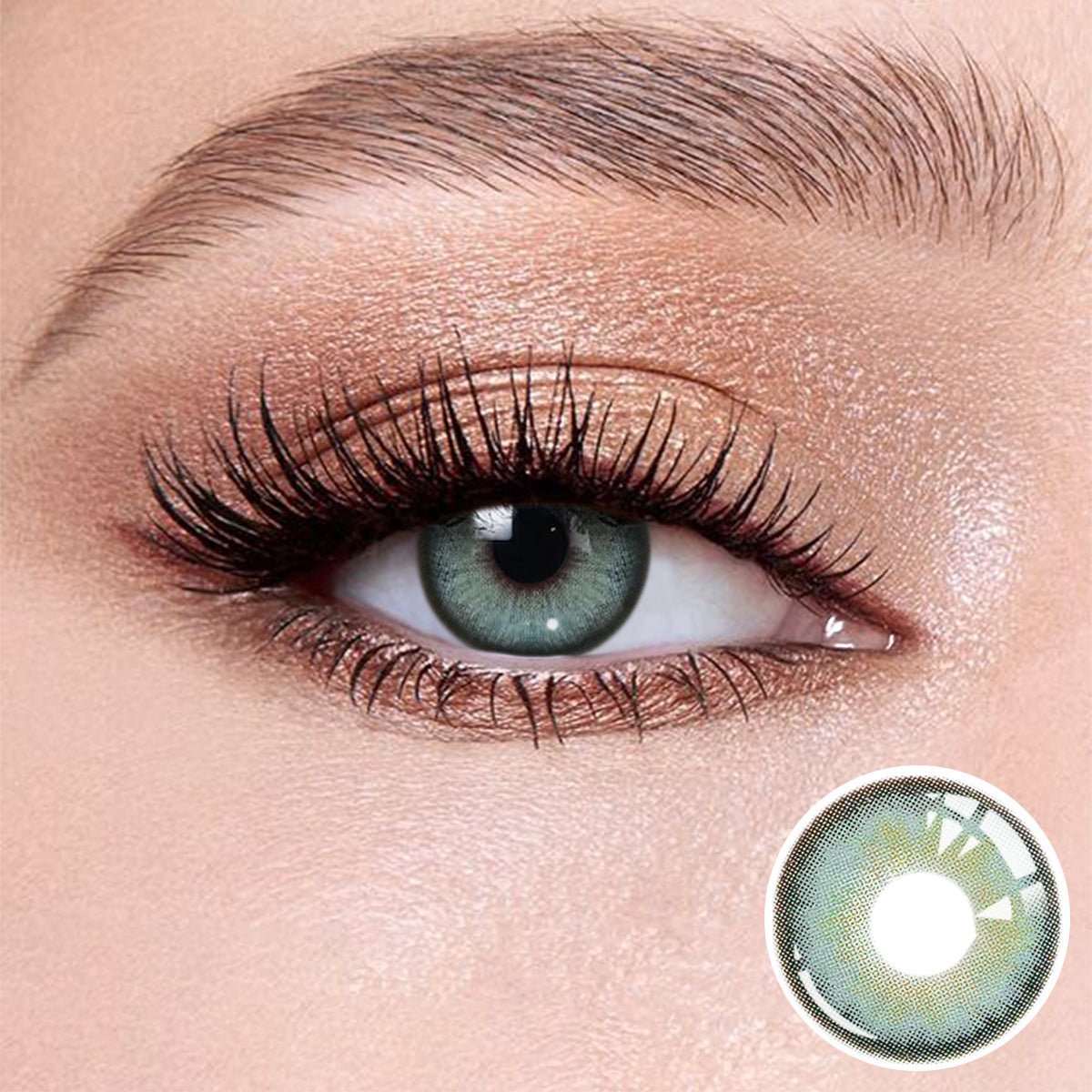
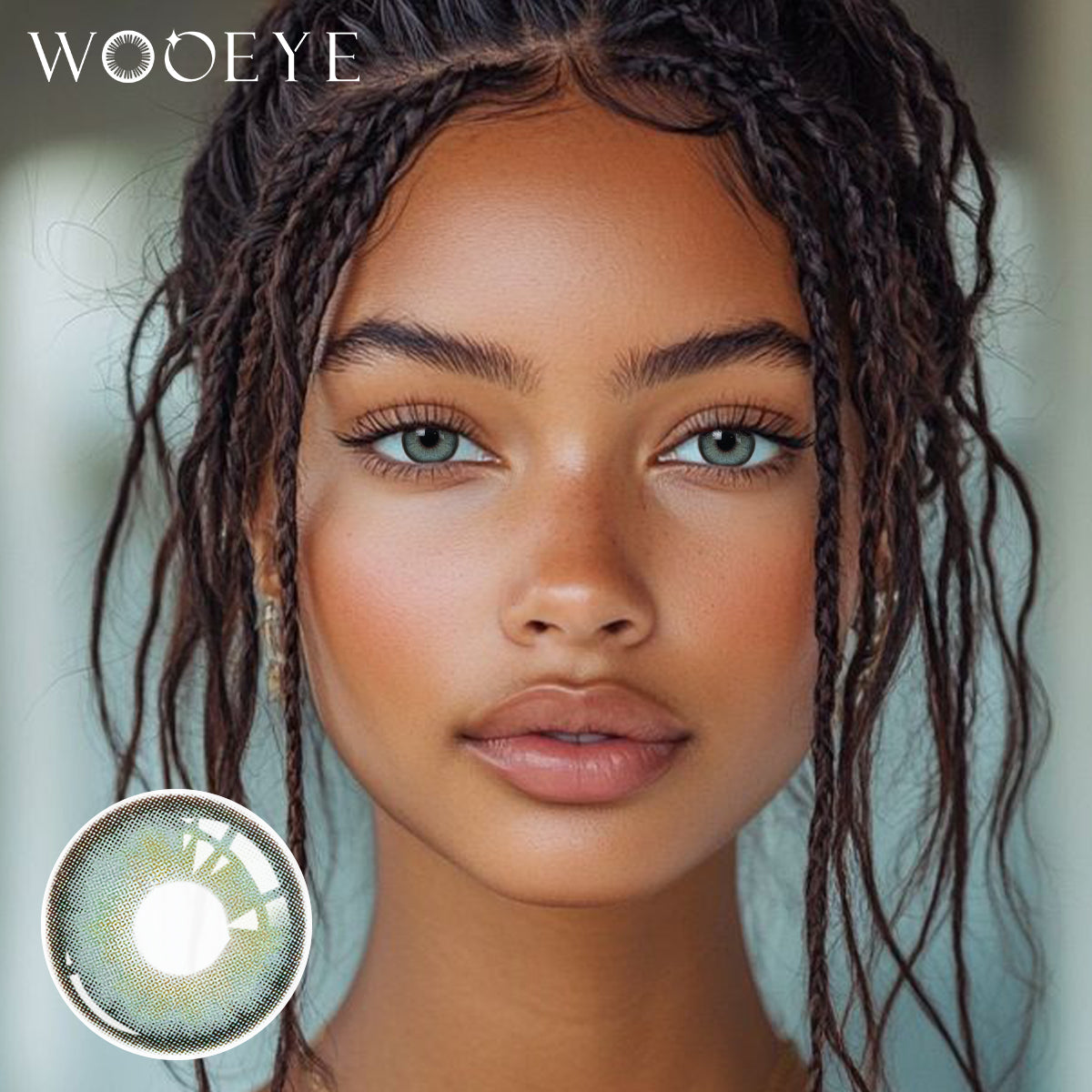
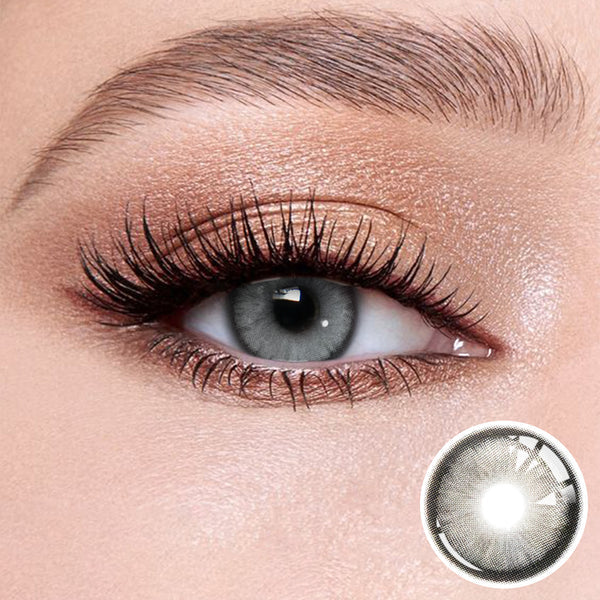
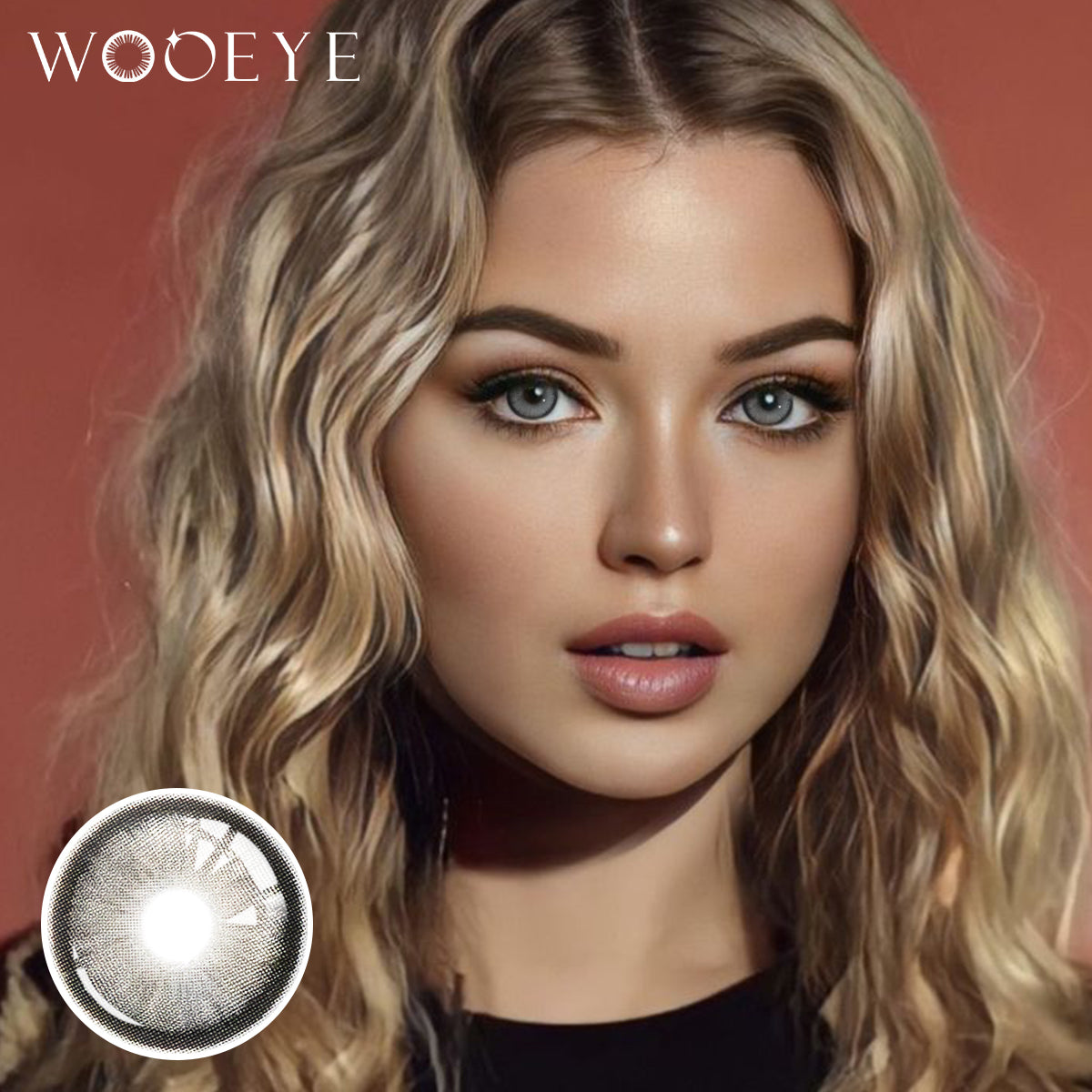
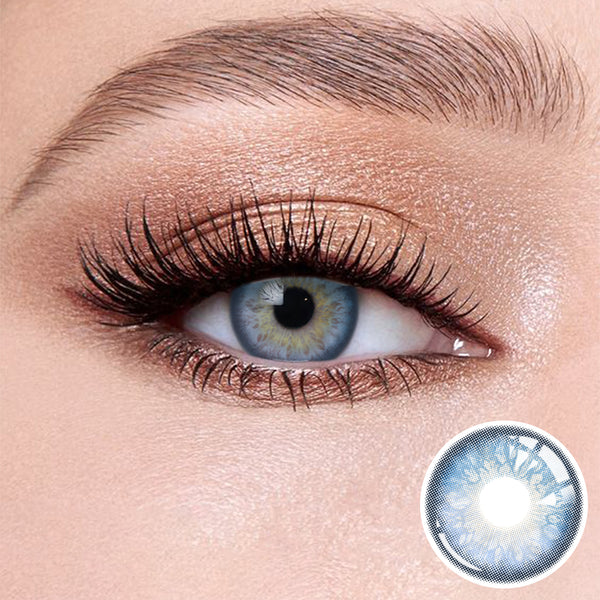
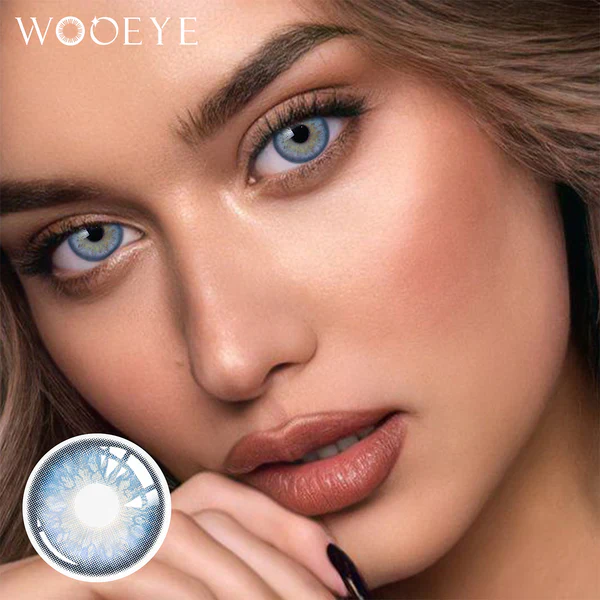
The difference between natural and dramatic colored contacts is mainly the intensity of the color, iris pattern, opacity, and how much the lens changes your original eye appearance.
Natural colored contact lenses usually use softer colors, subtle gradients, and more detailed iris patterns. Dramatic colored contacts tend to use stronger contrast, brighter colors, larger visual effects, or more noticeable outer rings.
Neither style is inherently better. The right choice depends on the look you want, where you'll wear them, and how much you want your eye color to change.
If you need vision correction, prescription lenses can be made in both natural and more noticeable color styles.
Modern colored contact lenses are designed for comfort and safety.
What Is the Difference Between Natural and Dramatic Colored Contacts?
Think of the difference as a spectrum rather than two completely separate categories.
Natural colored contacts
The goal is usually:
"Maybe my eyes naturally look like this."
They often feature:
- Subtle color changes
- Multiple iris tones
- Softer limbal rings
- Gradual color transitions
- Less opaque patterns
- Smaller visual changes
Common natural shades include:
- Warm brown
- Hazel
- Honey
- Olive
- Soft gray
Dramatic colored contacts
The goal is more:
"I want people to notice my eyes."
They may feature:
- High-contrast colors
- Brighter blue, green, or gray
- More defined outer rings
- Larger visual effects
- Stronger opacity
- Fantasy-inspired patterns
Dramatic lenses can work particularly well for parties, photoshoots, cosplay, concerts, or fashion looks.
Which Colored Contacts Look More Natural?
A natural appearance usually comes from pattern and color variation, not simply choosing a "natural" color.
Your real iris isn't one solid shade.
It may contain:
- Darker areas near the pupil
- Radial lines
- Multiple shades
- Uneven color distribution
- A darker outer edge
A well-designed pair of colored contact lenses can imitate some of these characteristics.
For example, a brown lens with several warm tones can look more natural than a completely flat brown lens.
The same principle applies to hazel, olive, gray, and green.
Natural Colored Contacts: Best for Everyday Wear
Natural lenses are particularly easy to incorporate into an everyday wardrobe.
Brown
Warm and understated. Brown works well with minimal makeup, neutral clothing, and professional outfits.
Hazel
A little more noticeable while still looking believable. Hazel can bring together brown, green, and golden tones.
Olive
Subtle but distinctive. Olive can work especially well with neutral or earth-tone styling.
Soft Gray
Creates more contrast without necessarily looking artificial. A softer gray can work well for a cooler, minimalist aesthetic.
Dramatic Colored Contacts: When More Is the Point
Sometimes you don't want subtle.
Dramatic colored contact lenses can be useful when the goal is to create a recognizable visual transformation.
They can work well for:
- Halloween
- Cosplay
- Concerts
- Editorial photography
- Fashion shoots
- Costume parties
- Creative makeup
- Social media content
A bright blue or emerald green lens can completely change the mood of a makeup look.
The key is understanding that dramatic lenses are designed to be noticed.
Can Prescription Colored Contacts Be Natural or Dramatic?
Yes.
Prescription colored contacts can correct vision while changing eye color.
If you have myopia, prescription lenses can be available in different color styles depending on the product range.
For example, someone with a -4.00 prescription doesn't necessarily have to choose between:
clear contacts + no color
or
colored contacts + no vision correction.
Prescription colored contacts can combine both functions.
WOOEYE offers prescription colored contacts for myopia up to -8.00 diopters.
As always, the appropriate contact lens prescription and fit should be determined for the individual wearer.
Natural vs. Dramatic: Which One Should You Choose?
Instead of thinking about which style is "better," think about the situation.
| Situation | Natural Style | Dramatic Style |
|---|---|---|
| Work | ✓ | |
| School | ✓ | |
| Everyday errands | ✓ | |
| Brunch | ✓ | ✓ |
| Date night | ✓ | ✓ |
| Party | ✓ | |
| Concert | ✓ | |
| Cosplay | ✓ | |
| Photoshoot | ✓ | ✓ |
| Halloween | ✓ |
Your makeup and outfit can also shift the balance.
A dramatic lens with dramatic makeup can create a strong overall effect.
A dramatic lens with minimal makeup can make the eyes the main focal point.
Material Science: HEMA Material, Oxygen Flow, and Sandwich Technology
Whether you choose a natural or dramatic color, the lens is still a contact lens. Color shouldn't be the only consideration.
HEMA Material
Many soft colored contact lenses use HEMA material, or Hydroxyethyl Methacrylate.
HEMA is a hydrogel material commonly used in soft contact lens manufacturing.
It can provide:
- Softness
- Flexibility
- Moisture retention
- Natural movement during blinking
WOOEYE uses HEMA material with approximately 40% water content in its colored lens designs.
However, HEMA material alone does not determine whether a lens is suitable for a particular person. Lens fit, prescription, wearing schedule, manufacturing quality, and eye condition also matter.
Oxygen Flow
The cornea needs oxygen from the surrounding environment.
Because a contact lens sits directly over the cornea, material and lens thickness influence oxygen transmission.
Material choice directly affects comfort and oxygen flow.
This is relevant whether you're wearing a subtle brown lens to the office or a dramatic gray lens for a concert.
Aesthetic design should never be considered separately from the basic requirements of contact lens wear.
Sandwich Technology
Color construction is particularly relevant when comparing different colored contact lenses.
With sandwich technology, the pigment is enclosed between transparent lens layers.
The basic concept is:
Transparent layer → color pigment → transparent layer
This construction is designed to:
- Enclose the pigment
- Maintain a smoother outer lens surface
- Create detailed iris patterns
- Support a natural-looking lens surface
The color pattern can still be dramatic while the pigment is enclosed within the lens structure.
Does a More Dramatic Lens Feel Different?
Not necessarily.
The visual intensity of a lens doesn't automatically tell you how comfortable it will be.
Comfort depends on factors such as:
- Lens material
- Lens fit
- Water balance
- Oxygen transmission
- Lens thickness
- Wearing time
- Individual eye sensitivity
A subtle brown lens isn't automatically more comfortable than a dramatic blue lens simply because it looks more natural.
Natural or Dramatic for Different Eye Colors?
Your starting eye color can influence the final effect.
Dark Brown Eyes
For a subtle change:
- Warm brown
- Hazel
- Olive
For a stronger transformation:
- Gray
- Blue
- Bright green
Light Brown Eyes
Natural options:
- Hazel
- Honey
- Olive
More dramatic options:
- Gray
- Blue
- Emerald
Hazel Eyes
You can emphasize different undertones with:
- Brown
- Olive
- Gray
- Green
Light Eyes
Subtle lenses can enhance your existing color, while stronger pigments can create a much more noticeable transformation.
NYC Style: Natural During the Day, Dramatic at Night
New York is probably one of the easiest places to switch between the two.
Picture a typical Saturday:
Coffee in SoHo → shopping downtown → apartment to change → dinner → rooftop drinks.
During the day, a warm brown or hazel lens can work with jeans, sneakers, and minimal makeup.
Later, you can switch to a more defined gray or green look for dinner.
That's the practical advantage of having different styles.
You don't need one eye color for every version of your life.
Day Look or Night Look — You Choose
Shop WOOEYE Colored Contacts
How to Make Dramatic Colored Contacts Look Less Artificial
If you like dramatic colors but don't want a costume effect, pay attention to the pattern.
Look for:
- Multiple color tones
- Gradual transitions
- Detailed iris patterns
- A realistic pupil area
- Moderate outer-ring definition
For example, instead of a completely flat emerald-green lens, a green lens with darker radial details and subtle brown undertones may create a more dimensional result.
How to Make Natural Colored Contacts More Noticeable
If natural lenses feel too subtle, you don't necessarily need to jump straight to an extremely bright color.
Try increasing contrast gradually.
For example:
Brown → Hazel → Olive → Gray
This gives you progressively more visible changes while keeping the overall style relatively wearable.
A Note About WOOEYE
WOOEYE focuses on comfort + natural + safe + prescription-ready colored contacts.
Its colored contact lenses use HEMA material, approximately 40% water content, and sandwich technology, with the pigment enclosed within the lens structure.
WOOEYE also offers prescription lenses for myopia up to -8.00 diopters, allowing people who need vision correction to explore both subtle and more noticeable eye-color styles.
For an everyday starting point, try WOOEYE brown colored contacts. Brown is easy to style and can work as a starting point before experimenting with stronger colors.
FAQ: Natural vs. Dramatic Colored Contacts
Are natural colored contacts better for everyday wear?
Natural styles can be easier to integrate into everyday outfits because they tend to create a smaller visual change. However, the appropriate choice depends on personal preference and the specific lens.
Do dramatic colored contacts look fake?
Not necessarily. A dramatic color can still look detailed and dimensional. The overall effect depends on the color, opacity, iris pattern, pupil zone, and how the lens interacts with your natural eye color.
Can I get dramatic colored contacts with a prescription?
Some products offer prescription lenses in stronger color styles. The available prescription range varies by product.
What is the most natural colored contact lens color?
Brown, hazel, olive, and soft gray are commonly used for natural-looking effects. The final appearance depends heavily on your natural eye color and the lens pattern.
Can colored contacts change my eye color completely?
They can create a significant visual change, particularly when the lens has stronger opacity. The result depends on the starting eye color and the specific lens design.
Natural and dramatic colored contacts serve different purposes.
Choose a natural style when you want:
- Subtle enhancement
- Everyday wear
- A believable iris effect
- Easy styling
Choose a dramatic style when you want:
- Stronger contrast
- A noticeable transformation
- Photography or fashion impact
- Cosplay or creative makeup
Whichever direction you choose, evaluate the complete colored contact lenses — not just the color.
Consider the HEMA material, water content, oxygen flow, sandwich technology, prescription availability, fit, and wearing instructions.
Modern colored contact lenses are designed for comfort and safety.
And if you need vision correction, prescription lenses mean you don't necessarily have to choose between seeing clearly and changing your eye color.
Natural or Dramatic — Find Your Style
Shop WOOEYE Colored Contacts
HEMA material, sandwich technology, prescription up to -8.00 — natural and bold shades for every occasion.