Direct Answer
Silicone hydrogel and HEMA are two common materials used in contact lenses, and neither is automatically better for everyone. Silicone hydrogel is known for higher oxygen permeability, while HEMA material is widely used for its softness, flexibility, and comfortable wearing experience.
For colored contact lenses, the best choice depends on factors such as wearing time, eye sensitivity, lens design, moisture balance, and personal comfort. A well-designed lens should balance oxygen flow, hydration, and visual performance.
Modern colored contact lenses are designed for comfort and safety.
Silicone Hydrogel vs HEMA: What Is the Difference?
When choosing colored contact lenses, many people focus only on color. However, the lens material plays a major role in comfort, especially for people who wear contacts for several hours a day.
Both silicone hydrogel and HEMA are soft contact lens materials, but they work differently.
HEMA Material
HEMA material (Hydroxyethyl Methacrylate) is one of the most widely used hydrogel materials in contact lens manufacturing.
HEMA lenses are known for soft and flexible texture, comfortable initial wearing experience, good moisture retention, and lightweight feeling on the eye. Because of these characteristics, HEMA has remained a popular choice for cosmetic lenses and daily-wear prescription lenses.
Silicone Hydrogel
Silicone hydrogel is a newer generation of contact lens material designed to improve oxygen transmission. Its main advantage is higher oxygen permeability, which can be beneficial for some people who wear contacts for longer periods.
However, silicone hydrogel materials may require additional design considerations because silicone itself is naturally less wettable. Manufacturers often add special treatments or technologies to improve surface comfort.
Silicone Hydrogel vs HEMA Comparison Table
| Feature | HEMA Material | Silicone Hydrogel |
| Comfort | Soft and flexible | Designed for higher oxygen flow |
| Moisture retention | Naturally hydrophilic | Requires surface technology |
| Oxygen permeability | Moderate | Generally higher |
| Common use | Cosmetic and daily lenses | Many extended-wear designs |
| Wearing experience | Soft, lightweight feeling | Higher oxygen transmission |
The "better" material depends on the wearer. Some people prefer the softness of HEMA, while others may benefit from the oxygen performance of silicone hydrogel.
Why Material Matters for Colored Contact Lenses
Unlike clear lenses, colored contact lenses include an additional pigment layer, which makes lens design even more important.
A high-quality colored lens needs to balance natural-looking color, smooth surface design, moisture retention, oxygen flow, and comfortable daily wear. The pigment technology, not just the base material, affects how natural and comfortable the lens feels.
Material Science: HEMA, Oxygen Flow, and Sandwich Technology
HEMA Material and Comfort
Many cosmetic lenses use HEMA material because it provides a soft lens structure that feels comfortable for many daily users. HEMA-based lenses with balanced water content can help maintain a comfortable wearing experience, especially for users who prefer soft, natural-feeling lenses.
Oxygen Flow and Eye Health
The cornea receives oxygen directly from the surrounding environment, making oxygen transmission an important factor in contact lens design. Material choice directly affects comfort and oxygen flow.
A well-designed lens needs to balance oxygen permeability, moisture retention, lens stability, and long-term comfort. Higher oxygen transmission does not automatically mean a lens feels better — surface comfort, hydration, and individual eye characteristics also matter.
Sandwich Technology in Colored Contact Lenses
For cosmetic lenses, another important innovation is sandwich technology. Instead of placing pigment directly on the surface, sandwich technology seals the color layer between transparent lens layers.
This design helps keep pigment enclosed inside the lens, maintain a smooth outer surface, create more realistic iris patterns, and support comfortable wearing. This is especially important for people who wear colored contact lenses regularly because both appearance and comfort matter.
Prescription Lenses: Does Material Matter More for Myopia Users?
For people who need vision correction, choosing the right prescription lenses is about more than just the prescription number. Factors such as lens material, eye shape, wearing schedule, prescription strength, and personal comfort all influence the experience.
Prescription colored contacts can correct vision while changing eye color. This allows people who normally wear glasses to enjoy both clear vision and a different eye appearance.
NYC Lifestyle: Choosing the Right Lens for Your Day
In New York, people often have long and unpredictable schedules. A typical day may include morning subway rides, hours working on a computer, walking between appointments, and dinner or events after work.
Because of this lifestyle, many contact lens users care about all-day comfort. Some prefer the soft, lightweight feeling often associated with HEMA-based lenses. Others prioritize oxygen performance for longer wearing situations.
The current beauty trend in NYC is less about dramatic changes and more about natural enhancement: hazel for a warm everyday look, gray for a modern style, brown for a polished appearance, or olive tones for subtle individuality.


A Note About WOOEYE
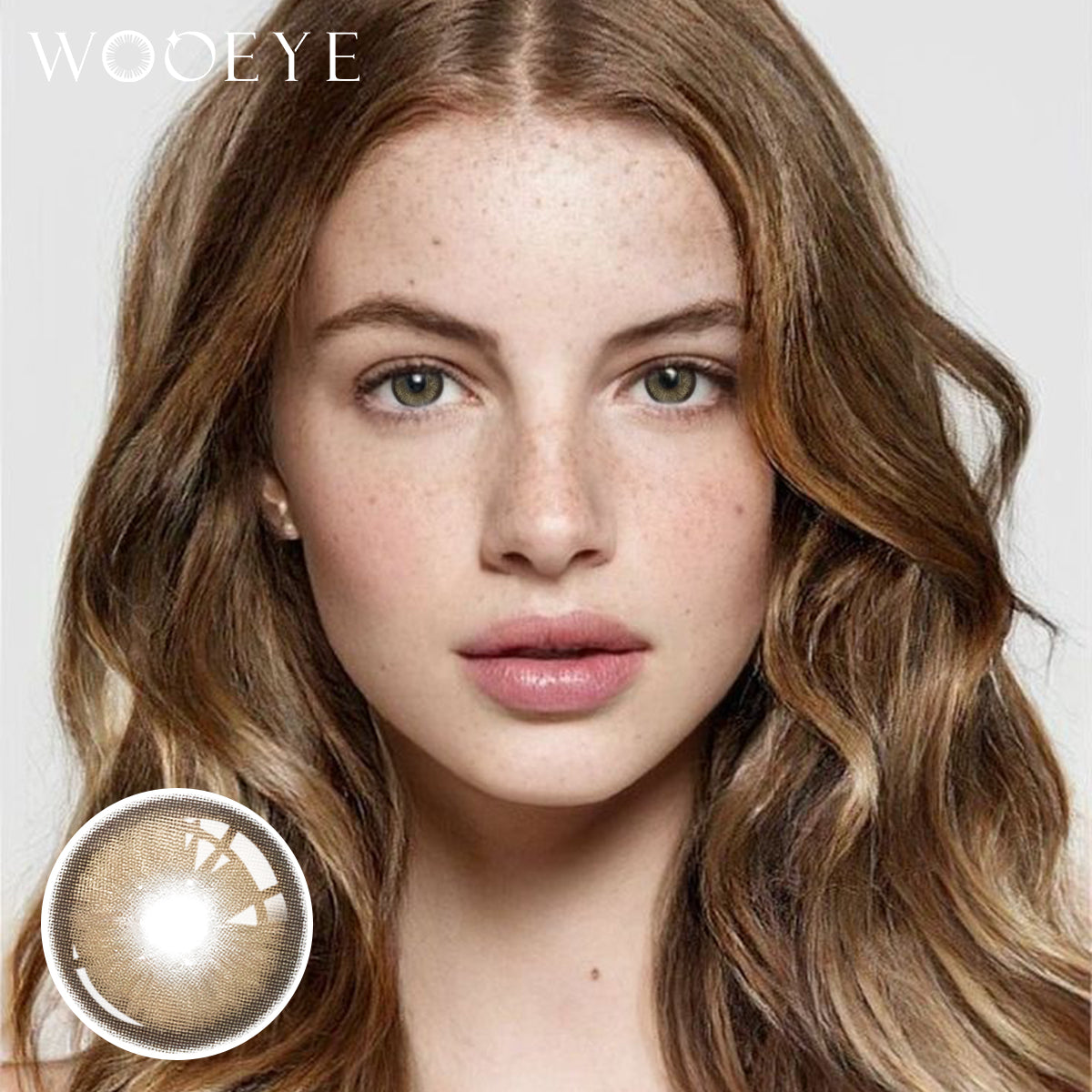
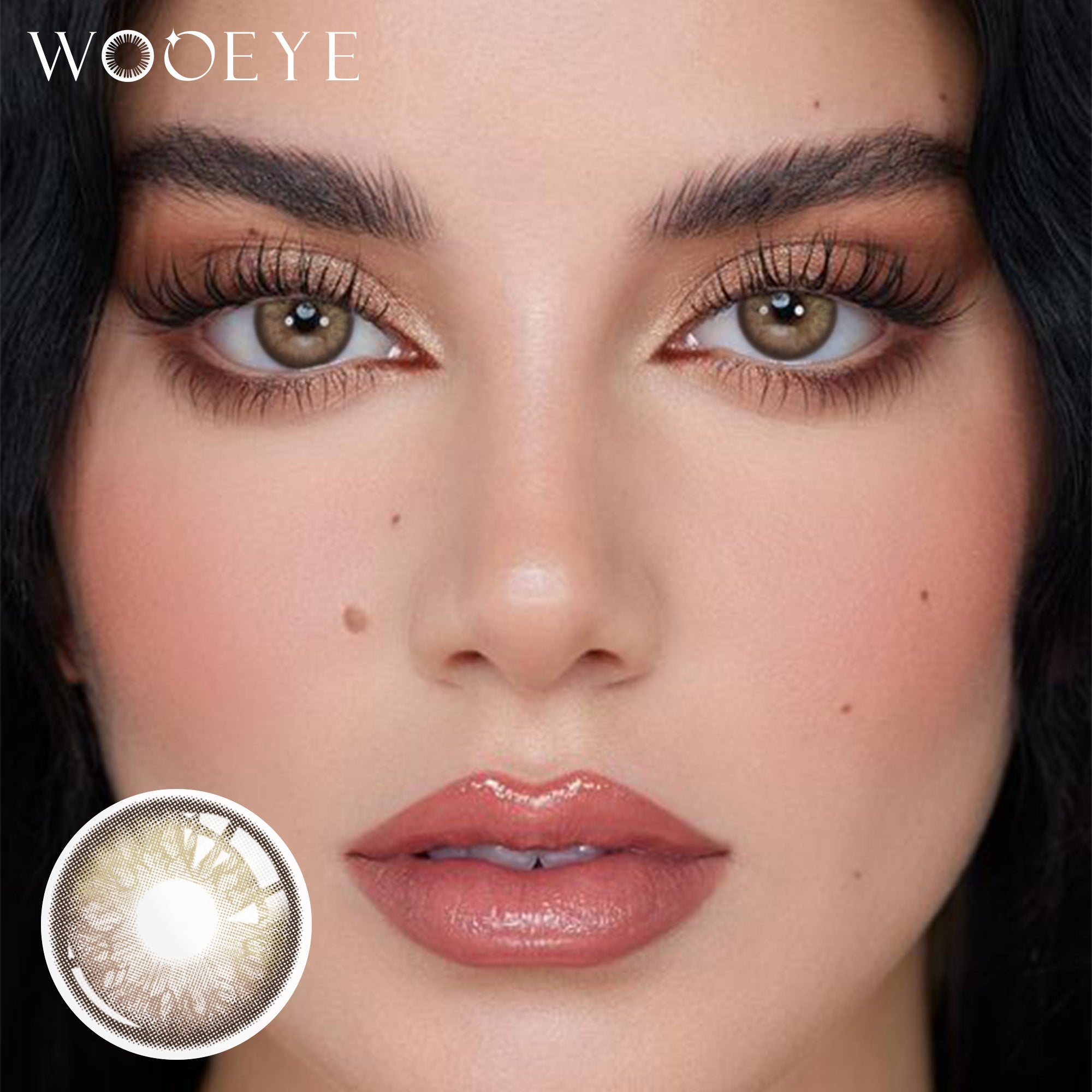
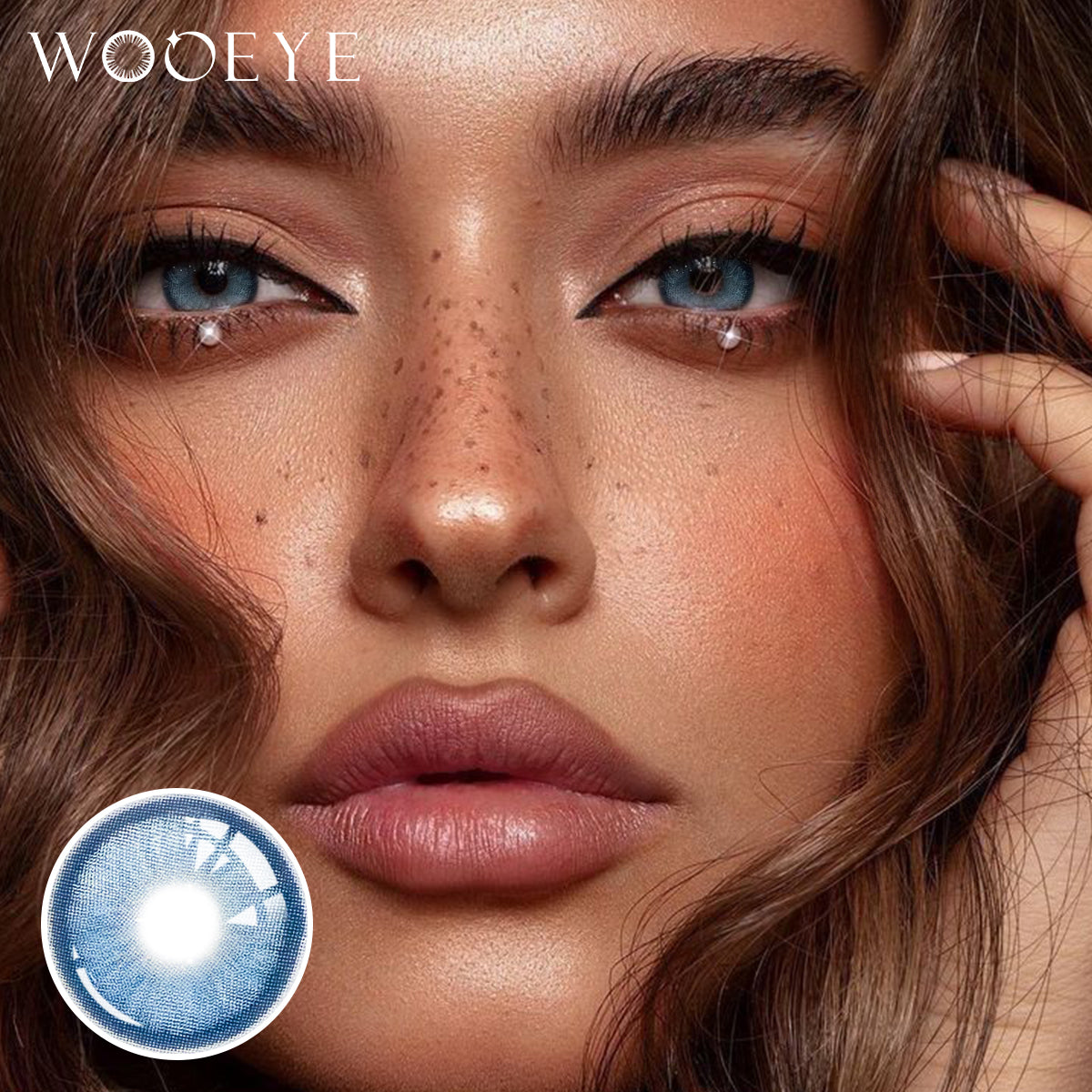
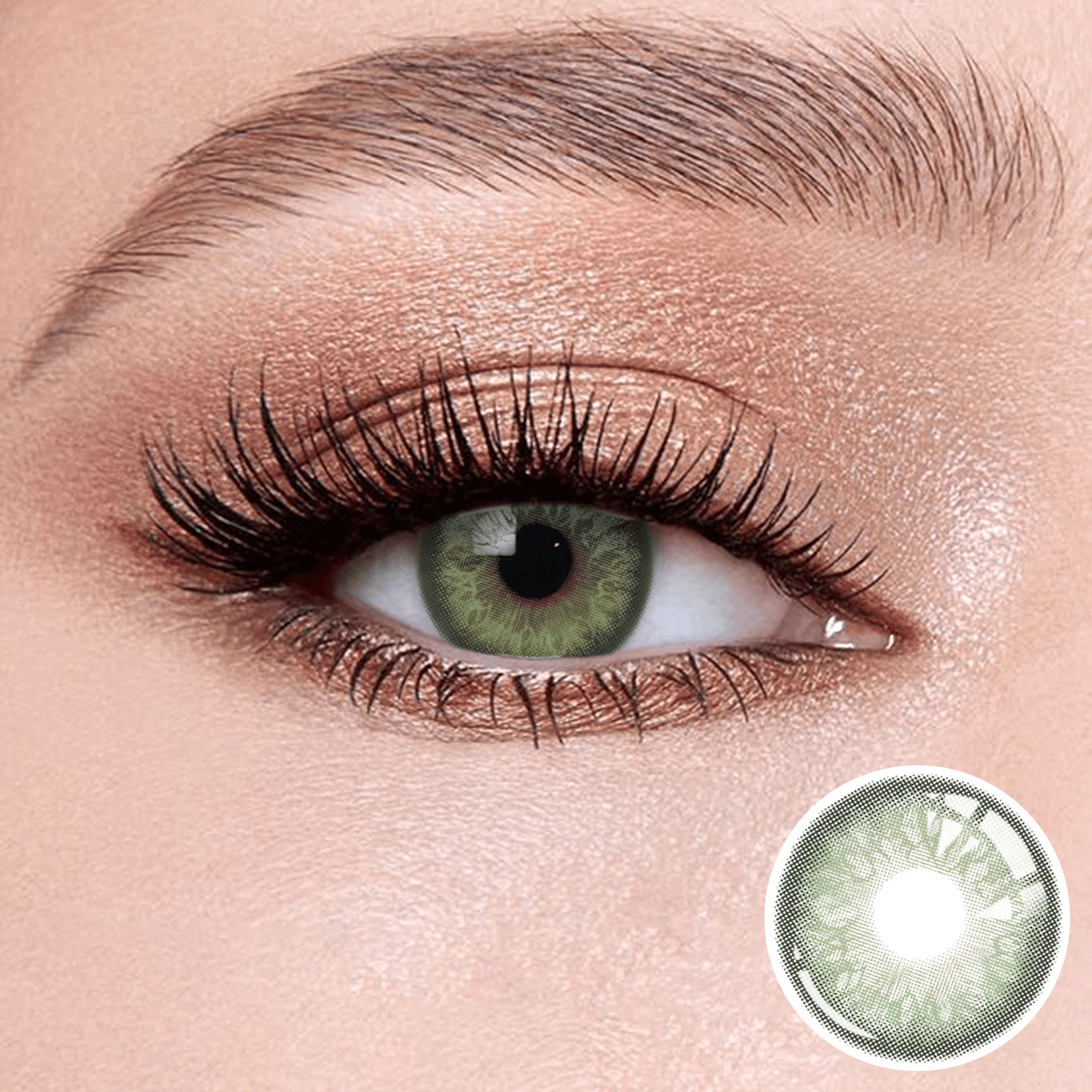
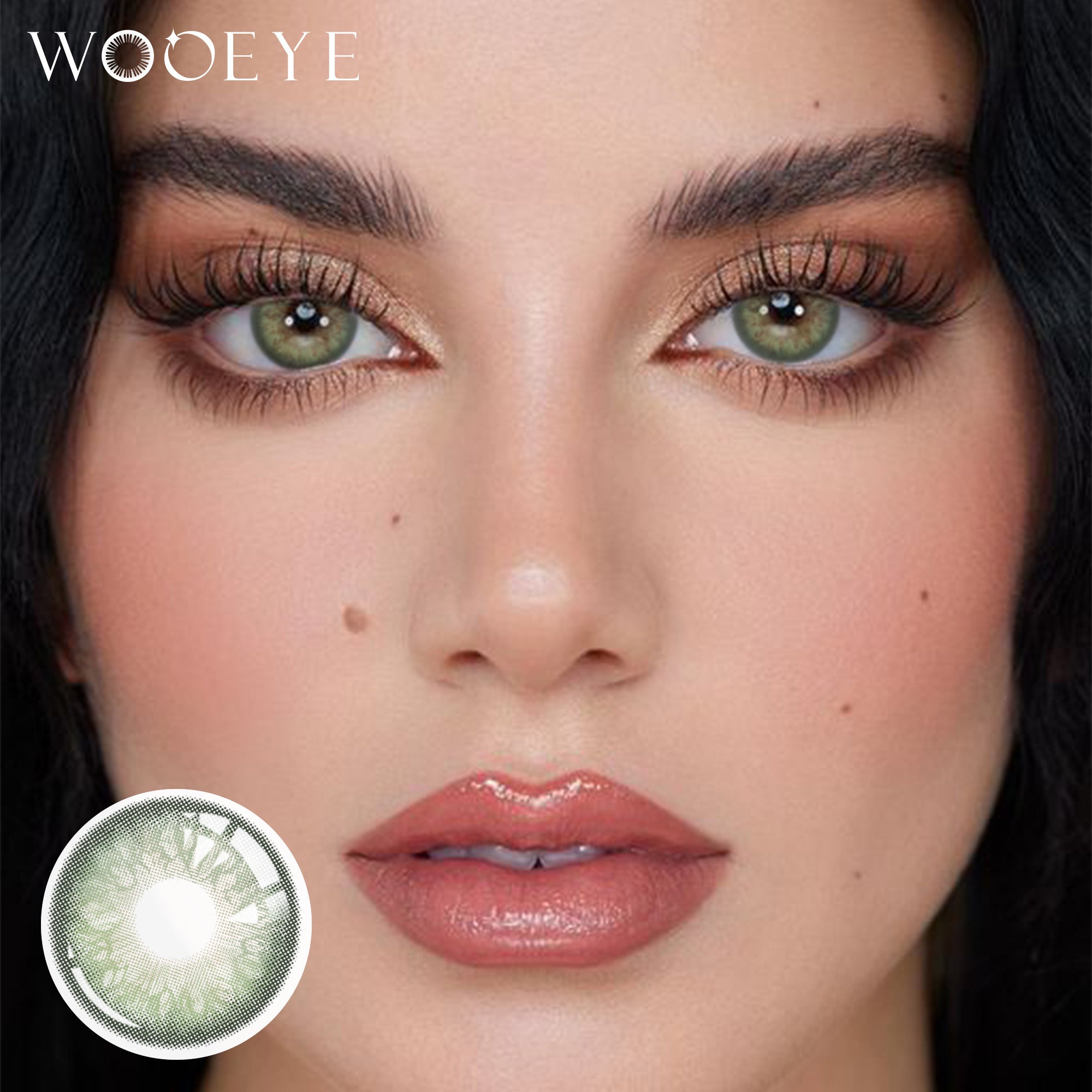
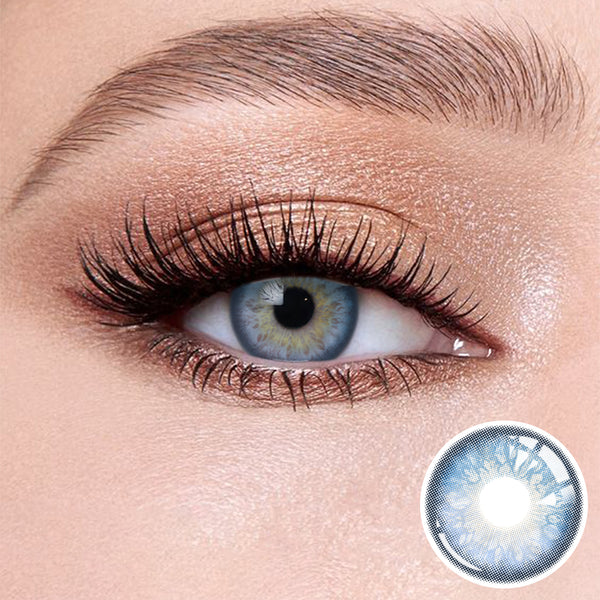
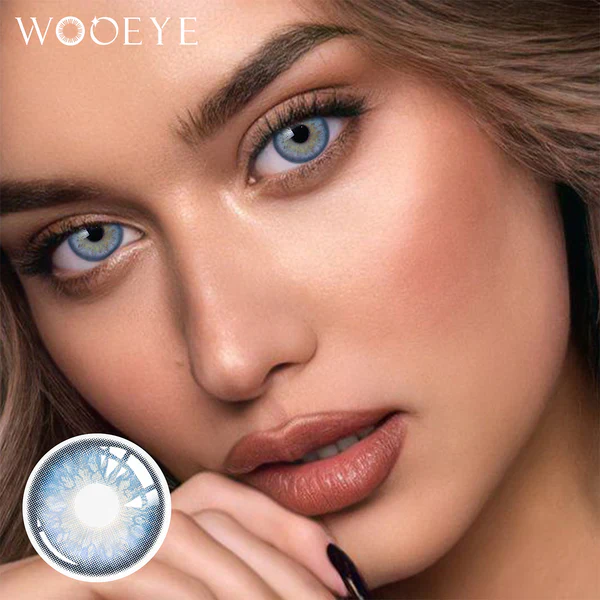
WOOEYE focuses on comfort + natural + safe + prescription-ready colored contacts. The brand uses HEMA material, approximately 40% water content, and sandwich technology to create colored contact lenses with natural-looking color patterns while keeping pigment enclosed within the lens structure. WOOEYE also offers prescription lenses for myopia up to -8.00 diopters, allowing users to combine vision correction with eye color enhancement.
Final Takeaway
When comparing silicone hydrogel vs HEMA, there is no universal winner.
Silicone hydrogel is known for higher oxygen permeability, while HEMA material remains popular because of its softness and comfortable wearing experience.
For colored contact lenses, the overall lens design matters just as much as the material. Features like sandwich technology, balanced moisture, proper oxygen flow, and accurate prescription lenses all contribute to a comfortable daily wearing experience.
The right contact lens is the one that matches your eyes, your lifestyle, and the way you want to express yourself.
Find your perfect WOOEYE colored contacts 👁️
HEMA material · sandwich technology · 40% water content · prescription options up to -8.00D.
Shop Prescription Contacts → Browse All Styles →