Yes, colored contact lenses can contribute to eye infections if they are contaminated, poorly fitted, worn incorrectly, or not cared for properly. The risk is not because a contact lens is colored by itself. The important factors are lens quality, hygiene, fit, wearing habits, and how the lens is manufactured.
Modern colored contact lenses are designed for comfort and safety.
For people who need vision correction, properly fitted prescription lenses can combine clear vision with cosmetic color. Prescription colored contacts can correct vision while changing eye color.
If your eye becomes painful, unusually red, very sensitive to light, or your vision changes while wearing contacts, remove the lenses and seek prompt professional eye care.
Can Colored Contacts Cause an Eye Infection?
They can, particularly when contact lenses are handled or worn improperly.
Contact lenses sit directly on the surface of your eyes. That means bacteria, fungi, or other microorganisms can potentially become trapped between the lens and the eye.
Common situations that can increase infection risk include:
-
Touching lenses with unwashed hands
-
Sleeping in lenses when they are not approved for overnight wear
-
Wearing lenses longer than recommended
-
Reusing lenses beyond their replacement schedule
-
Using contaminated lens solution
-
Sharing contact lenses
-
Wearing damaged lenses
-
Buying lenses from sources with unclear manufacturing information
So the key question isn’t simply whether you are wearing colored contact lenses.
It is whether the lenses are properly manufactured, properly fitted, properly handled, and properly cared for.
What Are the Warning Signs of an Eye Infection?
If you wear colored contact lenses, pay attention to changes in your eyes.
Potential warning signs include:
-
Significant redness
-
Increasing eye pain
-
Unusual discharge
-
Strong light sensitivity
-
Swelling
-
Sudden blurred vision
-
A persistent feeling that something is stuck in the eye
Mild dryness can have many causes, but significant or worsening symptoms should not be ignored.
If you develop concerning symptoms, remove your contacts and contact an eye-care professional promptly. Avoid putting the lenses back in until you have been advised that it is safe to do so.
Why Does Contact Lens Hygiene Matter So Much?
Your hands are one of the most common ways microorganisms can reach contact lenses.
Before handling your colored contact lenses:
-
Wash your hands with soap and water.
-
Dry them with a clean, lint-free towel.
-
Handle the lenses carefully.
-
Follow the manufacturer’s cleaning and storage instructions.
Never use tap water as a substitute for contact lens solution.
Also avoid:
-
Sharing lenses
-
Using someone else’s lens case
-
“Topping off” old solution
-
Wearing damaged lenses
-
Putting lenses in your eyes after they have been contaminated
Good lens hygiene is one of the simplest ways to reduce avoidable problems.
Can Cheap Colored Contacts Cause Infections?
Price itself does not determine whether colored contact lenses are safe.
A low-priced lens is not automatically dangerous, and an expensive lens is not automatically safer.
The bigger concern is whether the product comes from a reliable source and provides adequate information about:
-
Material
-
Manufacturing
-
Prescription options
-
Lens specifications
-
Wearing instructions
-
Replacement schedule
Be particularly cautious about products with unclear origins, missing product information, or unrealistic claims about eye safety.
Material Science: HEMA Material, Oxygen Flow, and Sandwich Technology
Lens material and construction are important parts of the overall wearing experience.
HEMA Material
Many soft colored contact lenses use HEMA material, or Hydroxyethyl Methacrylate, a hydrogel material commonly used in soft contact lens manufacturing.
HEMA material can provide:
-
Soft lens structure
-
Flexibility
-
Moisture retention
-
Natural movement during blinking
However, the material itself does not guarantee that a lens is appropriate for every wearer.
Manufacturing quality, lens design, fit, prescription, hygiene, and wearing habits all matter.
Oxygen Flow
The cornea needs oxygen from the surrounding environment.
A contact lens sits over the cornea, so the lens material and thickness affect how oxygen moves through the lens.
Material choice directly affects comfort and oxygen flow.
A well-designed lens needs to balance:
-
Oxygen transmission
-
Water content
-
Lens thickness
-
Surface characteristics
-
Wearing comfort
Poor hygiene and excessive wearing time can create problems even when the lens material itself is well designed.
Sandwich Technology
Colored lenses have another consideration: pigment placement.
With sandwich technology, the color pigment is enclosed between lens layers rather than being directly exposed on the outer surface.
This construction is designed to:
-
Enclose the pigment
-
Maintain a smoother lens surface
-
Create detailed iris patterns
-
Support a comfortable wearing experience
However, sandwich technology should not be interpreted as making a lens infection-proof. Proper hygiene and responsible wearing remain essential.
Can Prescription Colored Contacts Cause Infection?
Prescription colored contacts can correct vision while changing eye color.
But adding a prescription does not eliminate the normal risks associated with wearing contact lenses.
If you need vision correction, appropriate prescription lenses should be selected based on your actual contact lens prescription and fitting requirements.
A glasses prescription should not simply be copied onto a contact lens without considering whether it is appropriate for contact lens wear.
For stronger prescriptions, proper fitting becomes particularly important.
How to Reduce the Risk of Infection
A simple routine can make a big difference.
Before Wearing
-
Wash and dry your hands.
-
Check the lens for damage.
-
Make sure the lens is clean and properly stored.
While Wearing
-
Follow the recommended wearing schedule.
-
Avoid sleeping in lenses unless specifically approved.
-
Avoid exposing lenses to water.
-
Remove the lenses if they become painful or unusually irritating.
After Wearing
-
Follow the manufacturer’s cleaning instructions for reusable lenses.
-
Use fresh contact lens solution.
-
Replace your lens case as recommended.
-
Follow the lens replacement schedule.
Daily disposable lenses should be discarded after use rather than cleaned and reused.
NYC Lifestyle: When Your Eyes Need a Break
New York life can be rough on your eyes.
You might spend the morning underground on the subway, eight hours staring at a laptop, walk through a windy street downtown, and then head straight to dinner.
Air conditioning, heating, dry indoor air, and long screen sessions can all affect how your eyes feel.
For that reason, colored contact lenses should be treated as part of your eye-care routine, not just part of your outfit.
A natural brown or hazel lens can work for a day at the office, while gray or olive can add a little more personality for an evening out.
But if your eyes start feeling painful or unusually irritated, the best accessory is simple: take the lenses out.
A Note About WOOEYE
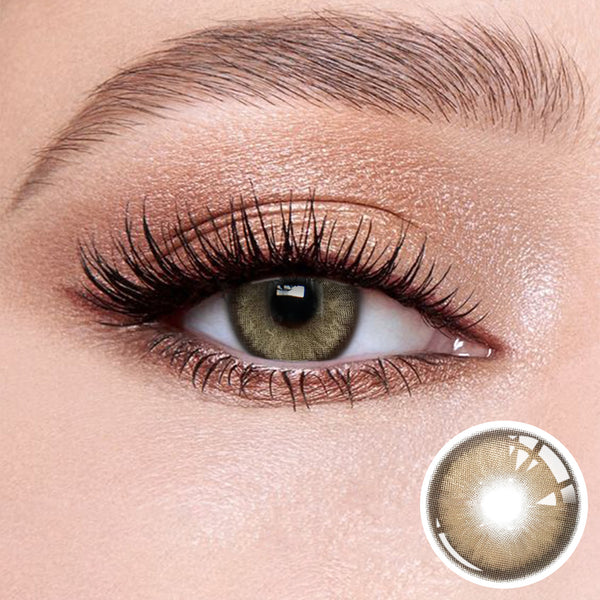
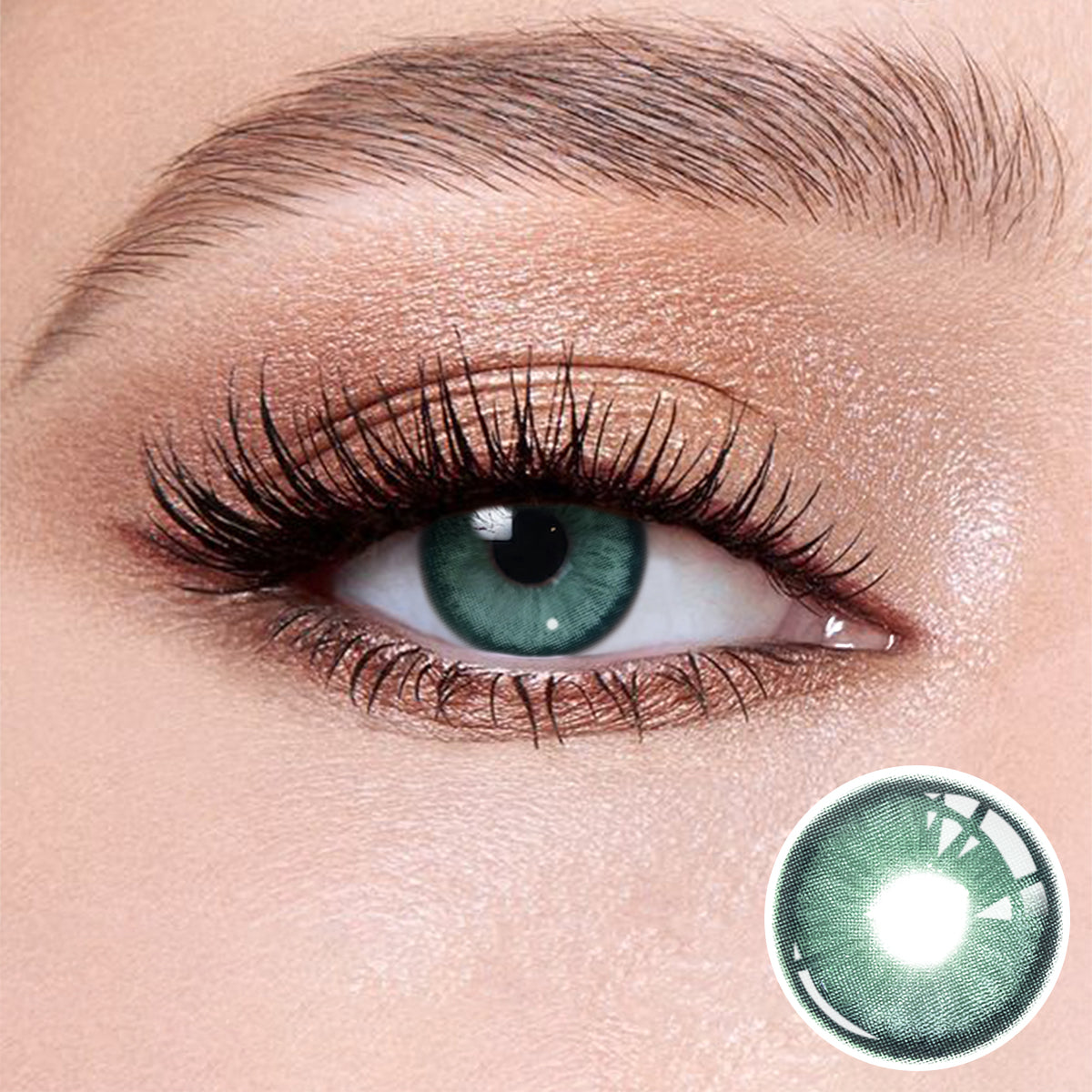
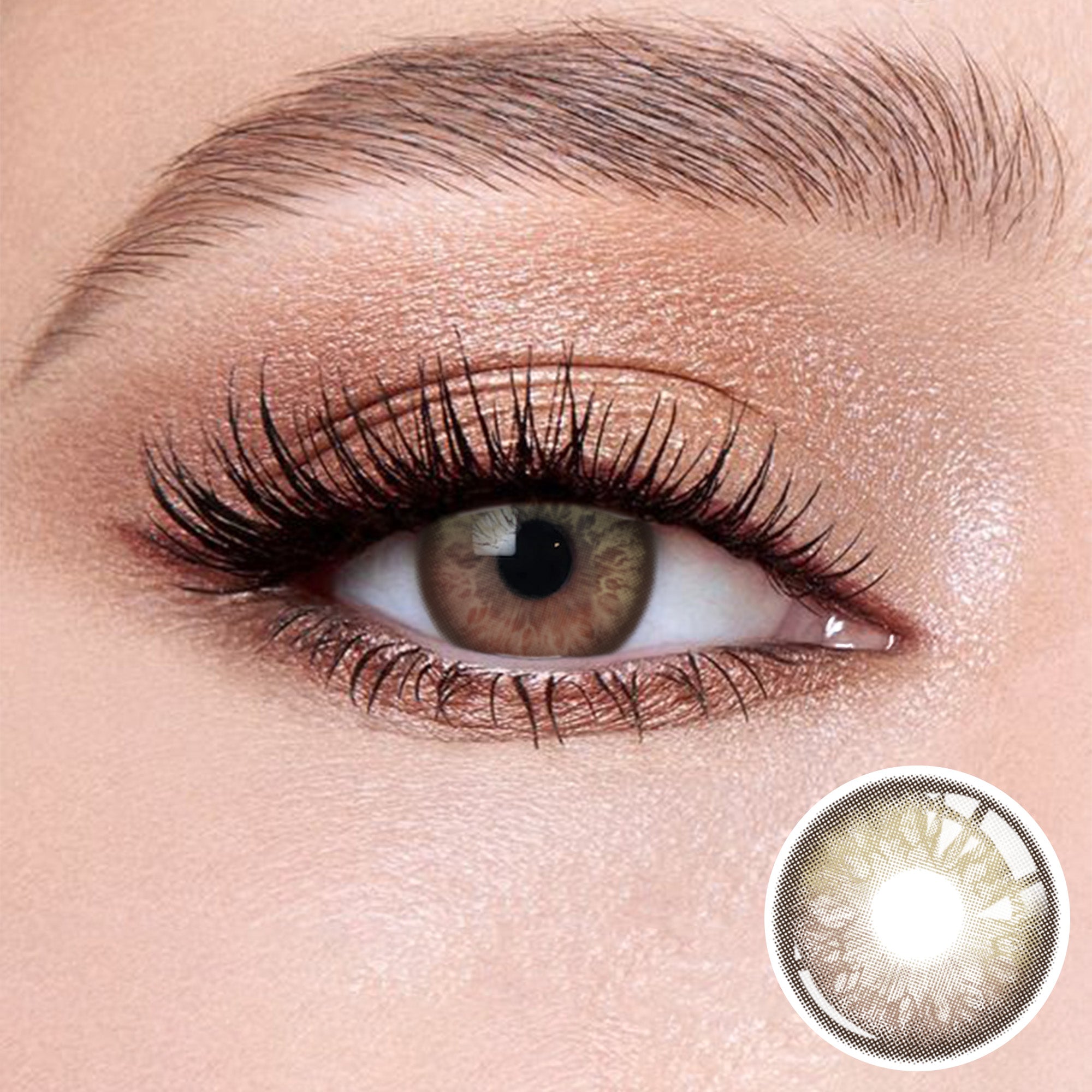
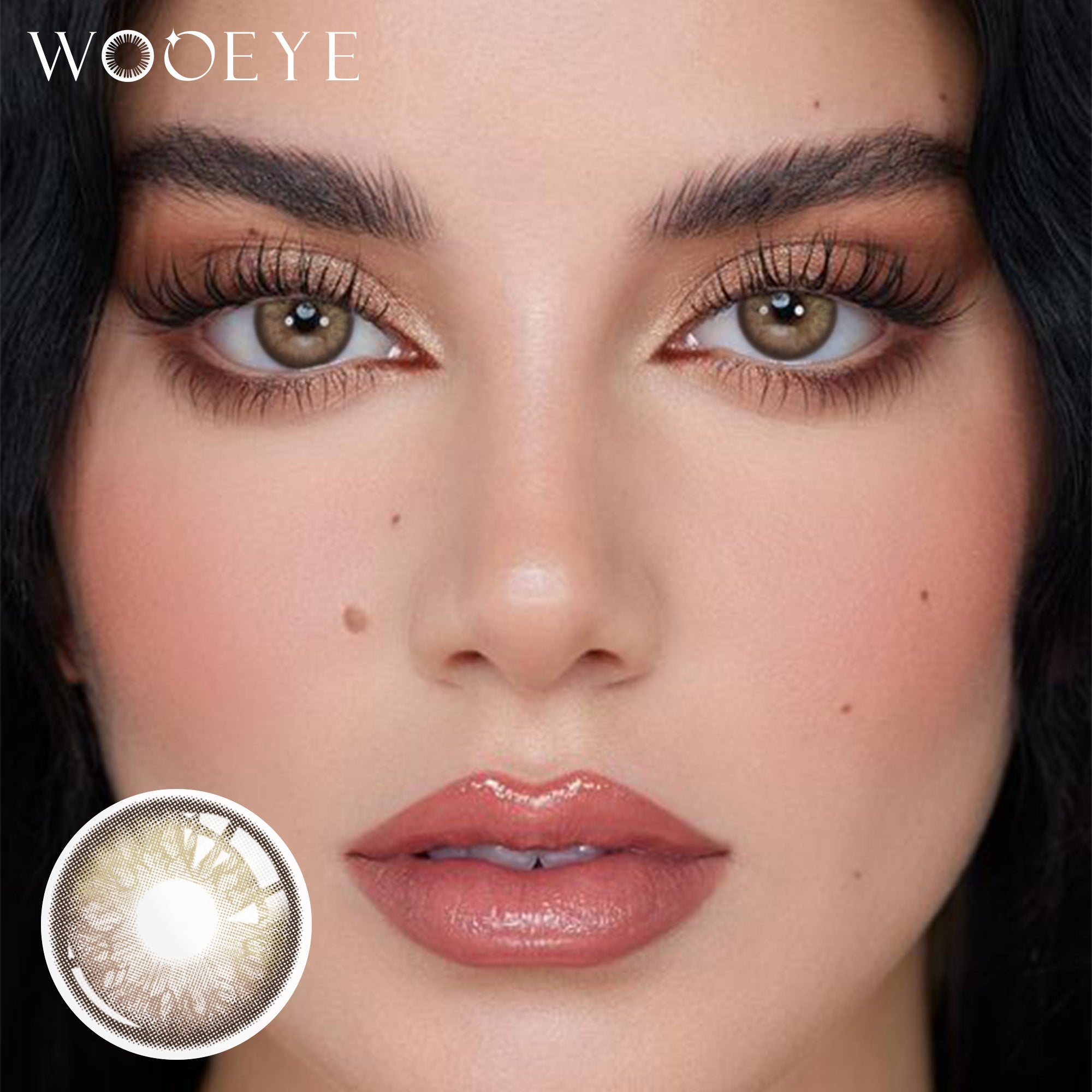
WOOEYE focuses on comfort + natural + safe + prescription-ready colored contacts.
The brand’s colored contact lenses use HEMA material, approximately 40% water content, and sandwich technology, which encloses the pigment within the lens structure.
WOOEYE also offers prescription lenses for myopia up to -8.00 diopters, giving users the option to combine vision correction with colored contacts.
The important point is that lens technology is only one part of safe contact lens use. Proper prescription, fitting, hygiene, storage, replacement, and wearing habits remain essential.
FAQ: Colored Contacts and Eye Infections
Can colored contacts cause pink eye?
Contact lens wear can be associated with eye infections and other eye problems, particularly when lenses are contaminated or worn incorrectly. If you develop significant redness, discharge, pain, light sensitivity, or vision changes, remove the lenses and seek professional eye care.
Can I wear colored contacts if my eyes are already red?
It is generally better not to continue wearing contacts when your eye is unexpectedly red or irritated. Remove the lens and determine the cause before wearing contacts again.
Are prescription colored contacts safer than cosmetic contacts?
A prescription does not automatically make a lens safer. The important factors include appropriate fitting, manufacturing quality, hygiene, and correct use.
Can I sleep in colored contacts?
Unless the specific lens is approved for overnight wear and your eye-care professional has advised you to do so, avoid sleeping in contact lenses.
Final Takeaway
Can colored contacts cause eye infection? Yes, but the risk is strongly influenced by how the lenses are made, fitted, handled, and worn.
Choosing reliable colored contact lenses is only the first step. Proper hygiene, correct prescription lenses, appropriate wearing time, and responsible replacement are just as important.
From a material perspective, HEMA material, oxygen flow, water balance, and sandwich technology all contribute to lens design, but no technology replaces good contact lens hygiene.
Modern colored contact lenses are designed for comfort and safety.
The safest approach is simple: choose appropriately fitted lenses, follow the manufacturer’s instructions, and never ignore significant eye pain, redness, discharge, light sensitivity, or changes in vision.
Start with a Lens You Can Trust
Try WOOEYE Brown Colored Contacts
HEMA material. Sandwich technology. Natural-looking shades.
Prescription options up to -8.00 — designed for safe, comfortable everyday wear.