

Blue hazel eyes are a captivating mix of two distinct tones — the serene depth of blue and the golden-green sparkle of hazel. This rare combination creates an ever-shifting appearance, influenced by light, clothing, and mood. Mysterious and photogenic, blue hazel eyes stand out with a soft yet vibrant allure that draws attention without effort. This article explores their genetics, rarity, visual traits, and the best ways to enhance their natural charm.
Blue hazel eyes meaning
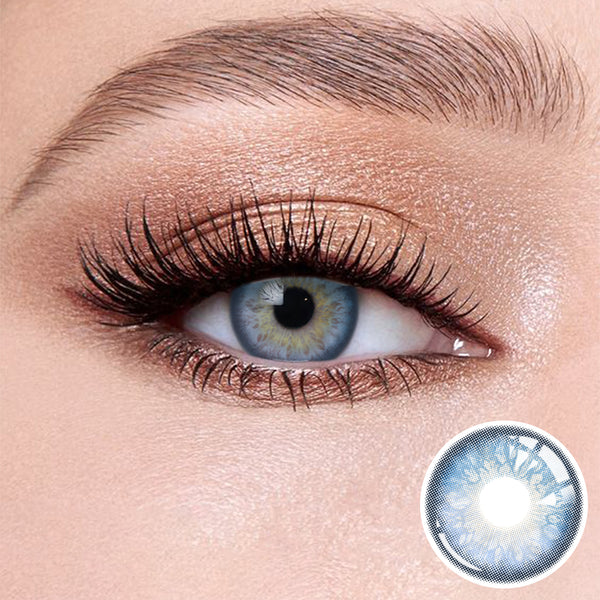
Blue hazel eyes are a rare and captivating eye color, characterized by a blue or blue-gray center of the iris that gradually transitions to brown, gold, or amber. Combining the clarity of blue with the warmth of brown, these eyes display rich depth and variation in different light, creating a sense of mystery and softness that is truly striking.
Blue Hazel Eye Features
Blue hazel eyes are a scarce and captivating eye color, appearing as a natural blend of blue, brown, or gold within the iris. This unique color combination creates a shifting effect in different lighting conditions, exhibiting cool and warm tones.
- Two-toned structure: The most striking characteristic is the distinct two-toned iris. The inner ring around the pupil is blue or blue-gray, while the outer ring appears brown or gold.
- Color changes with light: The brown portion becomes more prominent in bright light, appearing warm and bright; in dim light, the blue portion appears deeper and cooler.
- Unique visual effect: Combining the clarity and mystery of blue with the warmth and softness of brown, these eyes give those with them a deep, lustrous gaze.
The Scientific Causes of Blue Hazel Eyes
Polygenic Inheritance
Blue hazel eye color isn't determined by a single gene, but rather by the combined effects of multiple genes. These include genes that control melanin content (such as the OCA2 and HERC2 genes) and distribution. This combination of genes influences the type, distribution, and density of the pigment in the iris, resulting in a blend of blue and hazel — part of the same complex genetic process that shapes all hazel eye color variations.
Uneven Melanin Distribution
Unlike pure blue or hazel eyes, the melanin distribution in the iris of blue hazel eyes is uneven:
- Central areas contain more brown or yellow melanin, creating hazel patches or halos.
- Peripheral areas contain less melanin. Light passing through these areas scatters short-wavelength blue light due to "Rayleigh scattering," creating a visually blue appearance.
Lighting and Structural Color
The "color shift" effect of blue hazel eyes does not change their color. Instead, due to the refraction and scattering of light and the complexity of the iris's texture structure, the eye color appears different in different lighting environments.
Rarity of Blue Hazel Eyes
Blue hazel eyes are a rare eye color. Their rarity lies in the fact that they are not a single color, but instead require a unique combination of genes that control the uneven distribution of melanin in the iris, resulting in both a clear blue and a warm brown.
Population Percentage
Globally, blue hazel eyes account for less than 1%–2% of the population, making them a scarce eye color.
Global Distribution
- Europe: Blue hazel eyes are primarily found in Central, Eastern, and coastal Southern Europe, such as Germany, Poland, Northern Italy, and Greece.
- Middle East and North Africa: This eye color is occasionally seen in mixed-race populations in Lebanon, Syria, Turkey, and Morocco.
- North America and Australia: Due to significant European immigration, blue hazel eyes also occur in some American populations.
- Asia and Africa: Extremely rare unless there is genetic admixture.
The Cultural Significance of Blue Hazel Eyes
1. A Symbol of European Nobility
In medieval Europe, possessing rare eye colors (such as blue-hazel) was considered a sign of noble ancestry. Mixed eye colors often represented "superior genes from a mixed bloodline" and were believed to possess charisma and mysterious wisdom.
2. Imagery in Celtic and Norse Legends
In Celtic culture and Norse mythology, blue eyes symbolized the sky and divinity. At the same time, mixed colors with hazel hinted at the complex emotions of humanity. Legend has it that those with blue-hazel eyes were a bridge between "two worlds."”
3. Aesthetic Transformation in the United States in the Early 20th Century
In the early 20th century, with the rise of film, mixed-color eyes (especially blue hazel) stood out on screen due to the play of light and shadow, becoming "photography's favorite eye."
Blue Hazel Eyes Beauty Guide
1. Eyeshadow Color Recommendations
- Cool-toned bronze, rose gold, olive green, violet, and deep berry red can highlight hazel or gold flecks in the eyes.
- Cool-toned blue-gray or silver eyeshadow can enhance the blue base, making the eyes appear more transparent and brighter.
2. Eyeliner and Mascara
- Dark brown or purple eyeliner can enhance the depth of the eye color.
- Choose deep black or dark blue mascara to enhance the eyes and create a more three-dimensional look.
3. Blush and Lip Color Matching
- Peachy pink or berry blush can balance the eye color and create a natural look.
- Lip colors recommended include nude, velvety pink, and warm reddish brown.
Best Contact Lenses for Blue Hazel Eyes from Wooeye
Blue hazel eyes are defined by their two-toned structure — a cool blue or blue-gray center that transitions outward into warm brown, gold, or amber. Here are the top picks from Wooeye.
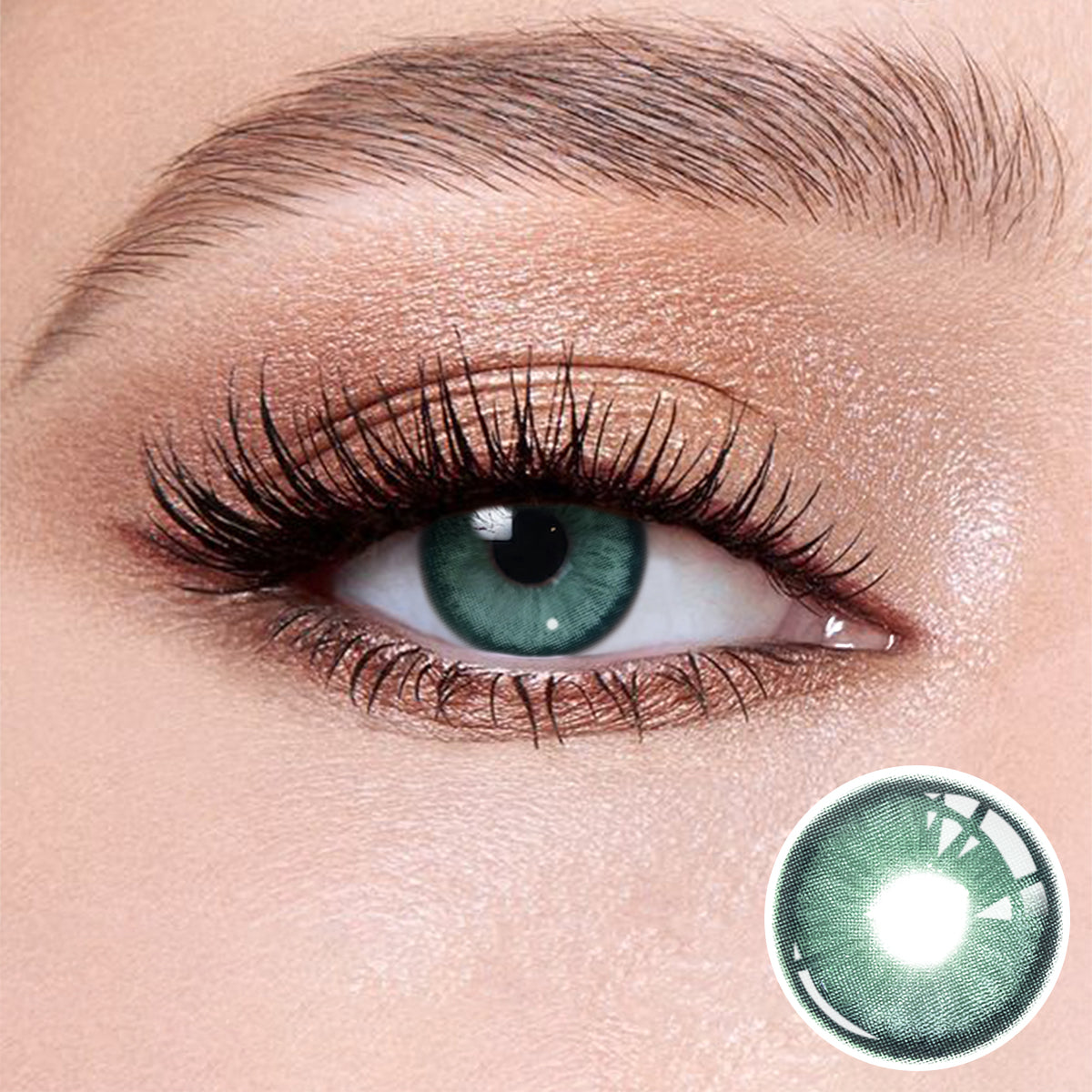
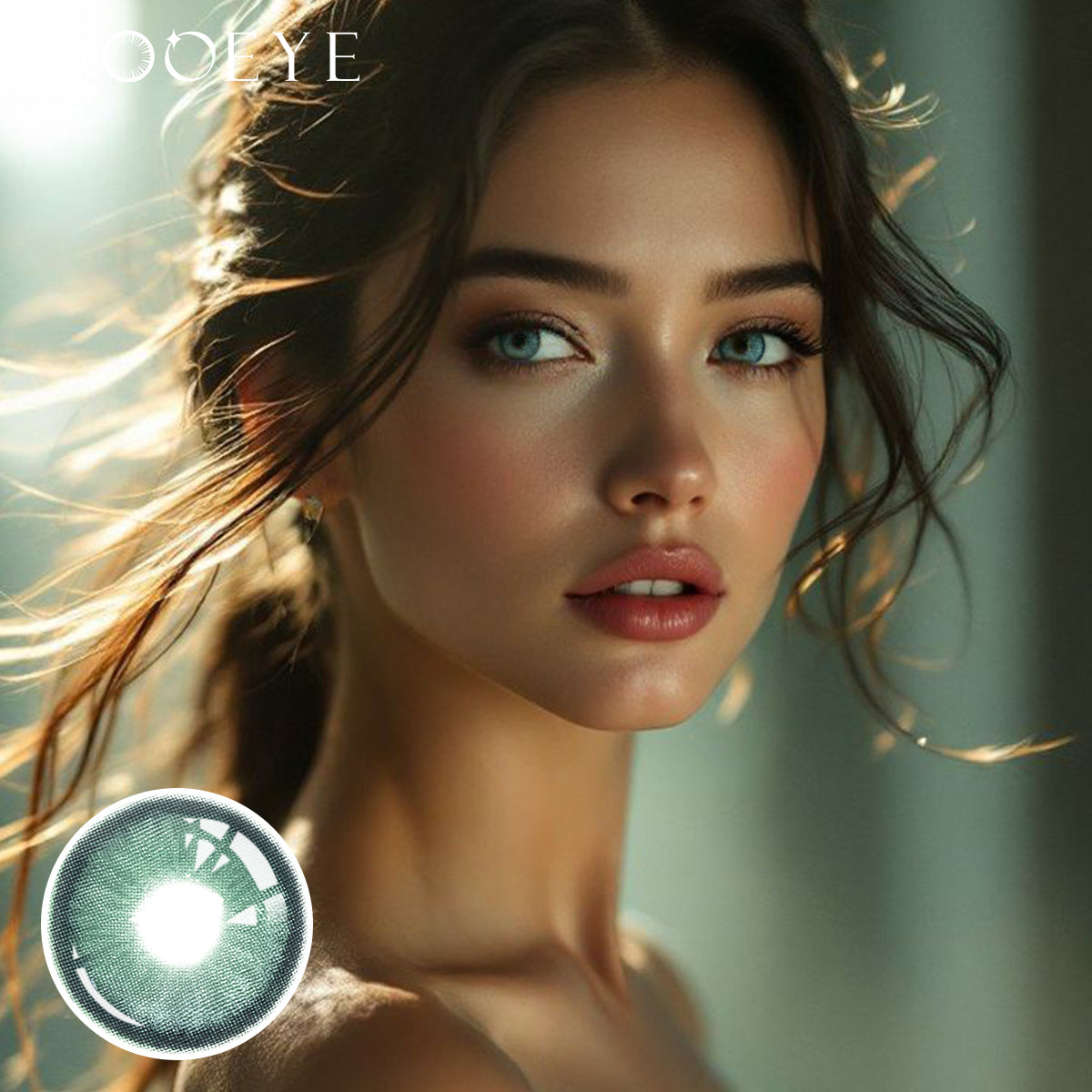
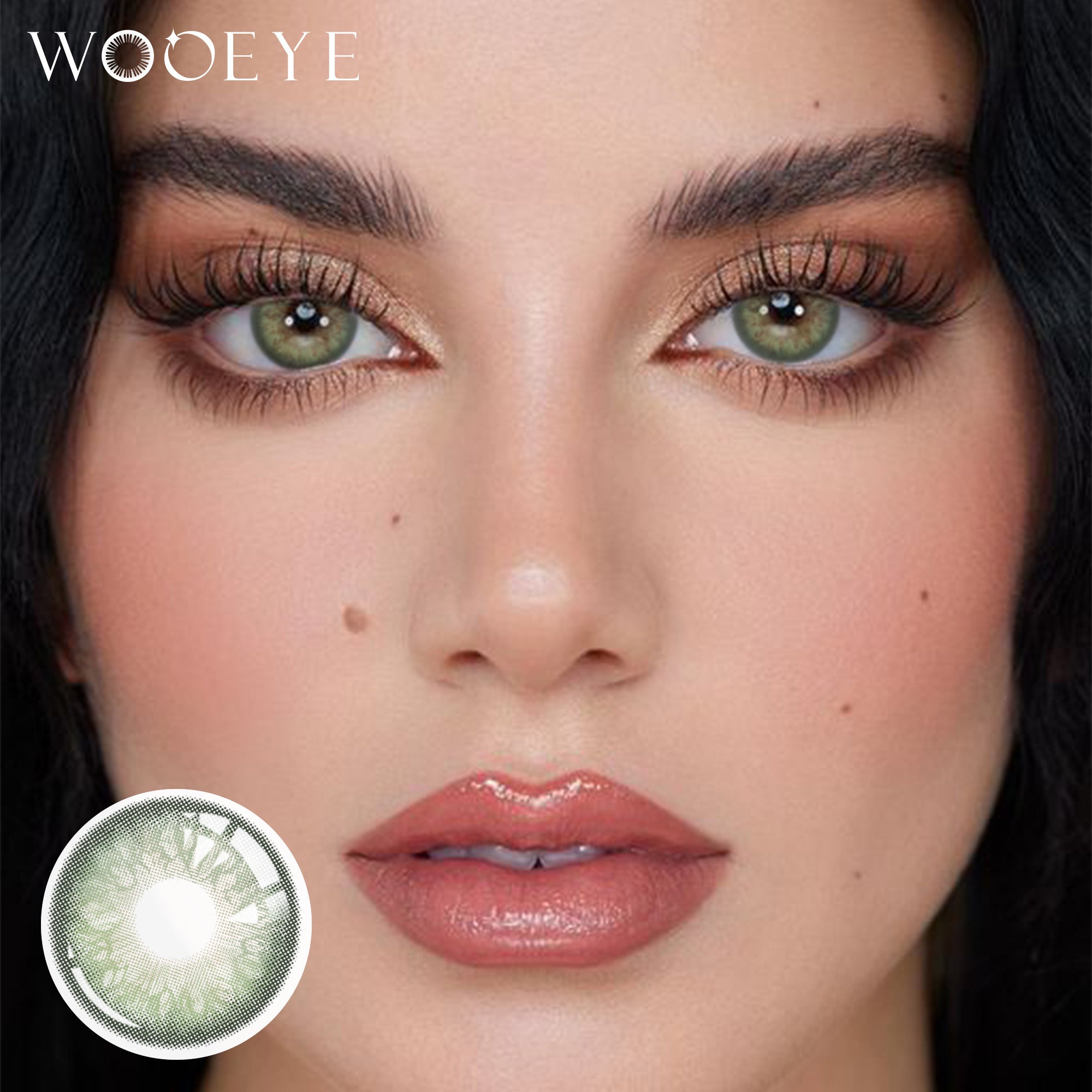
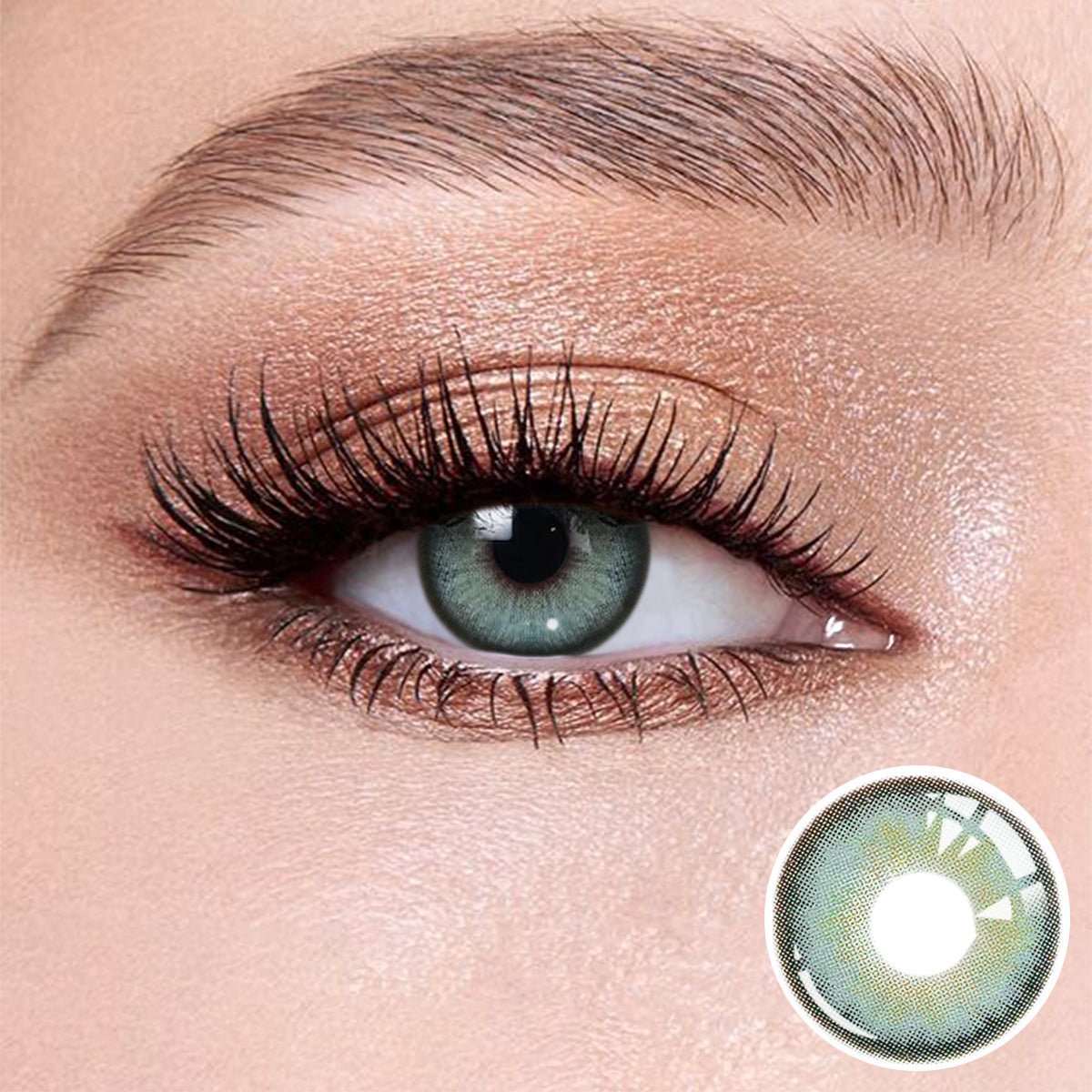
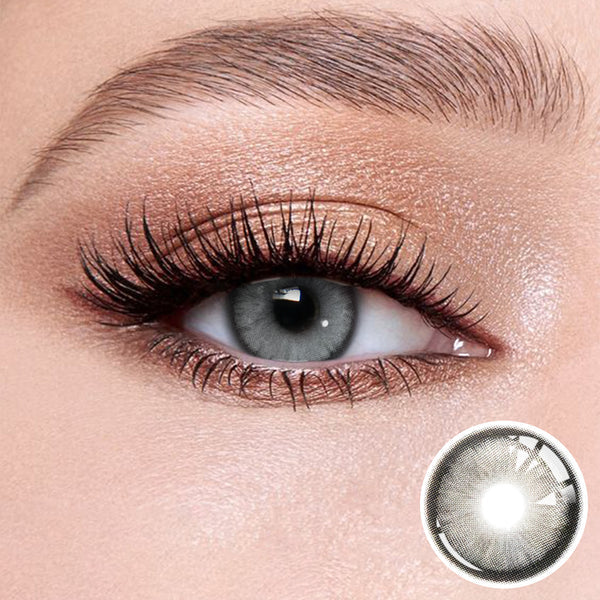
💡 To amplify the cool blue center — Wooeye Jennie Grey I Contact Lenses

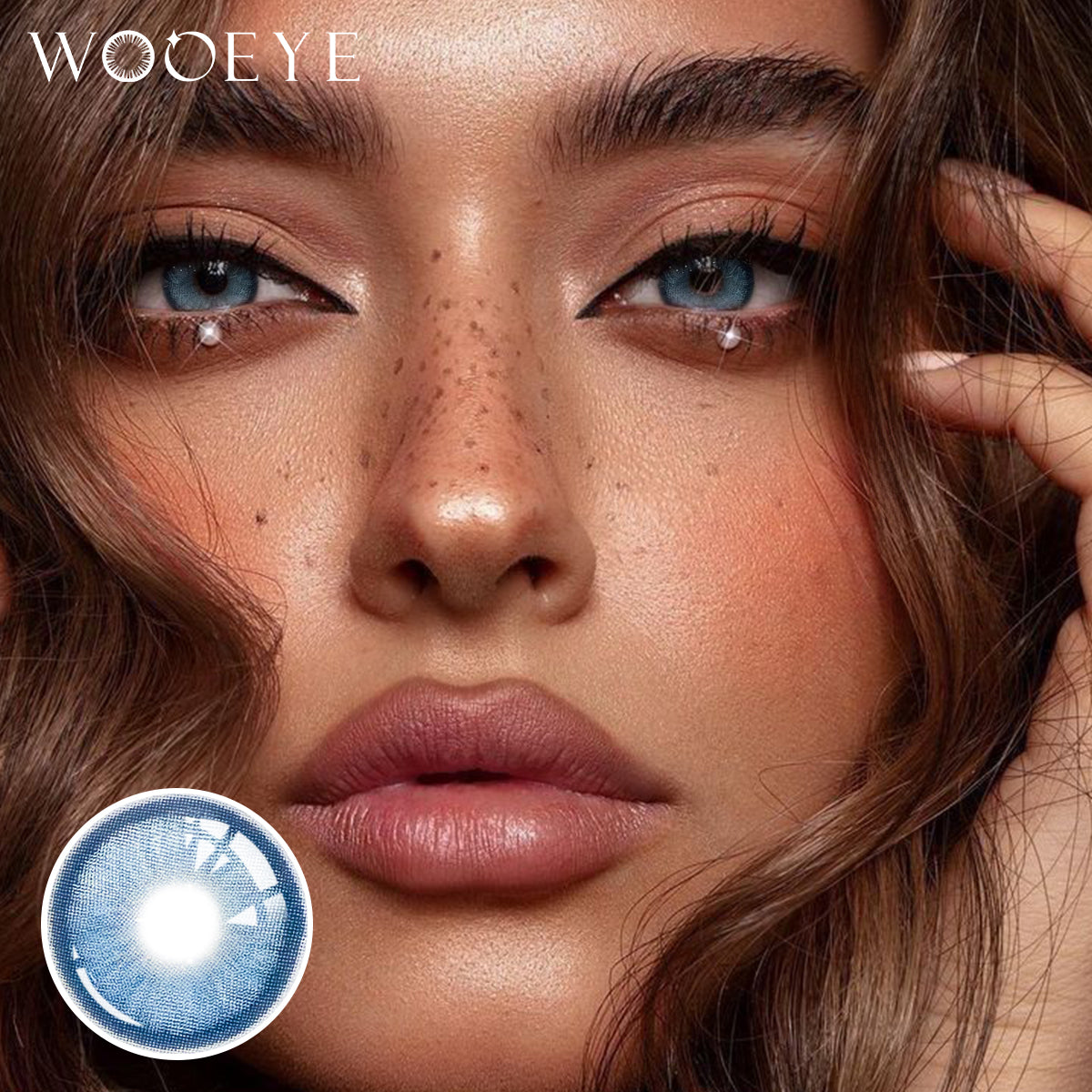
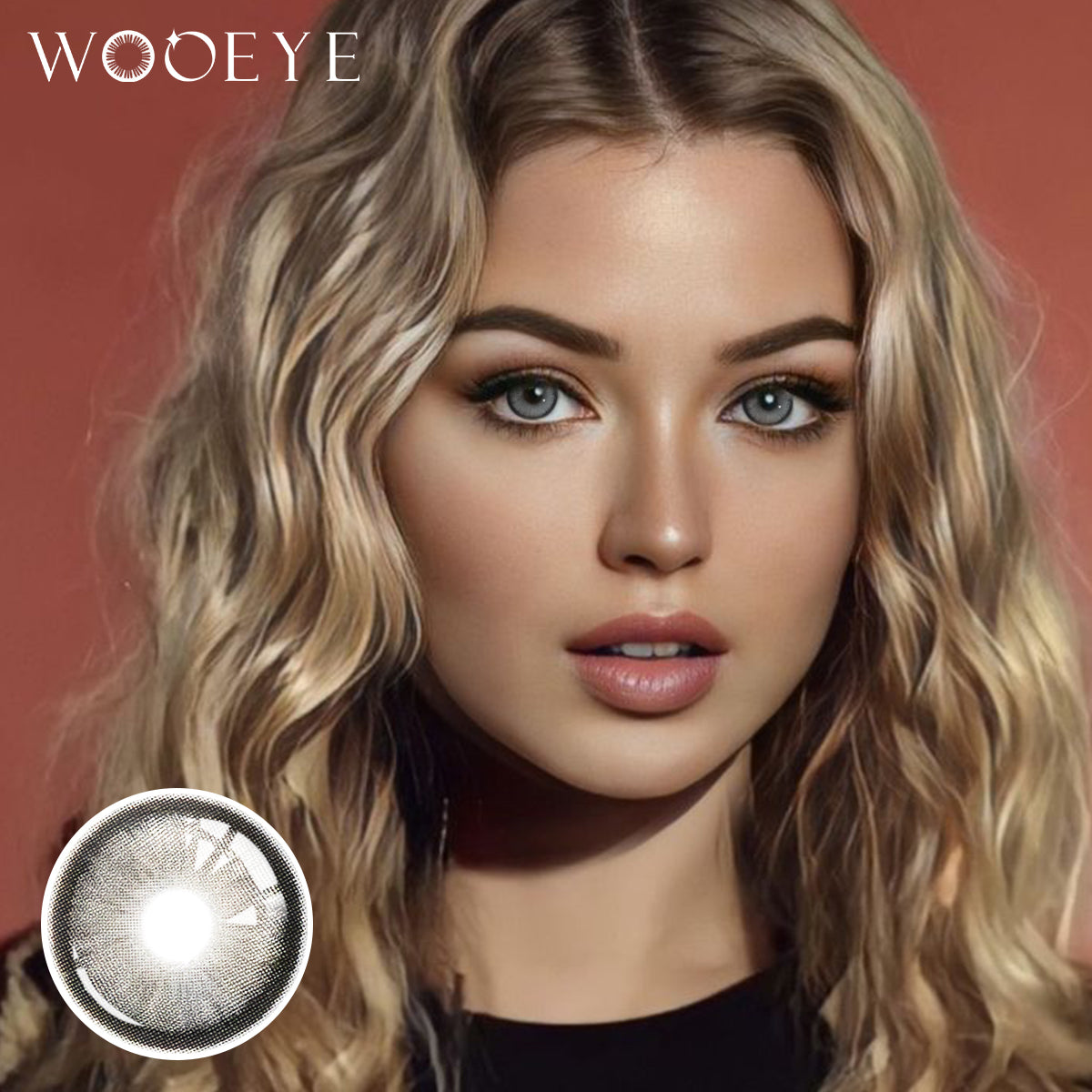
A yearly lens blending cool gray with pale blue tones into a seamless silvery-gray gradient. On blue hazel eyes, Jennie Grey I deepens and clarifies the cool blue-gray inner register while the natural warm hazel outer ring remains subtly visible, maintaining the two-toned structure.
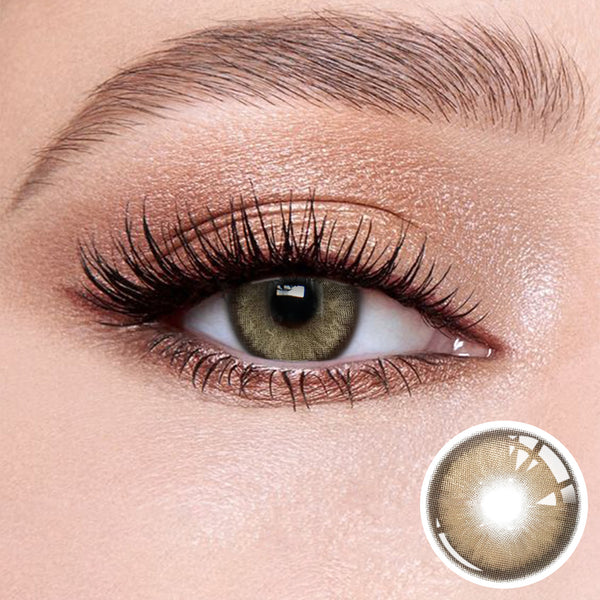
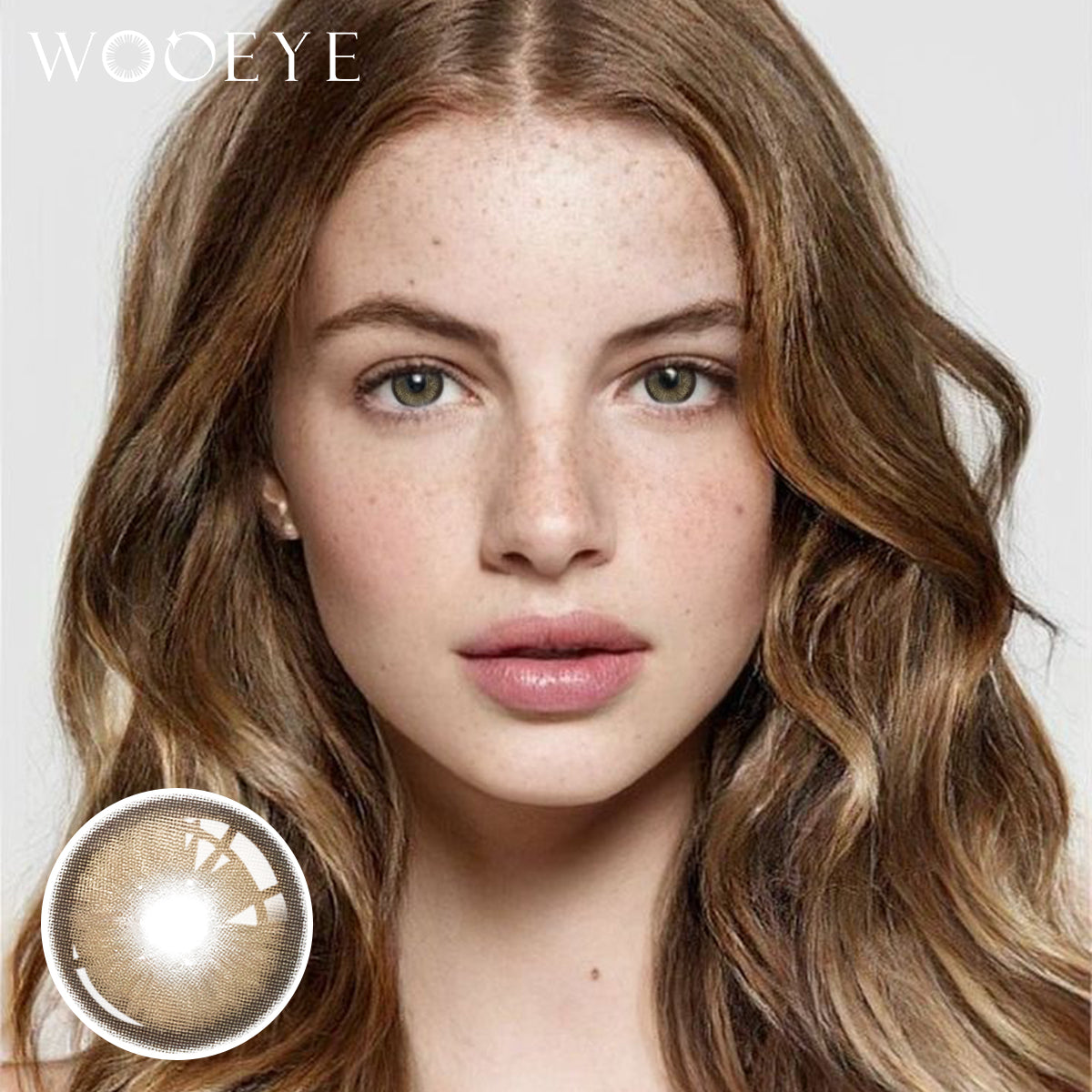
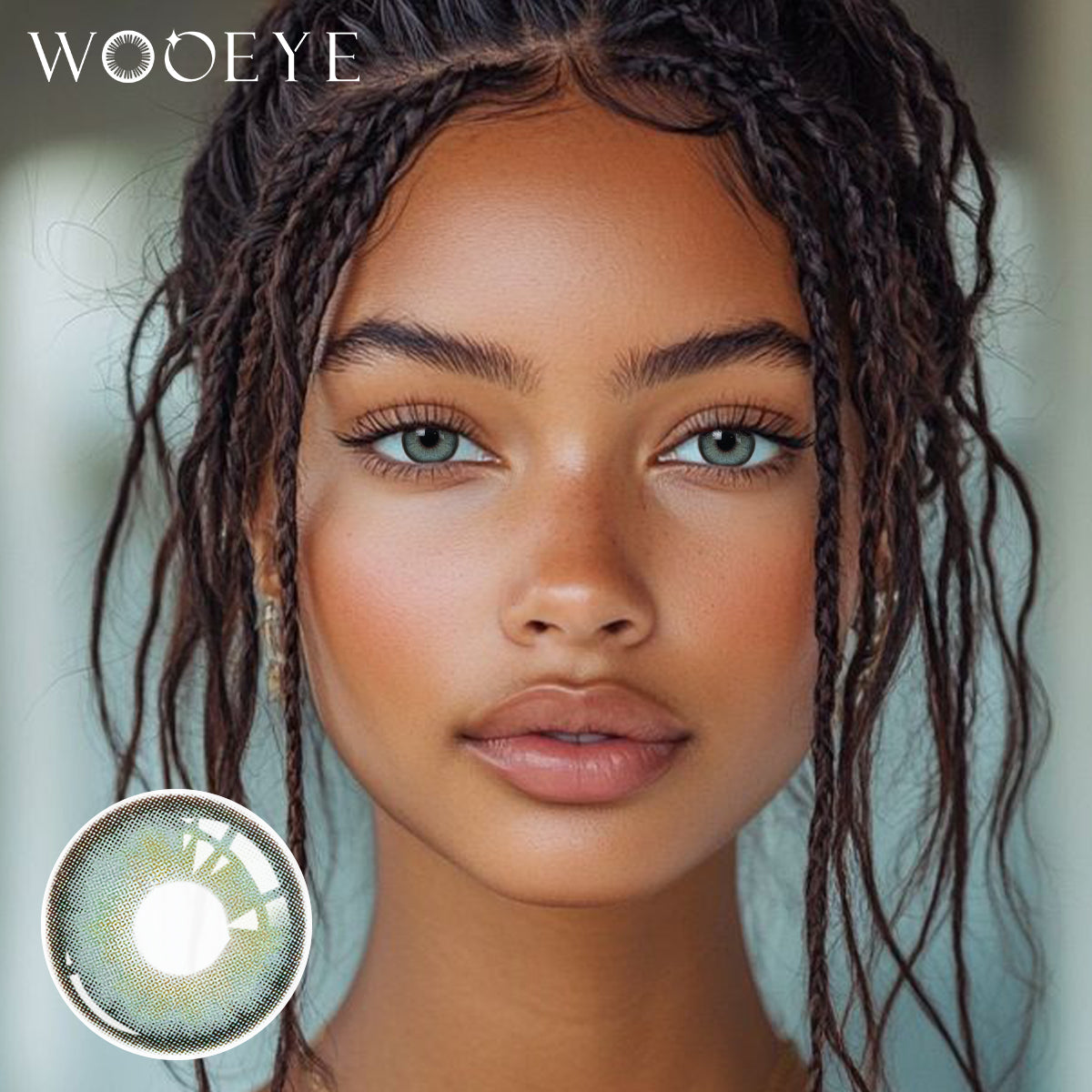
💡 To draw out the golden hazel warmth — Wooeye Alice Hazel Brown Contact Lenses

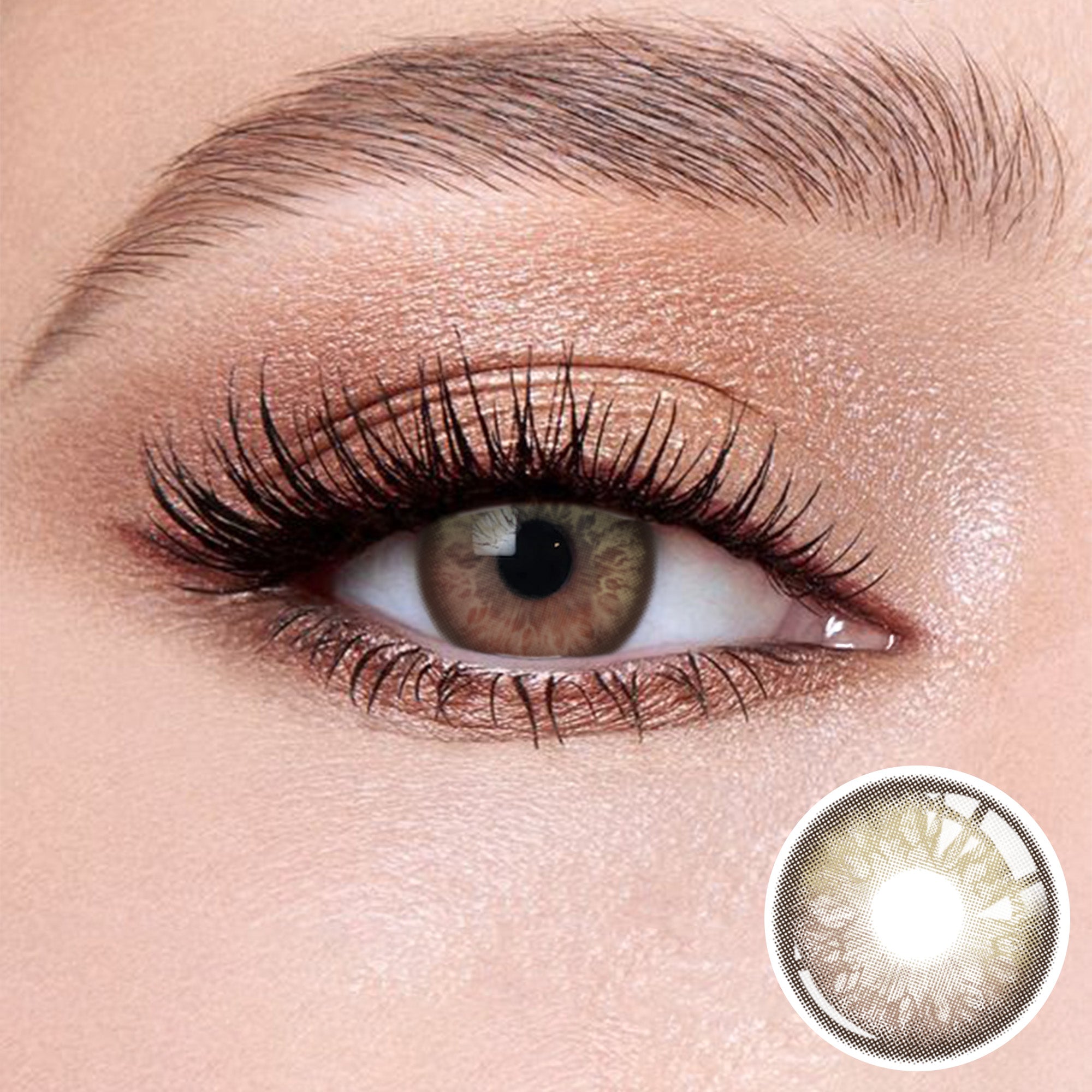
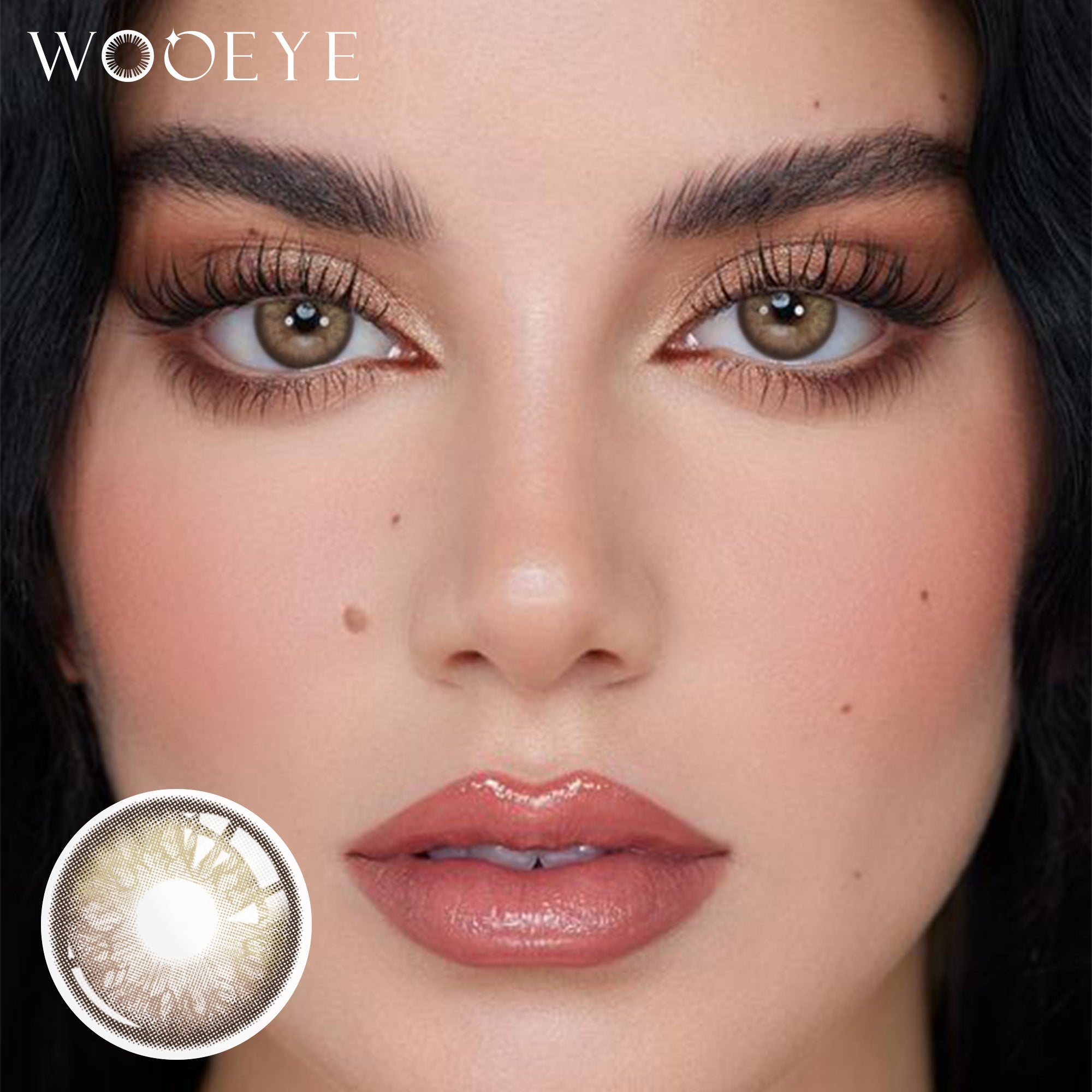
A yearly lens with a translucent multi-tonal design layering soft hazel brown with golden-amber undertones. On blue hazel eyes, this lens gently amplifies the warm outer hazel ring while the cool blue center creates a beautiful contrast.
Frequently asked questions
1. How rare are blue hazel eyes?
Blue hazel eyes are scarce. Their rarity comes from the specific genetic combination and an uneven distribution of melanin needed to create blue and hazel tones in the same eye. They are considered a rarer variation than standard hazel or green eyes.
2. Are blue hazel eyes considered attractive by most people?
Yes, blue hazel eyes are generally considered very attractive. Their unique combination of blue and warm brown tones creates a captivating and multi-dimensional appearance that stands out.
3. How many people in the world have blue hazel eyes?
According to current estimates, blue hazel eyes occur in only 1%–2% of the global population. It's exactly this quality that makes hazel contact lenses in blue-hazel tones so sought after.
4. What are the genetic factors that cause blue hazel eyes?
Blue hazel eyes result from a complex interaction of multiple genes that influence melanin production and eye pigmentation. The blend occurs when low-to-moderate melanin levels are distributed unevenly in the iris.
5. What is the symbolic or cultural meaning of having blue hazel eyes?
Culturally, blue hazel eyes often symbolize mystery, uniqueness, emotional depth, and a balance between logic and passion. In some myths and media, they're linked to characters with hidden strength or insight.
6. Are there such things as "dark blue hazel" or "light blue hazel"?
Yes. "Dark blue hazel eyes" typically have a dark blue surrounding the pupil, surrounded by a dark brown outer ring. "Light blue hazel eyes" are brighter and clearer, with a light blue surrounding the pupil and a golden brown or amber outer ring.
Want blue hazel eyes? Try WOOEYE's hazel & blue colored contacts 💜
Cool blue meets warm hazel — find your perfect two-toned look.
Shop Hazel Contacts → Shop Blue Contacts →





2 comentarios
DeAnna McConnell
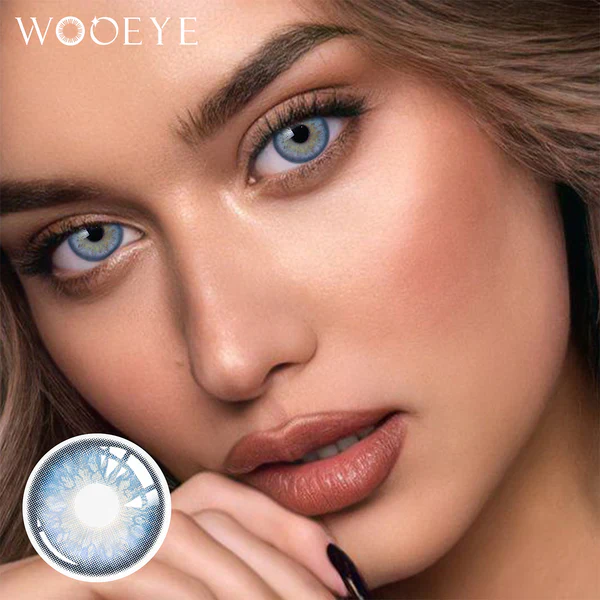
In above post it should have read “golden FLECKS within the blue”. Also the photo shows the gold within and the blue.on the outside. The opposite of your text?? DeAnna. McConnell
DeAnna McConnell
My eyes are blue with
!golden within the blue?