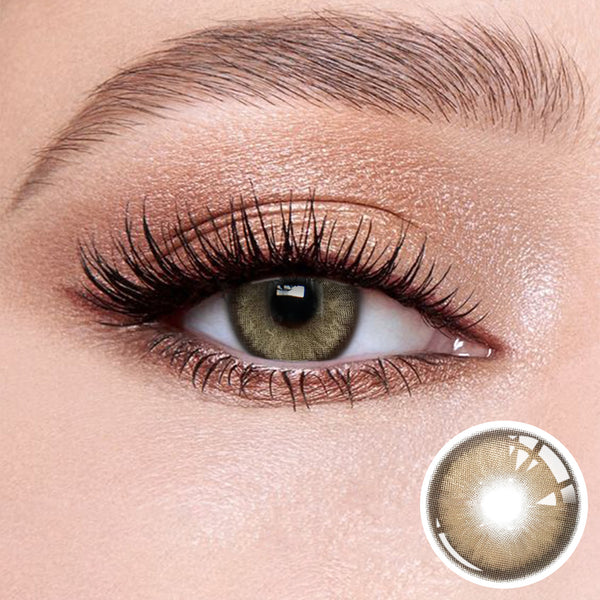
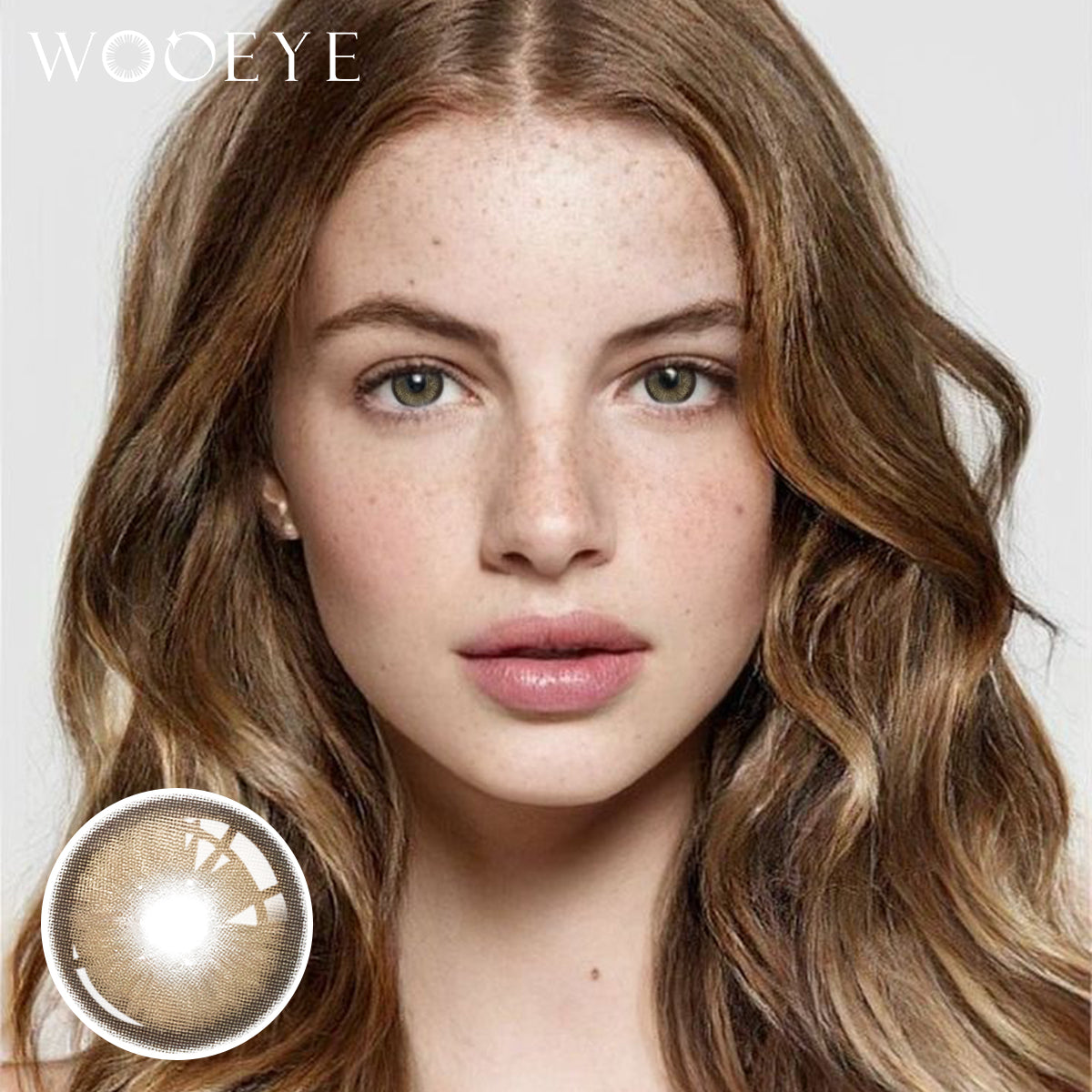
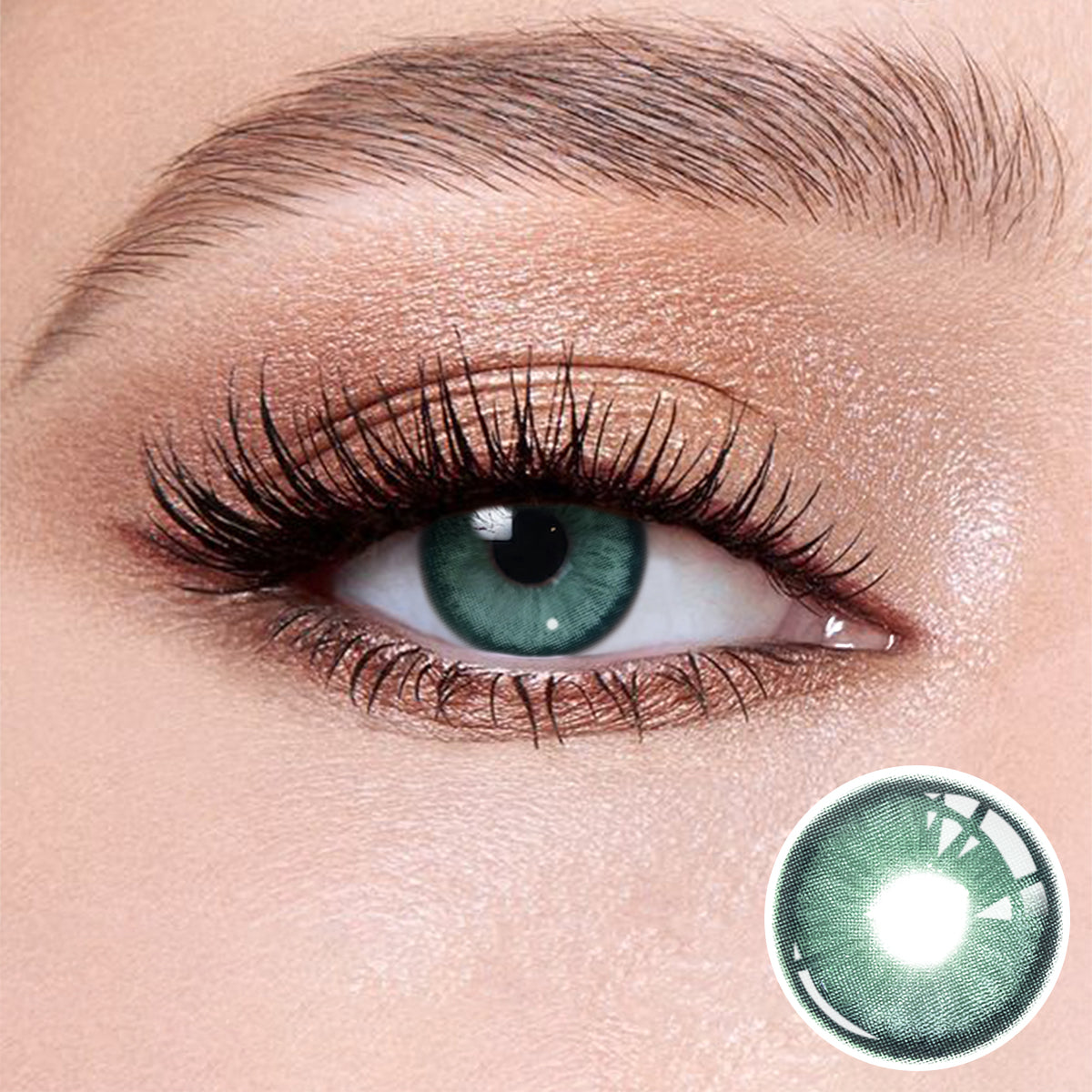
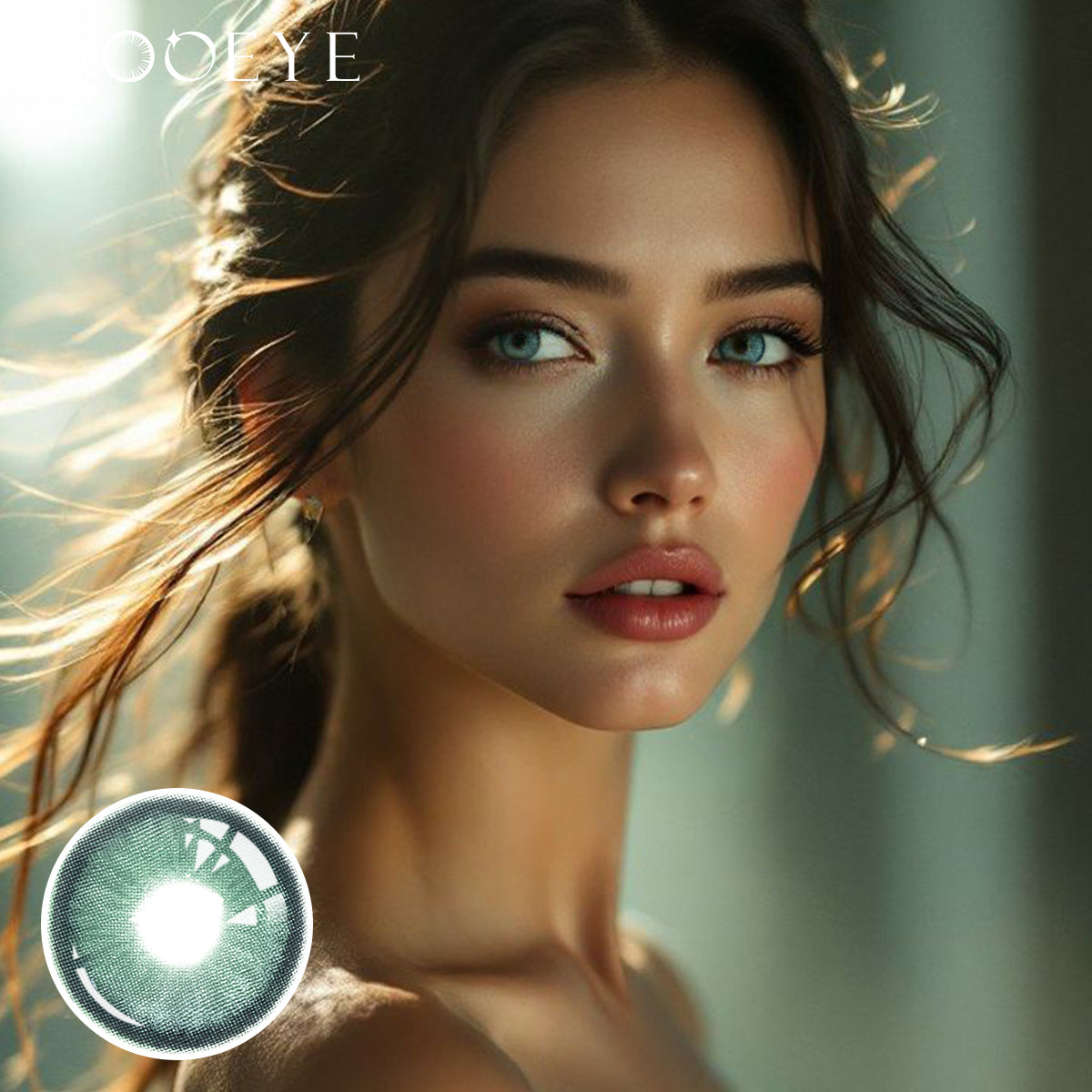
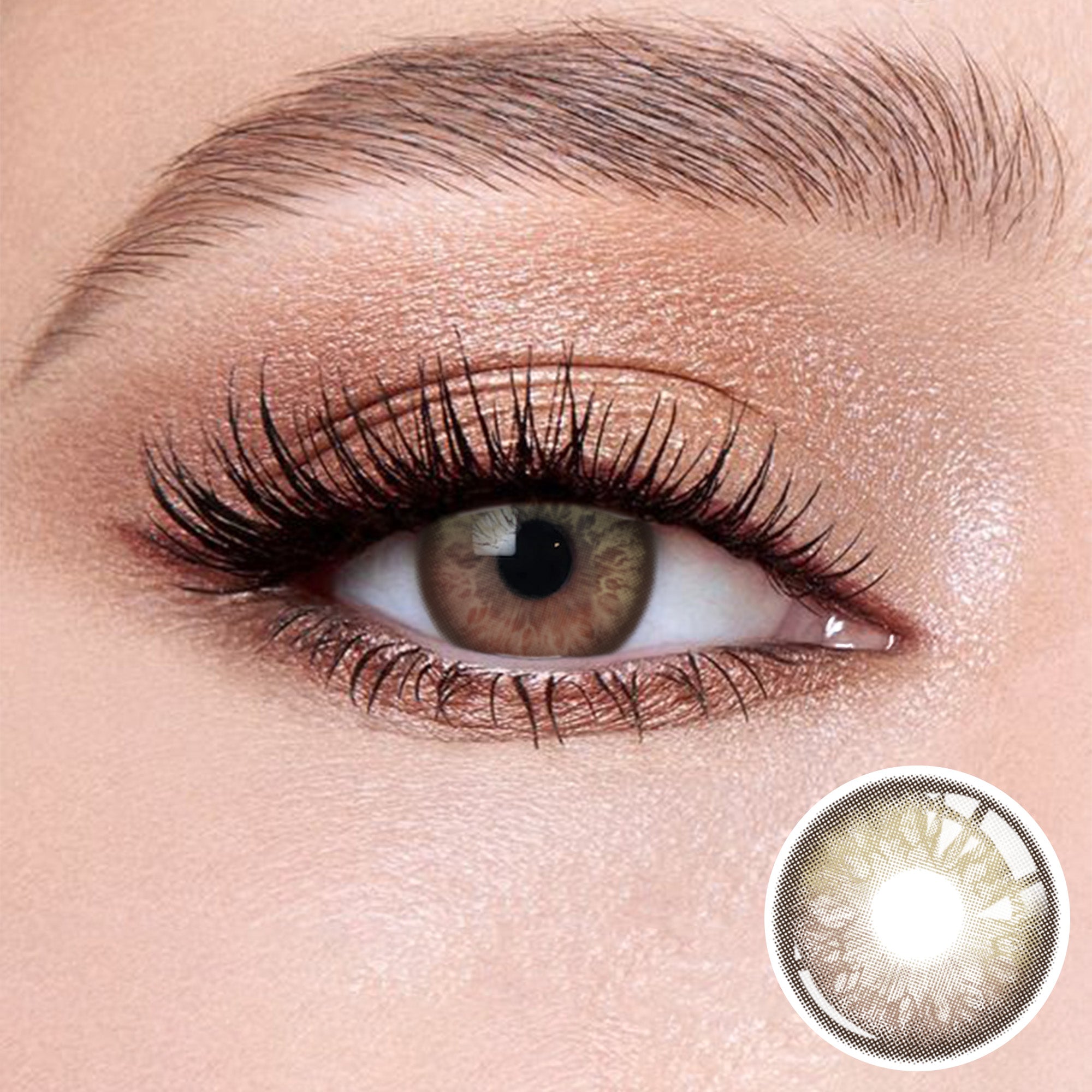
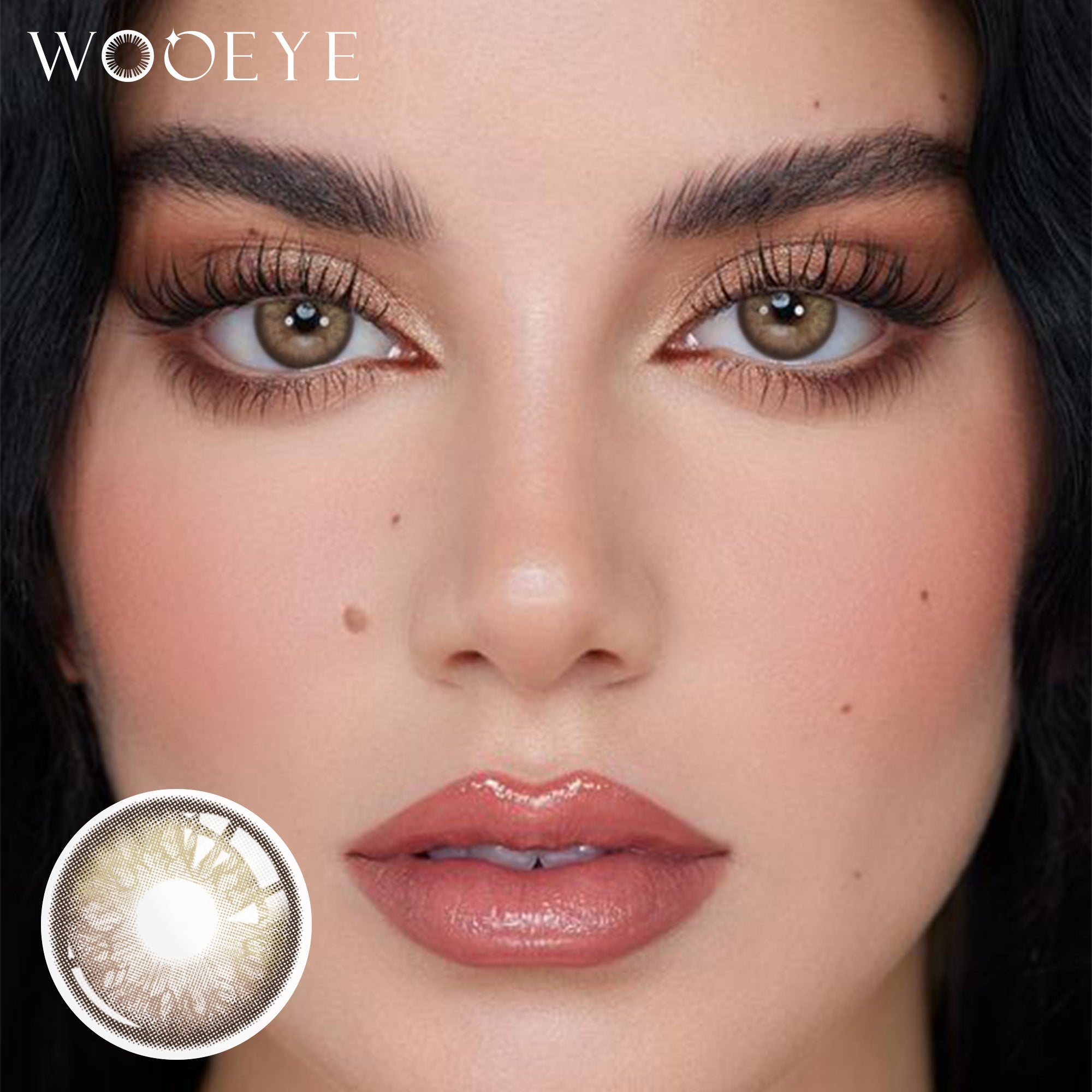
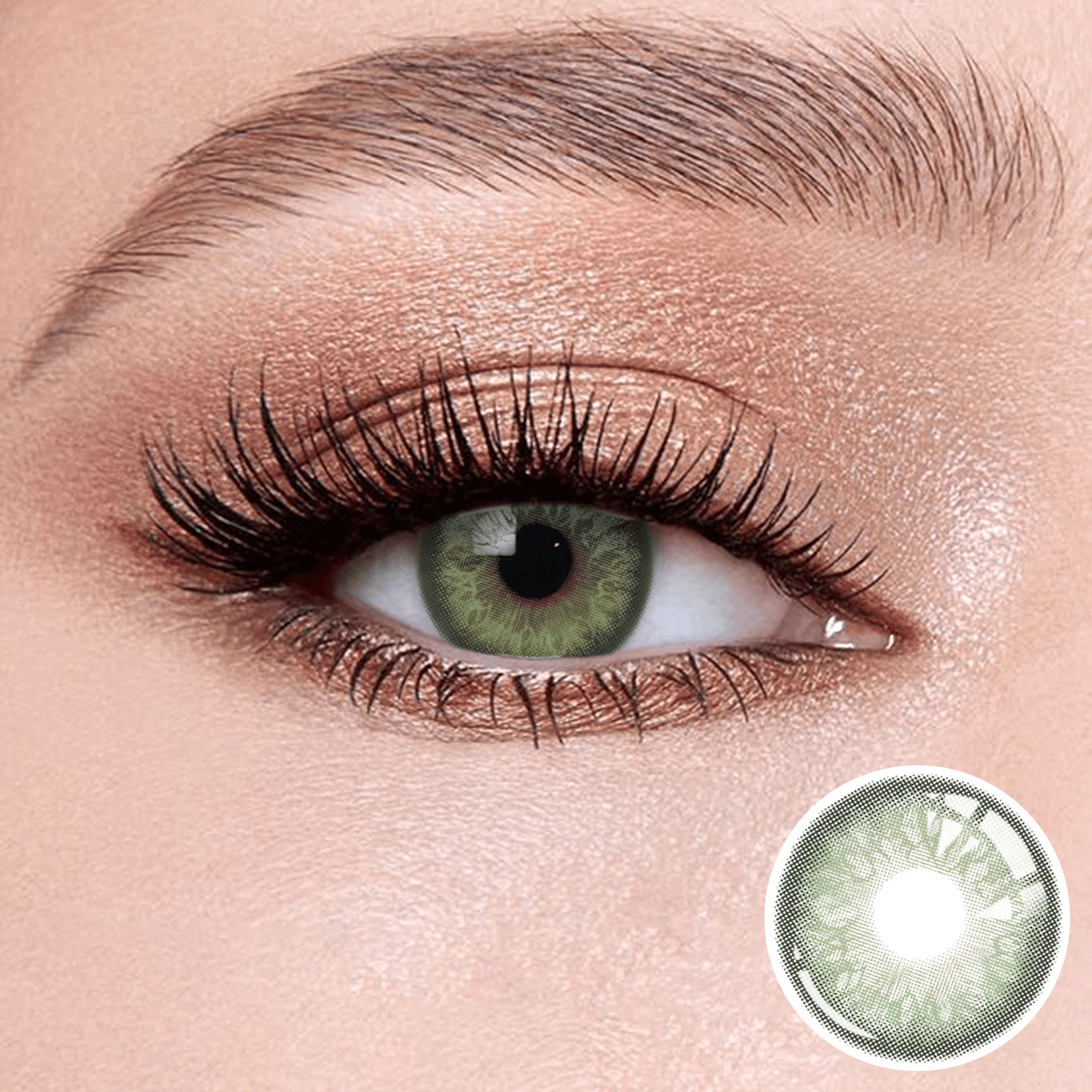
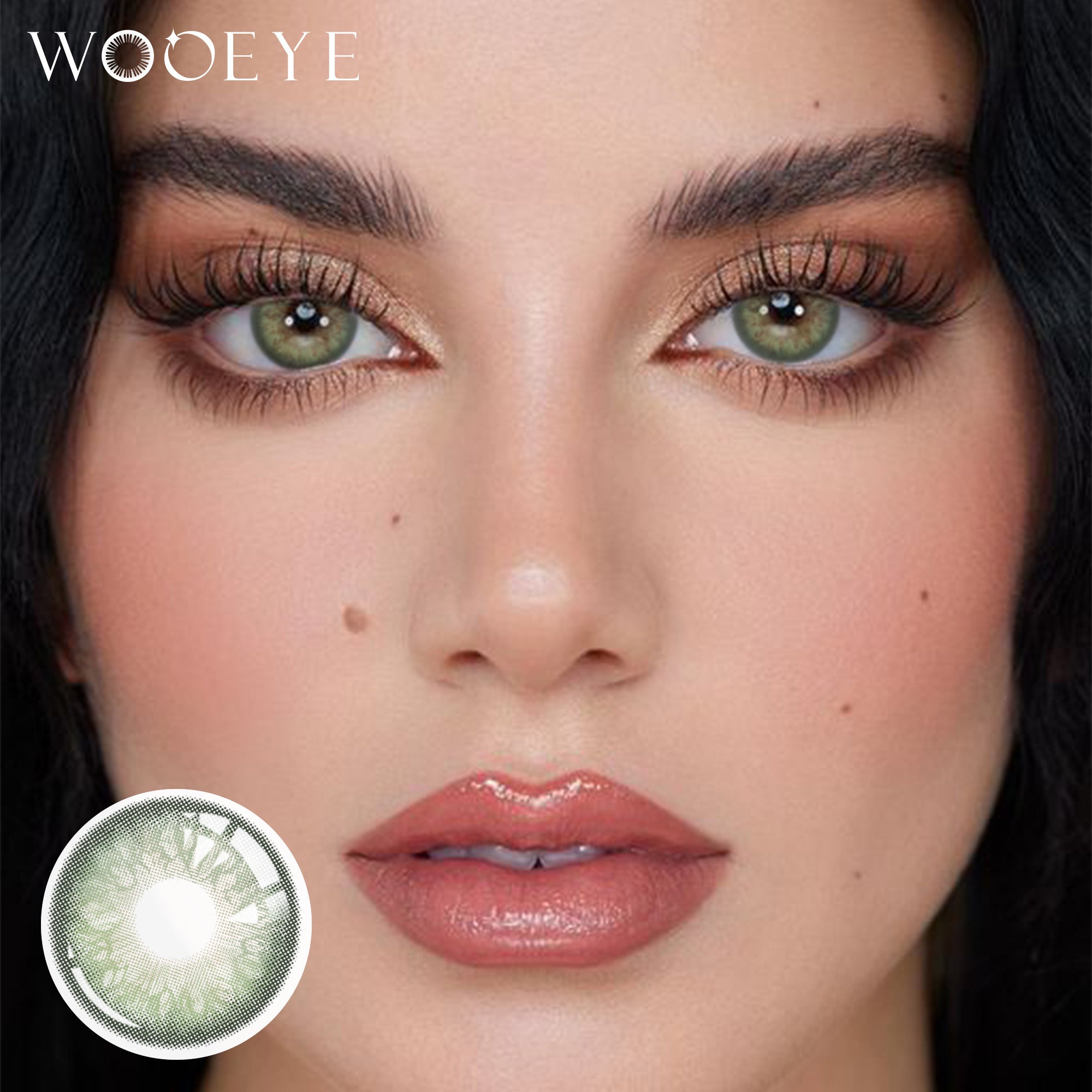
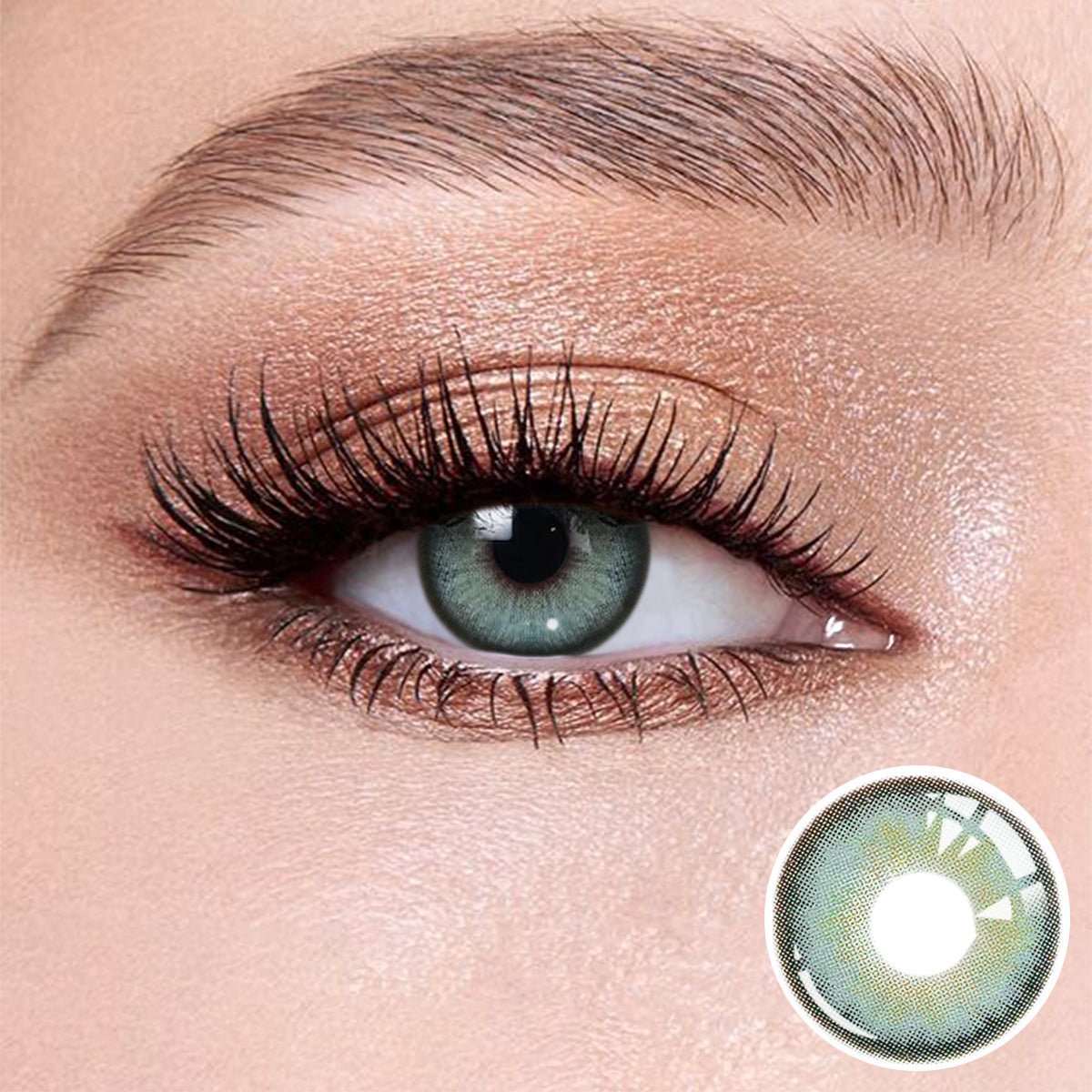
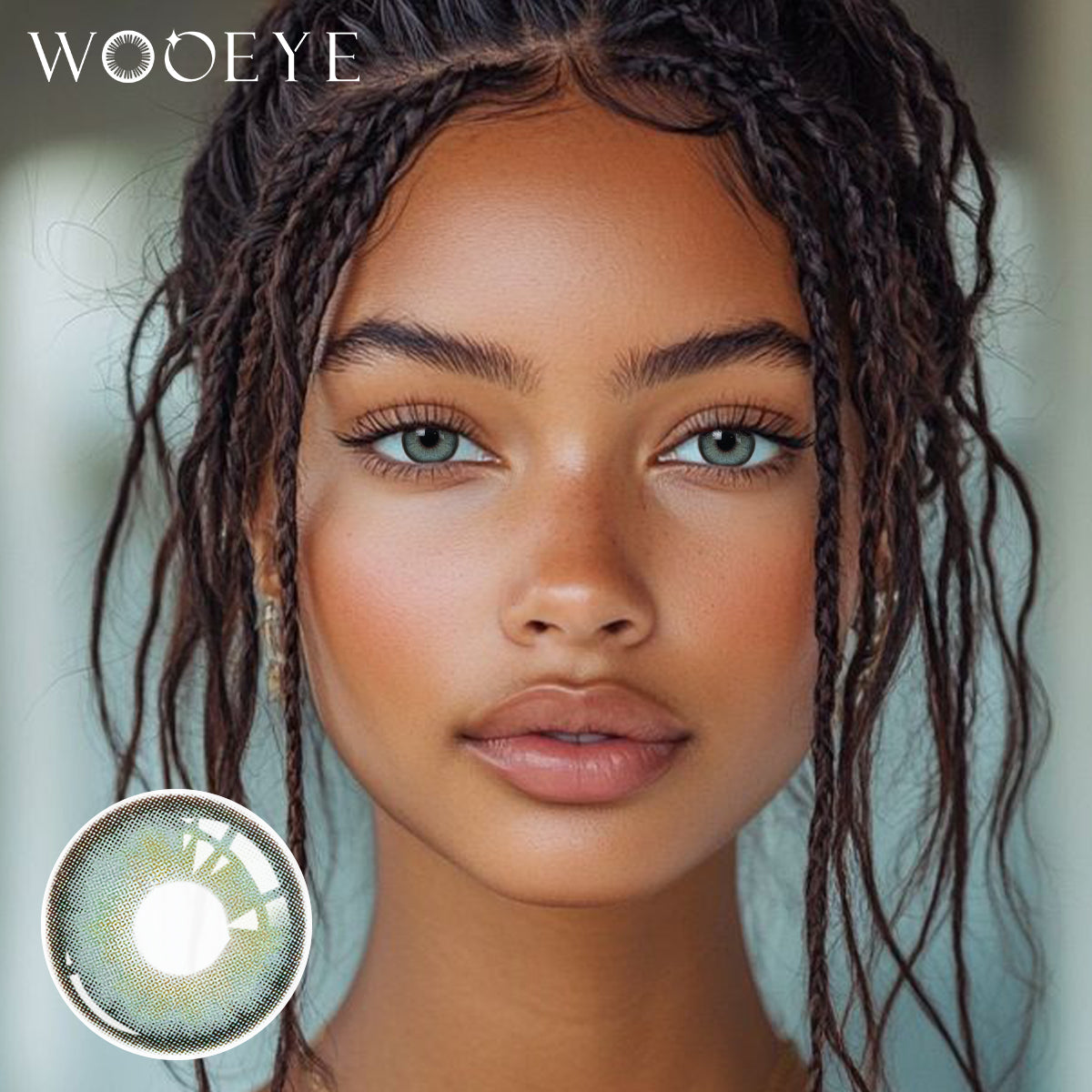
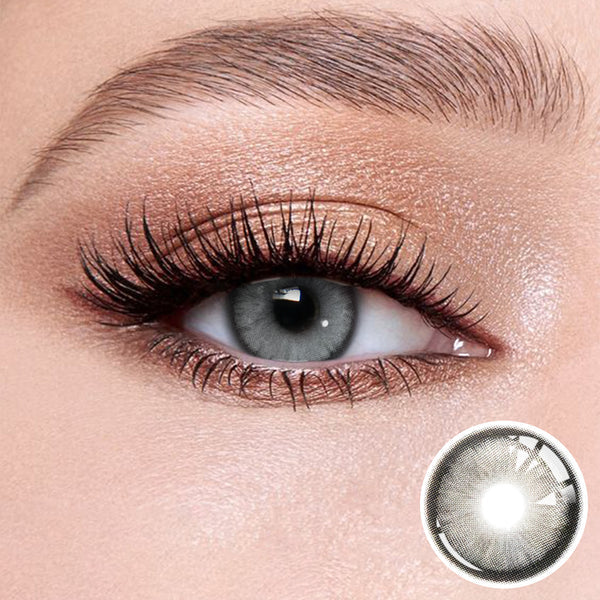
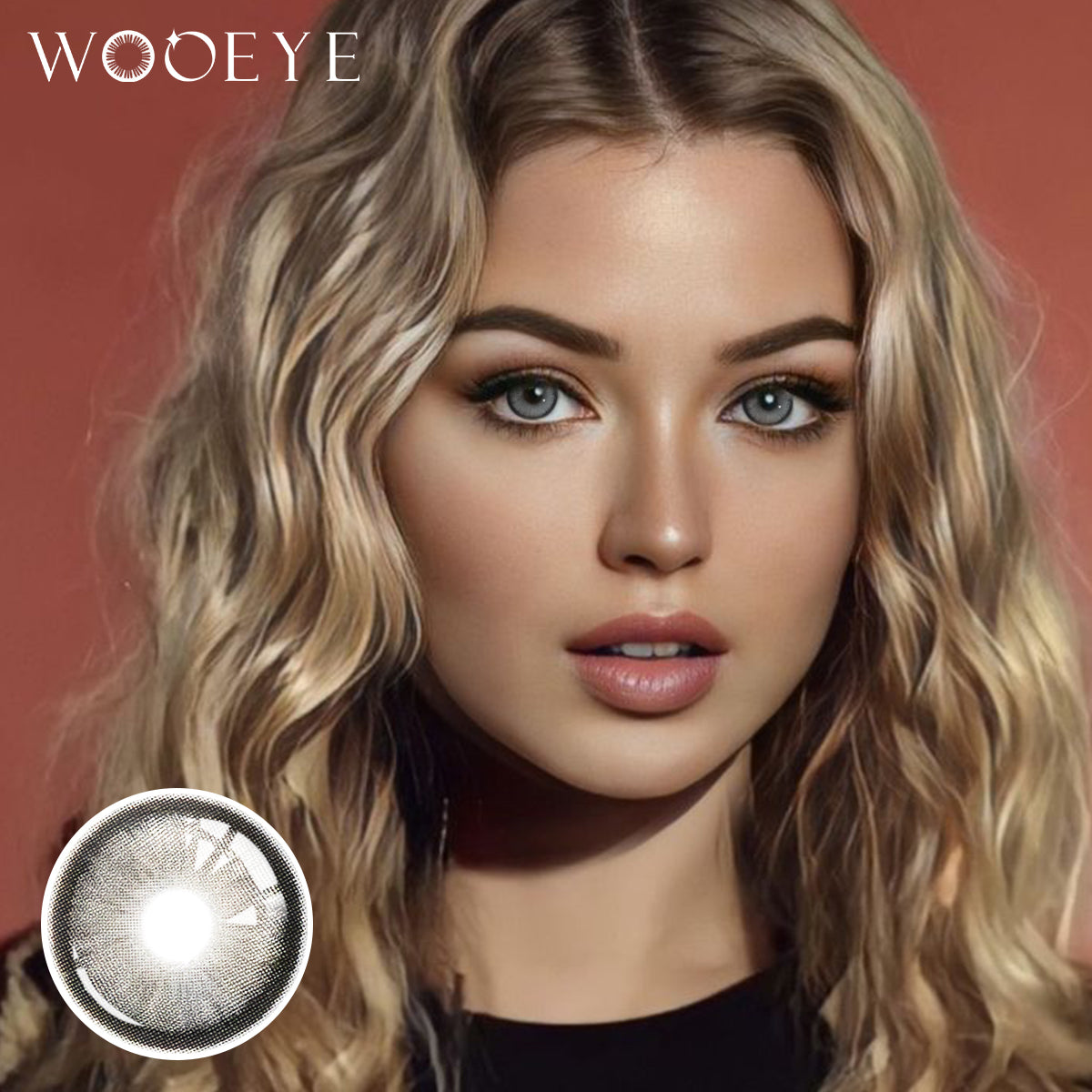
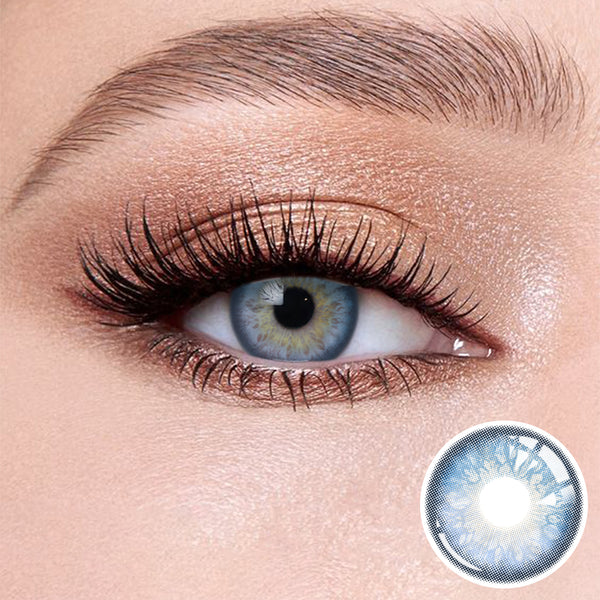
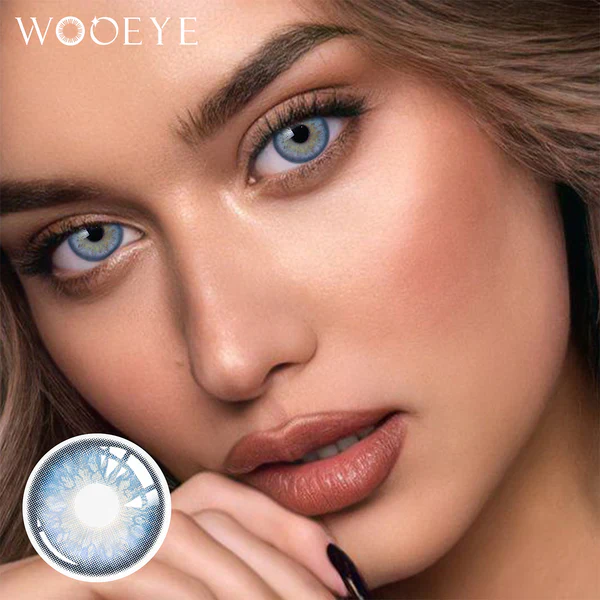
Not necessarily. Colored contact lenses only look fake when the color, pattern, or fit doesn't complement your natural eye color, skin tone, or pupil size. Today's high-quality lenses are designed to blend more naturally, creating subtle enhancement rather than an obvious transformation.
If you're looking for a realistic appearance, choosing the right shade, lens design, and prescription lenses (if you need vision correction) matters much more than simply picking the lightest color.
Why Some Colored Contacts Look Natural—and Others Don't
Many people assume all colored contacts create a dramatic effect, but that's no longer true.
Modern colored contact lenses are available in a wide range of styles, from barely noticeable enhancement to bold, costume-inspired designs. Most people who wear contacts every day prefer natural-looking colors that enhance their eyes without drawing attention to the lenses themselves.
A realistic result usually depends on several factors:
· Your natural eye color
· Your skin tone and hair color
· The lens pattern and opacity
· The size of the colored area
· Lighting conditions
For everyday wear, subtle enhancement is often the goal rather than a complete eye color change.
Choosing the Right Color for a Natural Look
Not every color works the same way on every eye.
Generally, these shades create a softer, more natural appearance:
Soft Brown
Perfect for adding warmth and depth while maintaining a familiar look.
Hazel
One of the easiest colors to blend with naturally dark eyes.
Natural Gray
Creates brightness without appearing overly vivid.
Olive or Green-Hazel
Adds dimension while remaining understated.
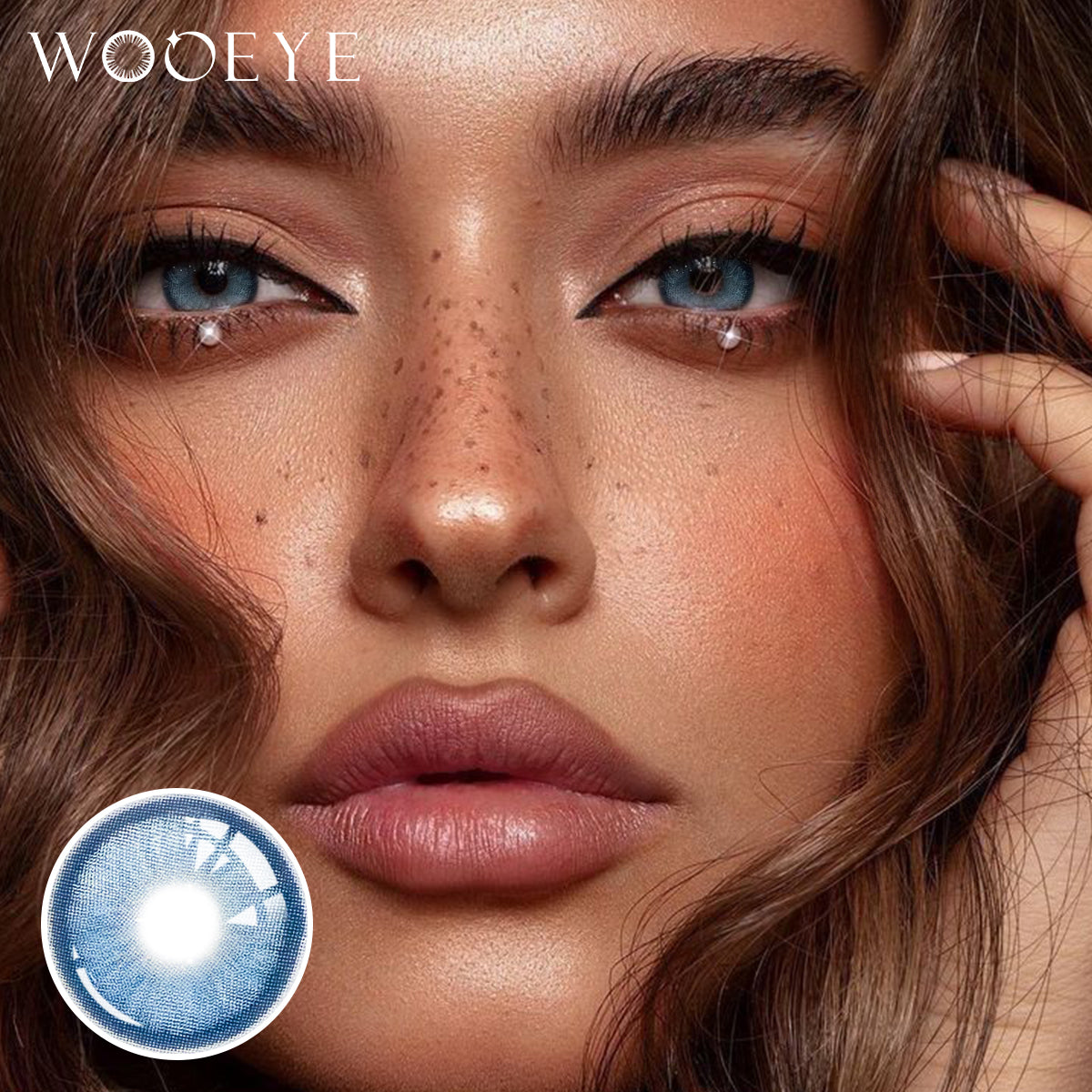
Highly saturated blues or very bright colors can look striking, but they may appear less natural depending on your original eye color.
Lens Design Matters More Than Color
A beautiful shade alone doesn't guarantee a realistic result.
Premium colored contact lenses often use multi-layered color patterns that imitate the natural texture of the iris. Instead of one flat color, they combine subtle variations to create more depth.
Many lenses also feature:
· Soft outer rings instead of harsh borders
· Gradual color transitions
· Fine radial patterns that resemble the natural iris
These design details help the lenses blend more seamlessly with your eyes.
Material Science: HEMA, Oxygen Flow, and Sandwich Lens Technology
Comfort is just as important as appearance.
HEMA Material
Many modern colored contact lenses are made with HEMA (Hydroxyethyl Methacrylate), a soft hydrogel material that offers flexibility and everyday comfort. Its balanced moisture retention makes it a popular choice for cosmetic lenses.
Oxygen Flow
Healthy eyes need oxygen throughout the day. Well-designed contact lenses allow oxygen to reach the cornea while maintaining stable vision and wearing comfort.
Following the recommended wearing schedule and choosing lenses from reputable manufacturers both contribute to a better wearing experience.
Sandwich Lens Technology
One feature commonly found in premium lenses is sandwich lens technology.
Instead of placing the pigment directly on the lens surface, the color is sealed between two transparent layers.
This design helps:
· Prevent pigment from touching the eye
· Maintain a smooth lens surface
· Create softer, more natural color blending
· Improve long-term wearing comfort
The result is often a lens that both looks and feels more natural.
Everyday Style in New York
In New York, beauty trends often focus on looking polished rather than overly styled.
Many people wear colored contact lenses to subtly brighten their eyes during work, brunch, evenings out, or special events. Rather than choosing dramatic shades, they often reach for colors that blend naturally with their features.
A common approach is matching lens color to the occasion:
· Soft gray for professional settings
· Hazel for everyday wear
· Honey brown for a warmer look
· Olive tones for a modern fashion-forward style
The goal isn't for people to notice the lenses—it's for them to notice your eyes.
Prescription Lenses Can Look Just as Natural
If you normally wear glasses, there's no need to choose between clear vision and natural-looking eye color.
Today's prescription lenses are available in many of the same subtle shades as non-prescription options. That means you can correct your vision while achieving a realistic cosmetic effect without sacrificing comfort or appearance.
A Note About WOOEYE
WOOEYE designs colored contact lenses with an emphasis on natural color blending and everyday comfort. The lenses are made with HEMA-based material, approximately 40% water content, and sandwich lens technology that seals the pigment within the lens rather than placing it directly against the eye. Prescription options are available for myopia up to -8.00 diopters, allowing users to combine vision correction with cosmetic enhancement.
So, do colored contacts look fake? Not if you choose the right ones.
Modern colored contact lenses are designed to enhance rather than completely change your appearance. By selecting natural shades, high-quality lens designs, and properly fitted prescription lenses when needed, you can achieve a look that's subtle, comfortable, and believable.
The most natural-looking colored contacts are often the ones that people don't immediately notice—they simply make your eyes look brighter, more defined, and effortlessly expressive.