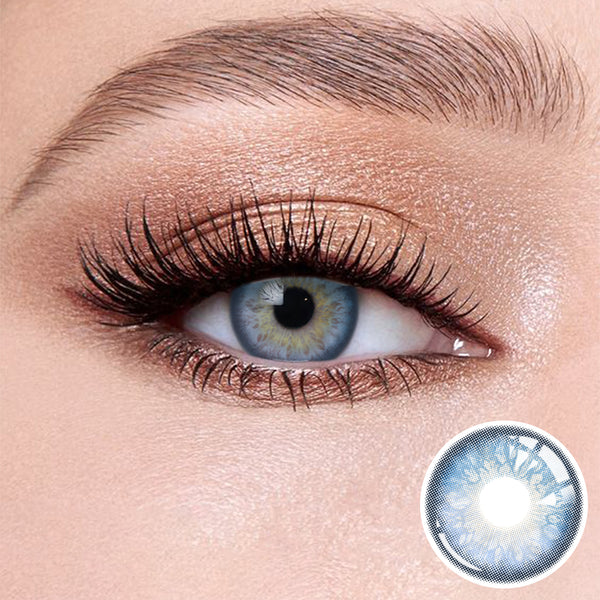
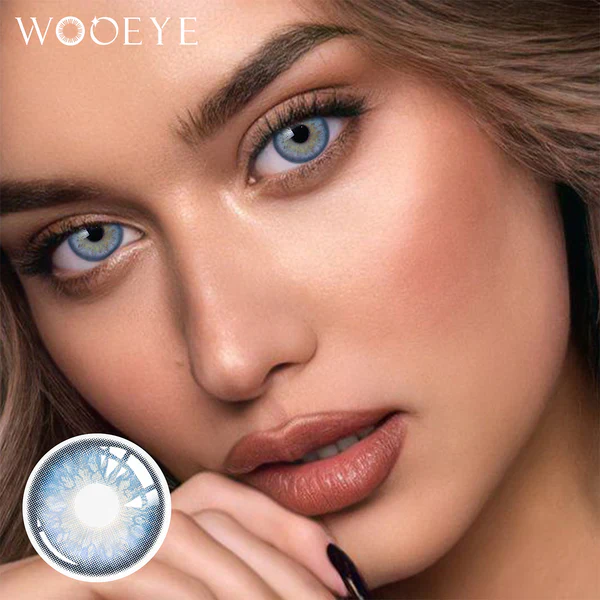
A Guide to HEMA, Oxygen Flow, and Colored Contacts
There is no single contact lens material that is automatically the “safest” for everyone. Safety depends on the complete lens design, including the material, oxygen transmission, water content, pigment placement, prescription, fit, and how the lenses are worn and cared for.
For many soft colored contact lenses, HEMA material is a commonly used hydrogel material that can provide softness and moisture. But material alone does not determine safety. The lens needs to be designed to balance comfort, oxygen flow, moisture, and surface smoothness.
Modern colored contact lenses are designed for comfort and safety.
For people who need vision correction, properly fitted prescription lenses are also important. Prescription colored contacts can correct vision while changing eye color.
What Makes a Contact Lens Material Safe?
When choosing contact lenses, it is easy to focus on the color or price first. But the material underneath the design is one of the most important parts of the product.
A well-designed lens should consider several factors:
-
Oxygen transmission
-
Moisture balance
-
Lens flexibility
-
Surface smoothness
-
Pigment placement
-
Prescription accuracy
-
Proper fit
This is why asking “What is the safest contact lens material?” is slightly different from asking “Which material has the highest water content?”
The best lens is one where the material and lens construction work together.
Is HEMA a Safe Material for Contact Lenses?
HEMA material, short for Hydroxyethyl Methacrylate, is a hydrogel material that has been widely used in soft contact lens manufacturing.
HEMA-based lenses can provide:
-
A soft and flexible lens structure
-
Moisture retention
-
Comfortable lens movement
-
A lightweight wearing experience
For colored contact lenses, HEMA can be part of a design that balances softness with everyday usability.
However, HEMA itself should not be treated as a guarantee of safety. Lens quality also depends on manufacturing, design, fitting, storage, wearing time, and proper hygiene.
Material choice directly affects comfort and oxygen flow.
Why Oxygen Flow Matters
Your cornea needs oxygen from the surrounding environment. When a contact lens sits over the eye, the lens material and thickness influence how easily oxygen can reach the cornea.
This is why oxygen permeability and oxygen transmissibility are important when evaluating contact lenses.
A well-designed lens needs to balance:
-
Oxygen transmission
-
Water content
-
Material structure
-
Lens thickness
-
Surface comfort
A higher water content does not automatically mean better oxygen performance, and a softer lens is not automatically safer.
The goal is balance.
What About Water Content?
Water content describes the percentage of water contained within the lens material.
WOOEYE’s colored contact lenses use HEMA material with approximately 40% water content. The goal is to create a balance between softness, moisture, and lens stability rather than simply maximizing water content.
This distinction matters because “more water” does not always equal “more comfortable.”
A lens with very high water content can feel soft initially, but comfort throughout the day also depends on how effectively the lens maintains moisture in your actual environment.
For someone spending eight hours in a dry Manhattan office, for example, the lens experience can be very different from someone wearing contacts for two hours at an outdoor event.
Why Sandwich Technology Matters for Colored Contacts
There is another factor that makes colored contact lenses different from clear lenses: pigment placement.
A colored lens needs to create an iris pattern while maintaining a smooth lens surface.
With sandwich technology, the pigment is enclosed between lens layers rather than sitting directly on the outer surface.
This approach is designed to:
-
Enclose the color pigment within the lens
-
Create a smoother lens surface
-
Produce more detailed iris patterns
-
Support a natural-looking appearance
For cosmetic lenses, this is an important part of the overall lens design.
WOOEYE uses sandwich technology as part of its colored lens construction, combining the color layer with the surrounding lens material.
Are Prescription Colored Contacts Safe?
For people who need vision correction, safety starts with choosing appropriate prescription lenses and having the lenses properly fitted.
Prescription colored contacts can correct vision while changing eye color.
This means someone with myopia does not necessarily have to choose between clear vision and colored contacts.
WOOEYE offers prescription options extending to -8.00 diopters, according to its current product catalog.
However, prescription power is only one part of contact lens fitting. Base curve, diameter, eye measurements, and individual comfort can also matter.
If you are new to contact lenses or have experienced discomfort with previous lenses, an eye-care professional can help determine what type and fit are appropriate.
What Should You Look for When Comparing Contact Lens Materials?
Instead of looking for one “perfect” material, compare the complete lens design.
1. Material
Look for transparent information about materials such as HEMA material.
2. Oxygen Performance
Consider how the lens material and thickness affect oxygen transmission.
3. Water Content
Look at water content as one factor rather than assuming higher is always better.
4. Pigment Technology
For colored contact lenses, find out how the pigment is incorporated into the lens.
5. Prescription Availability
If you need vision correction, look for appropriate prescription lenses rather than choosing cosmetic lenses without correction.
6. Regulatory and Manufacturing Information
A reputable brand should be transparent about its manufacturing and regulatory information.
NYC Lifestyle: What Does “Comfortable” Actually Mean?
Think about a normal New York day.
You wake up, take the subway, spend hours staring at a laptop, walk outside in changing weather, grab coffee, and maybe meet friends for dinner afterward.
Your contacts may be in for most of the day.
That is why the best lens isn’t necessarily the one that feels amazing for the first 20 minutes. You want a lens design that remains comfortable as your environment changes.
For everyday NYC looks, natural shades such as:
-
Brown
-
Hazel
-
Gray
-
Olive
can add definition without making the contacts look overly dramatic.
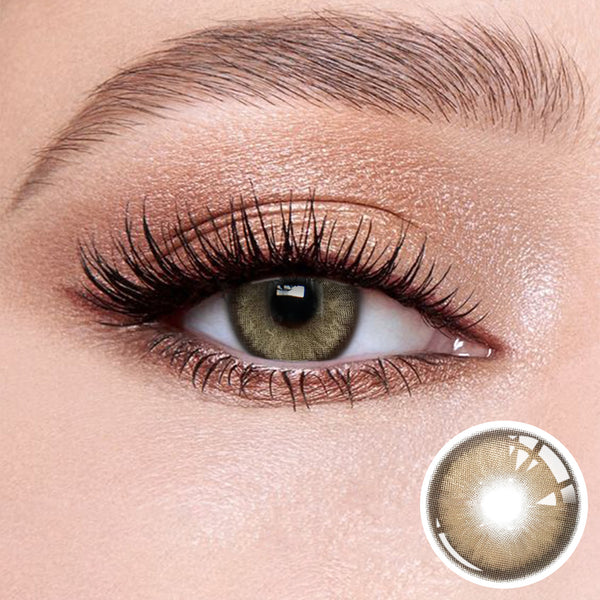
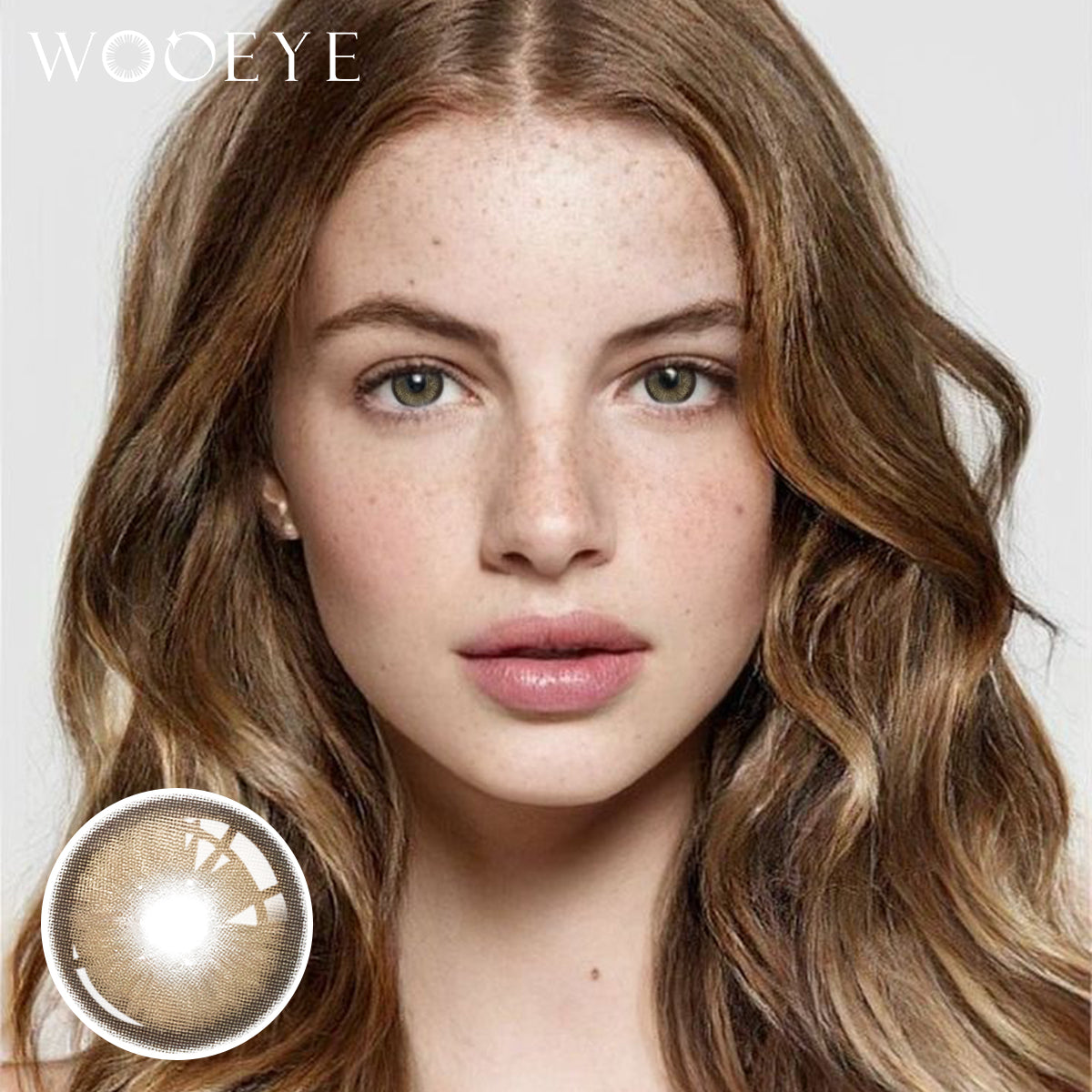
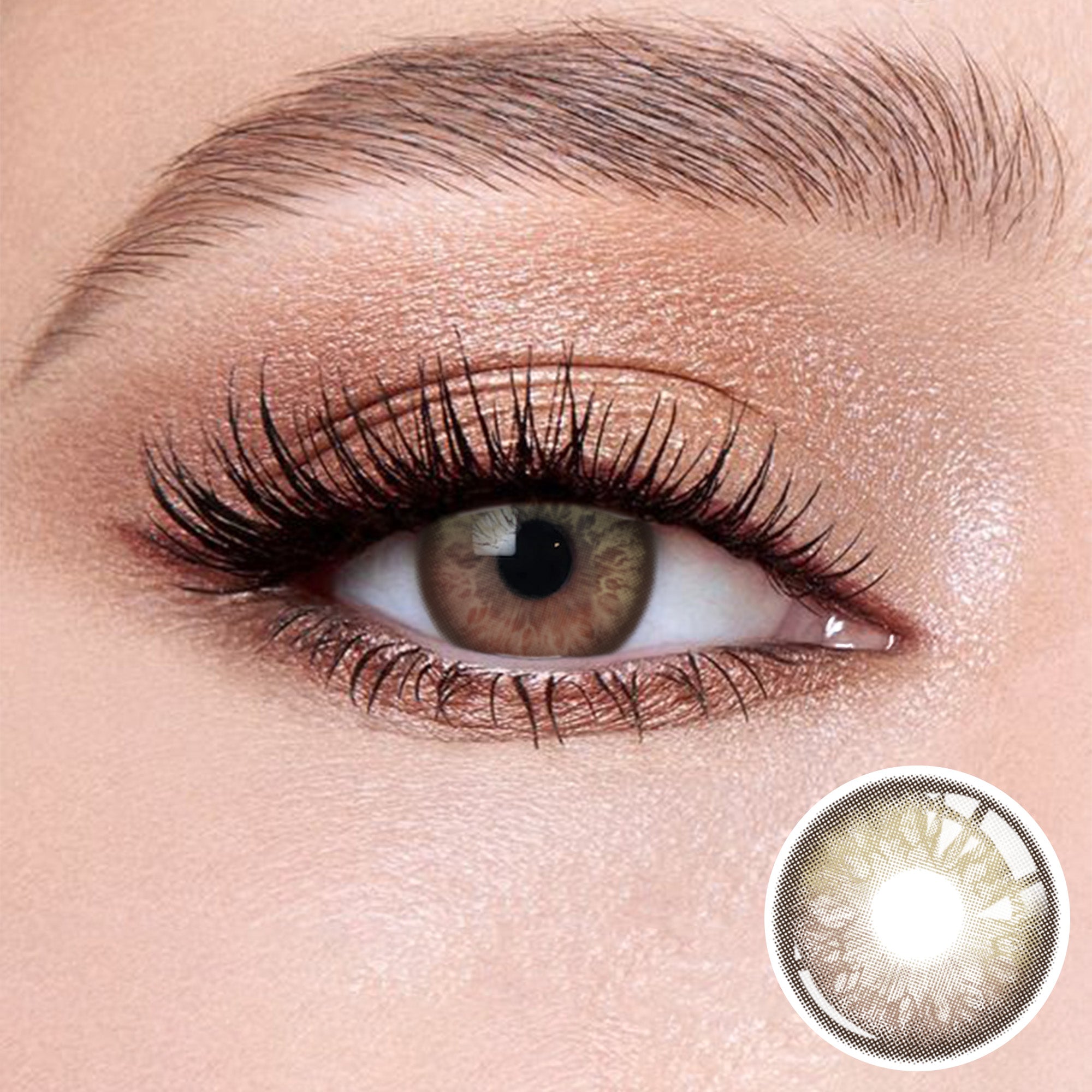
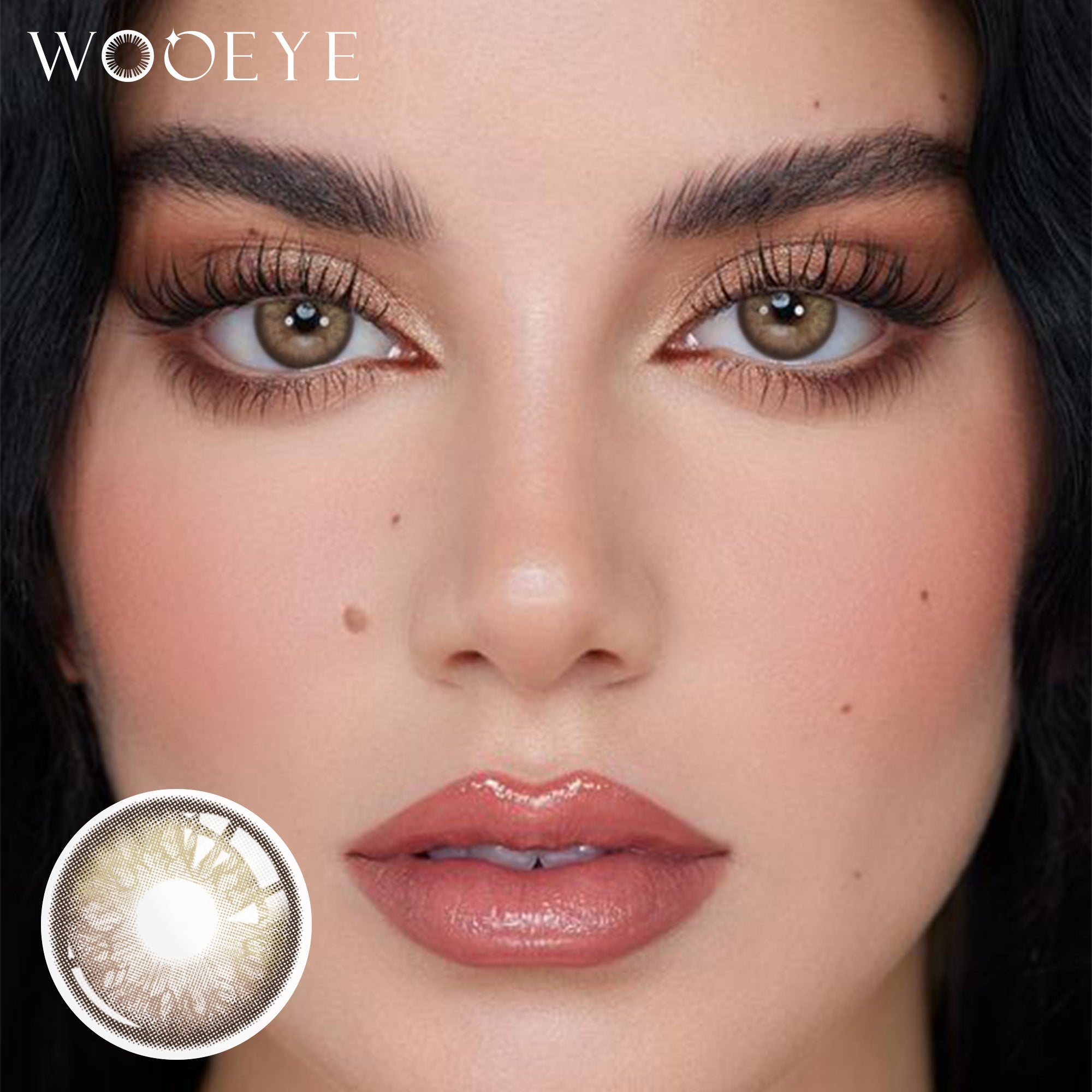
If you want to try a warmer everyday shade, you can try WOOEYE brown colored contacts and filter the collection by Brown and your prescription range. The current WOOEYE catalog includes brown options and prescription powers through -8.00.
A Note About WOOEYE
WOOEYE focuses on comfort + natural + safe + prescription-ready colored contacts.
Its lens design combines HEMA material, approximately 40% water content, and sandwich technology, where the pigment is enclosed within the lens structure.
WOOEYE’s current product information also describes its lenses as manufactured under quality management systems associated with FDA, CE, and ISO 13485 compliance.
The important point is that no single specification should be treated as a guarantee that a lens is right for every wearer. Material, design, prescription, fit, hygiene, and wearing habits all work together.
Final Takeaway
So, what is the safest contact lens material?
There isn’t one material that is universally safest for every person.
For soft colored contact lenses, HEMA material can provide a useful combination of softness and moisture. But the overall lens design matters just as much.
Look at the complete picture:
-
HEMA material
-
Oxygen flow
-
Water content
-
Sandwich technology
-
Proper prescription
-
Correct fit
-
Responsible lens care
Modern colored contact lenses are designed for comfort and safety.
And when vision correction is needed, prescription lenses can make colored contacts practical for everyday wear.
The smartest choice is not simply the lens with the highest water content or the lowest price. It is the lens whose material, construction, prescription, and fit are appropriate for your eyes and your lifestyle.
Ready to Try?
Try Brown Colored Contacts by WOOEYE
Natural-looking shades. HEMA material. Prescription options up to -8.00.
Designed for all-day comfort — from the subway to dinner.