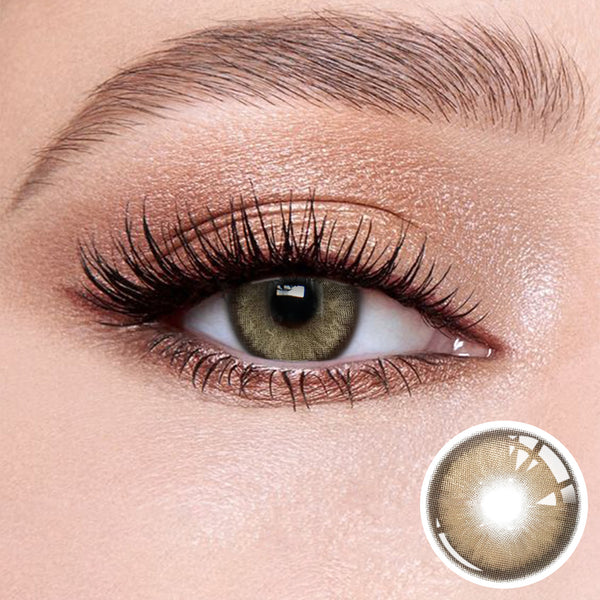
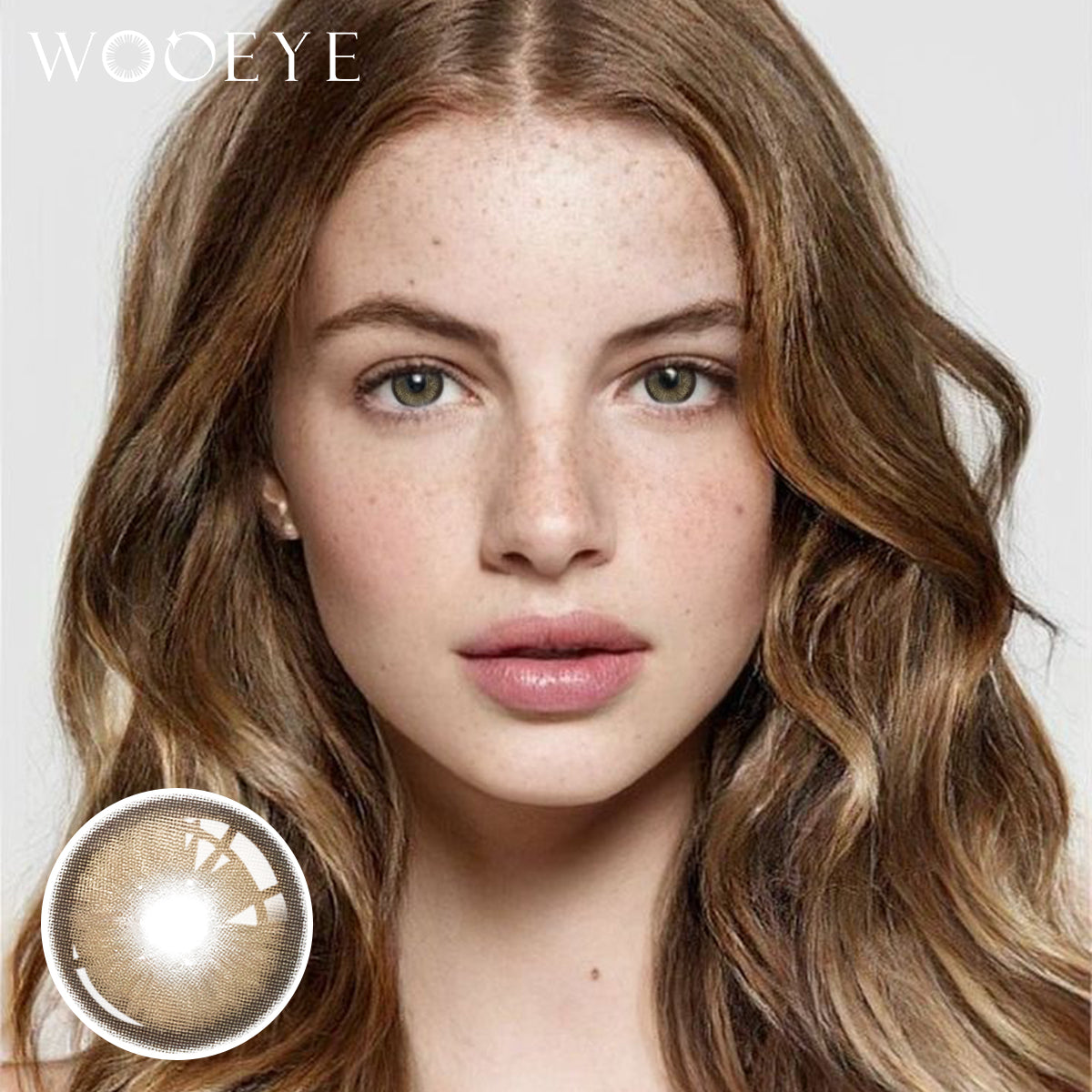
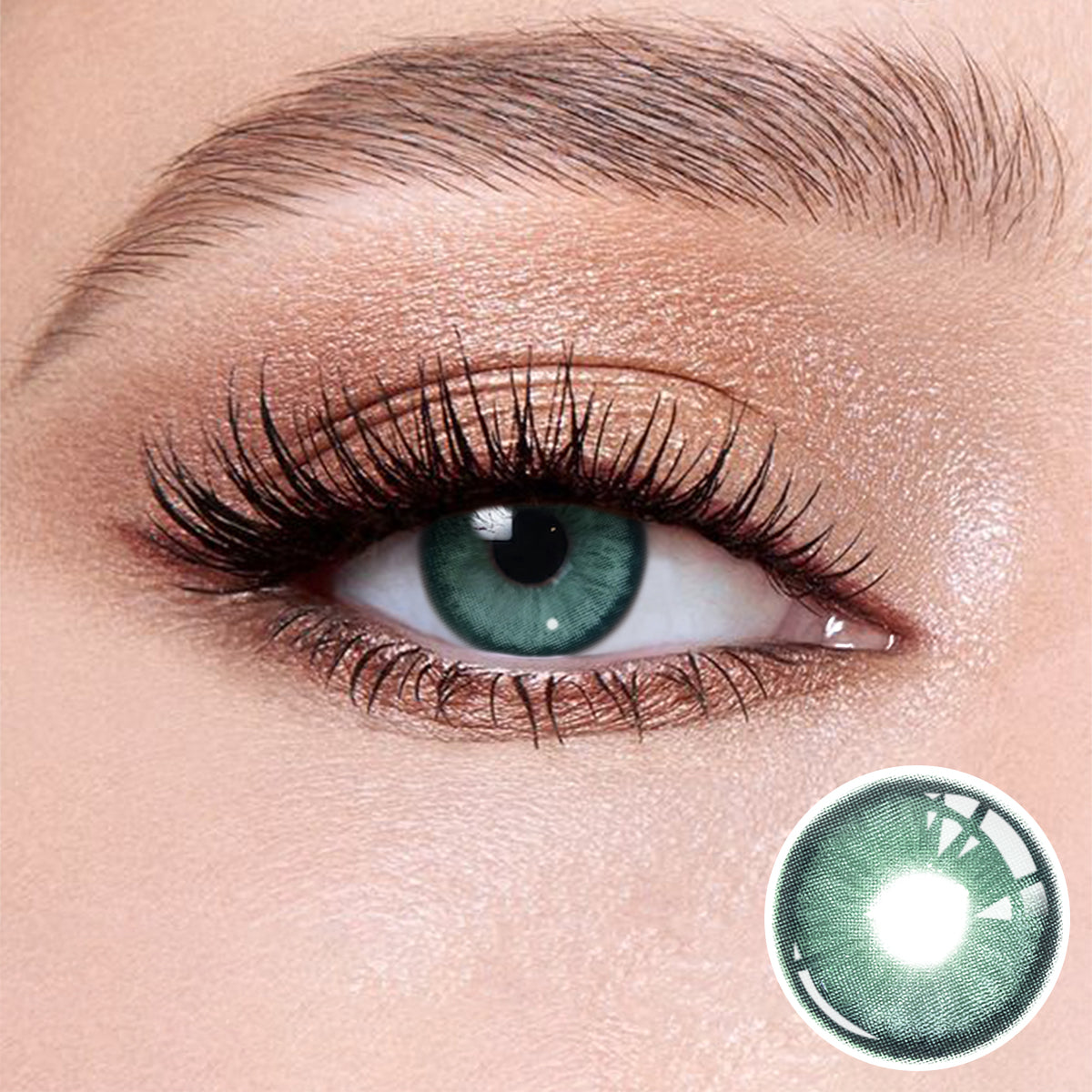
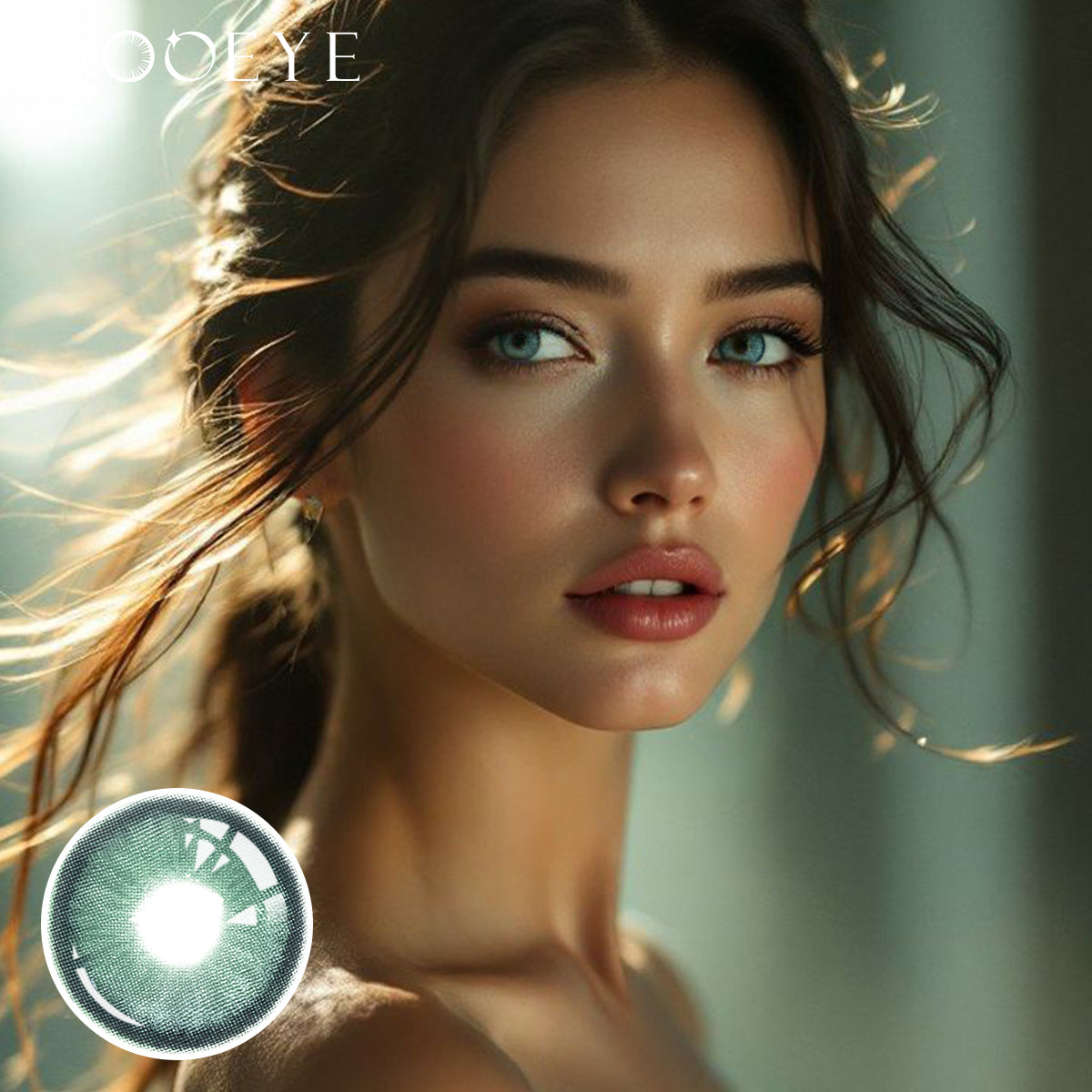
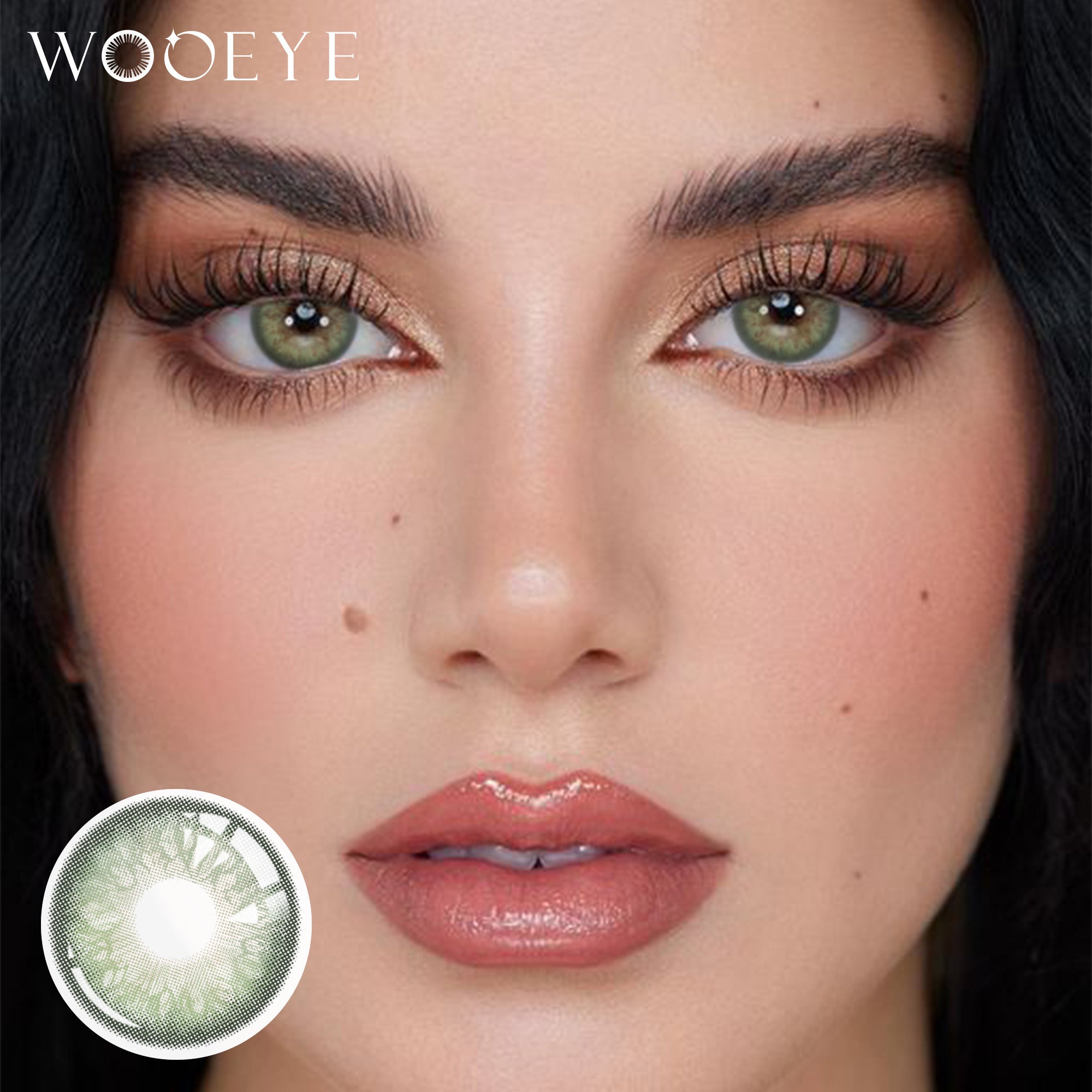
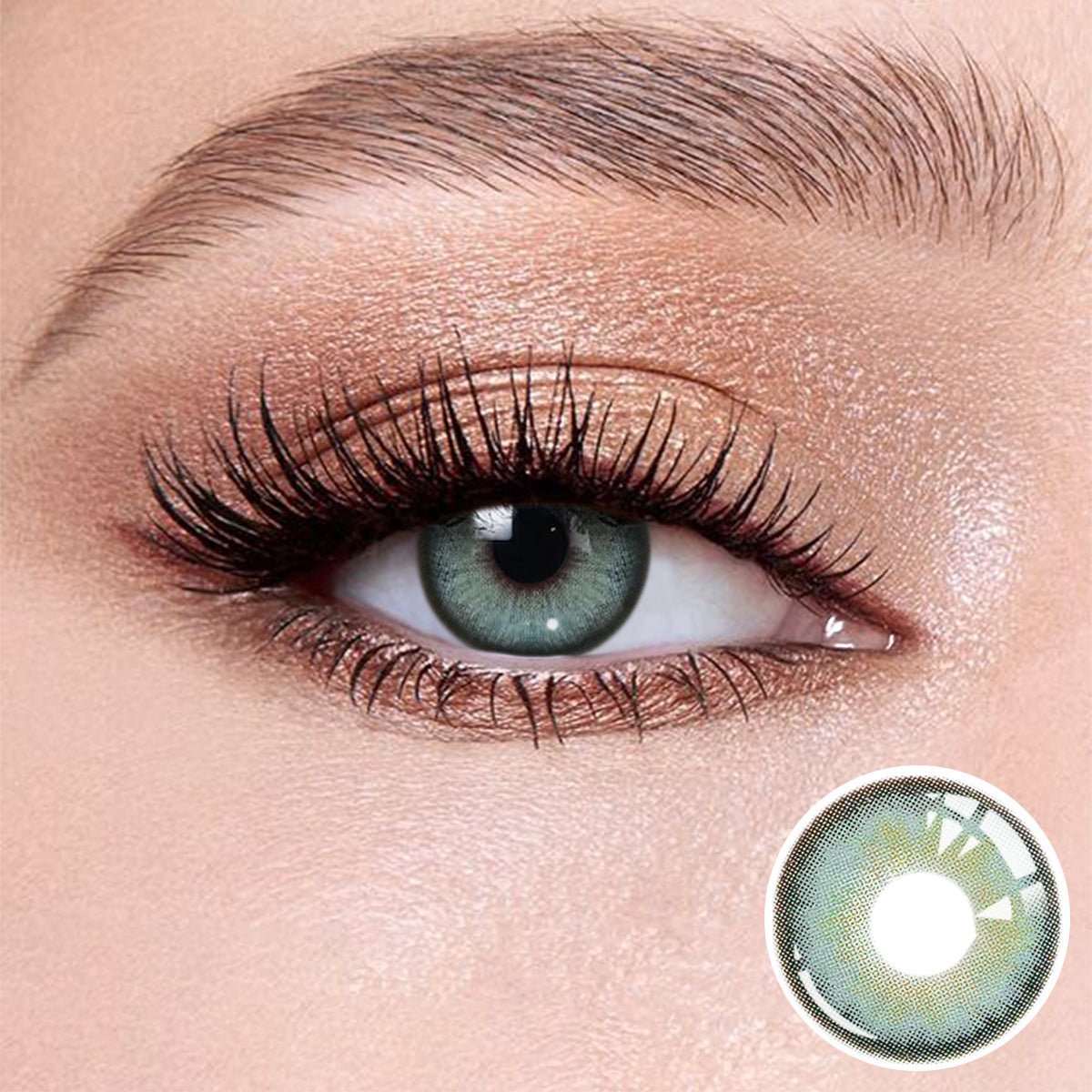
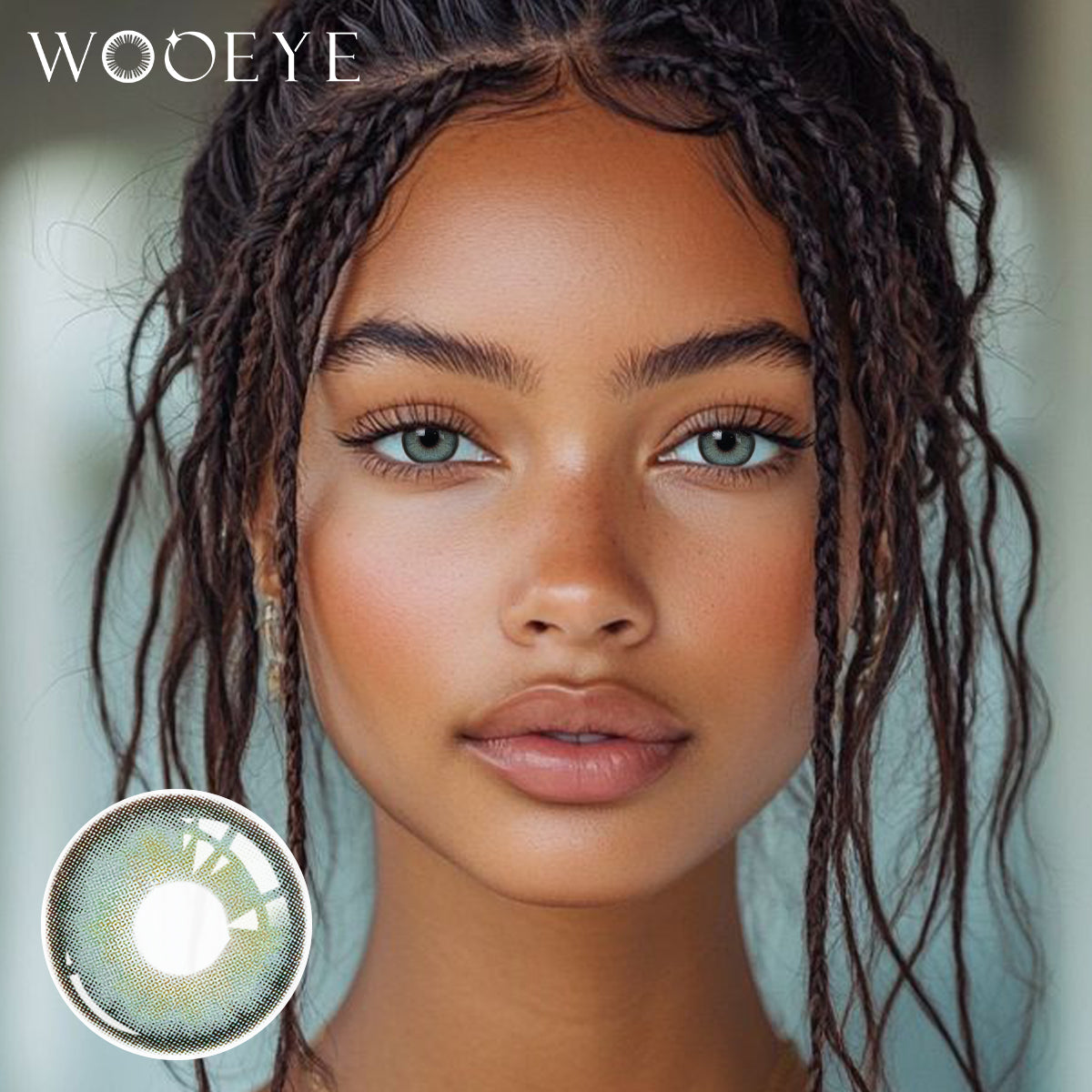
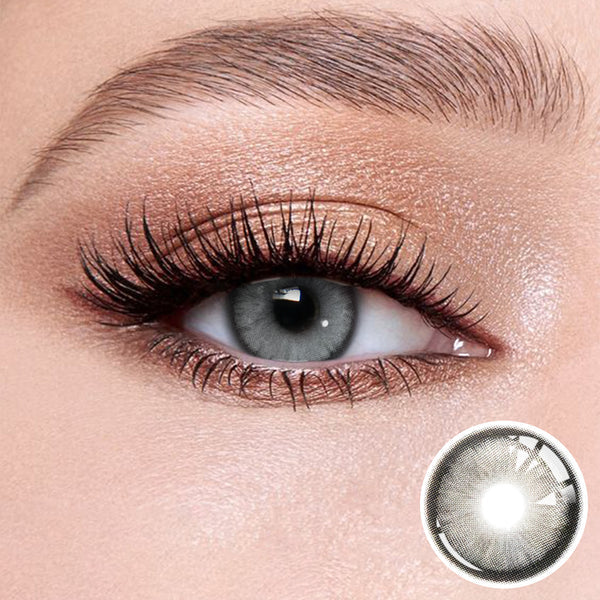
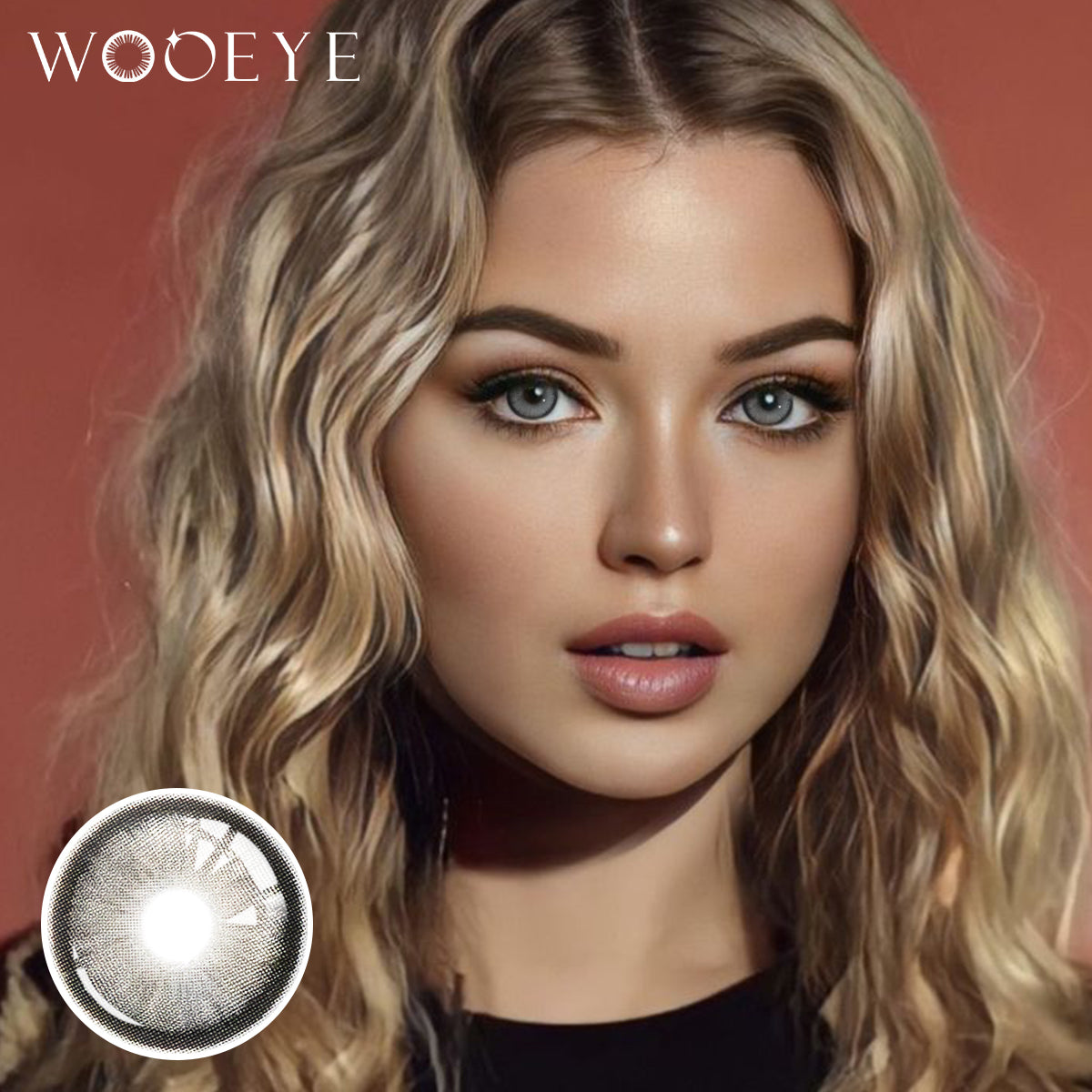
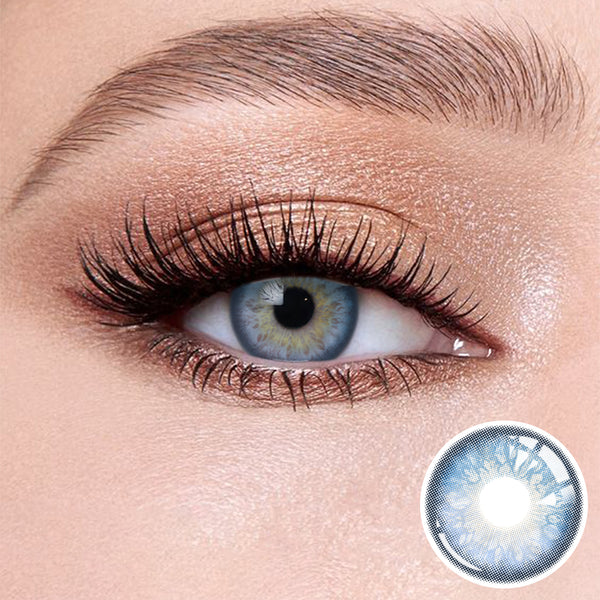
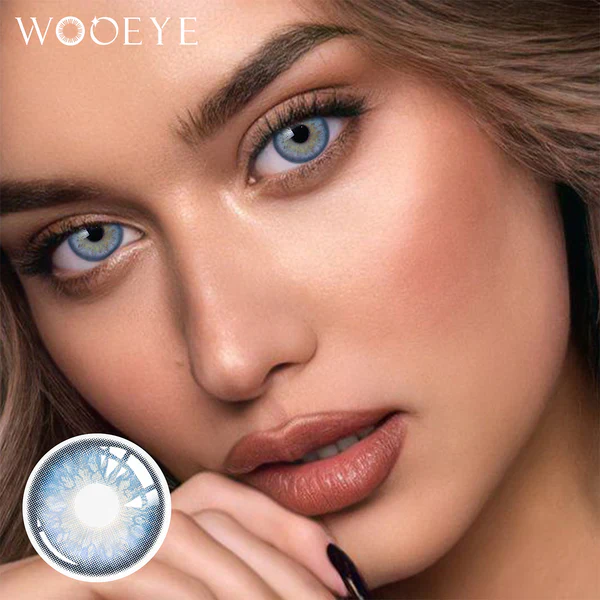
The best contacts for nearsighted people are prescription contact lenses that provide the correct vision correction, fit properly, and match the wearer's lifestyle and eye needs. If you also want to change your eye color, prescription colored contacts can combine myopia correction with a cosmetic color effect.
For everyday wear, look beyond the prescription number. Material, oxygen transmission, water content, lens fit, replacement schedule, and overall lens design all matter.
Modern colored contact lenses are designed for comfort and safety.
For people with higher levels of myopia, the available prescription range is especially important. WOOEYE offers prescription lenses for myopia up to -8.00 diopters, giving nearsighted wearers more options for combining vision correction and colored contacts.
What Does Nearsightedness Mean?
Nearsightedness, or myopia, means you can generally see nearby objects more clearly than distant objects.
Someone with myopia may have difficulty seeing:
- Street signs
- Faces across a room
- Presentations
- Movie screens
- Train signs
- Distant objects while driving
Contact lenses correct this by changing how light enters the eye so that images can be focused more appropriately on the retina.
A prescription might look like:
- -1.00
- -2.50
- -4.00
- -6.00
- -8.00
The minus sign indicates myopia. The higher the negative number, the stronger the correction generally required.
What Are the Best Contacts for Nearsighted People?
There isn't one contact lens that's best for everyone.
The right choice depends on:
- Your prescription
- Your eye shape and lens fit
- How often you wear contacts
- Your environment
- Your preference for clear or colored lenses
- The lens material
- Your replacement schedule
For someone who simply wants clear vision, standard prescription soft lenses may be sufficient.
For someone who wants to combine vision correction with a different eye color, prescription colored contacts can provide both.
Prescription colored contacts can correct vision while changing eye color.
Can Nearsighted People Wear Colored Contacts?
Yes.
Nearsightedness does not automatically prevent you from wearing colored contact lenses.
The key is choosing a colored lens that is available in your appropriate prescription and fits your eyes properly.
For example, someone with -3.00 myopia may be able to choose a brown, hazel, gray, or olive prescription lens rather than wearing a non-prescription cosmetic lens.
This is particularly useful if you normally wear glasses but want a glasses-free look.
What Prescription Range Do Colored Contacts Offer?
Prescription availability varies considerably between brands.
Some colored contact lenses are available only in low prescriptions, while others offer stronger myopia correction.
WOOEYE offers prescription lenses for myopia up to -8.00 diopters.
That means people with prescriptions such as:
- -1.50
- -3.00
- -4.50
- -6.00
- -7.00
- -8.00
may have colored prescription options within the available range.
However, the exact prescription you need should be determined appropriately for contact lens wear rather than simply assuming your glasses prescription can always be transferred directly to contacts.
For Myopia Up to -8.00
WOOEYE Prescription Colored Contacts
Vision correction + natural eye color change — brown, gray, hazel, olive & more.
Shop Prescription Contacts →Glasses Prescription vs. Contact Lens Prescription
This is an important distinction for nearsighted people.
Your glasses sit a short distance in front of your eyes.
Contact lenses sit directly on your eyes.
Because of this difference, a glasses prescription and a contact lens prescription aren't always identical, particularly at stronger prescriptions.
If you're significantly nearsighted, don't simply order contacts based on the number printed on your glasses prescription without checking whether that power is appropriate for contact lens wear.
Proper fitting and prescription selection are important for both vision and comfort.
Daily Disposable vs. Reusable Contacts
Another way to compare contacts for nearsighted people is by replacement schedule.
Daily Disposable
You wear a fresh pair and discard them after use.
Potential advantages include:
- Simple routine
- No overnight storage
- No need to clean and reuse the same lens
- Fresh lenses each day
Reusable
Depending on the specific product, reusable lenses may be replaced on a scheduled basis and require proper cleaning and storage.
The best option depends on your lifestyle and the specific lens instructions.
Don't confuse daily wear with daily disposable. Daily wear describes when you wear the lens; daily disposable describes how often you replace it.
Material Science: HEMA Material, Oxygen Flow, and Sandwich Technology
For nearsighted users, prescription power is only one part of the lens. Material and lens construction also affect the overall wearing experience.
HEMA Material
Many soft colored contact lenses use HEMA material, or Hydroxyethyl Methacrylate.
HEMA is a hydrogel material commonly used in soft contact lens manufacturing.
It can provide:
- Softness
- Flexibility
- Moisture retention
- Natural movement during blinking
WOOEYE uses HEMA material with approximately 40% water content in its colored contact lens designs.
However, HEMA material alone does not determine whether a lens is right for a particular wearer. Prescription, fit, eye condition, wearing time, and proper care all matter.
Oxygen Flow
The cornea needs oxygen from the surrounding environment.
Because a contact lens covers the cornea, the lens material and thickness influence oxygen transmission.
Material choice directly affects comfort and oxygen flow.
For people who wear contacts for many hours, oxygen transmission is an important part of evaluating a lens.
But oxygen performance shouldn't be considered in isolation. Lens thickness, material, water content, fit, and wearing habits also contribute to the overall experience.
Sandwich Technology
Color construction is another consideration when choosing colored contact lenses.
With sandwich technology, the color pigment is enclosed between transparent lens layers.
The basic concept is:
Transparent layer → pigment → transparent layer
This construction is designed to:
- Enclose the color pigment
- Maintain a smoother outer surface
- Create detailed iris patterns
- Support a natural-looking appearance
For people who want prescription correction without giving up the cosmetic aspect of colored contacts, pigment construction becomes part of the overall lens design.
Does Higher Myopia Change How Contacts Feel?
It can.
As prescription power increases, lens design becomes particularly important.
People with stronger myopia may pay closer attention to:
- Visual clarity
- Prescription accuracy
- Lens fit
- Lens movement
- Lens thickness
- Comfort during extended wear
A lens that works well for someone with mild myopia isn't necessarily the best choice for someone with -8.00 diopters.
This is one reason stronger-prescription users should pay attention to both prescription availability and appropriate fitting.
What Colored Contacts Look Good on Nearsighted People?
Prescription correction doesn't limit you to one color.
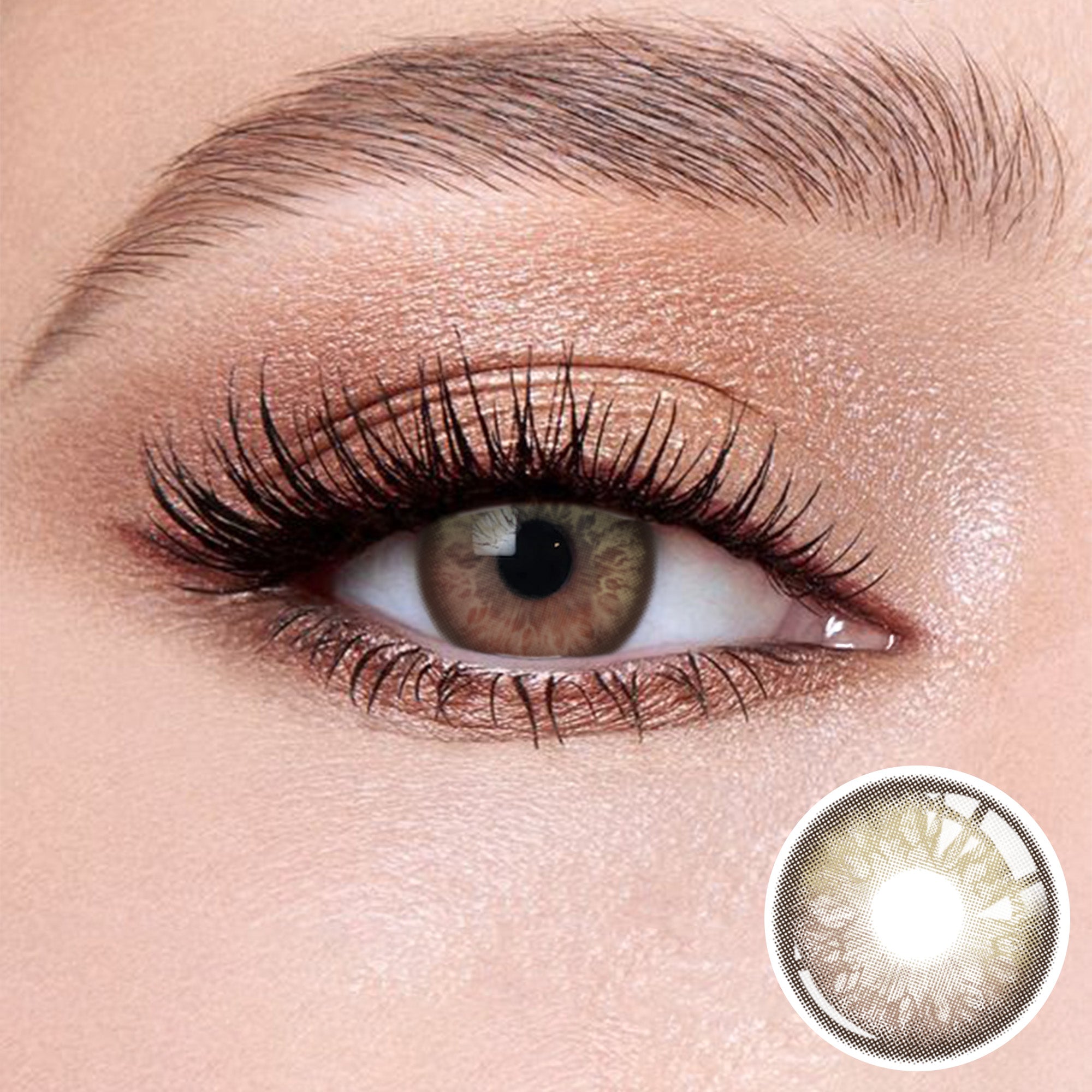
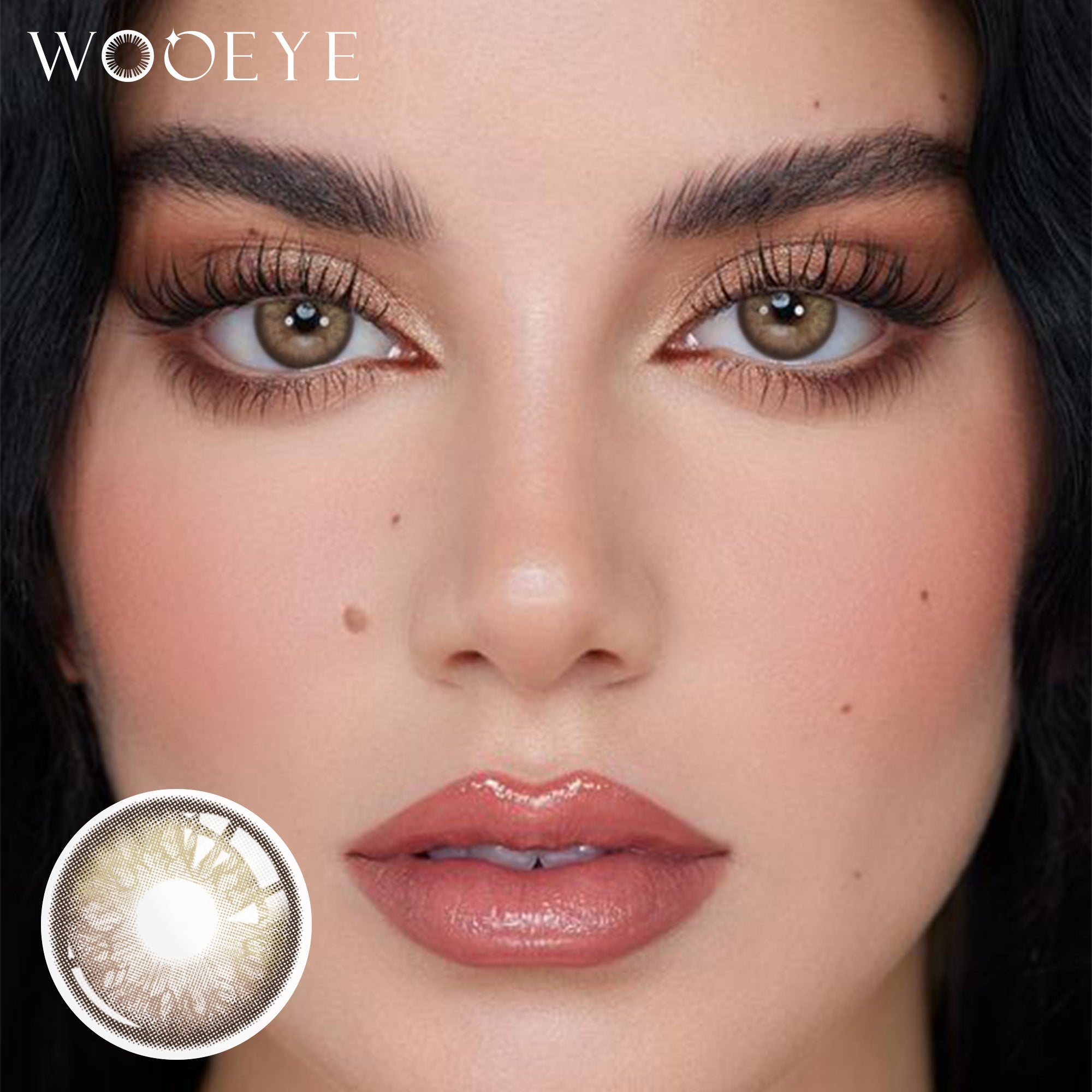
Brown
A reliable choice for an everyday look. Brown contacts can add warmth without making the change too obvious.
Hazel
A little more dimensional, especially in natural daylight. Hazel can combine brown, green, and golden tones.
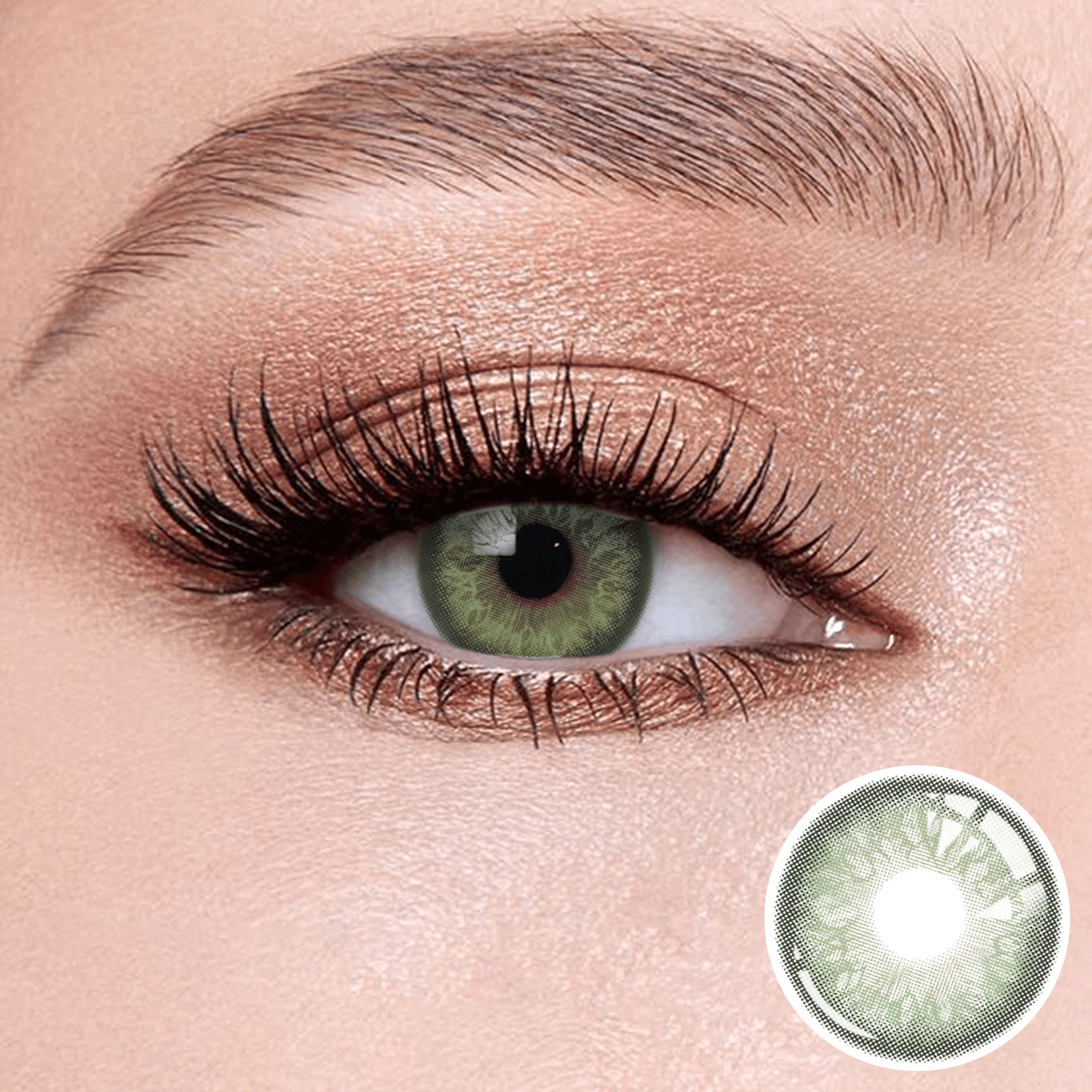
Olive
A subtle option for someone who wants something different without going extremely bright.
Gray
Creates more contrast and works well for a cooler, modern aesthetic.
The best shade ultimately depends on your natural eye color, skin tone, hair, makeup, and the effect you want.
NYC Lifestyle: Contacts for a Nearsighted New Yorker
If you've lived in New York long enough, you know that your day can change quickly.
You might start with:
Subway → office → coffee shop → errands → dinner → late-night walk home.
Glasses work perfectly well for many people, but contacts can be convenient when you're moving between different parts of the city.
Prescription colored contacts can also become part of your style.
Monday meeting
Try a natural brown lens.
Weekend brunch
Hazel adds a little more dimension.
Gallery opening
Soft gray creates a cooler look.
Dinner downtown
Olive gives your eyes a subtle change without going full costume.
The idea is less about making your contacts obvious and more about making them work with your overall look.
Find Your Everyday Shade
Shop WOOEYE Prescription Colored Contacts
How to Choose the Best Contacts for Your Myopia
Before buying prescription lenses, consider these factors:
1. Prescription Range
Make sure your required correction is actually available.
2. Lens Fit
The lens needs to be appropriate for your eye shape and size.
3. Material
Check whether the manufacturer clearly states the lens material, such as HEMA material.
4. Oxygen Transmission
Consider how the lens is designed to allow oxygen to reach the cornea.
5. Water Content
Water content can affect lens characteristics, but higher water content doesn't automatically mean better comfort.
6. Color Design
If you're choosing colored contact lenses, look for natural gradients and iris details.
7. Replacement Schedule
Know whether you're purchasing daily disposable lenses or reusable lenses.
A Note About WOOEYE
WOOEYE focuses on comfort + natural + safe + prescription-ready colored contacts.
Its colored contact lenses use HEMA material, approximately 40% water content, and sandwich technology, with the pigment enclosed within the lens structure.
WOOEYE offers prescription lenses for myopia up to -8.00 diopters, allowing nearsighted users to combine vision correction with different eye-color styles.
The important thing is that prescription range is only one consideration. Proper fit, appropriate wearing habits, lens care, and individual eye needs remain important.
FAQ: Best Contacts for Nearsighted People
What are the best contacts for people with myopia?
The best contacts are those that provide the appropriate prescription, fit your eyes correctly, and suit your wearing schedule and lifestyle. If you want an eye-color change, prescription colored contacts are another option.
Can I get colored contacts with a -8.00 prescription?
Some brands offer stronger prescription ranges. WOOEYE offers prescription colored contacts up to -8.00 diopters for myopia.
Can I use my glasses prescription to order colored contacts?
Not always. Contact lens prescriptions can differ from glasses prescriptions, especially at stronger powers. Appropriate contact lens fitting and prescription selection are important.
Are colored contacts safe for nearsighted people?
Nearsightedness itself doesn't make colored contacts inherently unsafe. The lens needs to be appropriate for your prescription, properly fitted, correctly manufactured, and used according to its instructions.
Are daily contacts better for nearsighted people?
Daily disposable lenses can offer a convenient routine, but they're not automatically better for everyone. The appropriate lens depends on your eyes, prescription, lifestyle, and the specific product.
Final Takeaway
The best contacts for nearsighted people are the ones that combine accurate vision correction, appropriate fit, suitable lens material, and a wearing schedule that works for your lifestyle.
If you want both vision correction and a cosmetic change, prescription colored contacts can provide an alternative to wearing glasses.
When comparing options, consider:
- Prescription range
- HEMA material
- Water content
- Oxygen flow
- Sandwich technology
- Lens fit
- Replacement schedule
- Color design
Modern colored contact lenses are designed for comfort and safety.
For stronger myopia, having access to the right prescription lenses can make a major difference. But the number on the prescription is only one part of the decision — the complete lens design and how it fits your eyes matter just as much.
Made for Nearsighted Wearers
Shop WOOEYE Prescription Colored Contacts
Up to -8.00 — HEMA material, sandwich technology, natural-looking shades for everyday life.