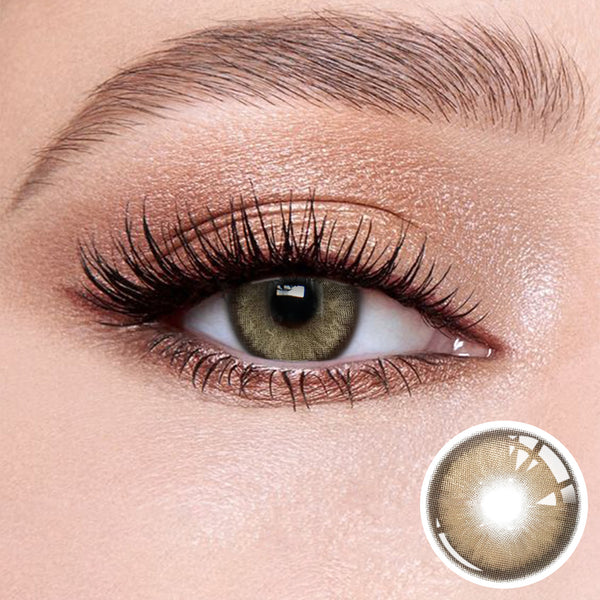
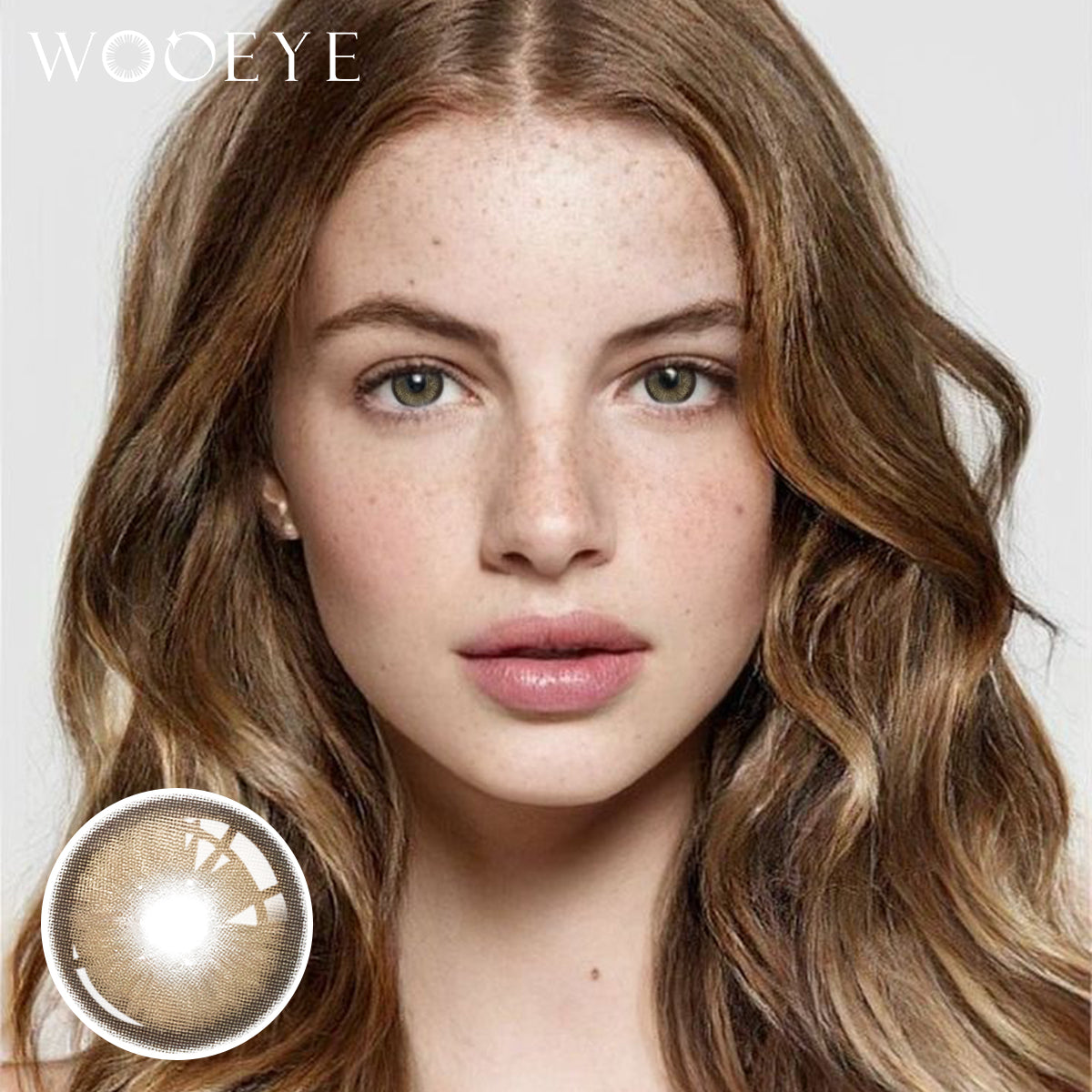
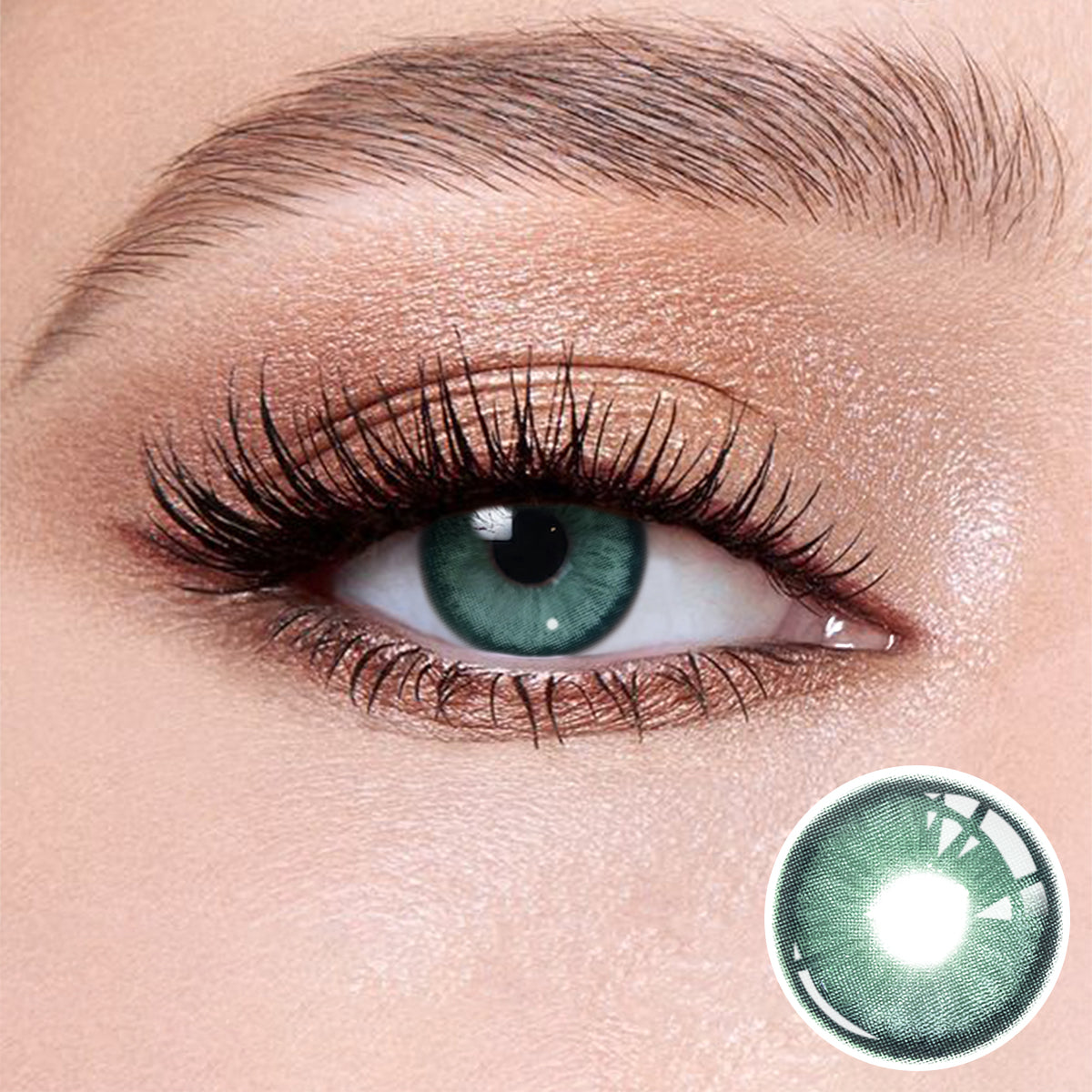
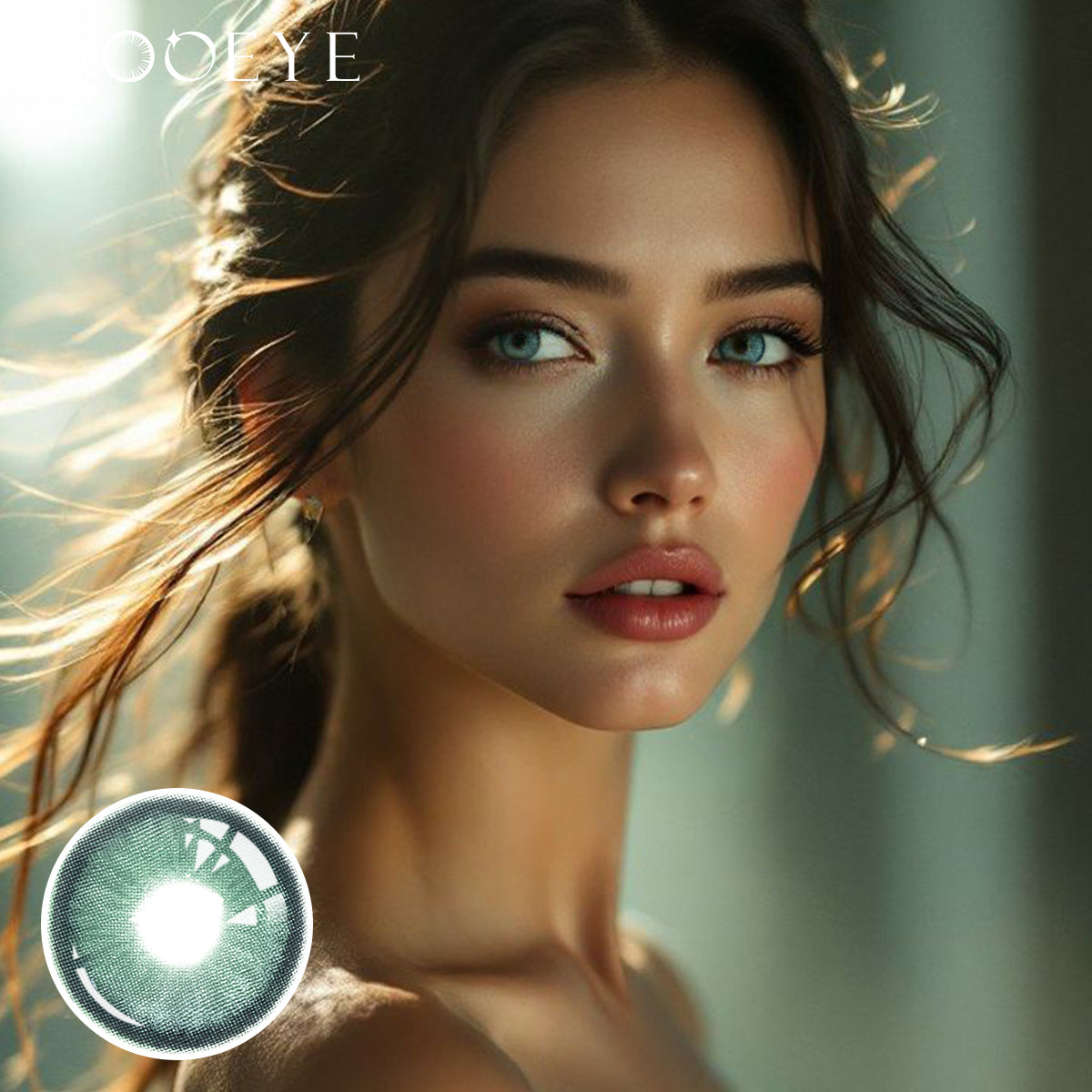
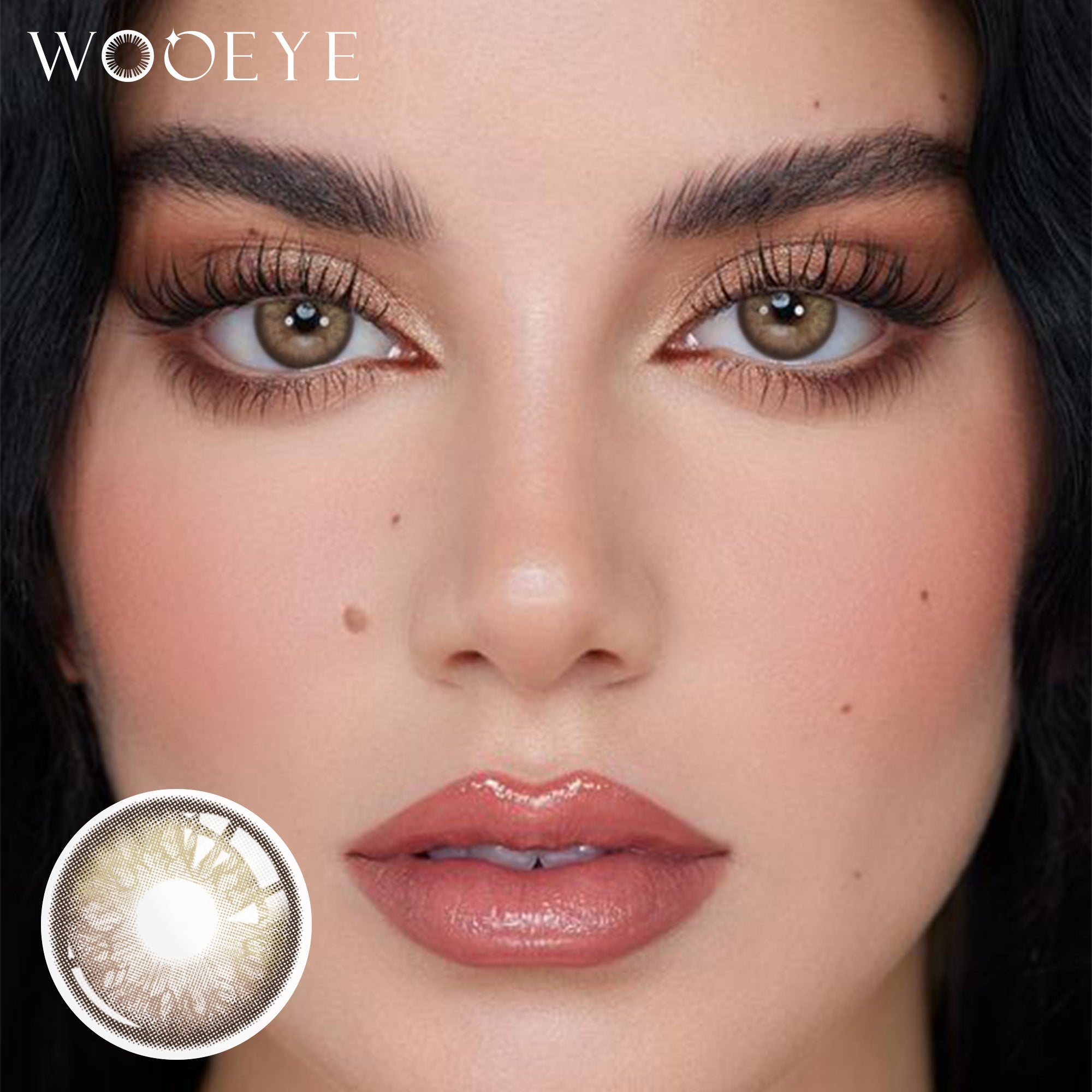
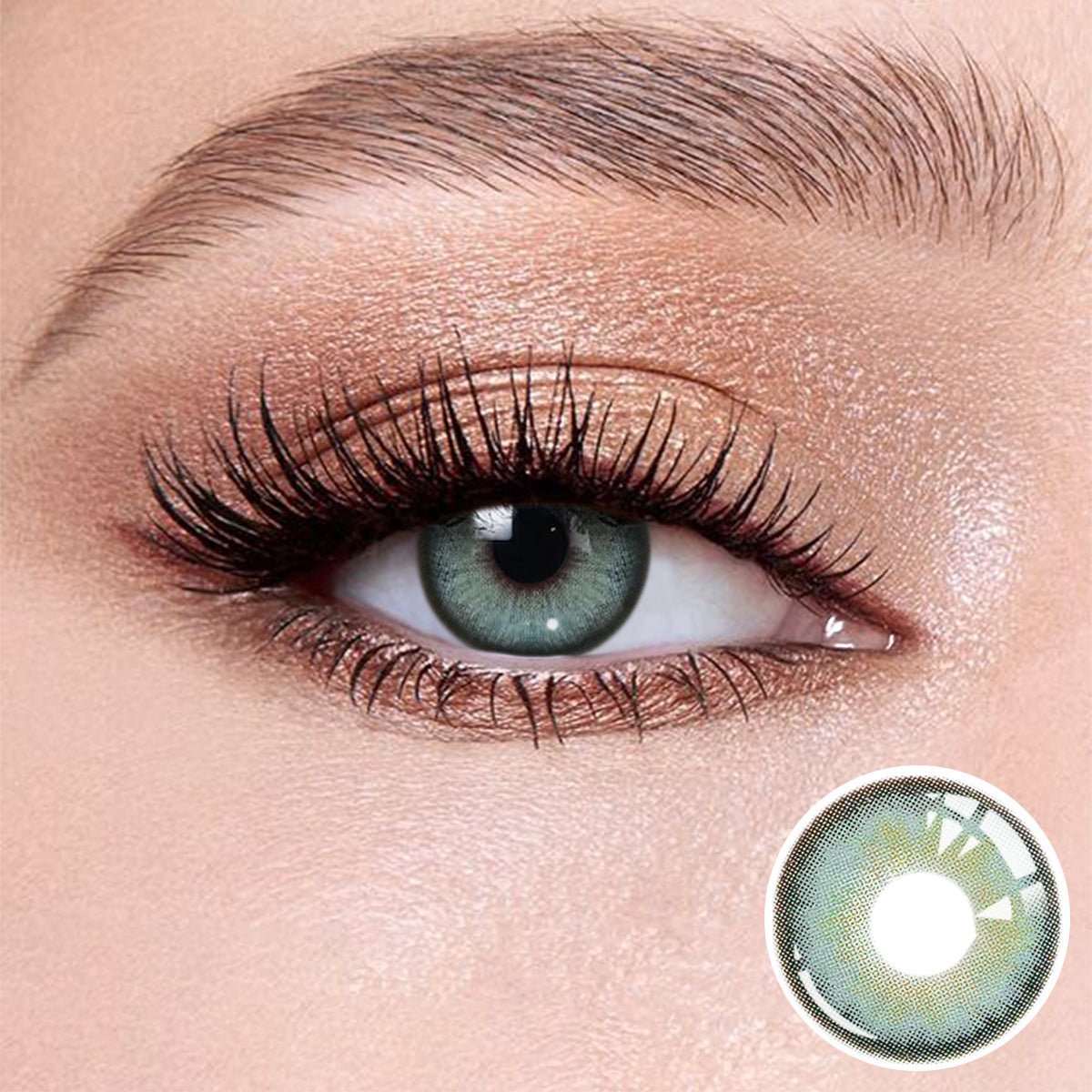
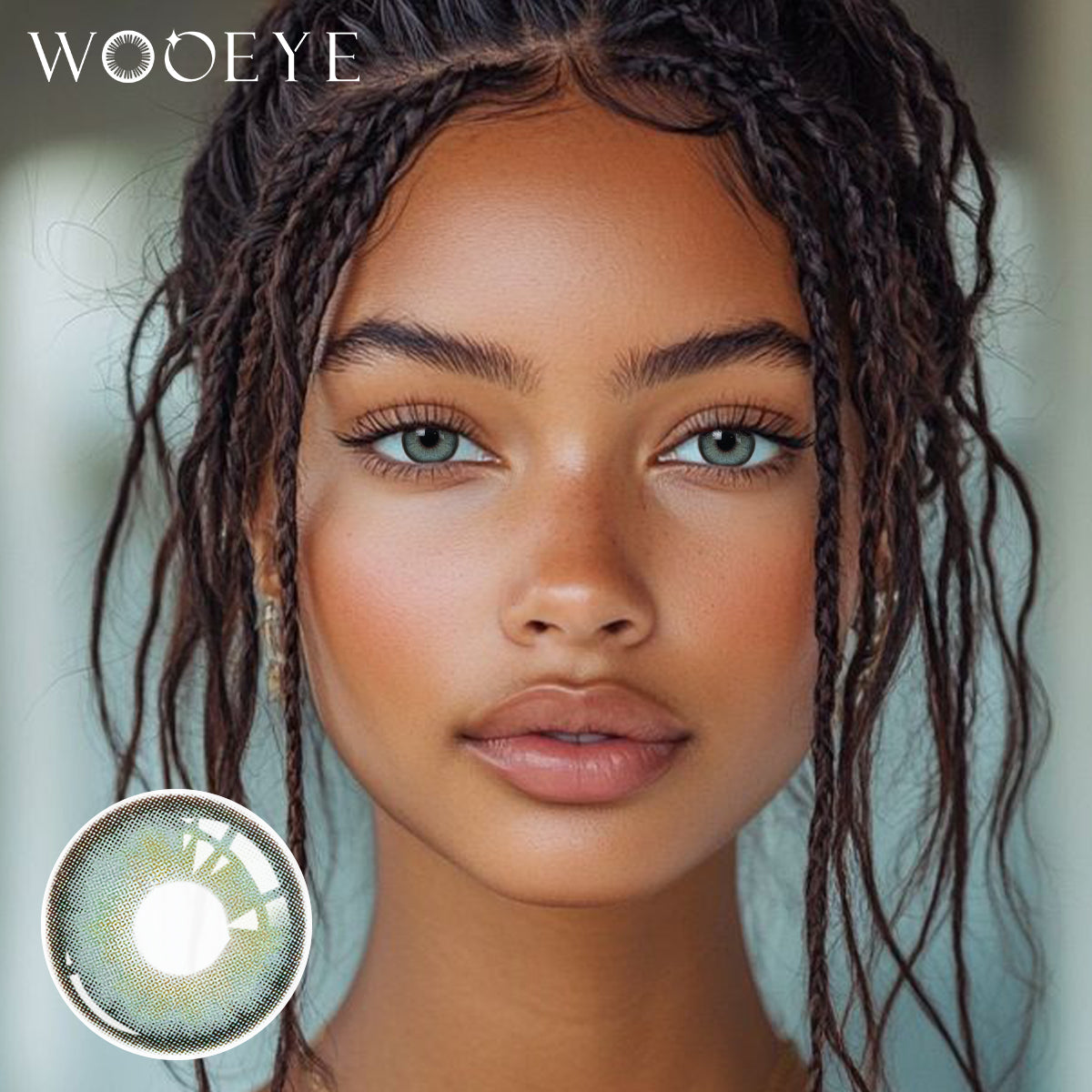
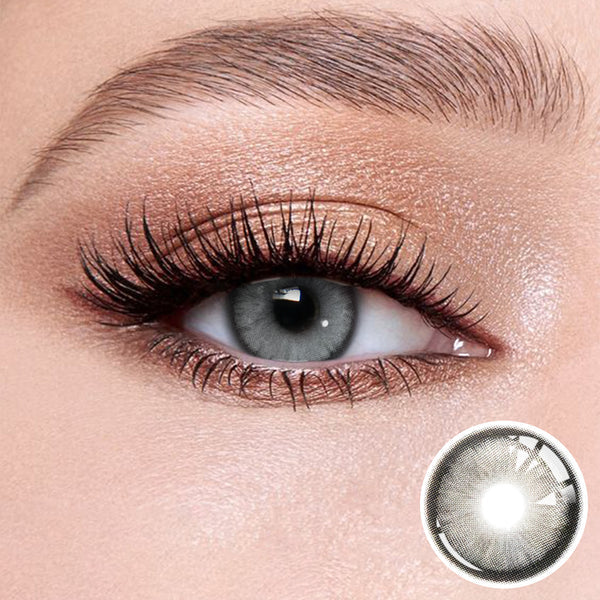
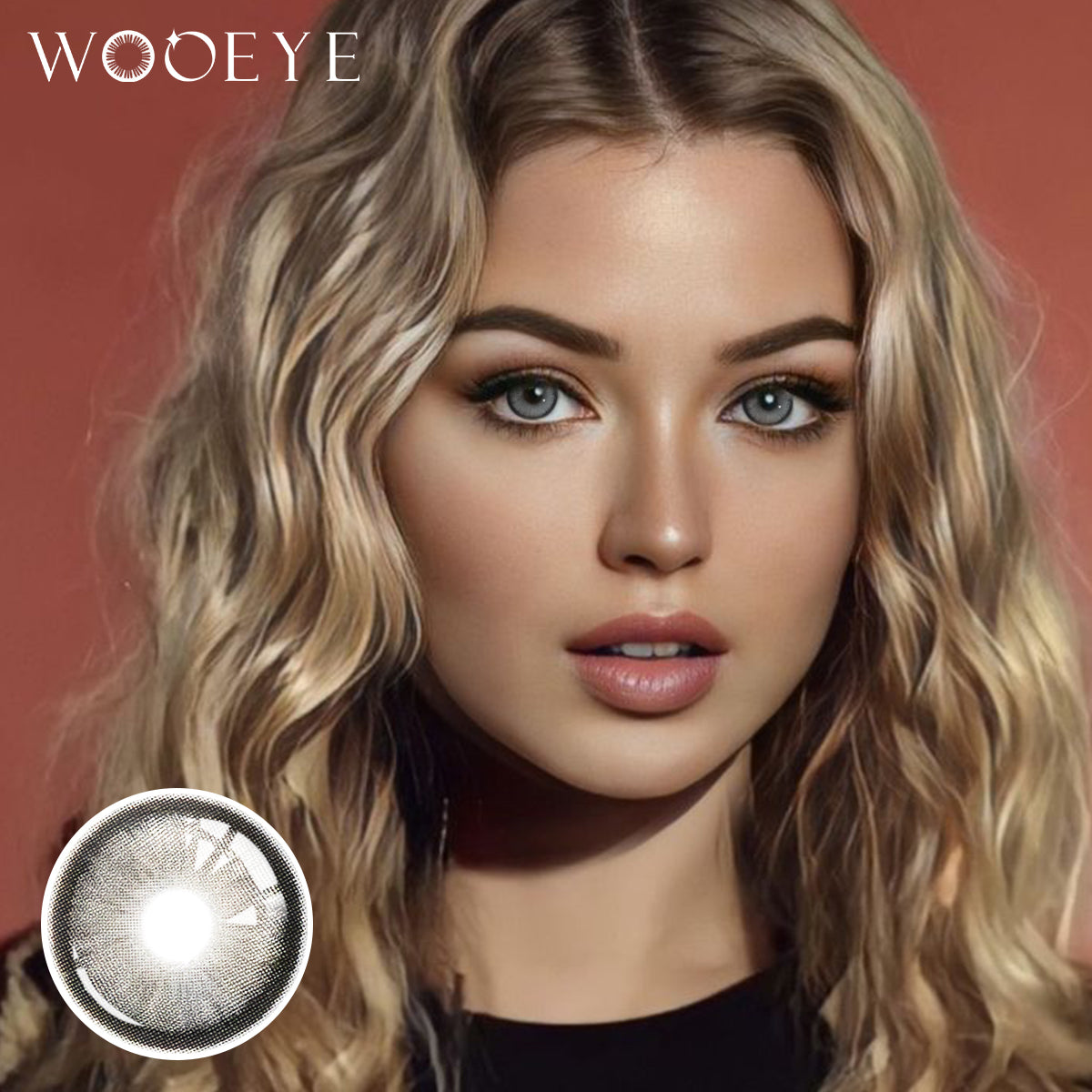
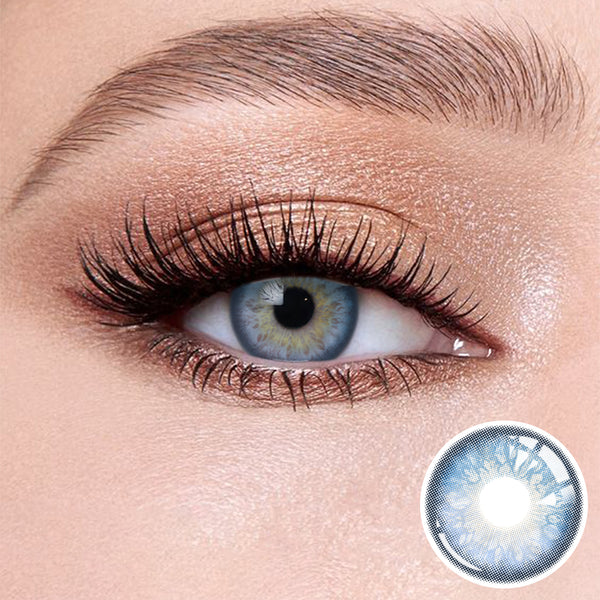
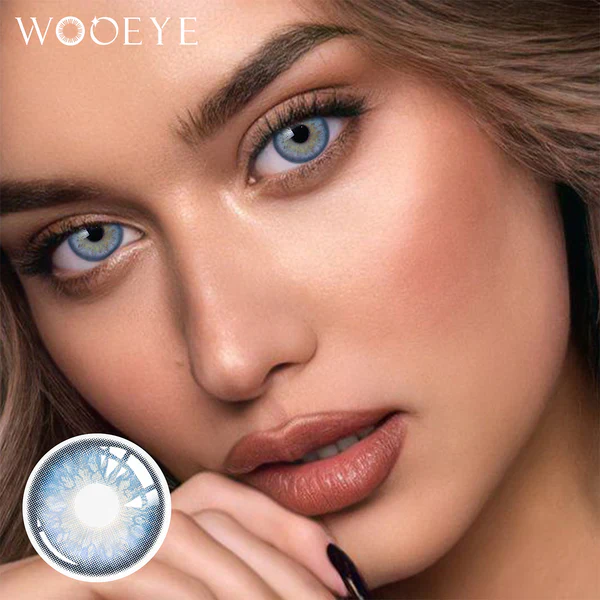
Colored contacts should not significantly reduce vision clarity when they are properly fitted, correctly prescribed, well manufactured, and worn as directed. However, some colored contact lenses can temporarily affect clarity because of an incorrect prescription, poor fit, lens movement, dryness, deposits, or the colored portion interfering with the pupil under certain lighting conditions.
For people with myopia, prescription colored contacts can provide vision correction while changing eye color.
Modern colored contact lenses are designed for comfort and safety.
Can Colored Contacts Make Your Vision Blurry?
They can, but blurry vision is not something you should simply accept as normal contact lens wear.
If your vision becomes blurry while wearing colored contact lenses, there are several possible explanations.
Common causes include:
- Incorrect prescription
- Poor lens fit
- Lens moving excessively when you blink
- Dry eyes
- Dirt or deposits on the lens
- Damaged or scratched lenses
- Wearing lenses beyond the recommended schedule
- The colored portion of the lens interacting with your pupil
Occasional slight changes in clarity can happen, but persistent or significant blurry vision deserves attention.
If you experience sudden vision changes, significant pain, redness, or light sensitivity, remove the lenses and seek professional eye care.
Do Colored Contacts Affect Peripheral Vision?
Normally, properly designed colored contact lenses should not noticeably restrict your vision.
However, some cosmetic lenses have larger or more opaque color patterns. In certain lighting conditions, the pupil can become larger than the clear center of the lens.
For example, your pupils naturally dilate in:
- Dim restaurants
- Movie theaters
- Concert venues
- Nighttime streets
If the clear central area of a colored lens is relatively small, the pupil may extend beyond it, potentially causing visual effects such as:
- Hazy vision
- Reduced contrast
- A slight shadow or halo
- Difficulty seeing clearly in low light
This is one reason lens design matters beyond simply choosing a color.
Can Prescription Colored Contacts Correct Myopia?
Yes.
Prescription colored contacts can correct vision while changing eye color.
For people who normally wear glasses, prescription lenses can combine vision correction with a cosmetic color change.
For example, someone with myopia might choose:
- Brown prescription contacts
- Hazel prescription contacts
- Gray prescription contacts
- Olive prescription contacts
The important distinction is that cosmetic colored contacts and prescription colored contacts are not the same thing.
If you need vision correction, make sure the lens is actually available in the appropriate prescription and is suitable for your eyes.
See Clearly. Look Great.
Shop Prescription Colored Contacts
Vision correction up to -8.00 — available in brown, gray, blue, green, and more.
Shop Prescription Contacts →Why Can My Vision Be Blurry With Prescription Contacts?
Even when the prescription is technically correct, clarity can still be affected by lens fit.
Contact lenses sit directly on your eyes, while glasses sit in front of them. This means contact lenses interact with your cornea and tear film.
Factors such as:
- Base curve
- Diameter
- Lens movement
- Corneal shape
- Tear film
- Prescription power
can influence visual clarity.
A lens that moves too much may create fluctuating vision every time you blink.
For stronger prescriptions, proper contact lens fitting becomes particularly important.
Material Science: HEMA Material, Oxygen Flow, and Sandwich Technology
The material and construction of colored contact lenses can influence both comfort and visual performance.
HEMA Material
Many soft colored contact lenses use HEMA material, or Hydroxyethyl Methacrylate.
HEMA material is a soft hydrogel material commonly used in contact lens manufacturing.
It can provide:
- Softness
- Flexibility
- Moisture retention
- Natural lens movement
A comfortable lens is more likely to remain stable on the eye, which can contribute to a more consistent visual experience.
However, material alone does not determine clarity. Prescription accuracy, fit, lens design, and eye condition also matter.
Oxygen Flow
The cornea requires oxygen to maintain normal function.
Because a contact lens sits over the cornea, the lens material and thickness influence oxygen transmission.
Material choice directly affects comfort and oxygen flow.
A well-designed lens needs to balance:
- Oxygen transmission
- Water content
- Lens thickness
- Surface characteristics
- Lens stability
If a lens becomes uncomfortable or excessively dry, vision can also become temporarily less clear.
Sandwich Technology
For colored contact lenses, pigment placement is another important design consideration.
With sandwich technology, the color pigment is enclosed between transparent lens layers.
This construction is designed to:
- Enclose the pigment within the lens
- Create more detailed iris patterns
- Maintain a smoother outer surface
- Support a natural-looking appearance
The goal is to create a realistic color effect without relying on a rough pigment layer directly exposed on the surface.
Does Water Content Affect Vision Clarity?
It can indirectly.
Water content affects the physical characteristics of a soft contact lens, including its flexibility and moisture behavior.
WOOEYE colored contact lenses use approximately 40% water content with HEMA material.
However, higher water content does not automatically mean clearer vision or greater comfort.
Visual clarity depends on the complete lens system:
material + water balance + fit + prescription + lens design + tear film.
For example, if your eyes become dry during a long workday, your vision may temporarily fluctuate even if your prescription is correct.
Why Do Colored Contacts Sometimes Look Less Clear at Night?
This can happen because your pupils become larger in low-light environments.
Imagine walking through SoHo after dinner. Under bright store lights, your pupils may be relatively small. When you turn onto a darker street, they naturally expand.
If your colored contact lens has a defined clear pupil zone, a larger pupil can potentially extend into the colored area.
Depending on the lens design and your individual eyes, this may create:
- Slight haze
- Reduced contrast
- Halos
- A feeling that vision is less crisp
This doesn’t necessarily mean the lens is defective. It can be a result of the interaction between pupil size and lens design.
Colored Contacts and NYC Lifestyle
NYC is basically a real-world test for your contact lenses.
You might wear them from:
Subway → office → coffee run → dinner → rooftop bar.
That means your eyes encounter:
- Indoor heating
- Air conditioning
- Computer screens
- Wind
- Bright sunlight
- Dim restaurants
- Nighttime streets
A lens that feels perfect for two hours may behave differently after eight hours.
That’s why people choosing everyday colored contact lenses often prefer natural designs that don’t overpower the eye.
Brown
Warm, subtle, and easy for everyday wear.
Hazel
Adds definition while keeping a natural appearance.
Gray
A cooler, more fashion-forward look.
Olive
A little more distinctive without looking overly dramatic.
How to Keep Your Vision Clear With Colored Contacts
A few simple habits can make a noticeable difference.
1. Use the Correct Prescription
If you need vision correction, choose appropriate prescription lenses.
2. Make Sure the Lens Fits
A lens that moves excessively can cause fluctuating vision.
3. Keep Lenses Clean
Deposits and contamination can affect both comfort and clarity.
4. Follow the Replacement Schedule
Don’t continue wearing lenses beyond their recommended replacement period.
5. Don’t Ignore Persistent Blurry Vision
If your vision remains blurry after removing and replacing the lens, stop wearing the lenses and consult an eye-care professional.
A Note About WOOEYE
WOOEYE focuses on comfort + natural + safe + prescription-ready colored contacts.
Its colored contact lenses use HEMA material, approximately 40% water content, and sandwich technology, with the pigment enclosed within the lens structure.
WOOEYE also offers prescription lenses for myopia up to -8.00 diopters, allowing users to combine vision correction with colored contacts.
The important distinction is that lens technology is only part of visual performance. Correct prescription, appropriate fitting, eye health, wearing habits, and individual pupil size can all affect how clearly a person sees.
FAQ: Colored Contacts and Vision Clarity
Are colored contacts less clear than clear contacts?
Not necessarily. A properly fitted colored contact lens can provide clear vision. However, color design, pupil size, lens movement, dryness, and prescription accuracy can influence visual clarity.
Why do my colored contacts make everything look blurry?
Possible causes include an incorrect prescription, poor fit, dryness, deposits, lens damage, or the colored portion extending into your pupil’s visual area.
Can I wear colored contacts if I have high myopia?
Some brands offer prescription lenses for stronger myopia. WOOEYE currently offers prescription colored contacts up to -8.00 diopters. The appropriate prescription and fit should be determined for your eyes.
Should I remove contacts if my vision suddenly becomes blurry?
Yes. Sudden or significant vision changes should not be ignored. Remove the lenses and seek professional eye care, particularly if blurry vision occurs with pain, redness, discharge, or light sensitivity.
Final Takeaway
Do colored contacts affect vision clarity? They can, but properly designed and correctly fitted lenses should provide clear vision.
The biggest factors are:
- Correct prescription
- Proper lens fit
- Pupil-zone design
- Eye moisture
- HEMA material
- Oxygen flow
- Sandwich technology
- Responsible wearing and care
Modern colored contact lenses are designed for comfort and safety.
If you need vision correction, prescription lenses allow you to combine clear vision with a different eye color. The right lens should enhance your look without getting in the way of how you see the city around you.
Ready to See Clearly in Color?
Shop WOOEYE Prescription Colored Contacts
Natural-looking shades with vision correction up to -8.00 — brown, gray, blue, green, and more.
Shop Prescription Contacts →