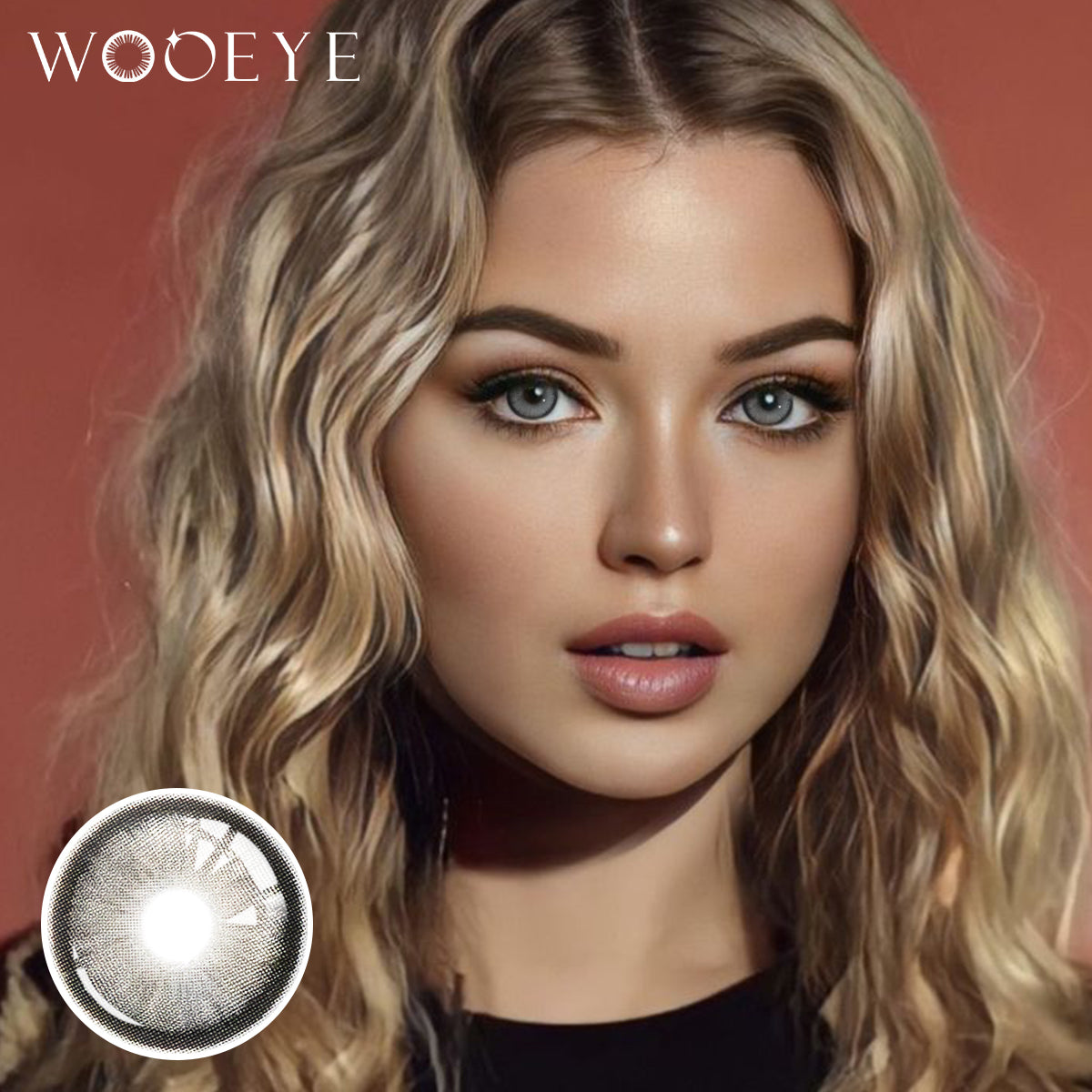
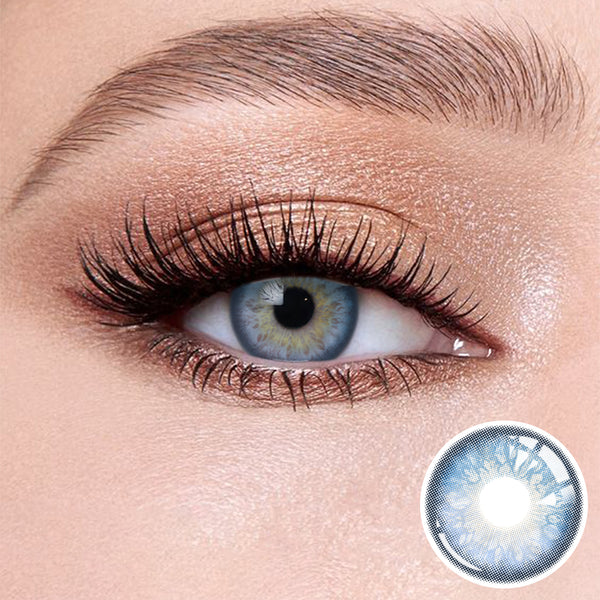
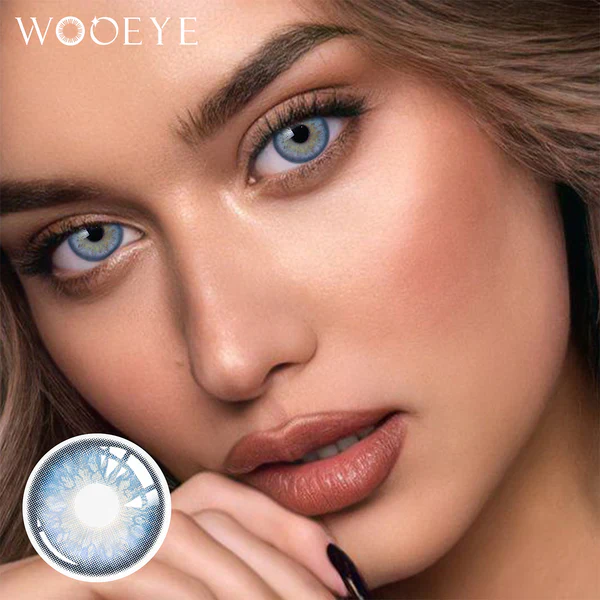
Designer colored contacts can be worth the extra cost when the higher price reflects better lens construction, material quality, realistic color design, prescription options, and manufacturing controls. But a higher price alone does not guarantee a better or safer lens.
When comparing colored contact lenses, look beyond the brand name. Check the lens material, water content, oxygen performance, pigment construction, prescription availability, and product transparency.
Modern colored contact lenses are designed for comfort and safety.
For people who need vision correction, prescription lenses can combine corrective vision with a cosmetic eye-color change. Prescription colored contacts can correct vision while changing eye color.
What Makes Designer Colored Contacts Different?
The word “designer” can mean different things.
Sometimes you’re paying for a recognizable fashion brand. Other times, the higher price reflects more work behind the actual lens.
A premium colored contact lens may involve investment in:
- More detailed iris patterns
- Multiple pigment tones
- Better color consistency
- Advanced lens materials
- Prescription customization
- Manufacturing quality control
- Packaging and product testing
But there’s an important distinction: Designer does not automatically mean safer.
A famous name should never replace checking the actual lens specifications.
What Are You Actually Paying For?
When you compare a $15 pair of cosmetic contacts with a more expensive pair, the difference isn’t necessarily the pigment itself.
You may be paying for several layers of development.
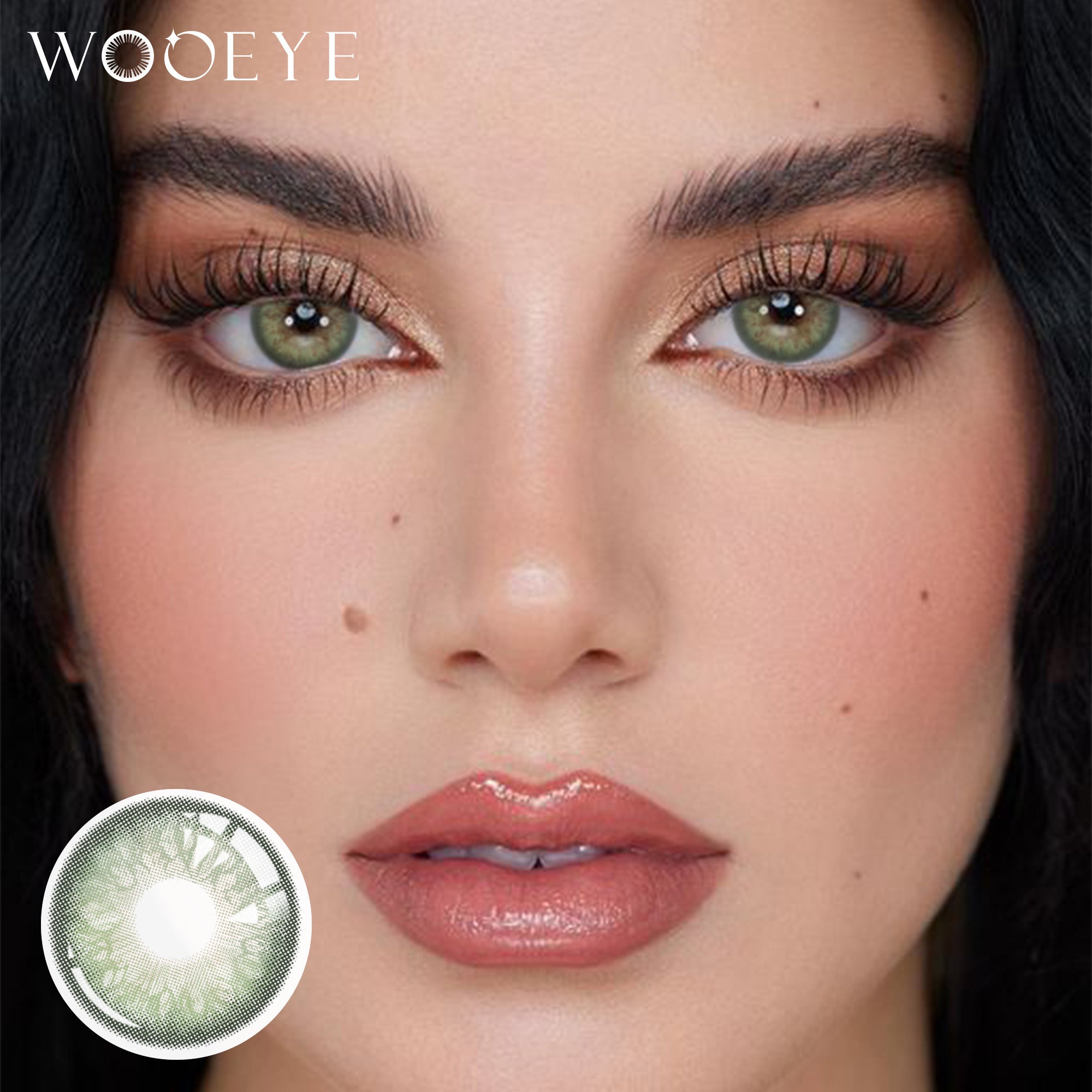
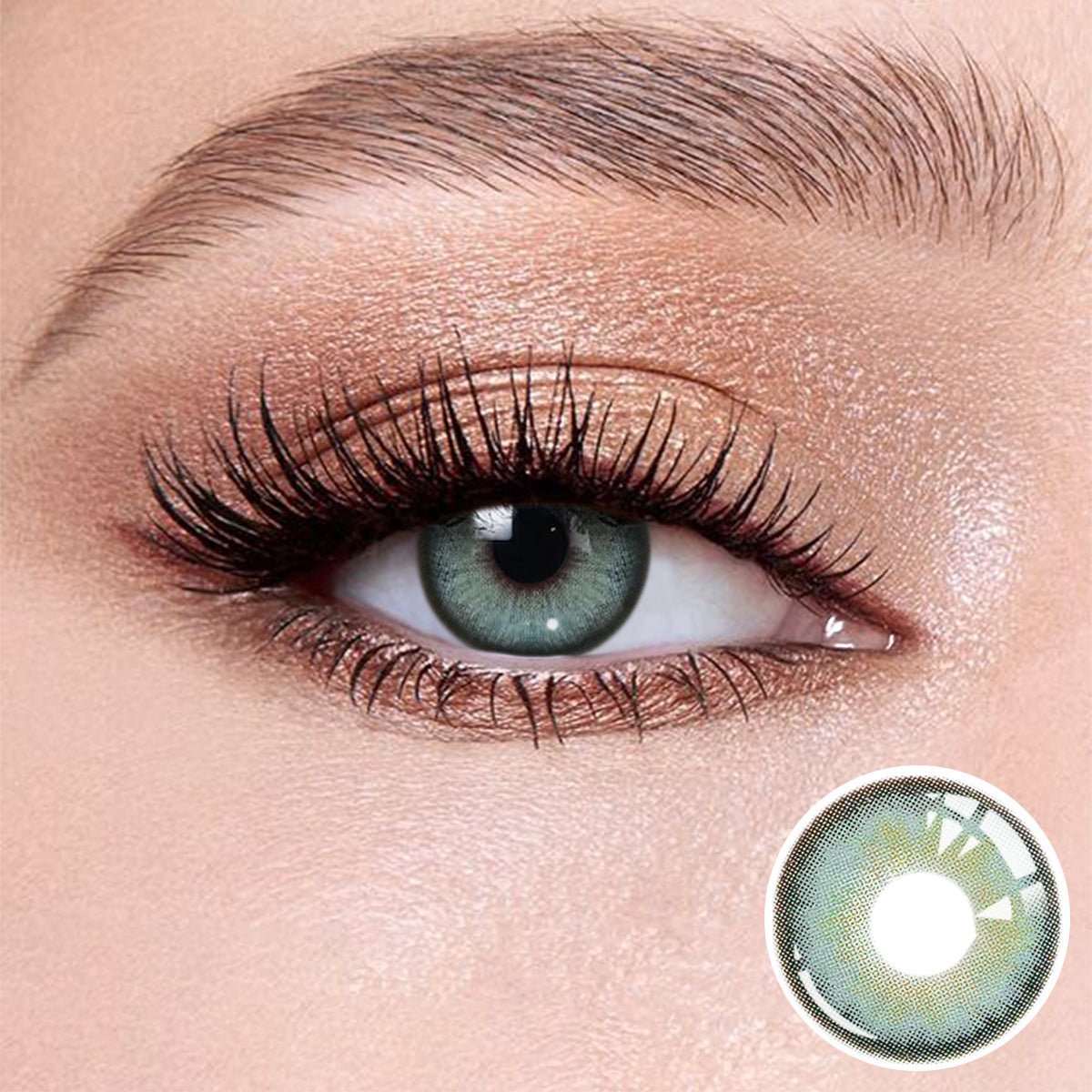
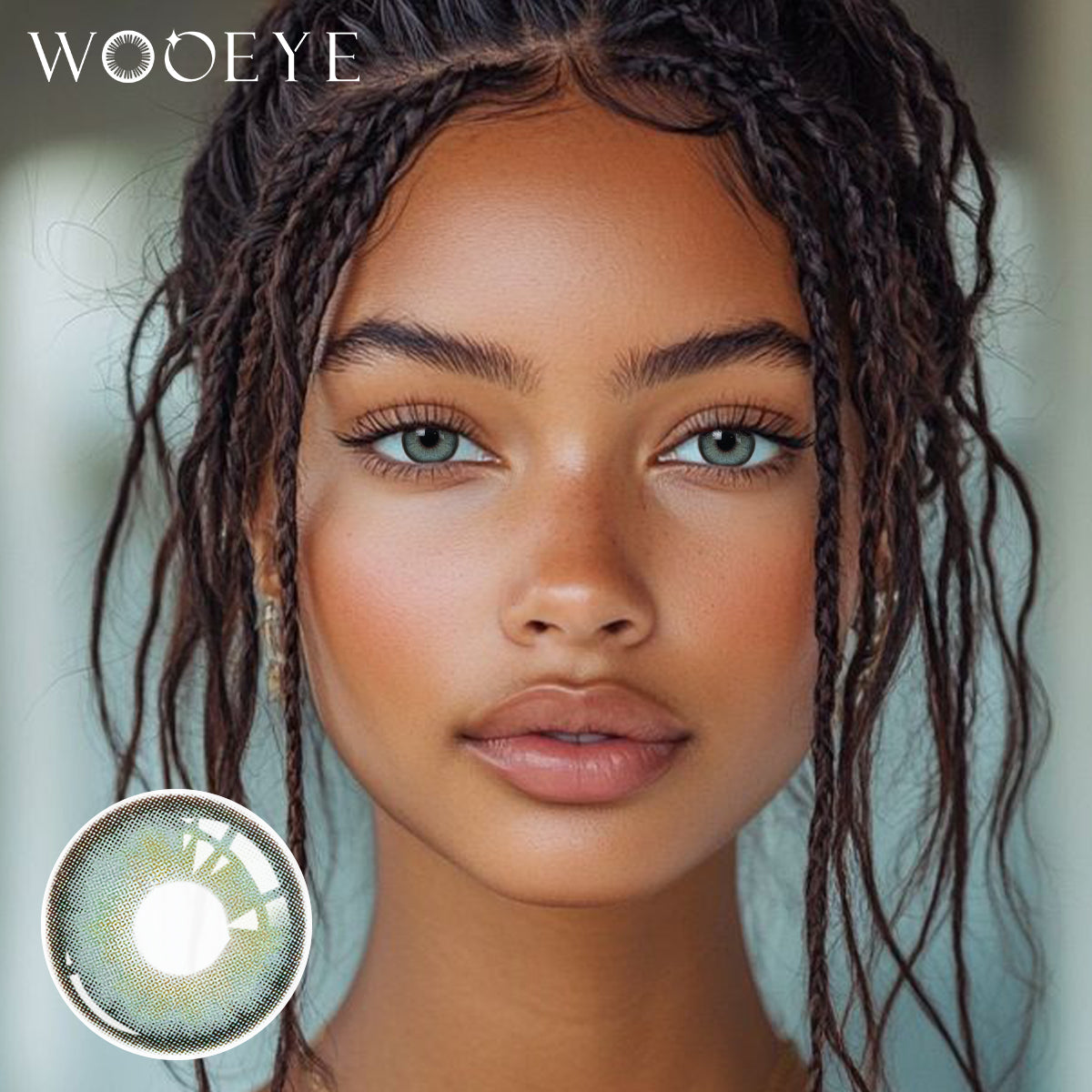
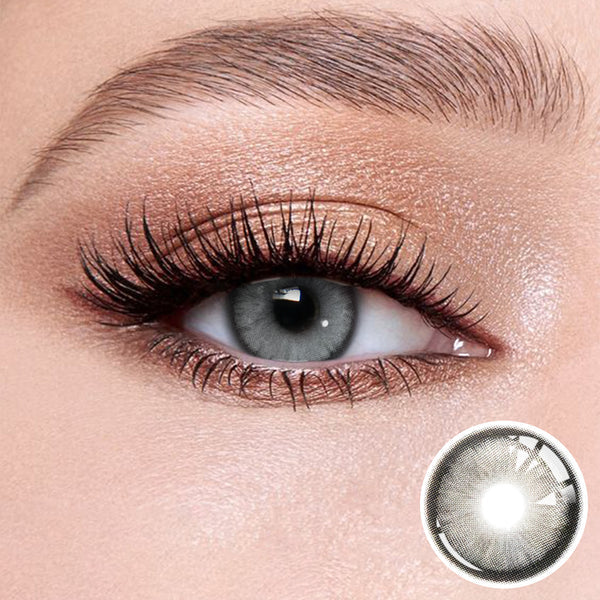
1. Color Design
Natural eyes aren’t a single flat color.
A realistic iris can contain:
- Radial lines
- Multiple shades
- Darker inner details
- A subtle outer ring
- Gradual transitions
Designer-style colored contact lenses often invest more in creating these details.
The result can look less like “colored plastic” and more like a natural variation of your eye color.
2. Lens Material
The material determines how the lens behaves on the eye.
A well-designed lens needs to balance softness, moisture, oxygen transmission, stability, and surface comfort.
HEMA Material
Many soft colored contact lenses use HEMA material, or Hydroxyethyl Methacrylate.
HEMA is a hydrogel material commonly used in soft contact lens manufacturing.
It can provide softness, flexibility, moisture retention, and natural movement during blinking.
WOOEYE uses HEMA material with approximately 40% water content in its colored lens designs.
But material alone doesn’t determine whether a lens is right for you. Fit, prescription, manufacturing quality, and wearing habits matter too.
3. Oxygen Flow and Lens Performance
The cornea needs oxygen from the surrounding environment.
Because contact lenses sit directly over the eye, lens material and thickness influence oxygen transmission.
Material choice directly affects comfort and oxygen flow.
A good lens design needs to balance oxygen transmission, water content, lens thickness, surface characteristics, and wearing comfort.
This is particularly relevant if you plan to wear colored contact lenses for several hours.
4. Pigment Technology
One of the biggest differences between basic and premium colored lenses can be how the pigment is incorporated into the lens.
Sandwich Technology
With sandwich technology, the color pigment is enclosed between transparent lens layers.
Think of the structure as: Transparent layer → pigment → transparent layer
This construction is designed to enclose the color pigment, maintain a smoother outer surface, create detailed iris patterns, and support a comfortable wearing experience.
For colored lenses, pigment placement is an important part of the overall lens design.
5. Prescription Options
A designer look doesn’t have to mean sacrificing vision correction.
Prescription colored contacts can correct vision while changing eye color.
For people with myopia, prescription lenses allow them to combine vision correction with eye color enhancement.
This can be particularly useful for people who normally rely on glasses but want a different look for work, travel, events, or photography.
WOOEYE offers prescription colored contacts for myopia up to -8.00 diopters.
However, your contact lens prescription and fit should be appropriate for contact lens wear. A glasses prescription should not automatically be assumed to be identical to a contact lens prescription.
See Clearly. Look Great.
Shop Prescription Colored Contacts
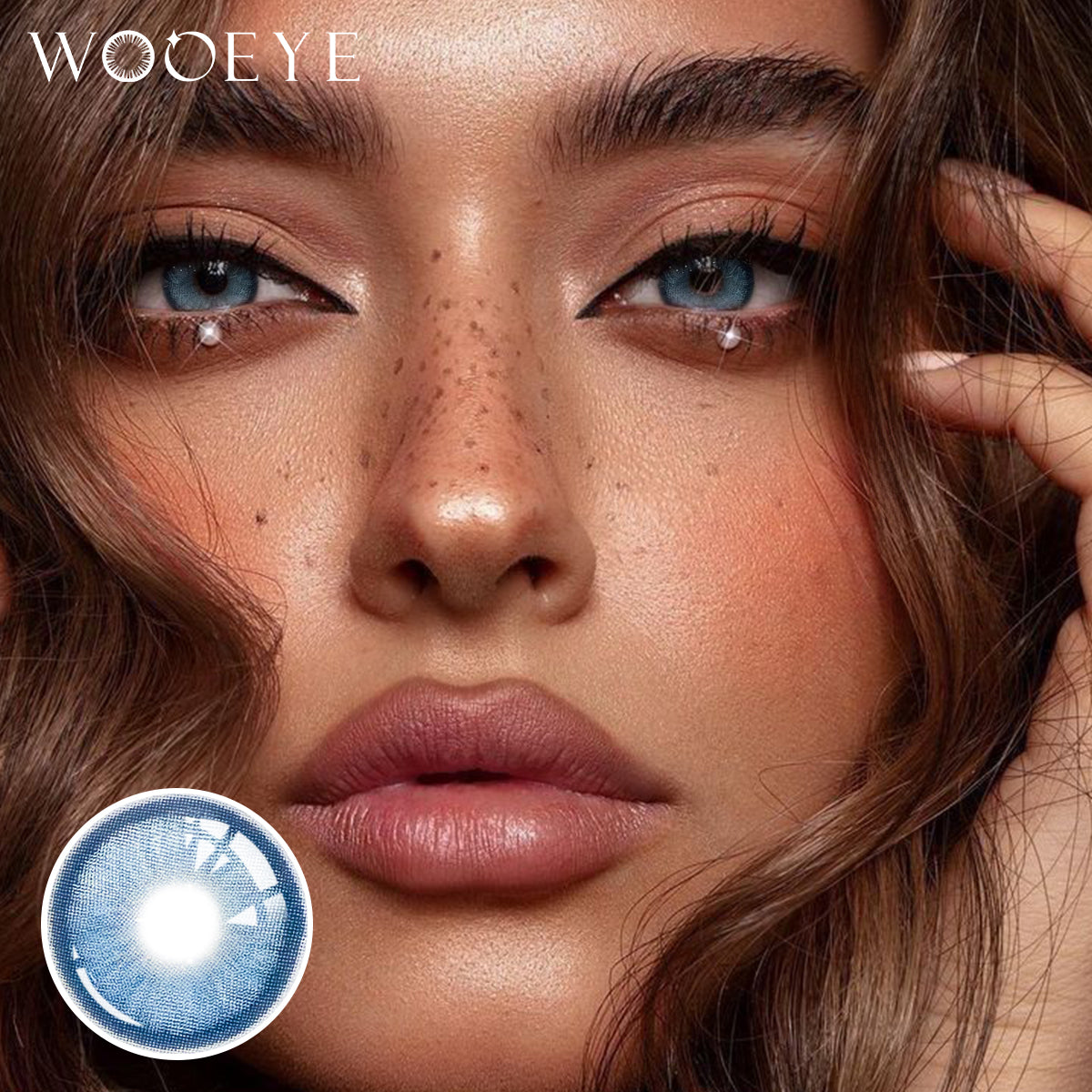
Vision correction up to -8.00 — available in brown, gray, blue, green, and more.
Shop Prescription Contacts →Are Designer Colored Contacts More Comfortable?
Not necessarily.
A higher price doesn’t guarantee comfort.
Comfort depends on material, lens fit, water balance, oxygen transmission, wearing time, eye condition, and individual sensitivity.
A less expensive lens may work perfectly well for one person, while a premium lens may be more comfortable for another.
The right question is: Does the lens design match my eyes and my lifestyle?
Are Designer Colored Contacts Worth the Money?
It depends on what you value.
They may be worth it if you want:
- More realistic iris patterns
- More sophisticated color combinations
- Better prescription availability
- More consistent manufacturing
- Detailed product information
- A lens designed for regular wear
They may not be worth it if:
- You’re paying only for a logo
- The brand doesn’t provide basic lens specifications
- The product has unclear manufacturing information
- You don’t actually need the additional design features
Pay for better lens technology, not just a better-looking brand name.
Designer Colored Contacts for NYC Style
New York style tends to reward details.
You might wear the same black blazer and jeans three days in a row but change the entire feel of your look with makeup, hair, or eye color.
That’s where subtle colored contacts can work well.
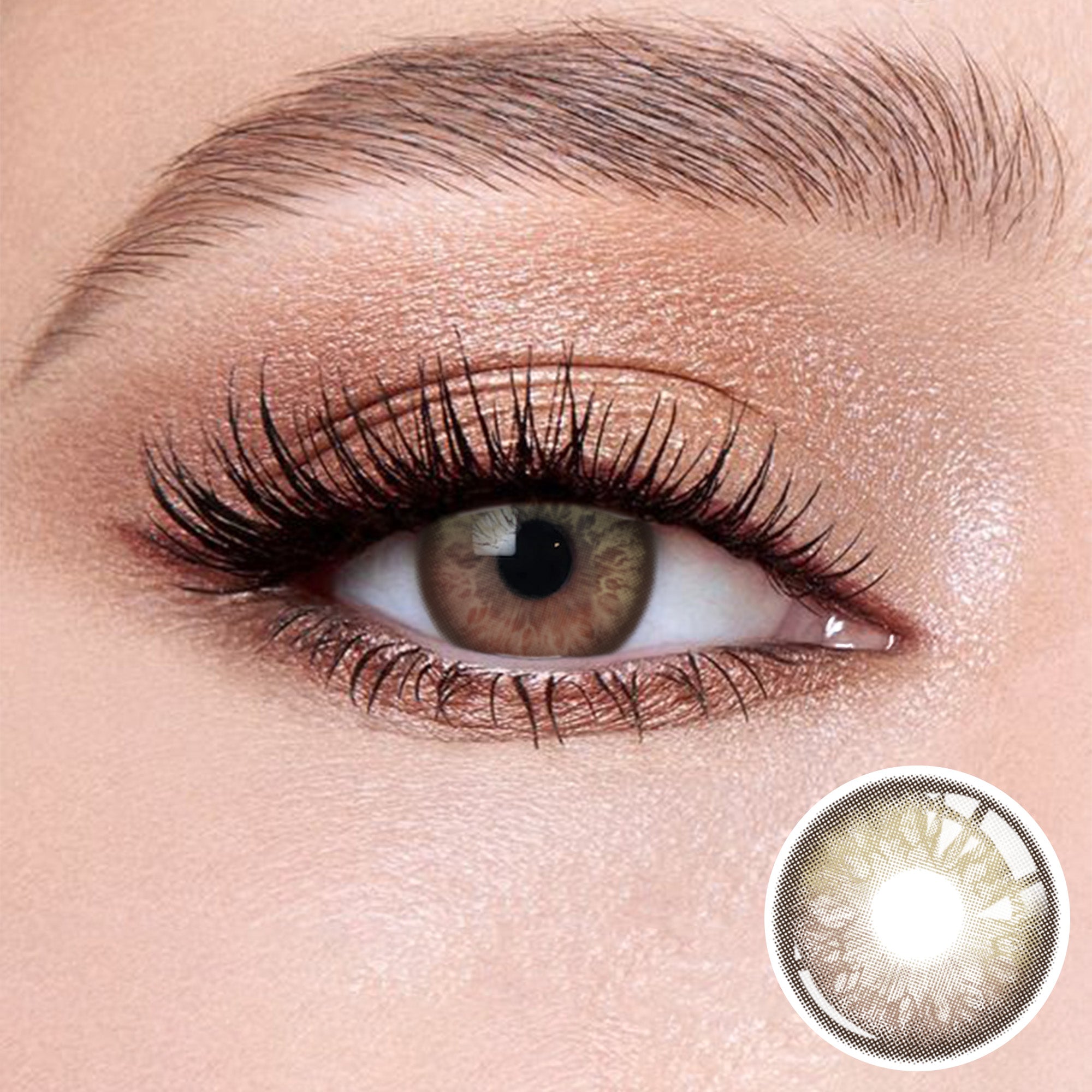
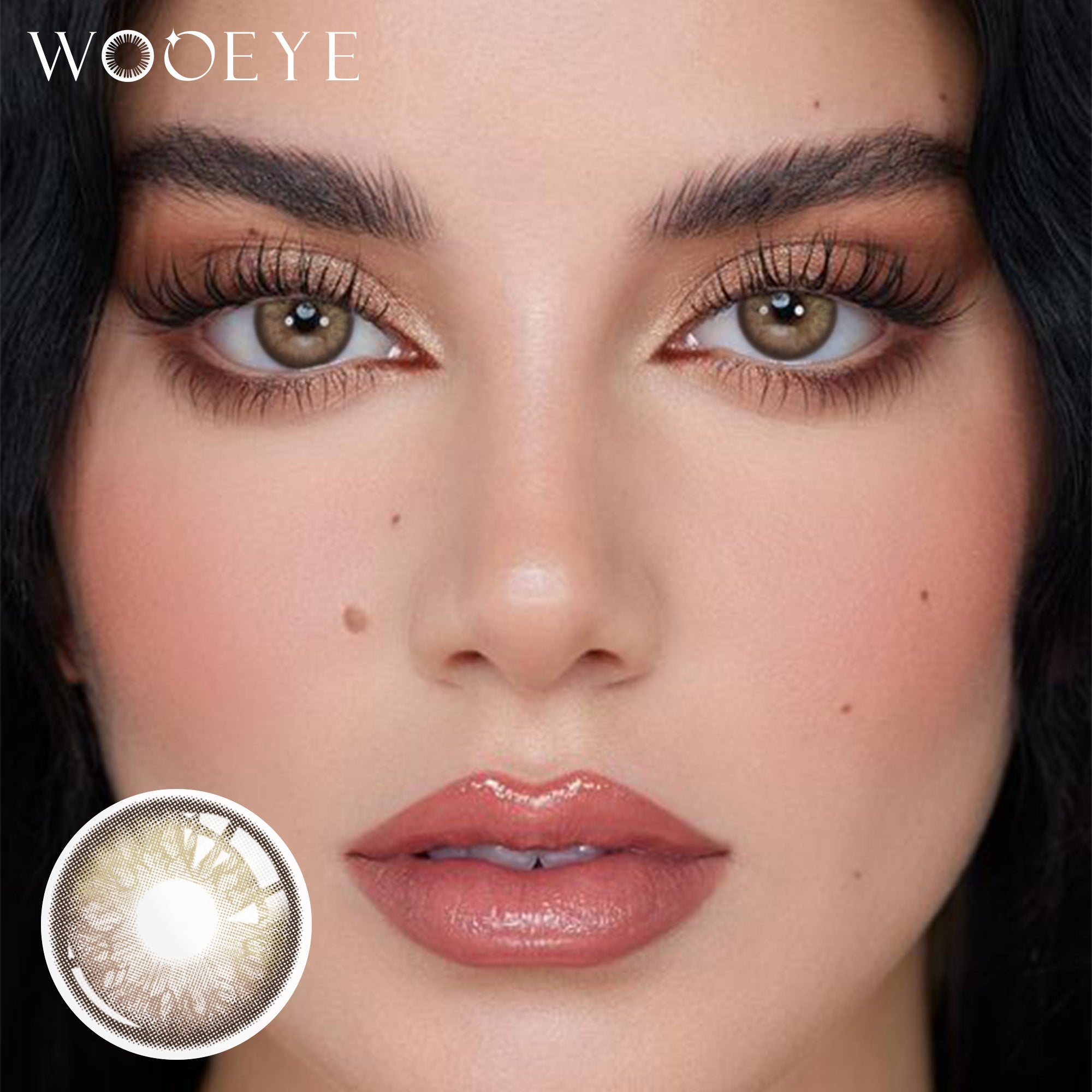
Brown
Warm and understated. Great for everyday office looks.
Hazel
Adds more dimension without being too dramatic.
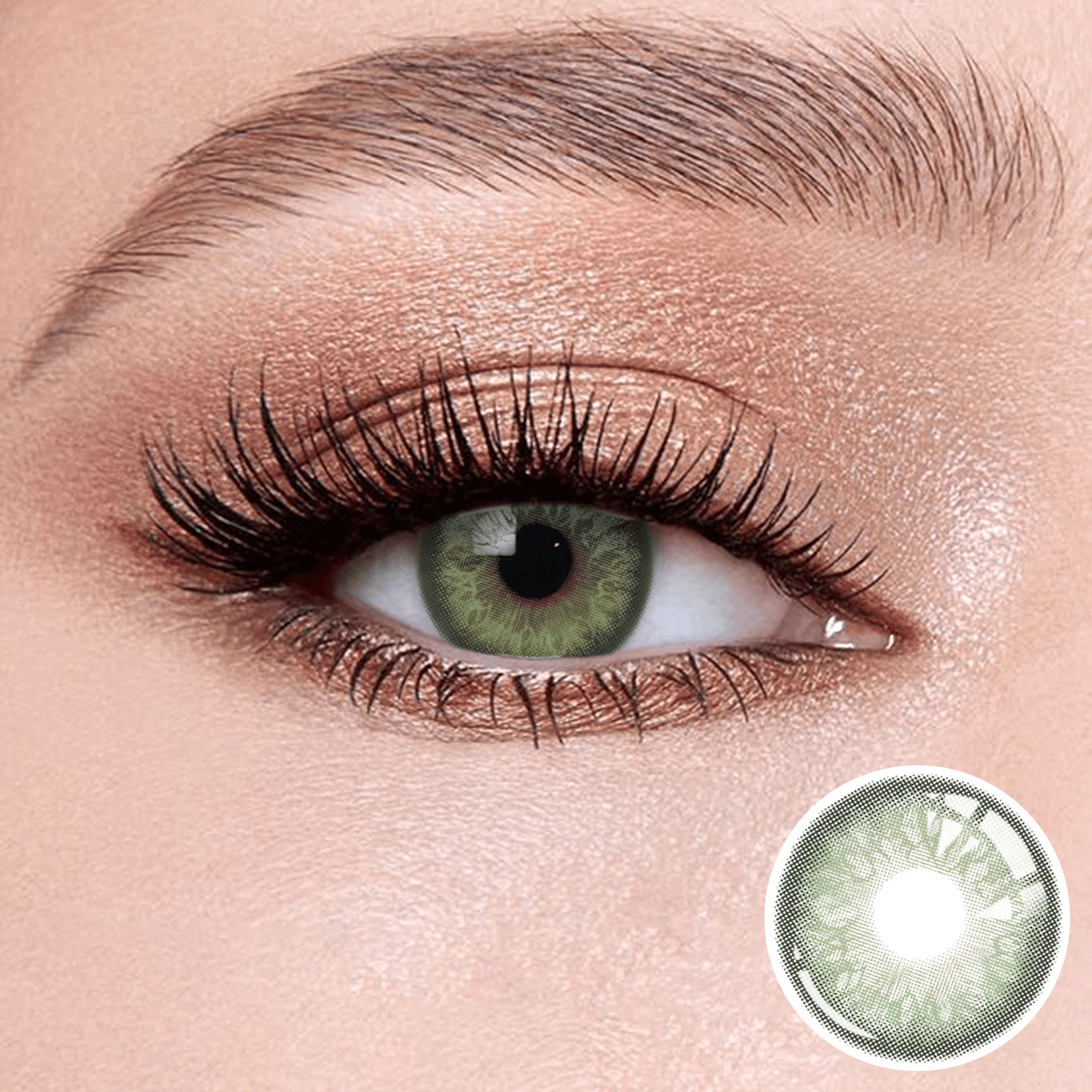
Olive
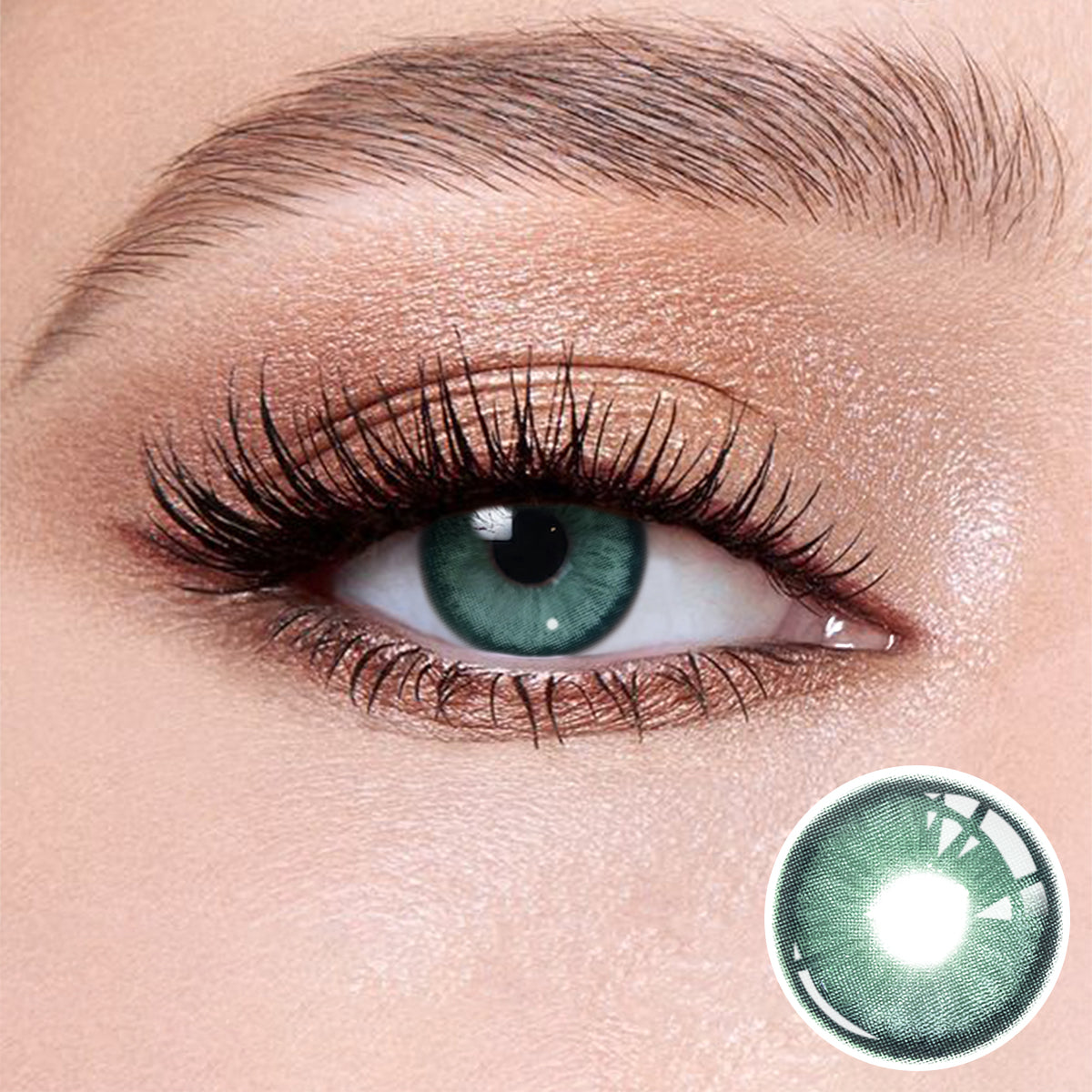
A little more unexpected while still feeling natural.
Gray
Cooler and more fashion-forward.
For a Soho coffee run or a dinner downtown, a subtle change in eye color can be more interesting than an obviously dramatic transformation.
How to Tell If a Premium Contact Lens Is Actually Premium
Before paying more, check the details.
Material
Does the company clearly state the lens material, such as HEMA material?
Water Content
Is the water content disclosed?
Oxygen Performance
Does the brand explain how the lens is designed for oxygen transmission?
Pigment Construction
Does the company explain whether it uses sandwich technology or another pigment-placement method?
Prescription Range
Are appropriate prescription lenses available?
Product Transparency
Can you easily find lens specifications, wearing instructions, replacement information, customer support, and regulatory information?
If the answer is yes across the board, you’re paying for something more substantial than a logo.
A Note About WOOEYE
WOOEYE focuses on comfort + natural + safe + prescription-ready colored contacts.
Its colored contact lenses use HEMA material, approximately 40% water content, and sandwich technology, with the pigment enclosed within the lens structure.
WOOEYE also provides prescription lenses for myopia up to -8.00 diopters, allowing people who need vision correction to choose from different colored lens styles.
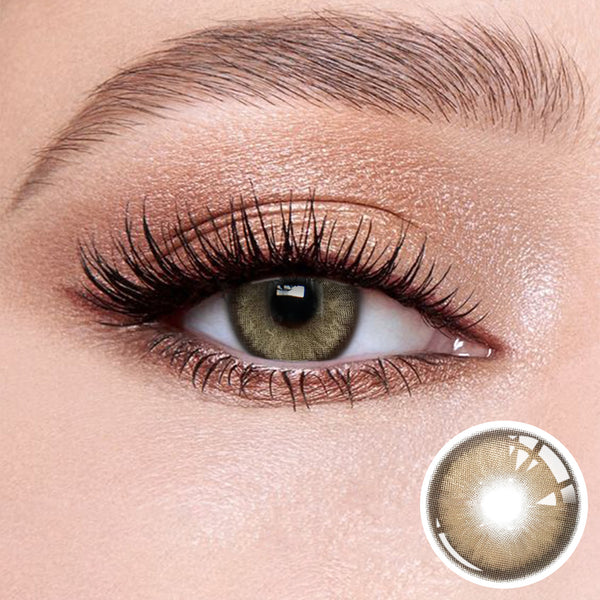
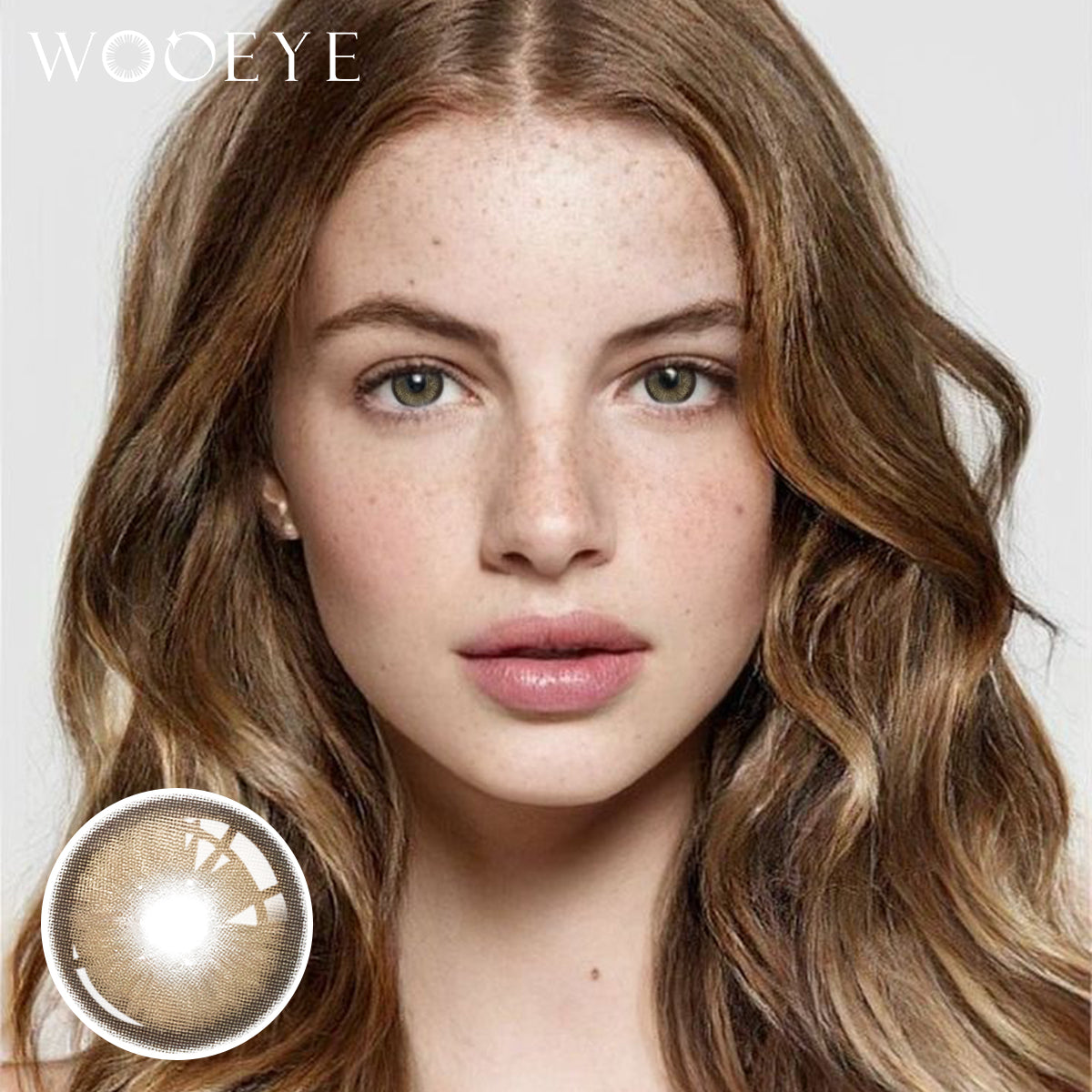
If you want to start with a versatile everyday shade, try WOOEYE brown colored contacts for a warmer, more natural-looking change.
FAQ: Designer Colored Contacts
Are expensive colored contacts safer?
Not automatically. Price is not a safety guarantee. Look at material, manufacturing information, prescription availability, fit, and proper lens care.
Are designer contacts more natural-looking?
They can be, particularly when the lens uses detailed iris patterns, gradients, and multiple tones. But the brand name itself does not guarantee a natural appearance.
Can designer colored contacts have prescriptions?
Yes. Many colored lens ranges include prescription lenses, although the available prescription range varies by brand.
Are colored contacts worth buying?
They can be worth it if you value realistic color design, comfort, prescription options, and product transparency. If you’re paying only for a brand name, the premium may be harder to justify.
Final Takeaway
Are designer colored contacts worth it? Sometimes — but the value should come from the lens, not just the label.
When comparing colored contact lenses, look at the complete product:
- HEMA material
- Water content
- Oxygen flow
- Sandwich technology
- Color and iris design
- Prescription availability
- Manufacturing transparency
- Proper fit
Modern colored contact lenses are designed for comfort and safety.
A truly premium lens should give you more than a recognizable name. It should combine thoughtful material science, realistic color design, appropriate prescription lenses, and a comfortable experience that fits naturally into your everyday life.