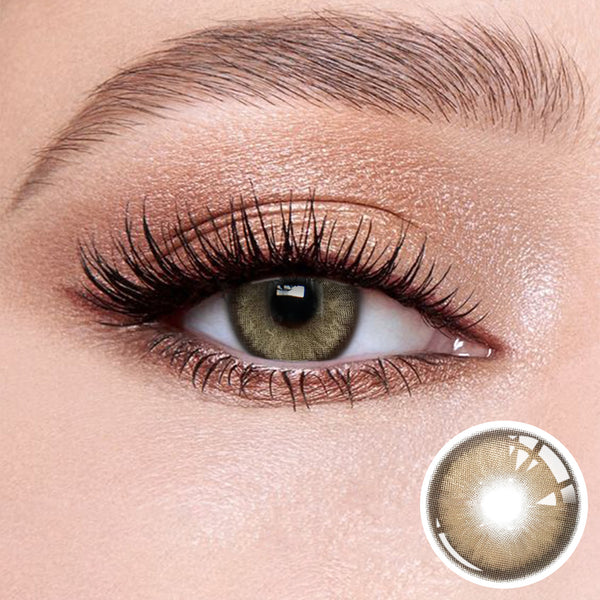
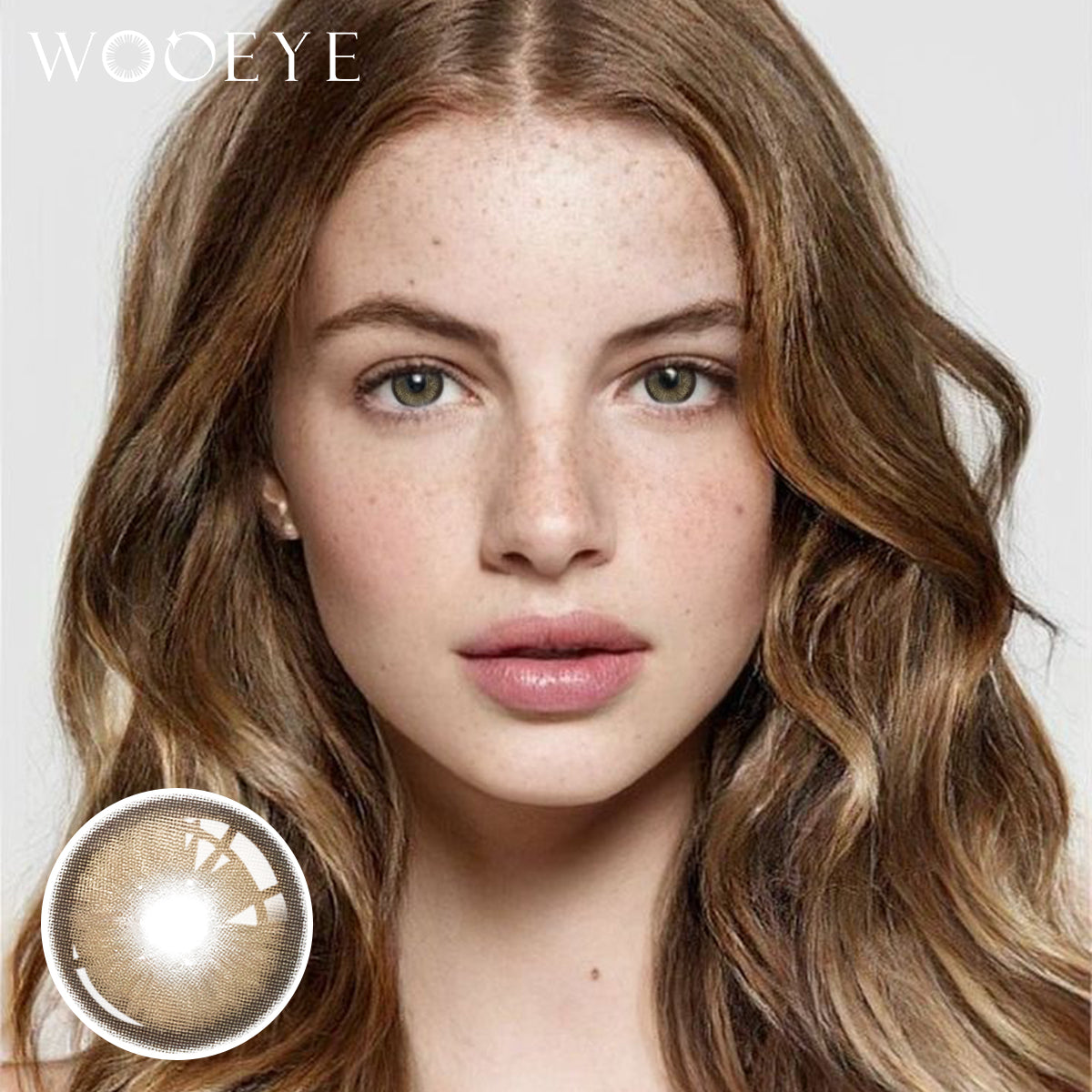
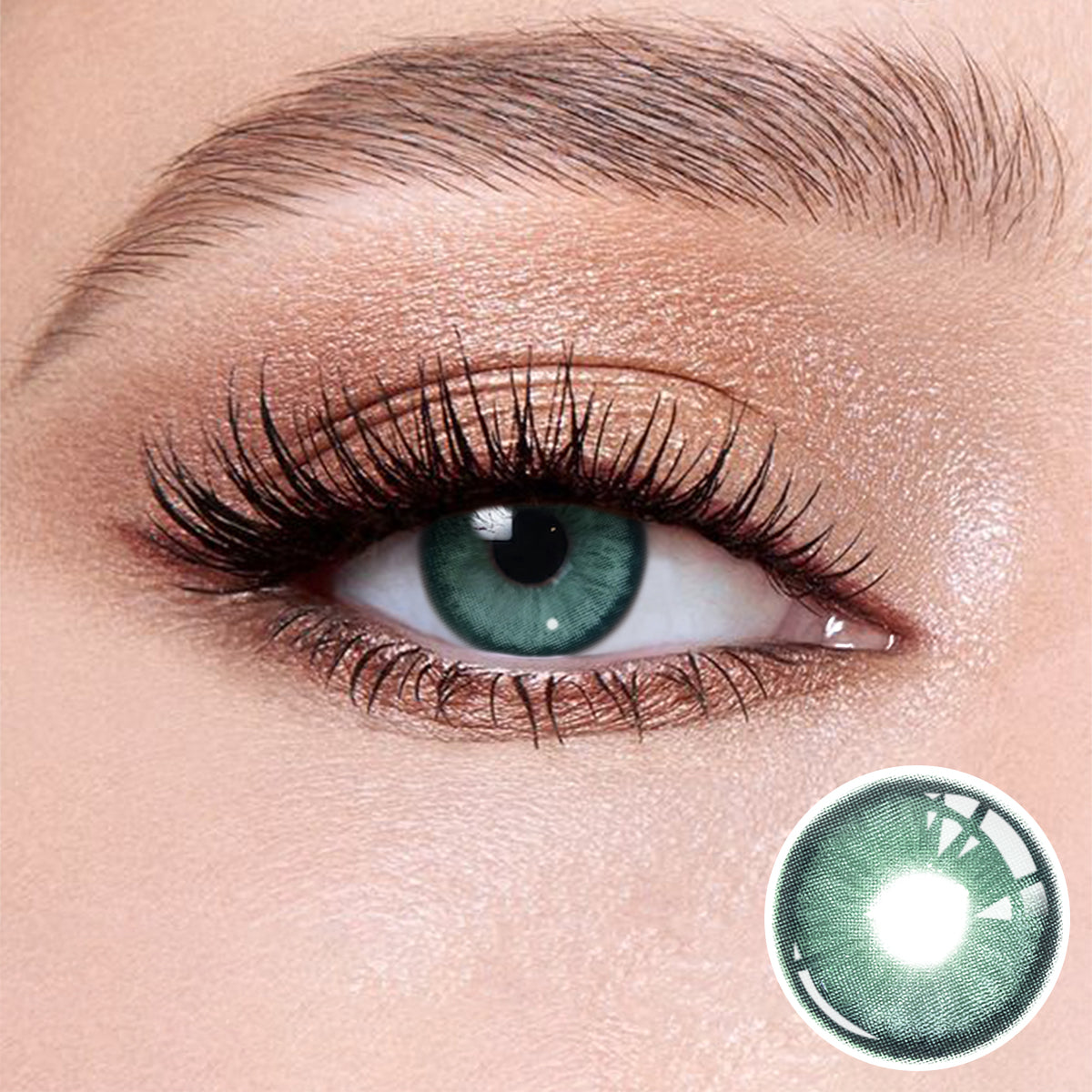
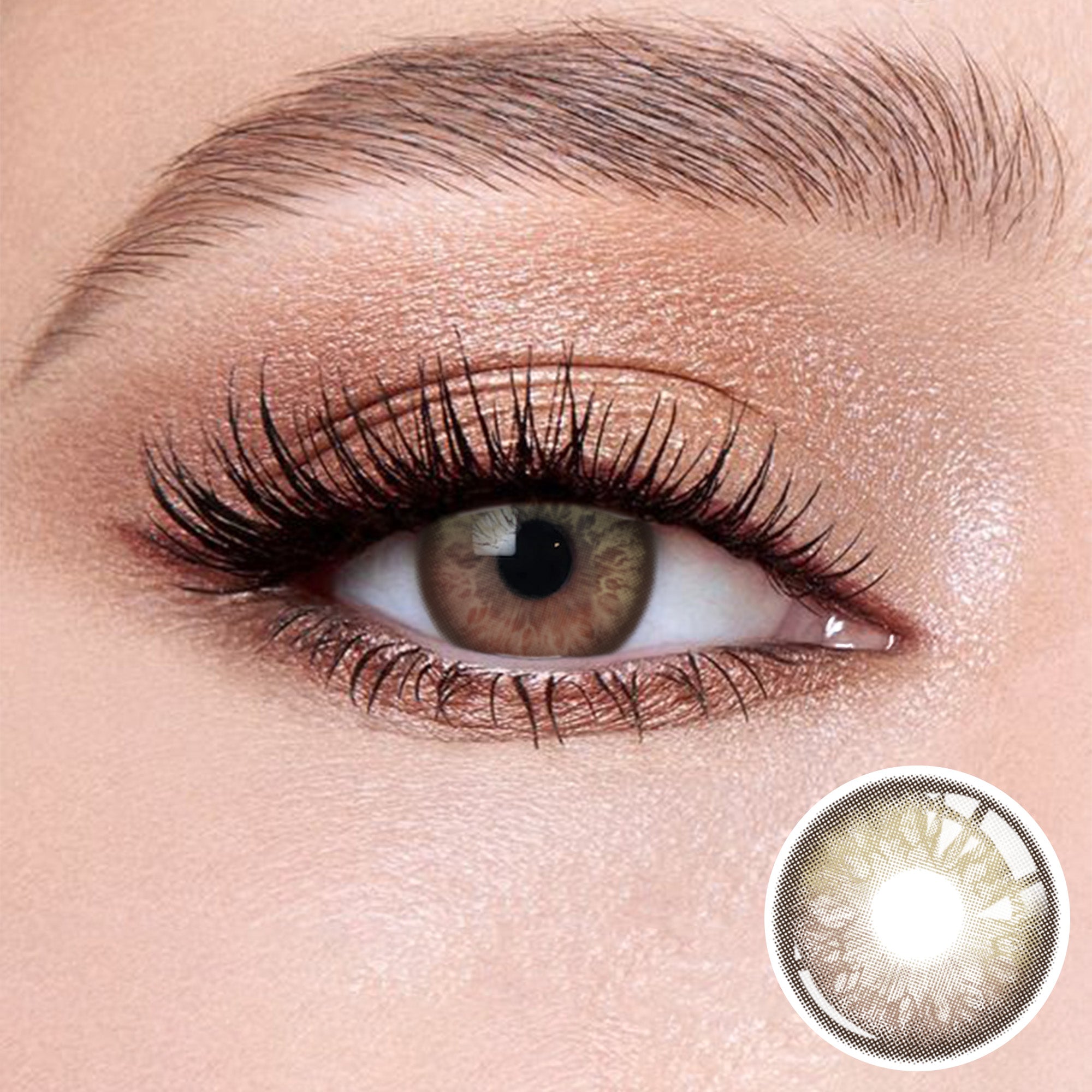
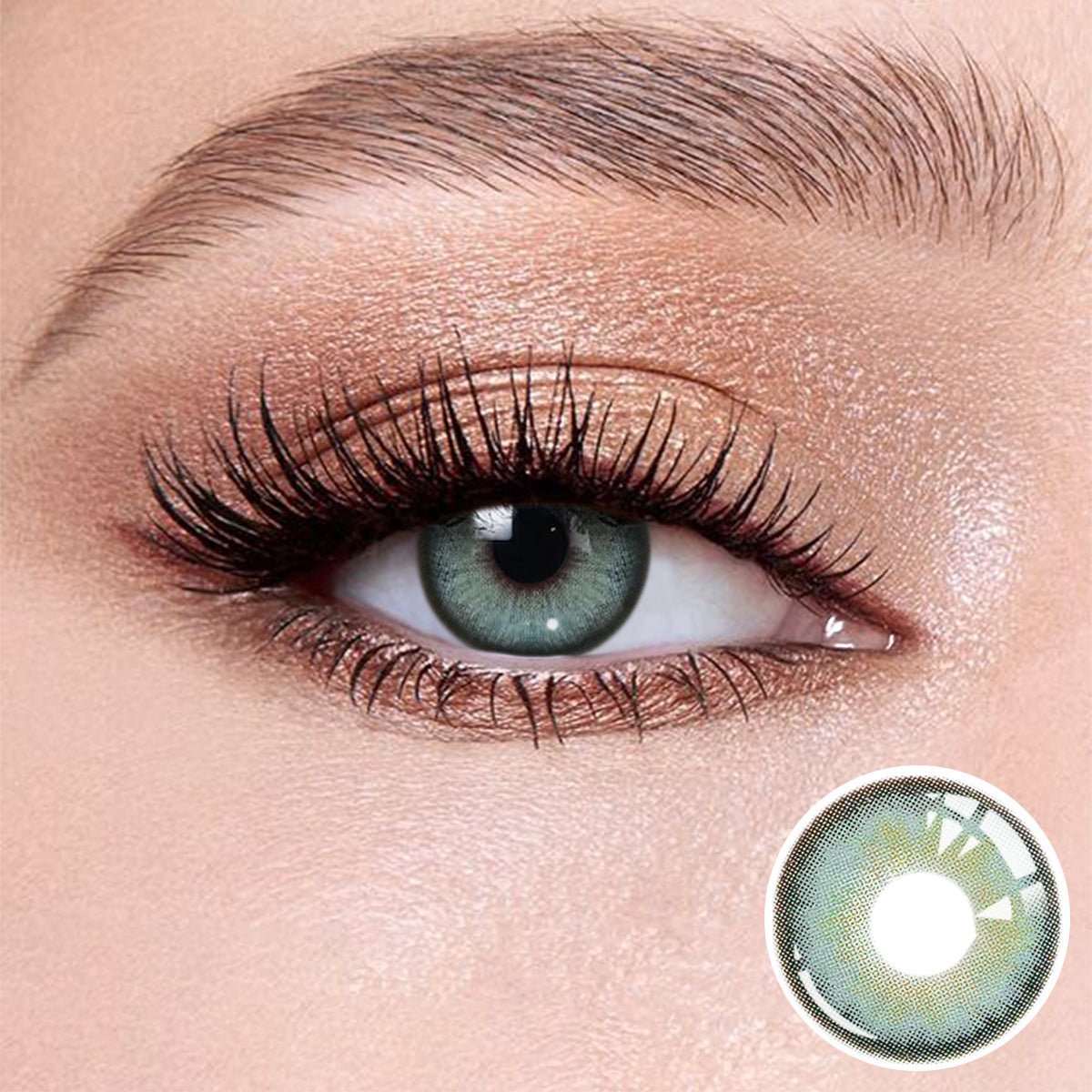
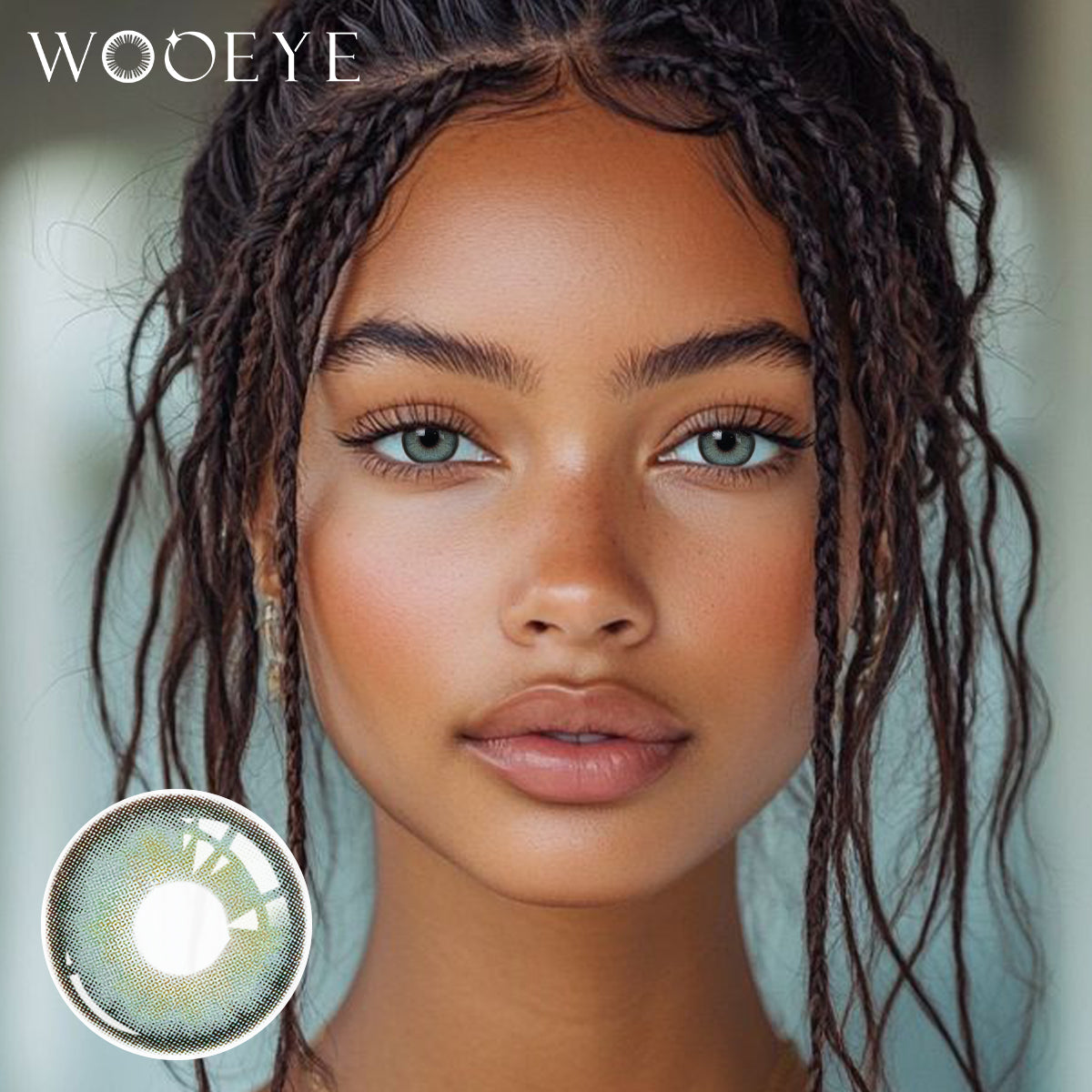
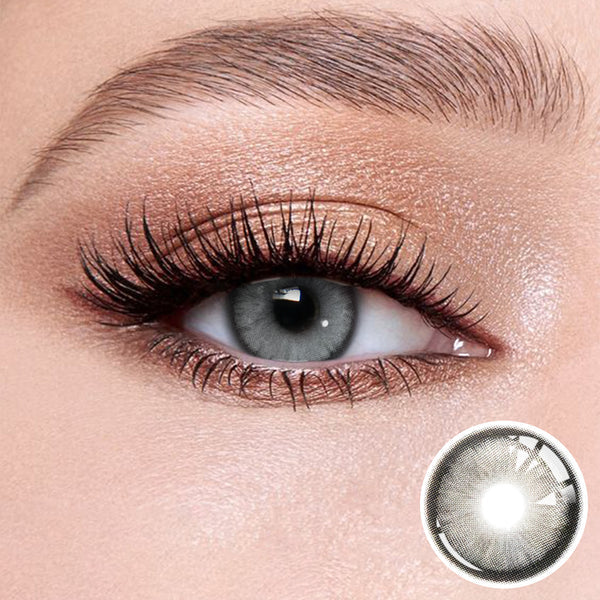
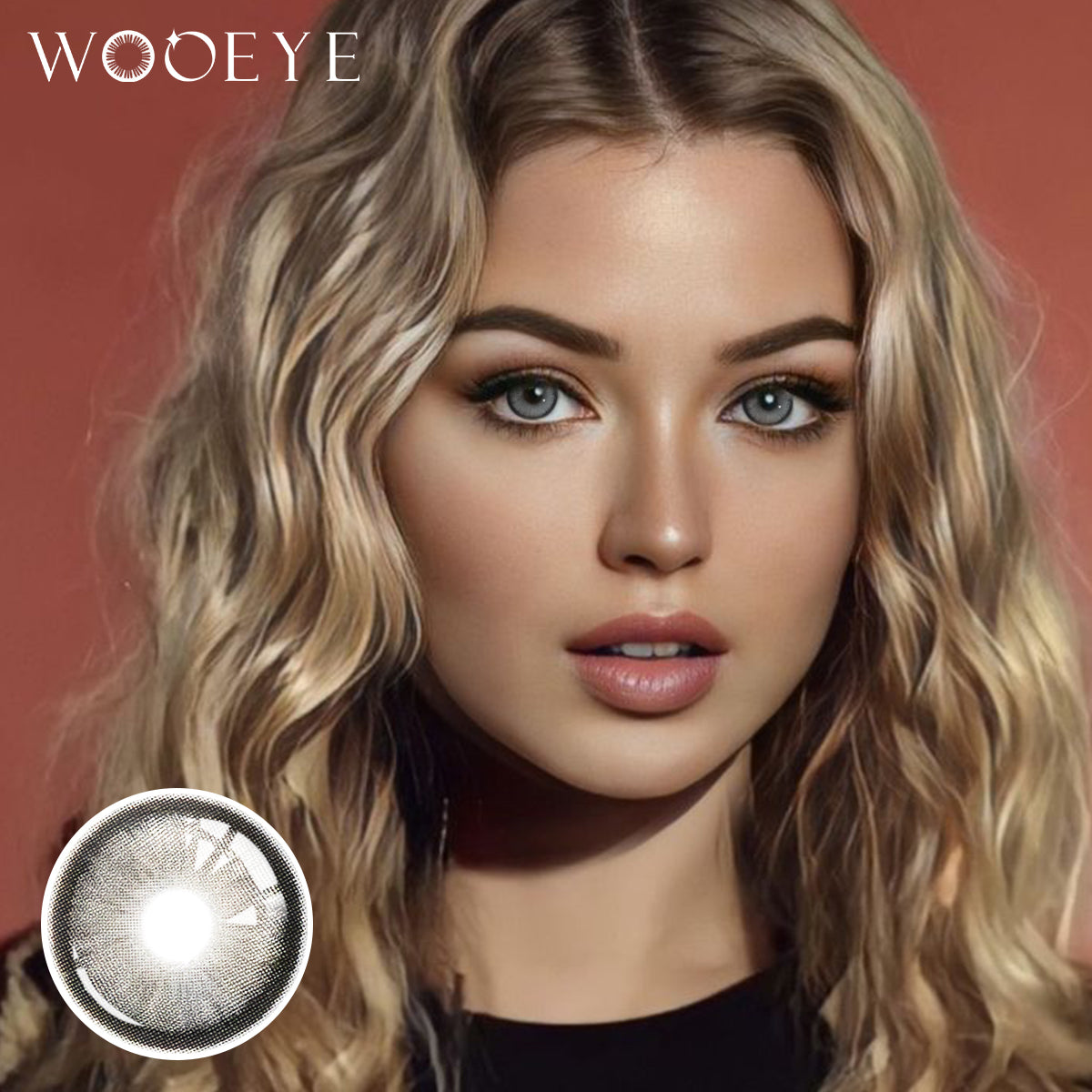
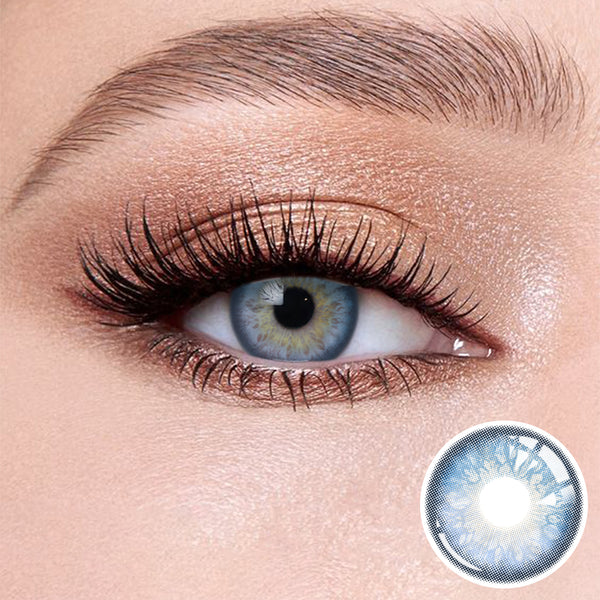
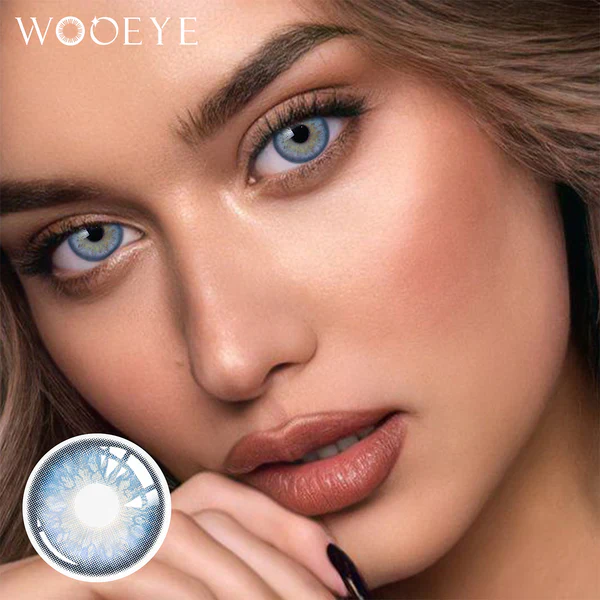
The safest FDA compliant colored contacts brands are those that follow U.S. contact lens regulations, provide transparent product information, offer proper prescription lenses, and use quality manufacturing processes.
FDA compliance means a brand’s contact lenses meet required safety and quality standards for the U.S. market. However, FDA compliance should be considered together with other factors, including colored contact lenses material, oxygen flow, lens design, prescription accuracy, and proper wearing habits.
Modern colored contact lenses are designed for comfort and safety.

What Does FDA Compliance Mean for Colored Contact Lenses?
When people search for “FDA compliant colored contacts brands,” they are usually looking for reassurance that the lenses are safe to wear.
In the United States, contact lenses—including cosmetic lenses that only change eye color—are considered medical devices. This means brands must follow specific requirements related to manufacturing, labeling, and quality control.
A trustworthy colored contact lens brand should provide clear information about:
· Lens materials
· Prescription availability
· Product specifications
· Wearing instructions
· Manufacturing standards
· Customer support
FDA compliance is an important quality indicator, but it is only one part of choosing the right lens.
A comfortable contact lens experience also depends on how the lens is designed and how well it matches your eyes.
What Makes a Good FDA Compliant Colored Contacts Brand?
1. Transparent Product Information
Reliable brands explain what customers are actually wearing.
Important details include:
· Lens material
· Water content
· Oxygen permeability
· Base curve
· Diameter
· Replacement schedule
· Available prescription options
Transparency helps users make better decisions instead of choosing lenses based only on appearance.
2. Prescription Options for Vision Correction
Many people who wear glasses want to change their eye color without giving up clear vision.
Modern prescription lenses allow users to combine vision correction with cosmetic enhancement.
Prescription colored contacts can correct vision while changing eye color.
For people with myopia, prescription colored contacts can provide a practical alternative to switching between regular glasses and cosmetic lenses.
The right prescription depends on factors such as:
· Current vision needs
· Eye measurements
· Lens fit
· Wearing habits
3. Safe Color Technology
The quality of a colored contact lens depends not only on the color but also on how the color is created.
Natural-looking lenses usually feature:
· Multi-tone iris patterns
· Soft color transitions
· Realistic designs
· Smooth lens surfaces
A well-designed lens should enhance the eyes rather than create an artificial appearance.
Material Science: HEMA Material, Oxygen Flow, and Sandwich Technology
The materials and construction methods behind colored contact lenses directly affect comfort and performance.
HEMA Material
Many soft contact lenses use HEMA material (Hydroxyethyl Methacrylate), a hydrogel material commonly used in lens manufacturing.
HEMA material is popular because it provides:
· Soft and flexible lens structure
· Comfortable wearing experience
· Moisture retention
· Natural movement with blinking
For many daily users, HEMA-based lenses provide a comfortable balance between softness and stability.
Oxygen Flow
The cornea receives oxygen directly from the surrounding air, making oxygen transmission an important consideration in contact lens design.
Material choice directly affects comfort and oxygen flow.
A high-quality lens needs to balance:
· Oxygen permeability
· Moisture retention
· Lens stability
· Surface comfort
This balance becomes especially important for people who wear contacts during long workdays or active lifestyles.

Sandwich Technology
One important innovation in cosmetic lenses is sandwich technology.
Instead of placing pigment directly on the outside surface of the lens, sandwich technology seals the color layer between transparent lens materials.
This design helps:
· Keep pigment enclosed inside the lens
· Maintain a smoother surface
· Create more natural-looking eye colors
· Support comfortable daily wear
This technology allows brands to create detailed iris patterns while maintaining a focus on lens comfort.
Are FDA Compliant Colored Contacts Safe for Daily Wear?
FDA compliance provides an important safety foundation, but daily comfort also depends on correct use.
Users should:
· Wear the correct prescription
· Follow replacement schedules
· Wash hands before handling lenses
· Avoid sleeping in lenses unless specifically designed for it
· Remove lenses if discomfort occurs
Even the highest-quality lenses need proper care.
NYC Lifestyle: Why People Choose Safe Colored Contacts
In New York, personal style is often about subtle details.
Many people use colored contact lenses to enhance their everyday appearance:
· A natural brown shade for work
· Gray lenses for a modern city look
· Hazel tones for warmth
· Olive colors for a unique but understated style
A typical NYC day might include:
· Morning subway commute
· Long hours at a laptop
· Meetings
· Coffee with friends
· Evening plans
Because schedules are busy, many wearers prioritize lenses that combine comfort, natural appearance, and reliable quality.
The trend is not about completely changing your look—it is about enhancing your existing features.
A Note About WOOEYE
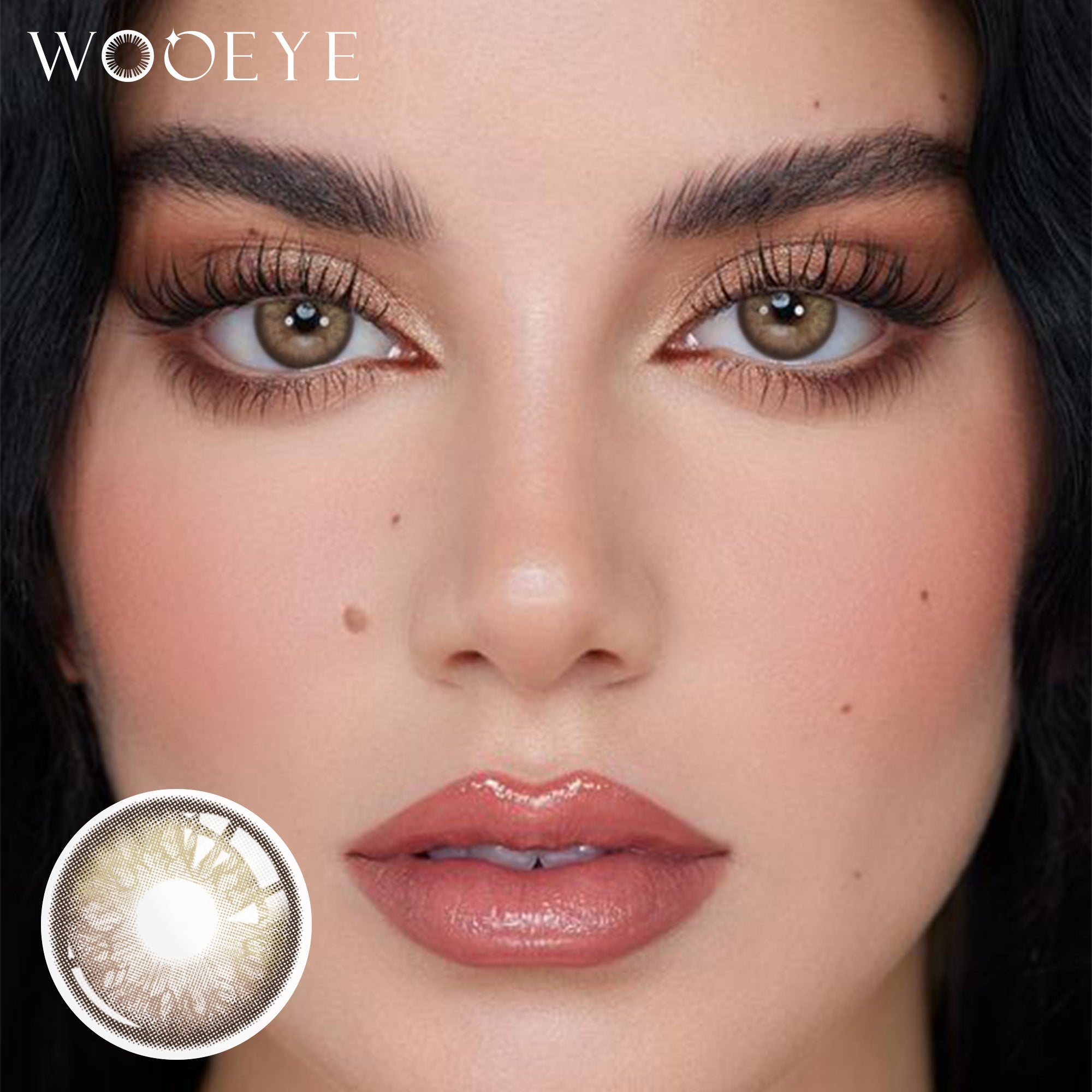
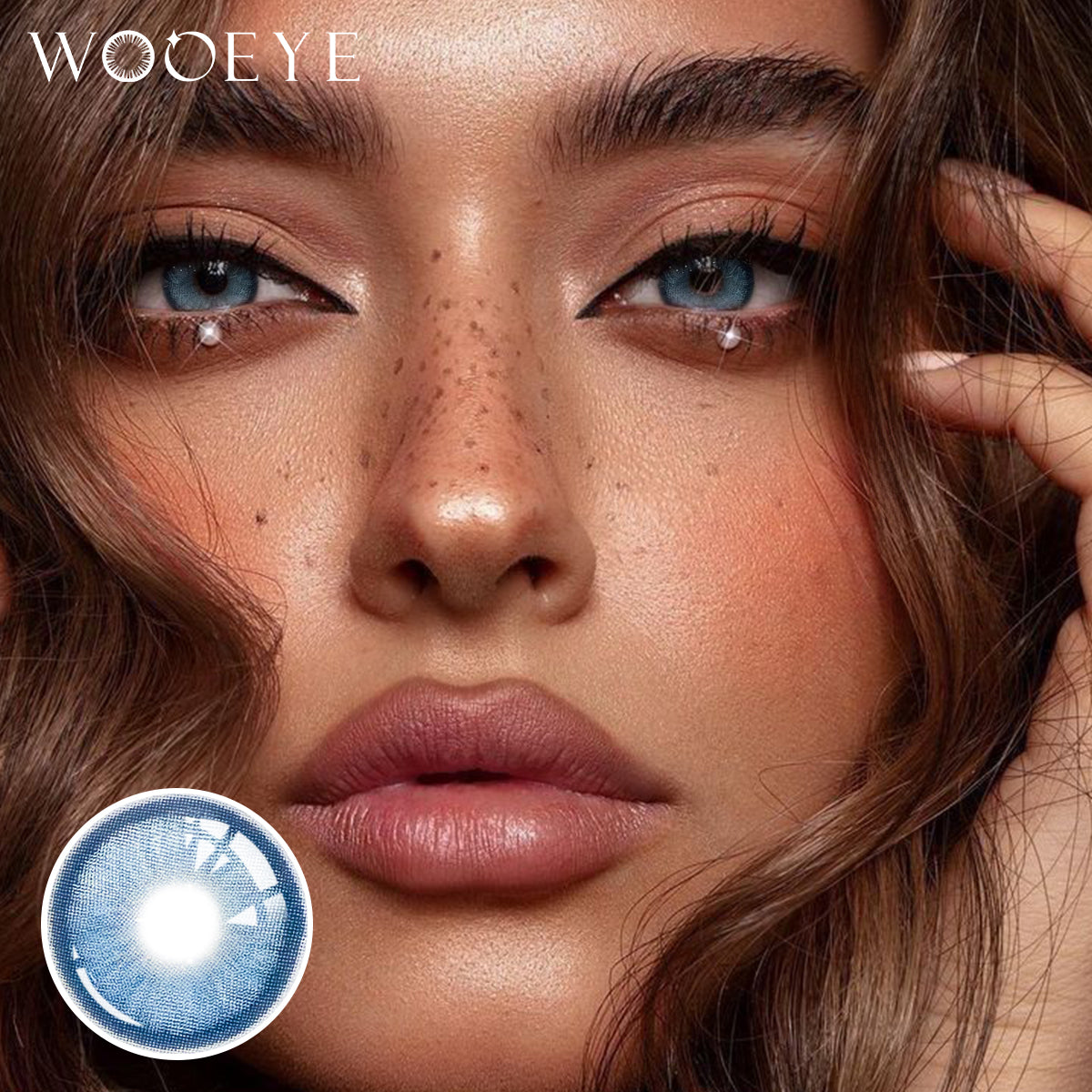
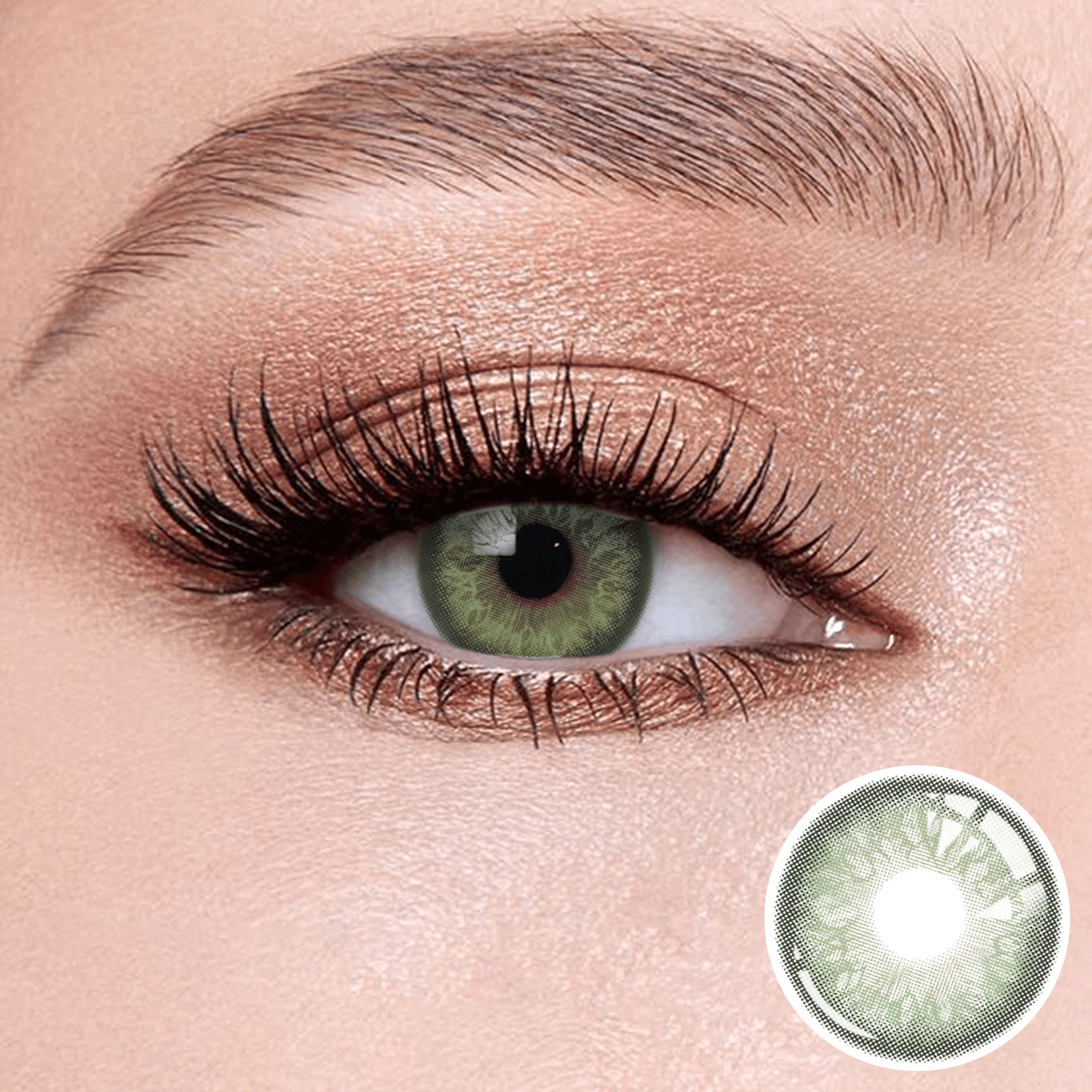
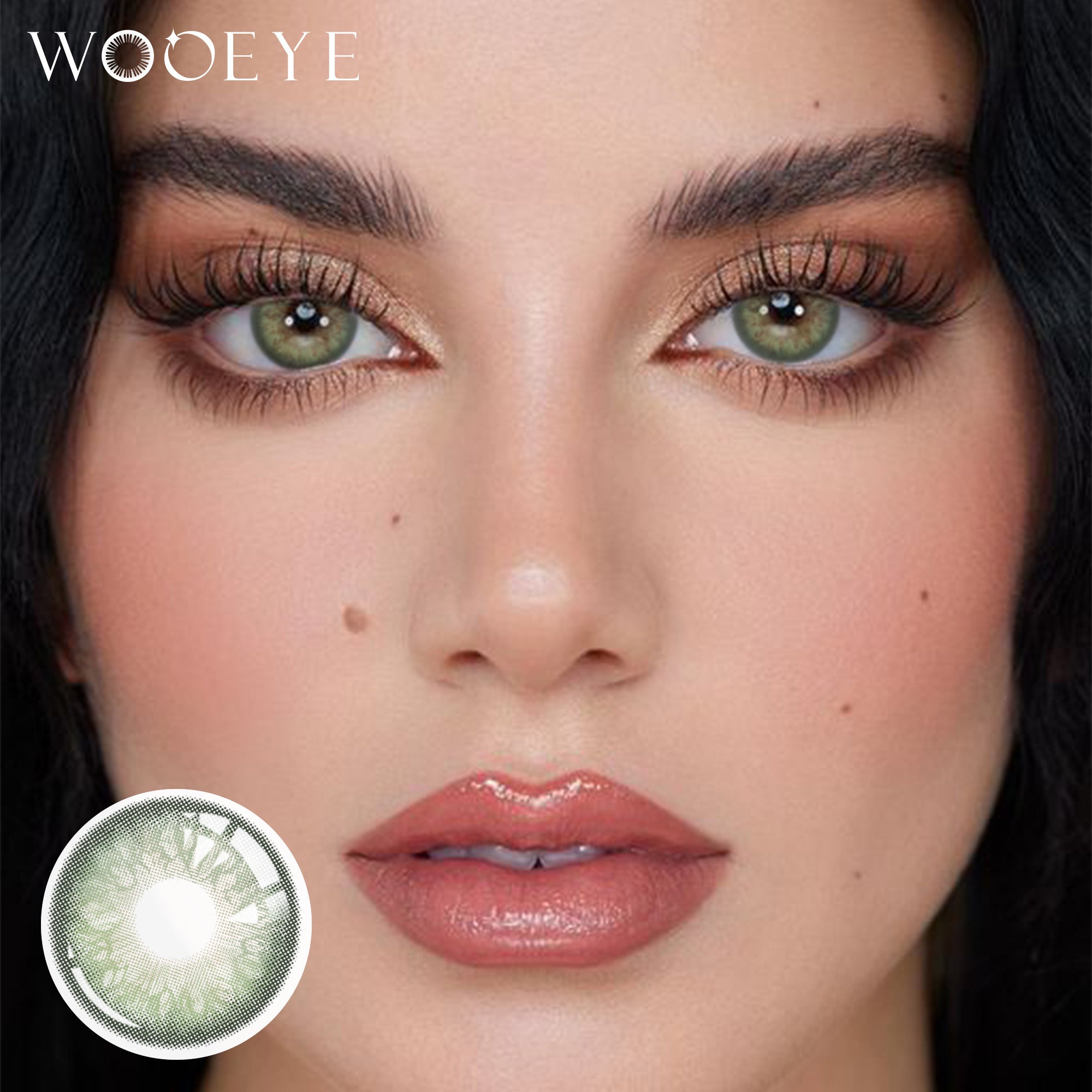
WOOEYE focuses on comfort + natural + safe + prescription-ready colored contacts.
The brand develops colored contact lenses using HEMA material, approximately 40% water content, and sandwich technology, where pigment is enclosed within the lens structure instead of placed directly on the surface.
WOOEYE also provides prescription lenses for myopia up to -8.00 diopters, allowing users to combine vision correction with natural eye color enhancement. The brand maintains FDA, CE, and medical device sales qualifications to support transparency around its manufacturing standards.
Final Takeaway
When looking for FDA compliant colored contacts brands, consumers should look beyond the certification label.
The best choice combines:
· Regulatory compliance
· Quality lens materials
· Proper prescription options
· Comfortable design
· Responsible wearing practices
Understanding features like HEMA material, oxygen flow, and sandwich technology helps consumers choose colored contact lenses that fit both their style and everyday lifestyle.