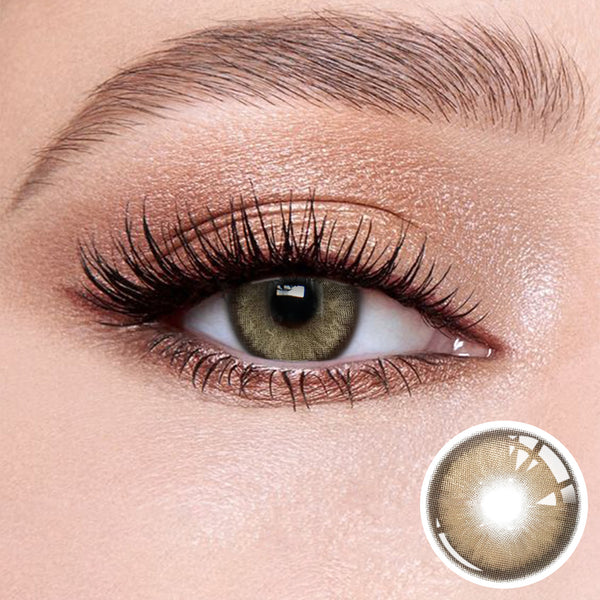
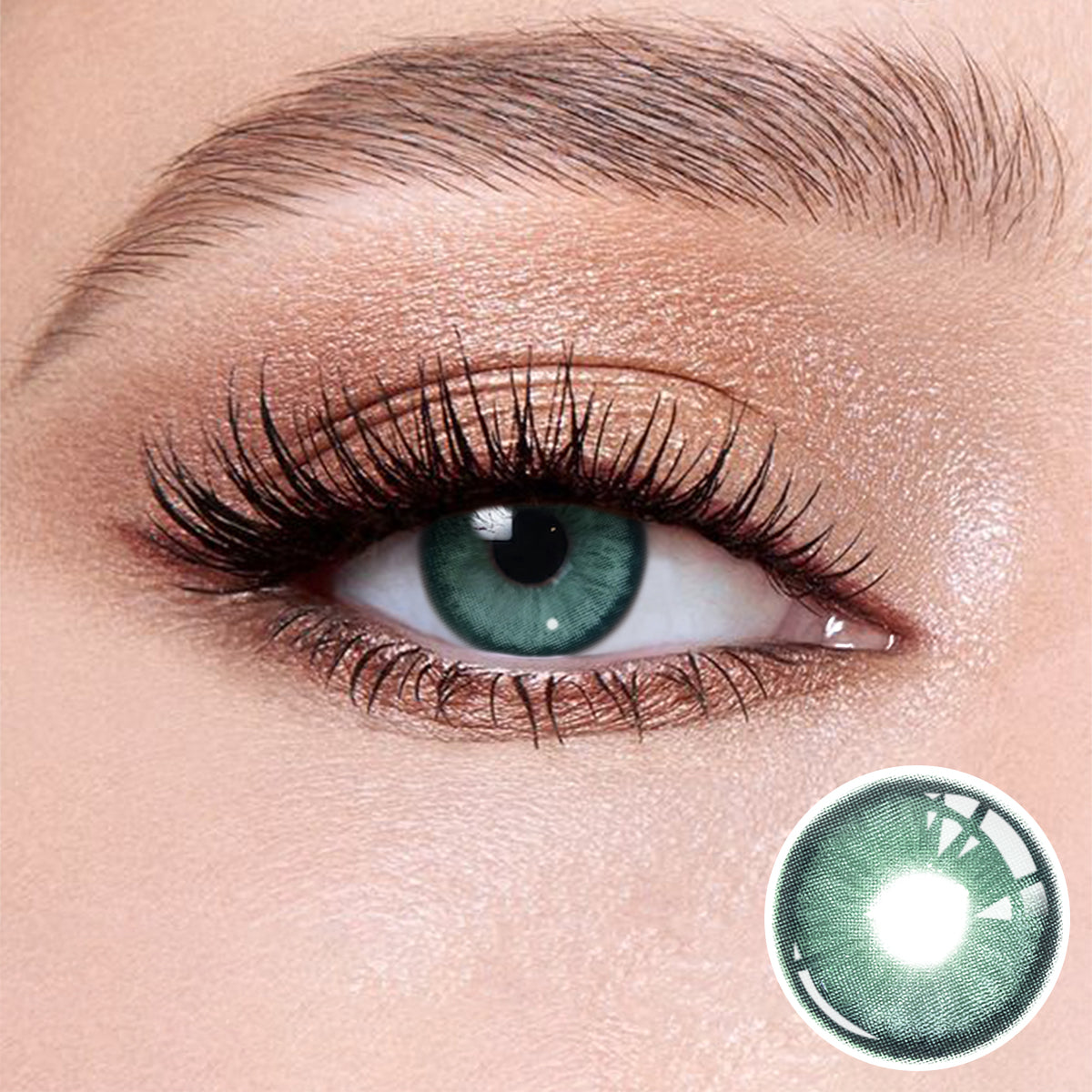
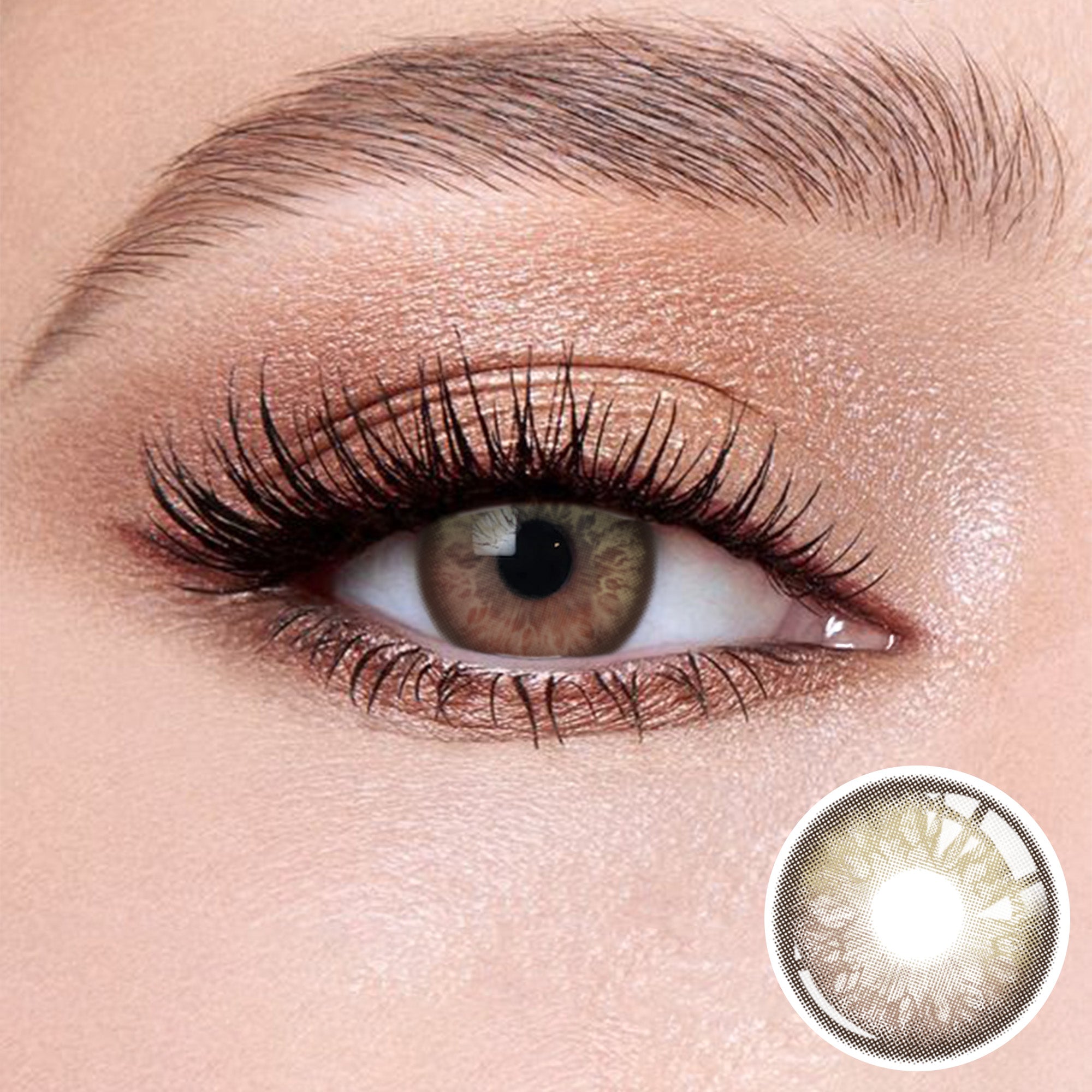
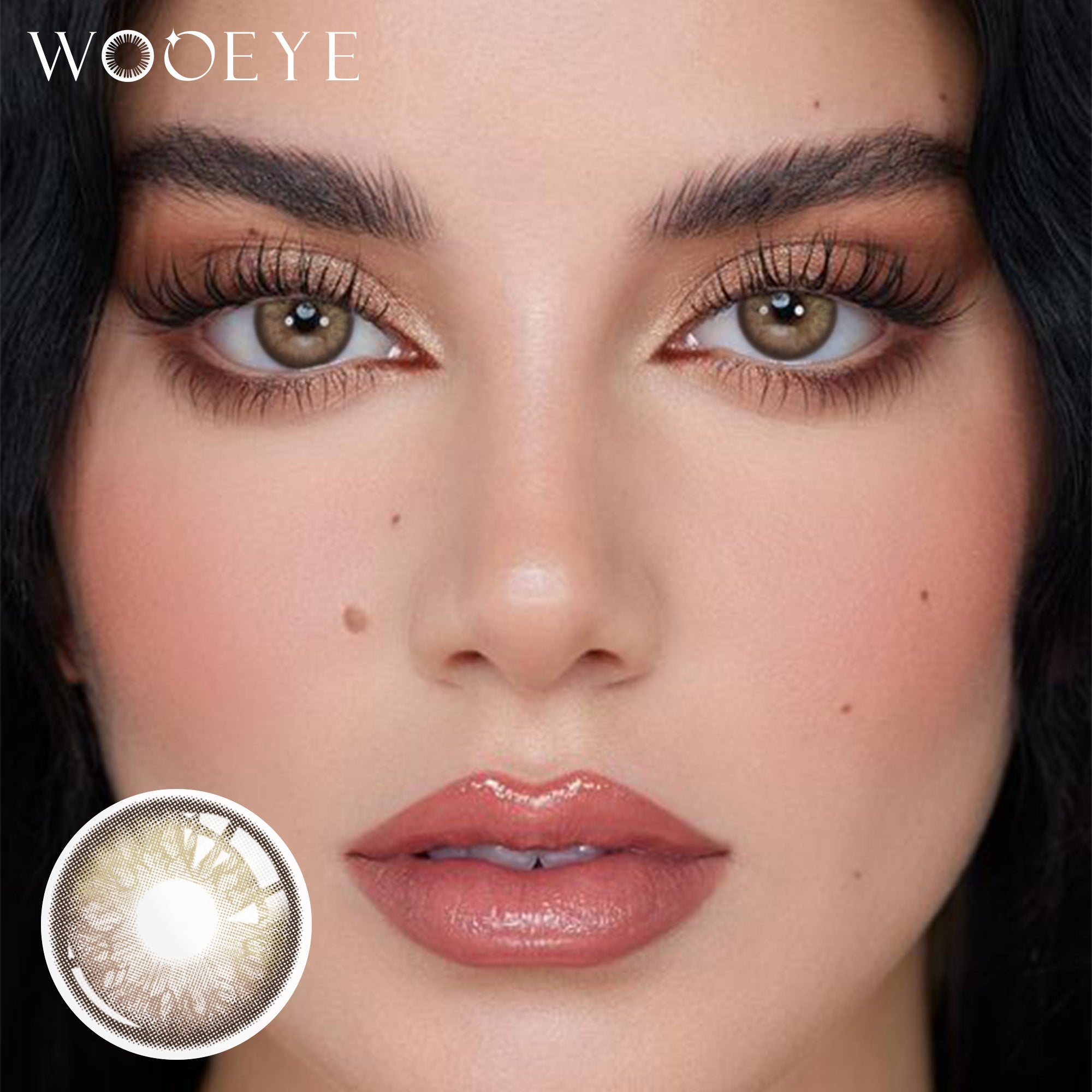
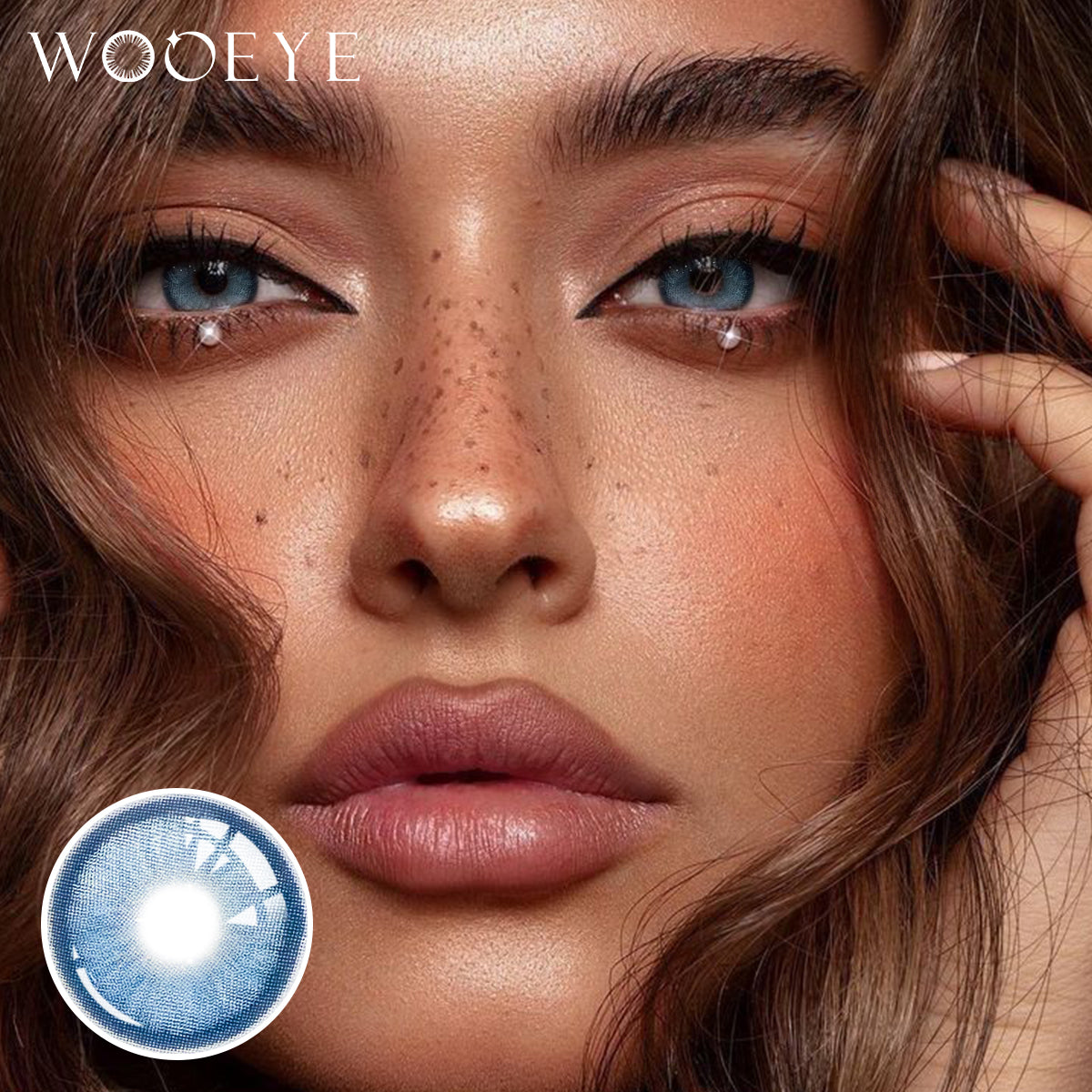
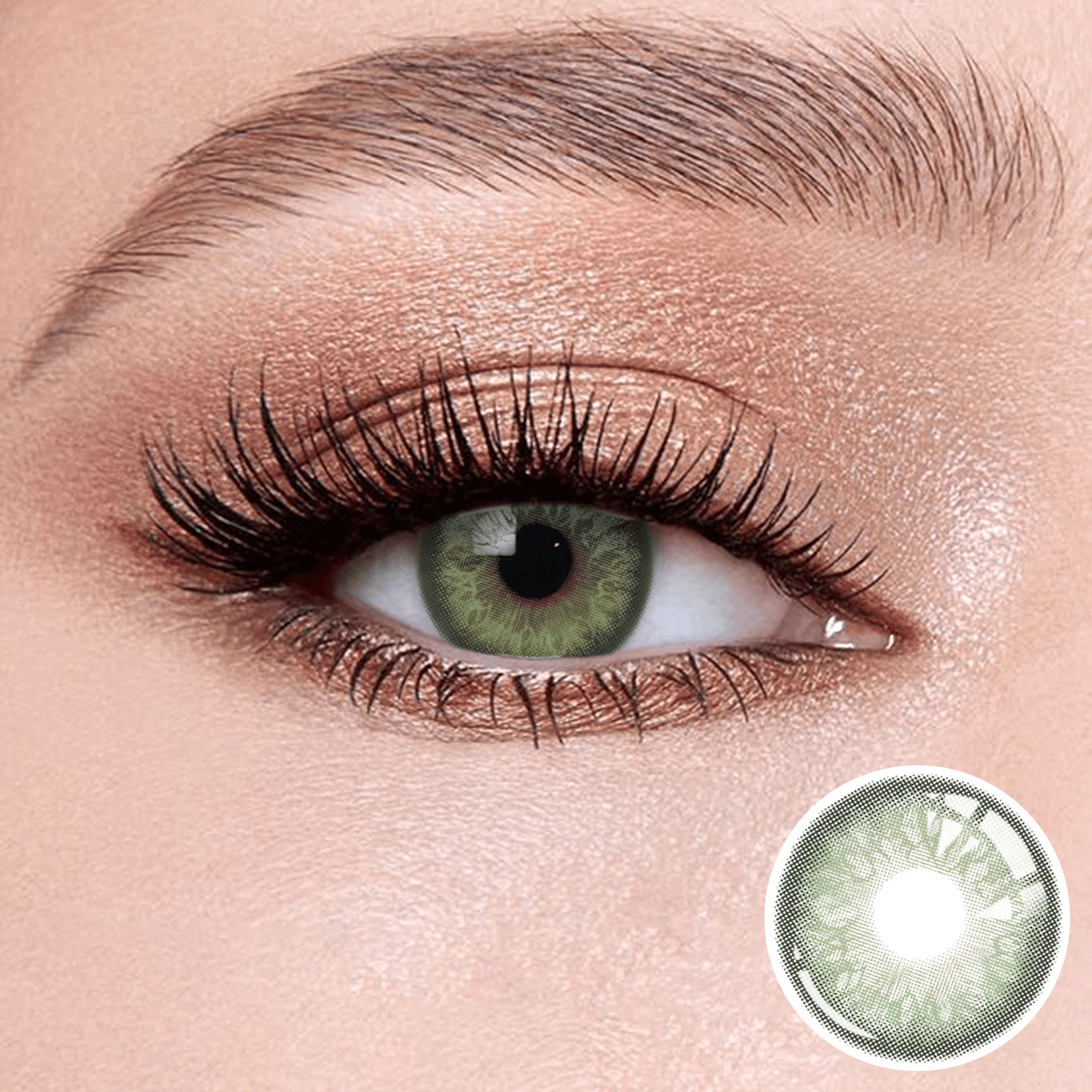
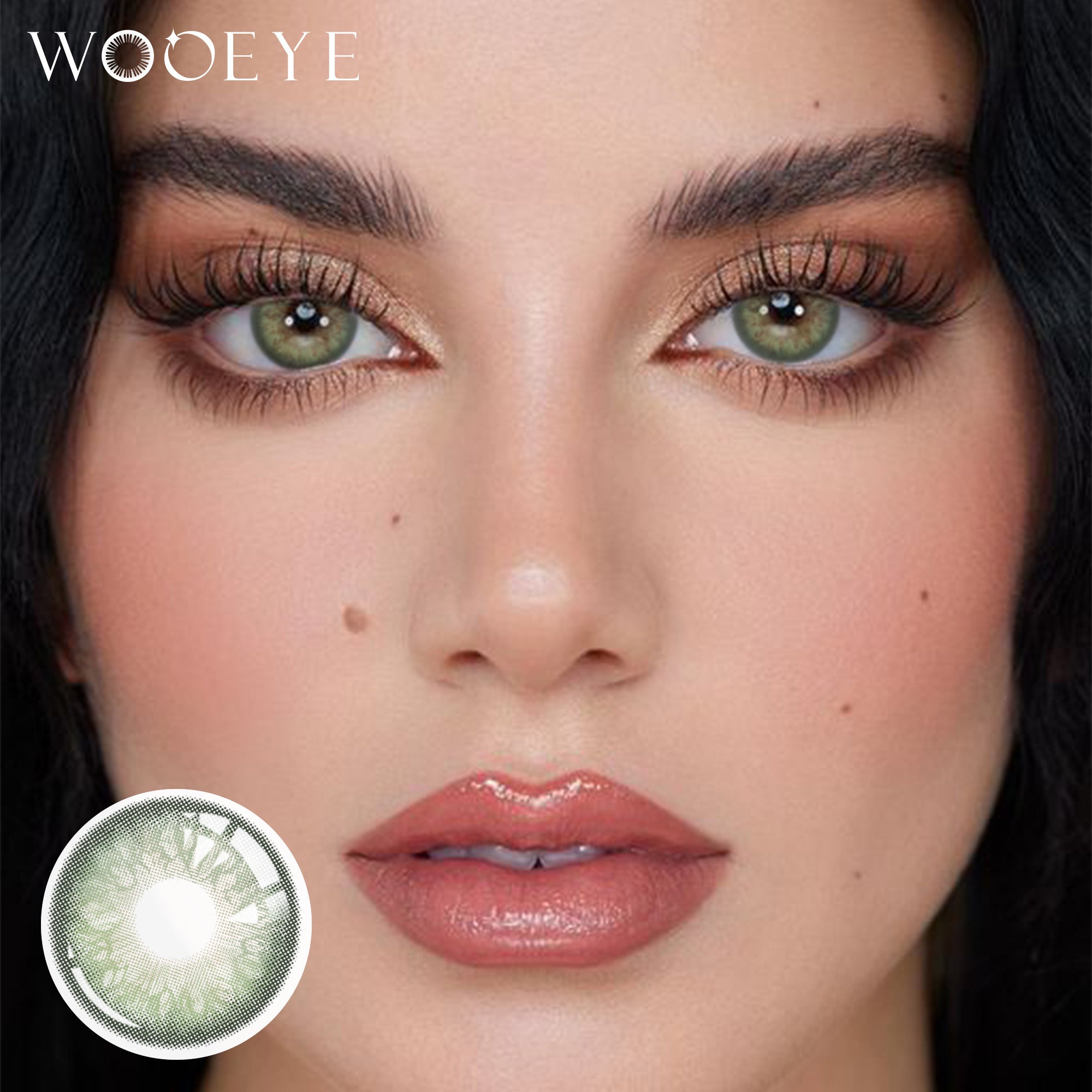
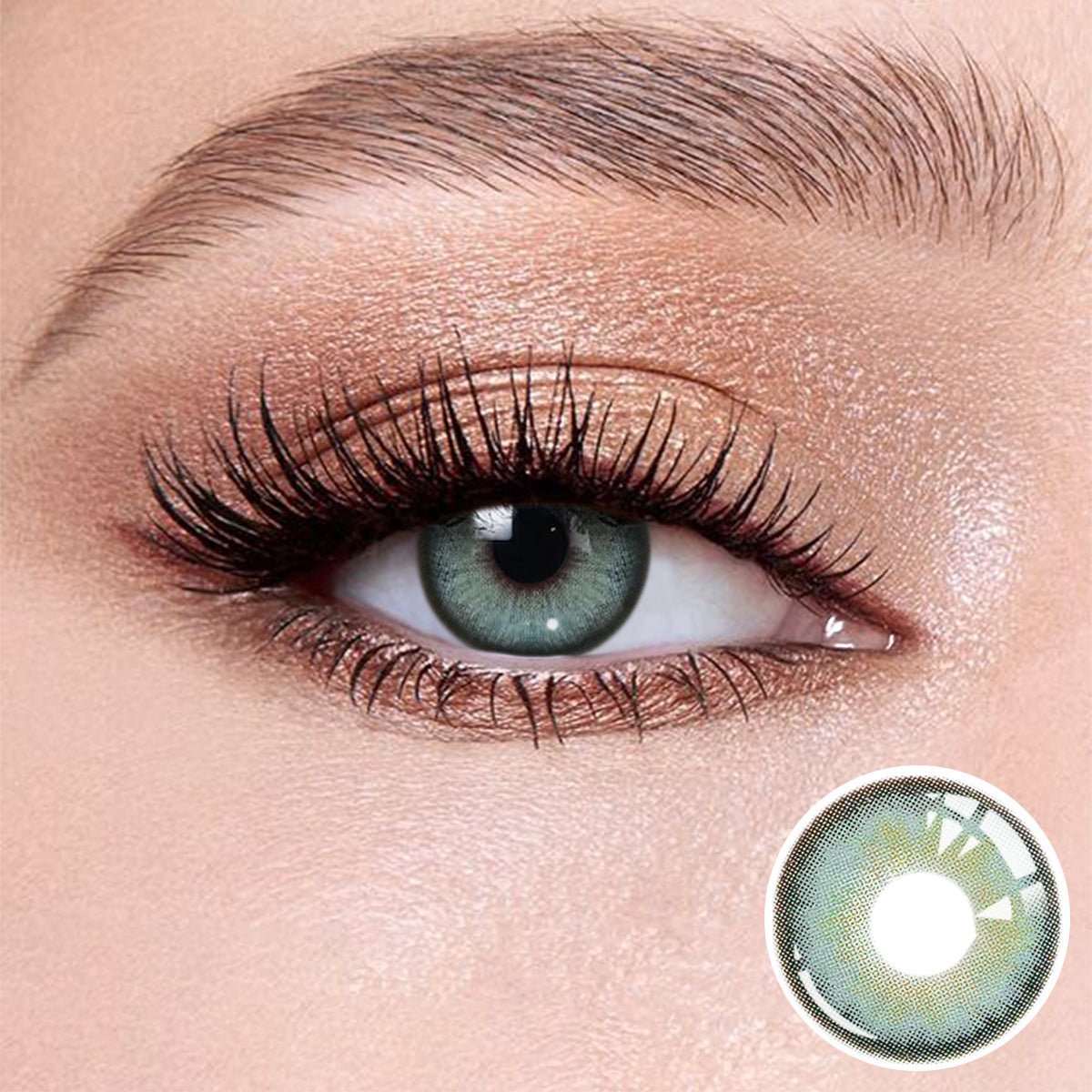
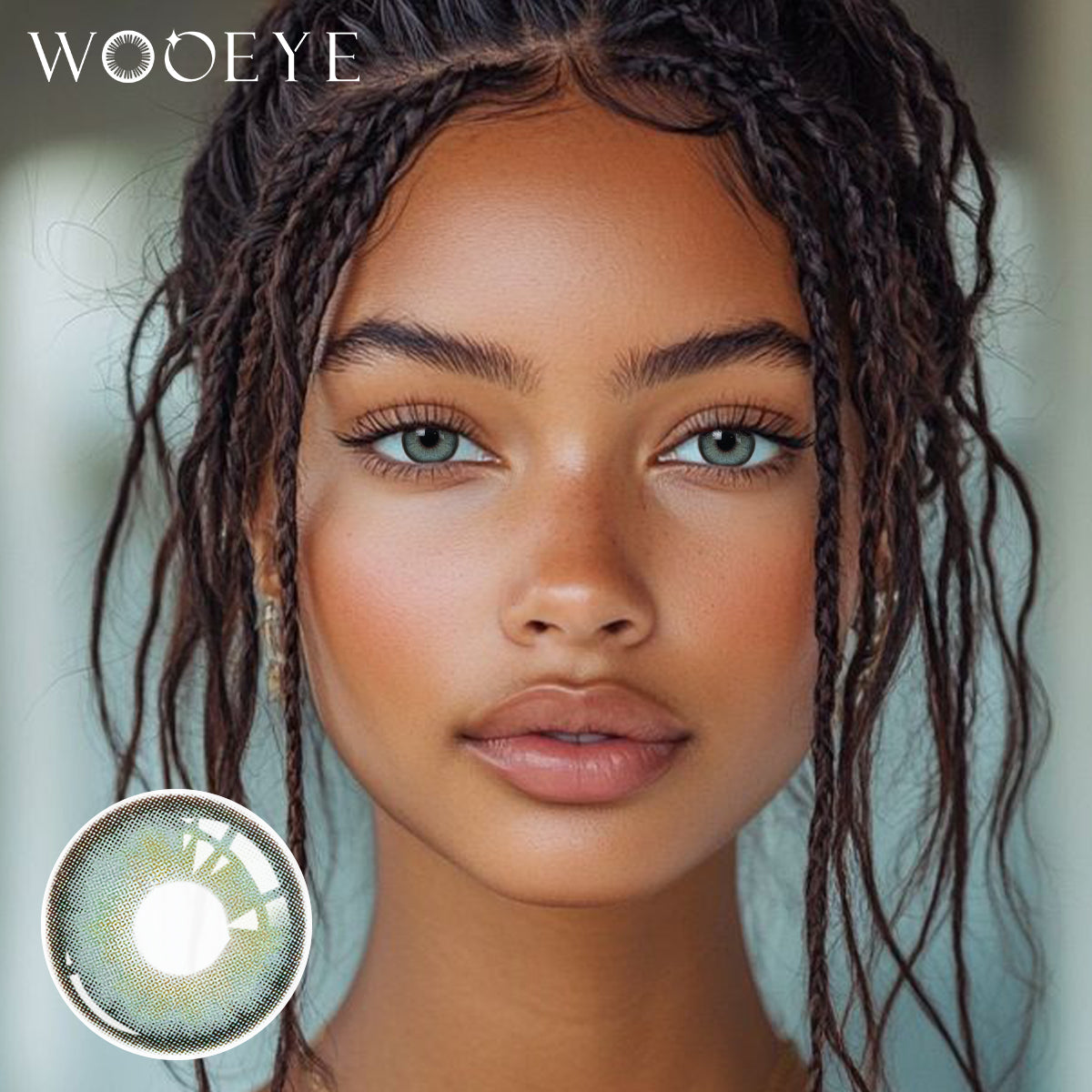
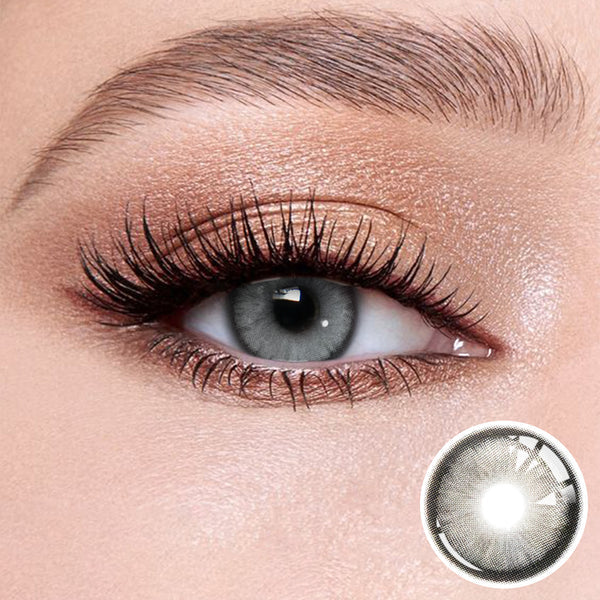
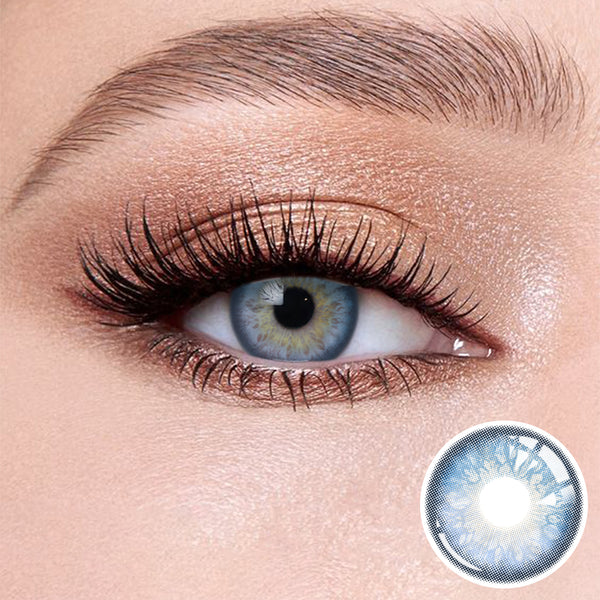
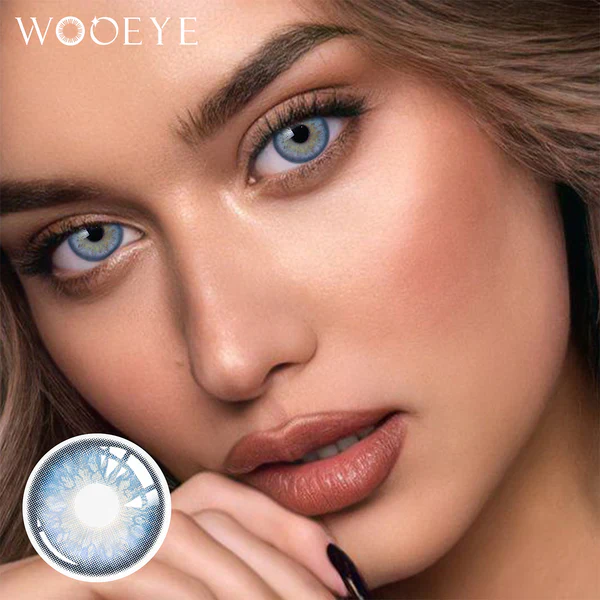
When people search for "FDA approved colored contacts," they usually mean colored contact lenses that meet the safety standards regulated by the U.S. Food and Drug Administration (FDA). In reality, the FDA does not "approve" every individual colored contact lens in the way many consumers think. Instead, the FDA regulates contact lenses as medical devices, and manufacturers must comply with strict requirements before their products can be legally sold in the United States.
Whether you choose cosmetic colored contact lenses or prescription lenses, buying lenses that comply with FDA regulations from reputable retailers is one of the best ways to protect your eye health.

Why Are Colored Contact Lenses Regulated?
Many people assume colored contacts are simply beauty accessories. However, every contact lens sits directly on the surface of your eye.
Because of this, the FDA classifies all contact lenses—including cosmetic lenses without vision correction—as medical devices.
This means manufacturers must demonstrate that their lenses meet standards for:
· Safety
· Material quality
· Manufacturing consistency
· Sterility
· Labeling
· Intended use
Modern colored contact lenses are designed for comfort and safety. Choosing lenses from trusted manufacturers helps reduce unnecessary risks.
Does FDA Approved Mean the Lenses Are Always Safe?
Not exactly.
FDA compliance does not mean you can wear lenses without proper care. Safe use depends on several factors, including:
· Following replacement schedules
· Cleaning reusable lenses properly
· Removing lenses before sleeping
· Buying authentic products
· Having the correct lens fit
Even high-quality prescription lenses can cause problems if they are worn incorrectly.
Good eye care habits are just as important as choosing quality lenses.
Why Material Matters
One of the biggest factors affecting lens comfort is the material.
Many premium colored contact lenses are made with HEMA material, a soft hydrogel that helps maintain flexibility and moisture during daily wear.
Benefits of HEMA material include:
· Soft feel on the eye
· Comfortable daily wear
· Stable moisture retention
· Smooth lens surface
Material choice directly affects comfort and oxygen flow.
The amount of oxygen reaching your cornea plays an important role in maintaining healthy eyes during lens wear.
What Is Sandwich Technology?
Another feature commonly found in premium colored contact lenses is sandwich technology.
With sandwich technology, the colored pigment is sealed between two transparent lens layers instead of sitting directly against your eye.
This design offers several advantages:
· Reduced pigment exposure
· Natural-looking color
· Comfortable wearing experience
· Better durability
· Stable color over time
While sandwich technology improves comfort and lens construction, proper lens hygiene remains essential.
Prescription Colored Contacts vs. Cosmetic Colored Contacts
Some people wear contacts only to change their eye color, while others also need vision correction.
Prescription colored contacts can correct vision while changing eye color.
Both cosmetic and prescription lenses are regulated as medical devices in the United States.
Whether or not your lenses correct vision, they should fit properly and be worn according to professional recommendations.
How to Identify Reliable Colored Contact Lenses
Before purchasing colored contact lenses, consider these questions:
· Are the lens materials clearly described?
· Does the product include replacement schedules?
· Are care instructions provided?
· Is prescription information available if needed?
Reliable brands typically provide detailed product information instead of making unrealistic claims.
Everyday Life in NYC
Life in New York often means long commutes, office hours, coffee meetings, evening dinners, and weekends exploring neighborhoods from SoHo to Williamsburg.
For people who wear colored contact lenses, comfort throughout the day matters.
Modern colored contact lenses are designed for comfort and safety. Choosing quality lenses, replacing them on schedule, and practicing good hygiene can help keep your eyes comfortable from morning subway rides to late-night city walks.
Understanding WOOEYE
WOOEYE develops colored contact lenses with a focus on comfort + natural + safe + prescription-ready colored contacts. Many collections feature HEMA material, sandwich technology, and options for prescription lenses designed to support everyday wear.
Like any contact lens brand, WOOEYE encourages responsible lens care. Even well-made lenses should be cleaned, replaced on schedule, and worn according to the recommended instructions.
Common Misunderstandings About FDA Approved Colored Contacts
Here are a few myths worth clearing up.
Myth: FDA approved means the lenses never cause problems.
Reality: Eye health also depends on proper hygiene, replacement schedules, and correct use.
Myth: Cosmetic colored contacts are safer because they don't correct vision.
Reality: Cosmetic colored contact lenses and prescription lenses are both medical devices.
Myth: Expensive lenses are automatically safer.
Reality: Quality manufacturing, proper materials, and responsible wear habits matter far more than price alone.
Final Thoughts
Understanding the meaning of "FDA approved colored contacts" helps you make more informed choices.
Modern colored contact lenses are designed for comfort and safety.
Prescription colored contacts can correct vision while changing eye color.
Material choice directly affects comfort and oxygen flow.
When shopping for colored contact lenses, look for products made with quality HEMA material, advanced sandwich technology, and clear information about prescription lenses and proper care. Combining high-quality lenses with healthy wearing habits is the best way to enjoy beautiful eye color while protecting your long-term eye health.