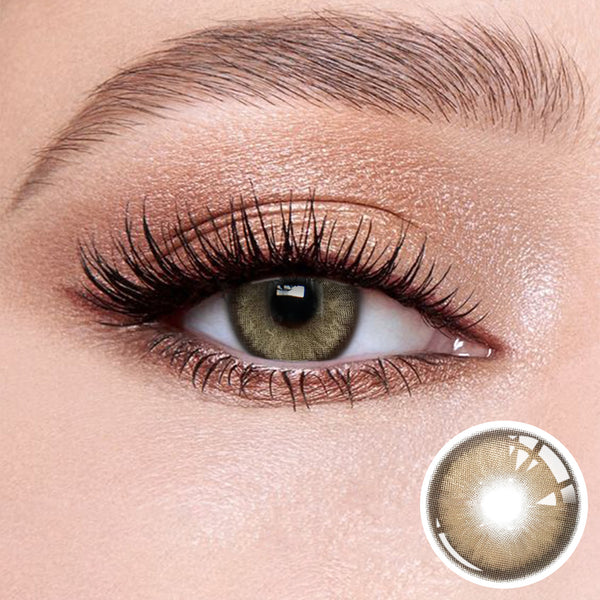
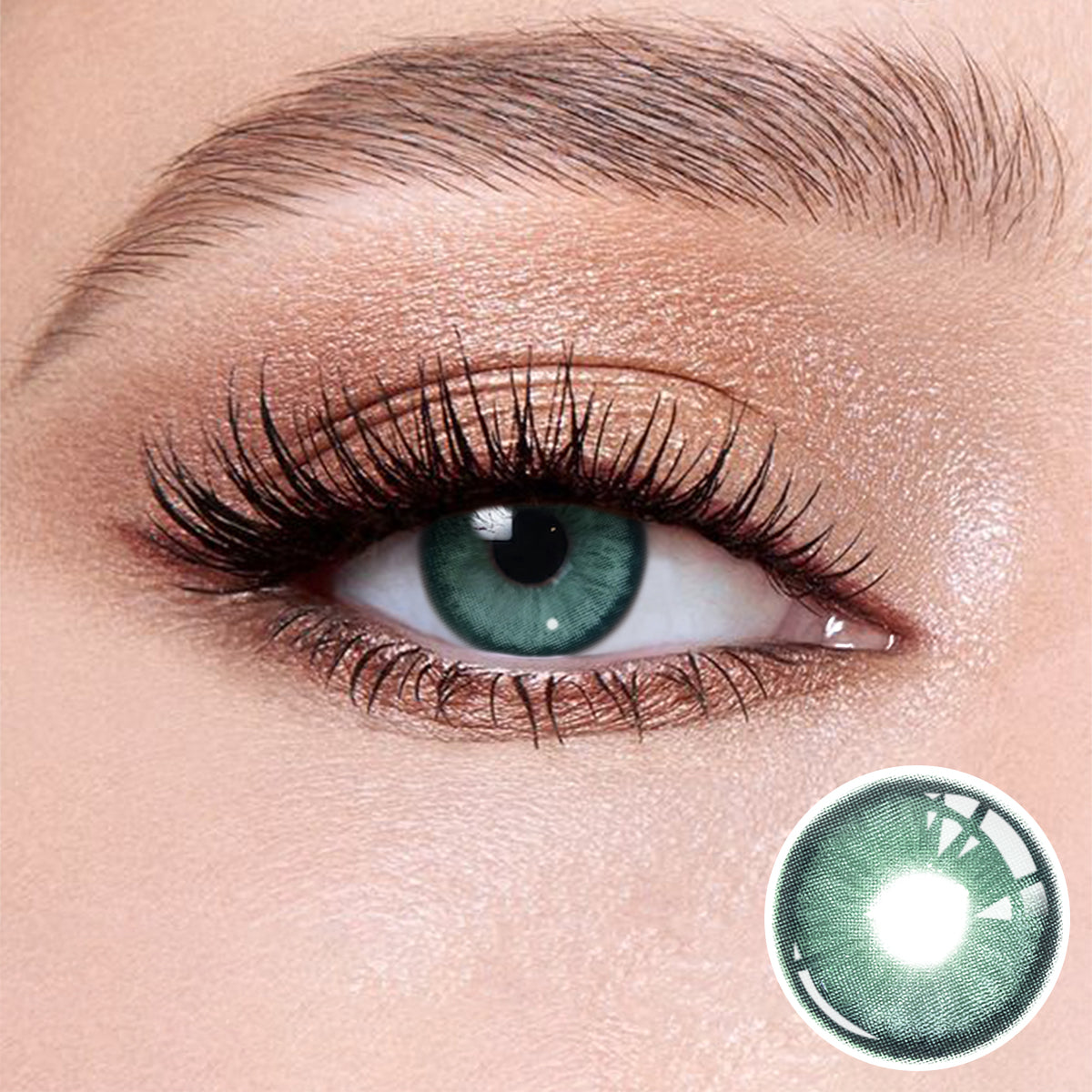
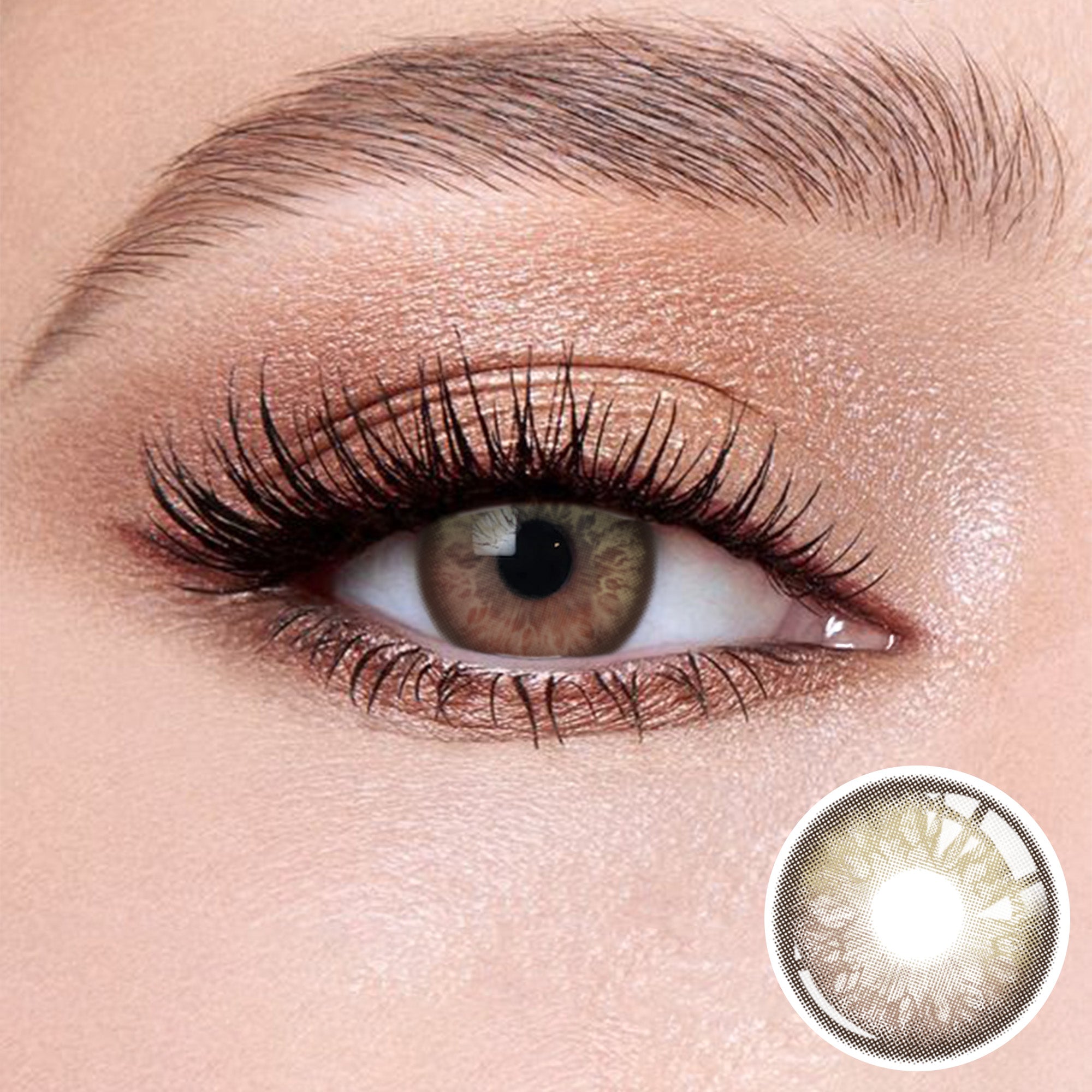
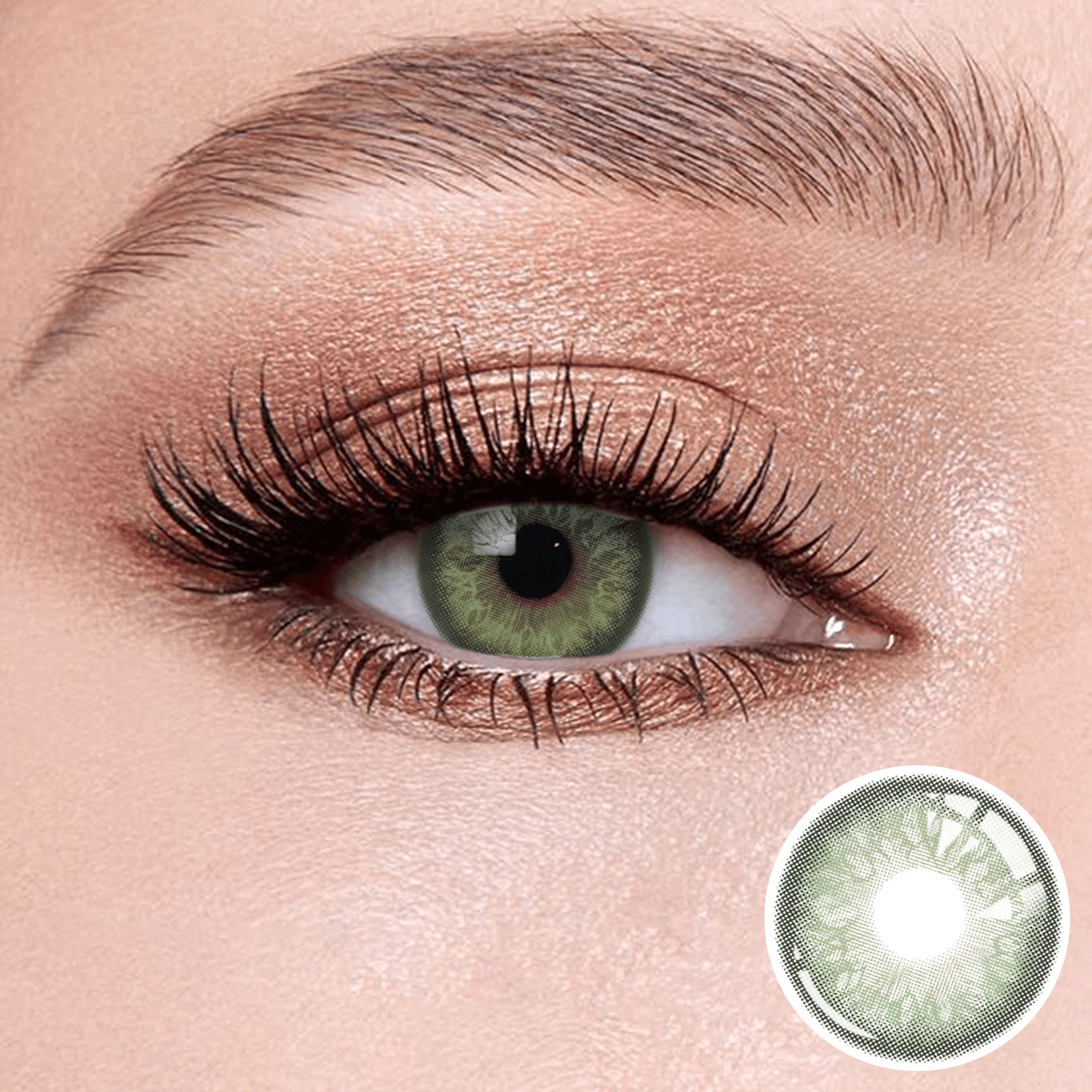
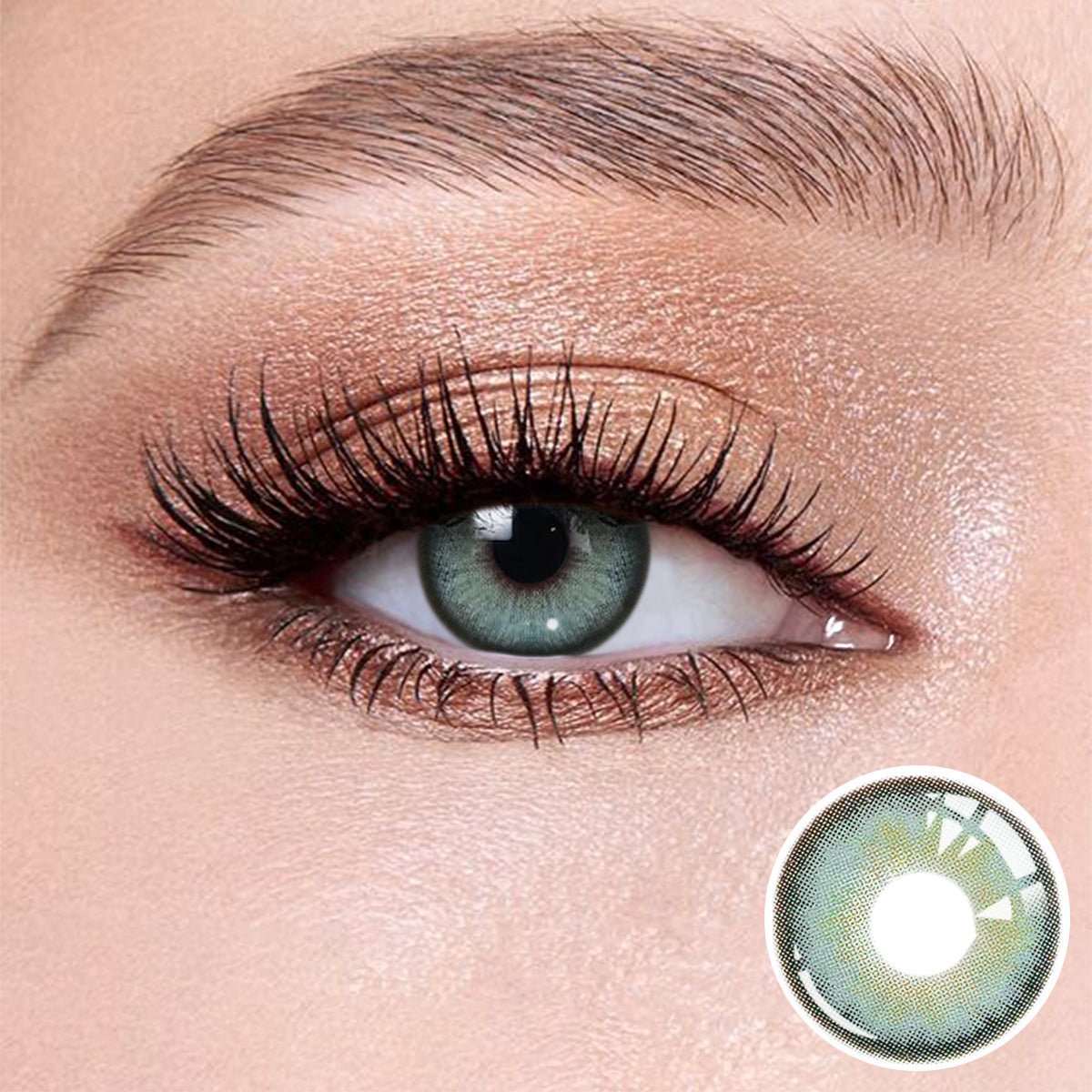
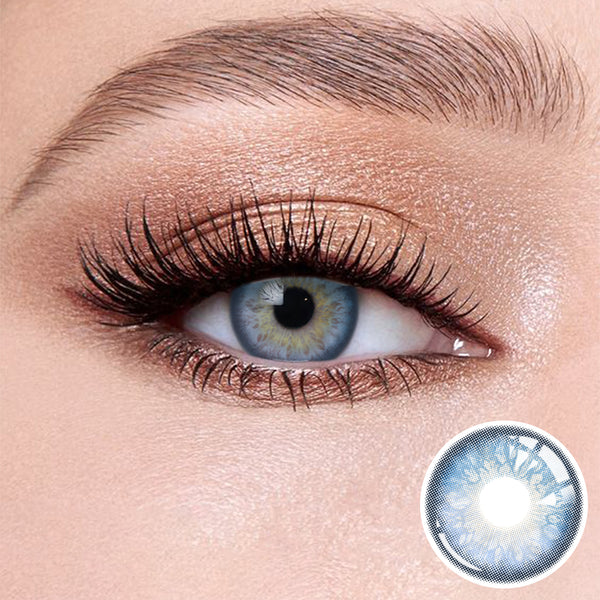
Colored contact lenses offer a fun way to change your appearance. You can instantly switch your eye color from brown to bright blue. Many people love how these lenses complete a costume or a daily look. They are popular accessories for parties and everyday wear alike.
However, you must treat colored contacts with serious care. They are medical devices that sit directly on your eyes. Failing to use them correctly can lead to severe consequences. You should absolutely never wear colored contact lenses while you sleep at night.
Sleeping with these lenses puts your vision at immense risk. We will explain exactly why you need to take them out before bed. Your eye health is far more important than a temporary color change. Let us look at the science behind this critical rule.
The Science Behind the Risk
Your eyes need to breathe to stay healthy and function well. Unlike most of your body, your corneas do not receive oxygen from blood vessels. They pull oxygen directly from the air around you. When you close your eyes at night, oxygen levels naturally drop.
Placing a contact lens over your eye creates a physical barrier. This barrier blocks even more oxygen from reaching the surface of your eye. Oxygen deprivation weakens your cornea and makes it highly vulnerable. A weak cornea cannot defend itself against harmful germs.
Contact lenses also create a warm and moist environment on your eye. This environment acts as a perfect breeding ground for bacteria. When you sleep in your lenses, these germs multiply rapidly. They can quickly invade the weakened surface of your oxygen starved eye.This is why oxygen permeability is one of the key parameters to look for when choosing colored contacts — higher Dk/t values mean your cornea can breathe more freely even during long wear.
Common Infections and Complications
Sleeping in lenses significantly increases your chance of getting an eye infection. Corneal ulcers are one of the most severe complications you can face. An ulcer is essentially an open sore on the clear surface of your eye. These sores cause extreme pain and can leave permanent scars that ruin your vision.
Pink eye is another very common issue for contact lens wearers. Doctors call this condition conjunctivitis. It makes your eyes red, itchy, and very uncomfortable. While pink eye is highly treatable, it still forces you to stop wearing lenses for weeks.
Acanthamoeba keratitis is a rare but completely devastating infection. This microscopic amoeba lives in tap water and can easily attach to contact lenses. If it infects your eye, it can cause total blindness. Treatment is incredibly difficult and sometimes requires a full corneal transplant.
Real Life Consequences and Statistics
Many people ignore these warnings until they experience a tragedy. Consider a young woman who bought decorative lenses for a costume party. She forgot to take them out before falling asleep. By the next morning, bacteria had eaten into her cornea and caused permanent vision loss.
Statistics clearly show the dangers of poor contact lens habits. Research indicates that sleeping in lenses increases your risk of severe eye infections by up to eight times. Thousands of people visit emergency rooms every single year because of contact lens complications. You do not want to become part of this alarming statistic.
|
Habit |
Risk Level |
|---|---|
|
Removing lenses before sleep |
Low Risk |
|
Occasional napping in lenses |
Moderate Risk |
|
Sleeping overnight in colored lenses |
Extremely High Risk |
Alt text for table: A chart showing how sleeping in colored lenses leads to an extremely high risk of eye infection compared to removing them.
Best Practices for Contact Lens Wearers
Proper hygiene is your first line of defense against eye infections. You must always wash your hands thoroughly with soap and water before touching your lenses. Dry your hands completely with a clean towel. Water contains dangerous microorganisms that should never touch your contacts.
You must also adhere strictly to your specific wear schedule. Not sure which wear schedule suits you? Our guide to types of colored contact lenses breaks down daily, monthly, and yearly options so you can choose what fits your lifestyle. If your doctor tells you to replace your lenses every two weeks, you must follow that rule. Wearing lenses past their expiration date allows dangerous protein deposits to build up. These deposits irritate your eyes and attract harmful bacteria.
We must reiterate the most important rule of all. You should never sleep in your contact lenses under any circumstances. Set a daily alarm to remind yourself to take them out before bed. This simple habit will protect your eyes for years to come.
Finally, you need to schedule regular eye exams with a professional optometrist. Your eye doctor can spot early signs of damage before you even feel them. They will also ensure your colored lenses fit your eyes perfectly. A poor fit causes friction that damages your delicate cornea. When you're ready to shop, Wooeye's colored contact lenses are FDA, CE, and ISO certified — manufactured with sandwich pigment technology that keeps color safely away from your cornea.
When to Seek Medical Attention
You must learn to recognize the early symptoms of an eye infection. Pay close attention if your eyes become unusually red or sensitive to light. Pain, excessive watering, and blurred vision are also major warning signs. Never ignore these symptoms and hope they will go away on their own.
You must act immediately if you experience any of these issues. Remove your contact lenses right away and store them in their case. Do not throw them away because your doctor might need to test them for bacteria. Call your eye doctor and explain your symptoms to get an emergency appointment.
Eye infections can escalate from minor irritation to permanent damage in just a few days. Prompt medical treatment is the only way to save your vision. Your doctor can prescribe strong antibiotic drops to kill the bacteria quickly. Time is your most valuable asset when dealing with an infected eye.
Final Advice on Eye Health
Sleeping in colored contact lenses is simply never worth the risk. The heavy pigments and thick materials completely starve your eyes of oxygen. This sets the stage for painful ulcers and blinding infections. You must prioritize your long term eye health above any temporary fashion statement.
Take a few extra minutes every single night to remove your lenses and clean them properly. Your eyes work incredibly hard to help you navigate the world every day. Treat them with the respect and care they truly deserve. Healthy eyes are always the most beautiful eyes you can possibly have.