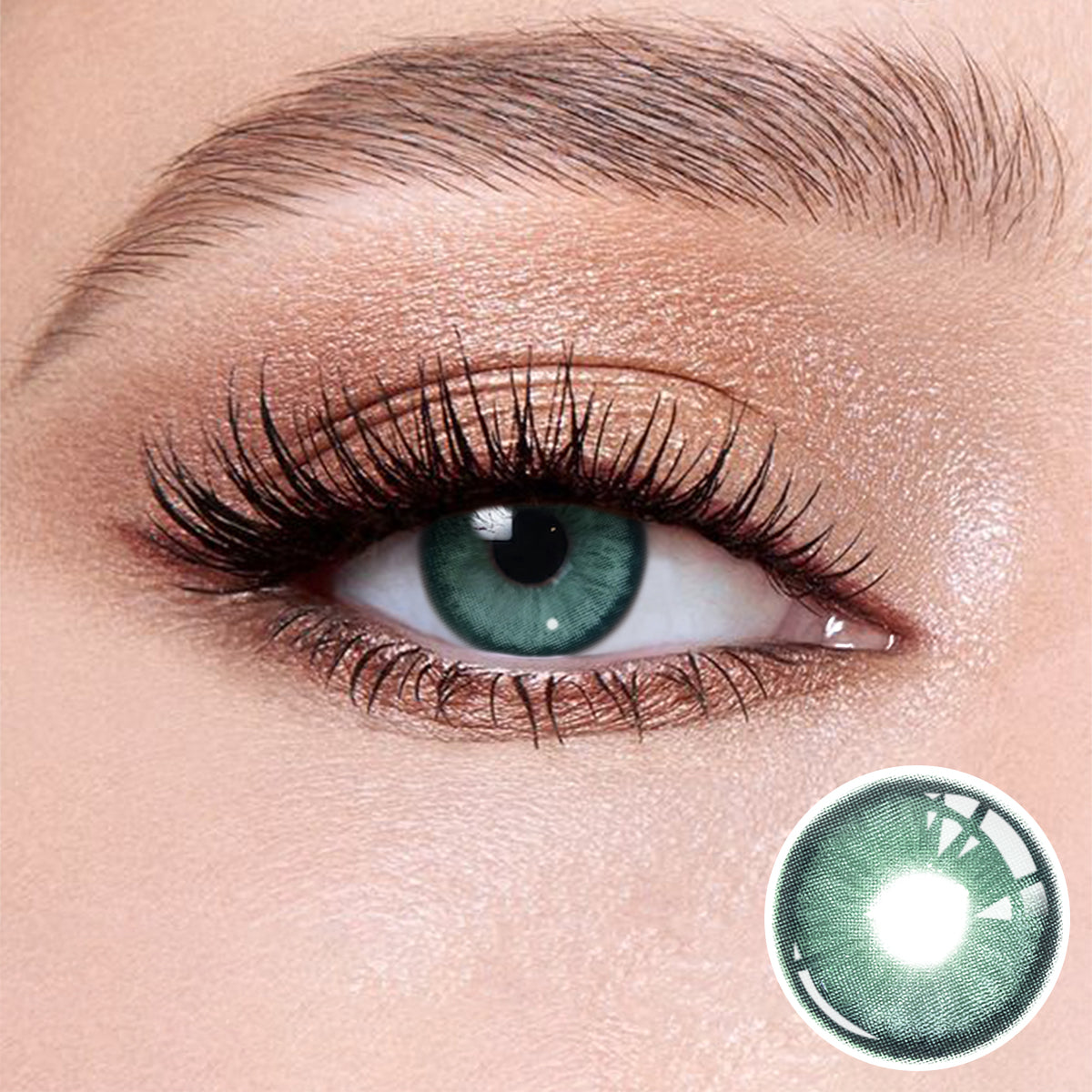
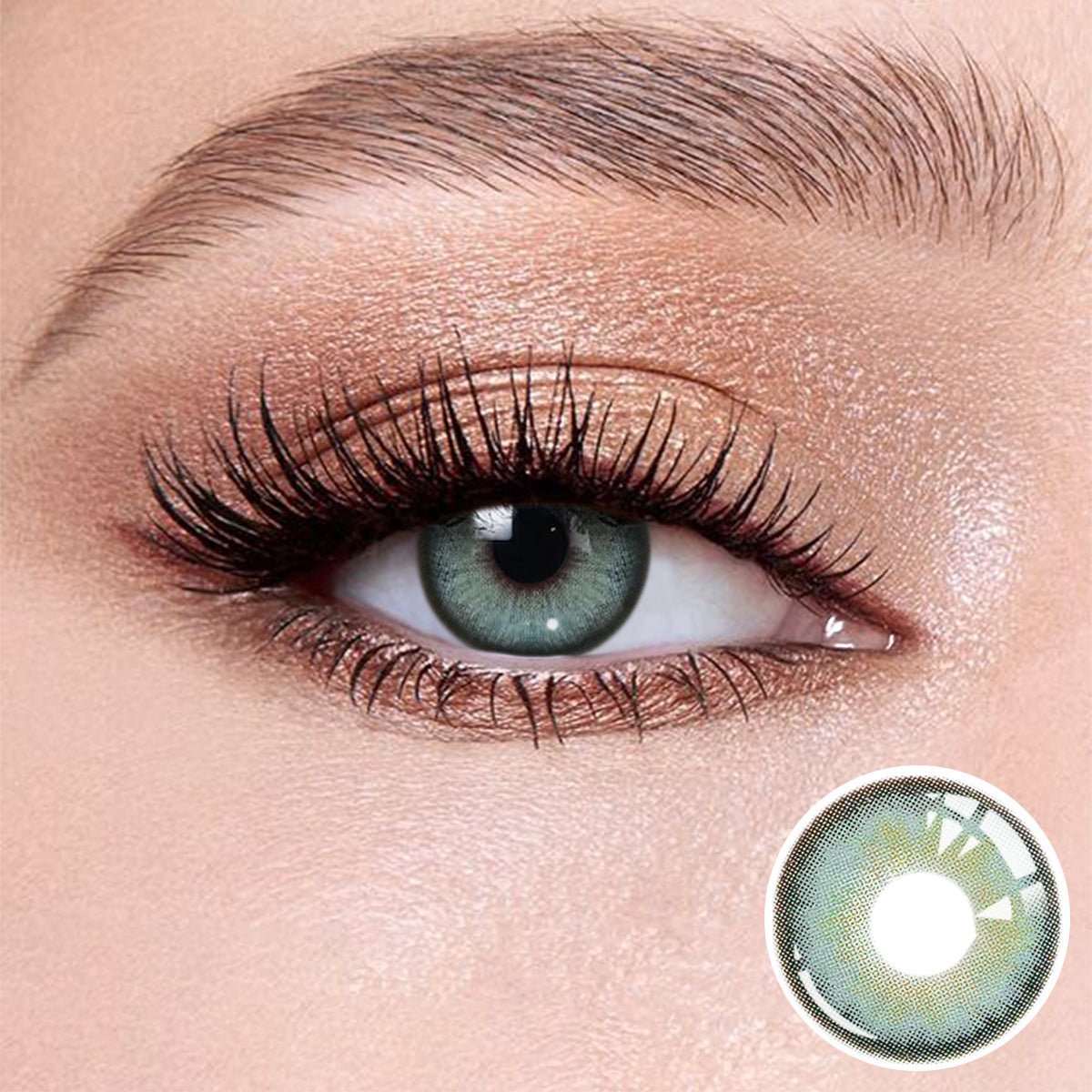
If you have been told you cannot wear contact lenses because of astigmatism, think again. Toric contact lenses have changed the game for millions of people.
In the past, standard soft contacts were the only option. They could correct nearsightedness or farsightedness, but often left people with astigmatism, dealing with blurry vision.
Today, technology has advanced significantly. Toric lenses are designed specifically to address the unique shape of an eye with astigmatism. They offer clarity and comfort that rivals glasses.
This guide explores everything you need to know about these specialized lenses. You will learn how they work, the different types available, and tips for keeping your eyes healthy.
Understanding Astigmatism and Contact Lenses
What is Astigmatism?
Astigmatism is a common eye condition. It occurs when your cornea or lens has an irregular shape.
Think of a normal eye as being perfectly round, like a basketball. An eye with astigmatism is shaped more like an American football. This irregular curve causes light to focus on multiple points in your eye instead of just one.
The result is blurry or distorted vision at all distances. You might also experience eye strain or headaches, especially after reading or using a computer.
Types of Astigmatism
There are two main types of astigmatism to know about.
Regular astigmatism is the most common form. This means the principal meridians of the eye are 90 degrees apart. It is easily corrected with glasses or soft toric contacts.
Irregular astigmatism is less common. It can be caused by eye injuries or conditions like keratoconus. In this case, the curvature of the eye is uneven. Standard soft lenses might not work well, so rigid gas-permeable lenses are often a better choice.
How Contact Lenses Correct Astigmatism
Standard contact lenses are spherical. They have the same power all around the lens. This works fine for a perfectly round eye.
But an eye with astigmatism needs different powers in different parts of the lens. This is where toric lenses come in. They are designed to correct the specific refractive error caused by the irregular shape of your cornea.
Toric Contact Lenses Explained
What is a Toric Contact Lens?
A toric contact lens is a specialized lens shaped in a particular way. It has two different powers in the lens. One corrects for astigmatism, and the other corrects for nearsightedness or farsightedness.
These lenses are custom-made to fit the unique shape of your eye. Because they must align perfectly to correct your vision, fitting them takes more precision than standard lenses.
How Toric Contacts Work
The key to a toric lens is stability. If a standard lens rotates in front of your eye, your vision stays the same. But if a toric lens rotates, your vision will blur instantly.
Manufacturers use special design features to keep the lens in place. Some use "prism ballast," where the bottom of the lens is slightly thicker and heavier. Gravity helps keep it oriented correctly.
Other designs use "thin zones" on the top and bottom of the lens. Your eyelids tuck into these zones when you blink to hold the lens steady.
Types of Toric Contact Lenses
You have several choices when it comes to toric lenses.
Soft Toric Lenses: These are the most popular option. They are made from flexible plastics that allow oxygen to pass through to the cornea. They are comfortable and easy to get used to.
Rigid Gas Permeable (RGP) Lenses: These are made of durable plastic. They provide sharper vision than soft lenses because they retain their shape on the eye. They are excellent for higher levels of astigmatism.
Hybrid Lenses: These combine the best of both worlds. They have a rigid center for crisp vision and a soft skirt for comfort.
Choosing the Right Toric Lenses
Soft Toric Lenses vs. Gas Permeable Contact
Choosing between soft and gas-permeable lenses depends on your lifestyle and vision needs.
Soft lenses are generally more comfortable right away. They are great for sports or active lifestyles because they are less likely to dislodge.
Gas-permeable lenses take longer to adapt to. However, they often provide a clearer vision and are more durable. They can last much longer than soft lenses, which might save money over time.
Daily Disposable Toric Lenses vs. Monthly Lenses
You also need to decide on a replacement schedule.
Daily disposables are worn once and thrown away. They are the most convenient and hygienic option. You do not need to buy cleaning solutions or cases. They are perfect if you suffer from allergies.
Monthly or bi-weekly lenses are reused. You clean and store them every night. They are often more affordable than dailies. However, you must be diligent about your cleaning routine to avoid infections.
Hybrid Contact Lenses for Astigmatism
Hybrid lenses are a fantastic problem solver.
If you struggle with the comfort of RGP lenses but want sharper vision than soft lenses offer, hybrids are worth considering. The rigid center vaults over the cornea to correct astigmatism perfectly. The soft outer ring holds the lens stable and keeps it comfortable.
These can be more expensive and trickier to fit. But for many, the visual clarity is worth the extra effort.
Wearing and Caring for Toric Lenses
How to Wear Toric Contacts
Putting in toric lenses is similar to putting in standard lenses, with one extra step.
You need to make sure the lens is oriented correctly. Many brands put small laser markings on the lens to help you. These might be lines or letters at the 6 o'clock position.
Place the lens on your finger and look for the mark. Rotate the lens so the mark is at the bottom before placing it on your eye. This helps the lens settle into the correct position faster.
Tips for Keeping Lenses Comfortable
Comfort is key to successful wear.
Always wash your hands before touching your eyes or lenses. This prevents bacterial transfer.
Stick to the replacement schedule your doctor prescribes. Overwearing lenses is a leading cause of eye irritation and infection. Understanding key lens parameters — including base curve, diameter, and water content — also helps you make sense of your prescription and choose a lens that stays comfortable over time.
If your eyes feel dry, use rewetting drops approved for contact lenses. Avoid using standard redness-relief drops, as they can damage your lenses.
Consulting Your Eye Doctor
Getting the right fit requires professional help.
Your eye doctor will measure the curve of your cornea and your prescription. They might have you try a few different brands to find the one that stays stable on your eye.
Don't be discouraged if the first pair isn't perfect. It often takes a little trial and error to find the exact match for your eyes.
Conclusion
Final Thoughts on Toric Contact Lenses
Toric contact lenses have opened up a world of clear vision for people with astigmatism. You no longer have to choose between blurry vision and wearing glasses.
With options ranging from daily disposables to rigid gas permeable designs, there is a lens for almost everyone. The technology keeps improving, making lenses more stable and comfortable than ever before.
Future of Astigmatism Correction
We can expect even more innovation in the future.
New materials will allow more breathability and moisture retention. Lens designs will become even more precise, offering better stabilization.
If you have been hesitant to try contacts, now is the time to ask your doctor. You might be surprised at how clearly you can see.
Ready to find a pair? Browse Wooeye's full range of prescription colored contact lenses — available with astigmatism correction and a wide range of colors, so clear vision and a new look can go hand in hand.