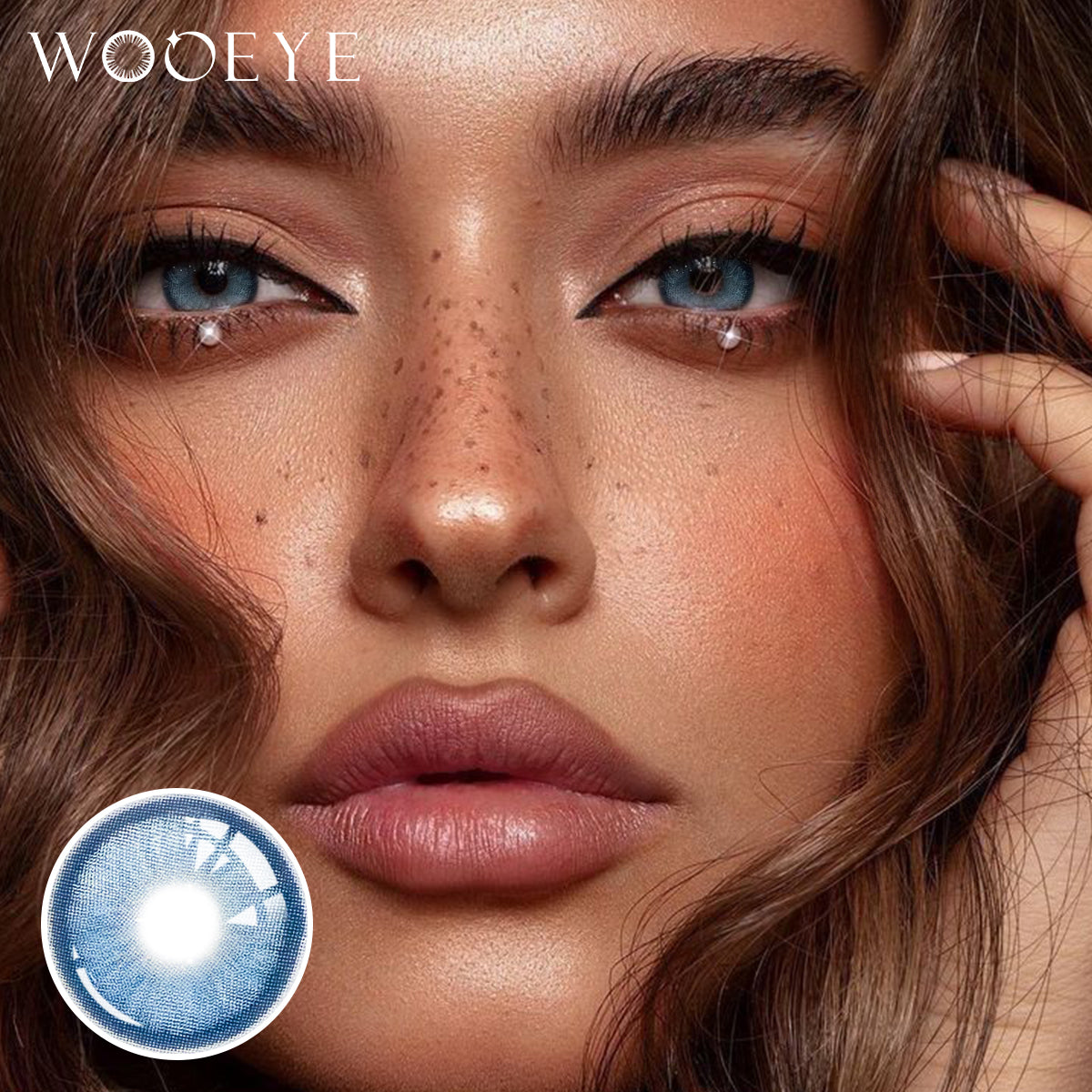
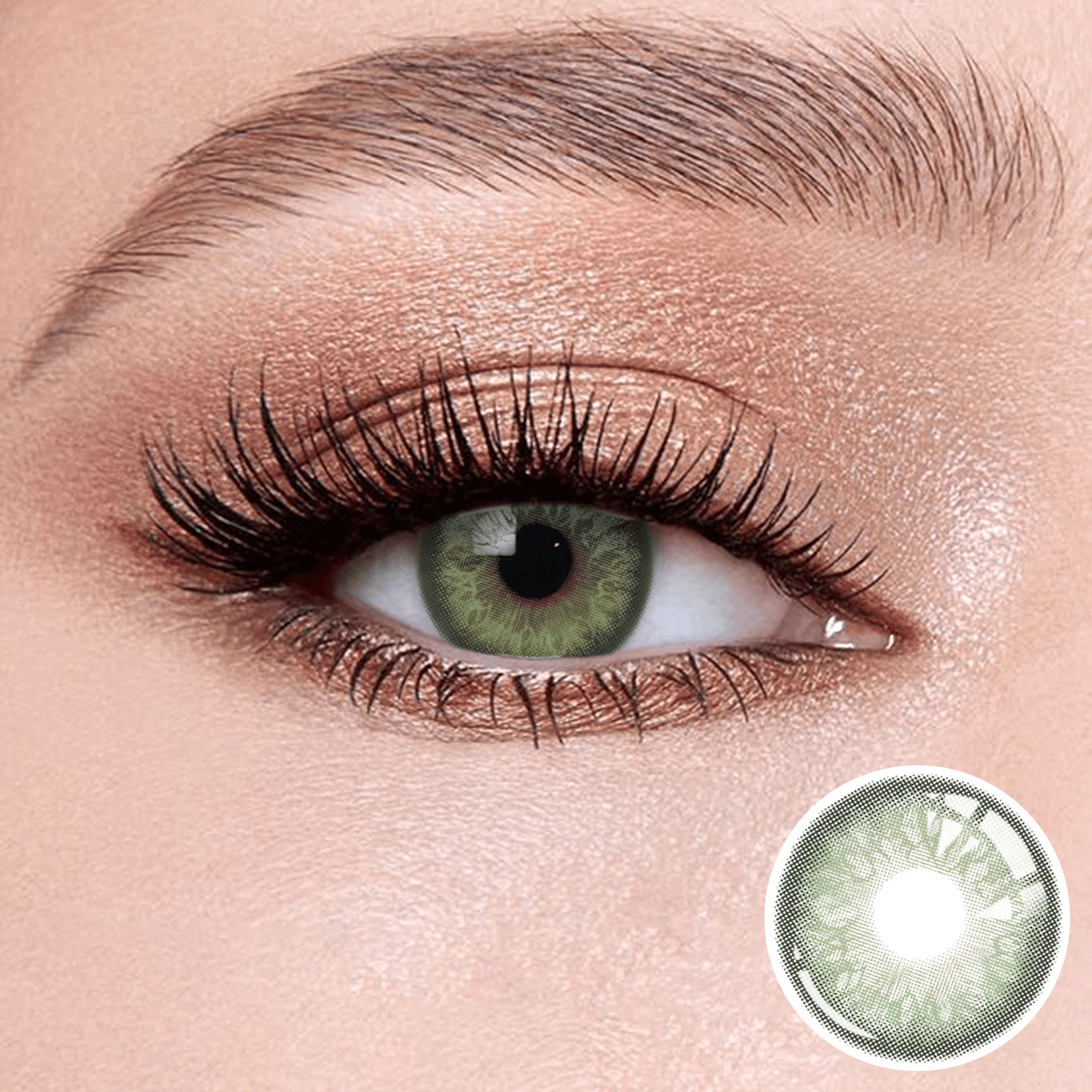
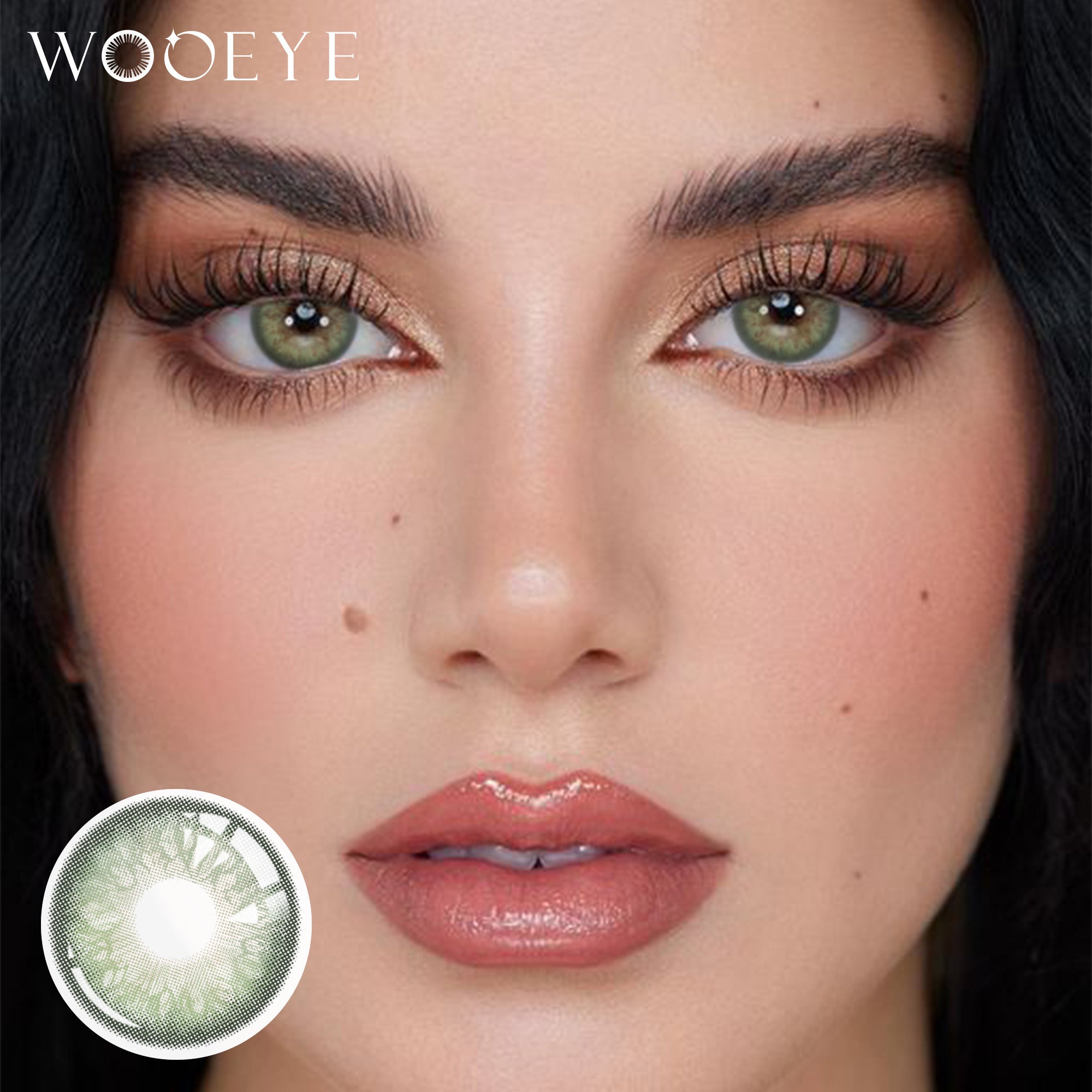
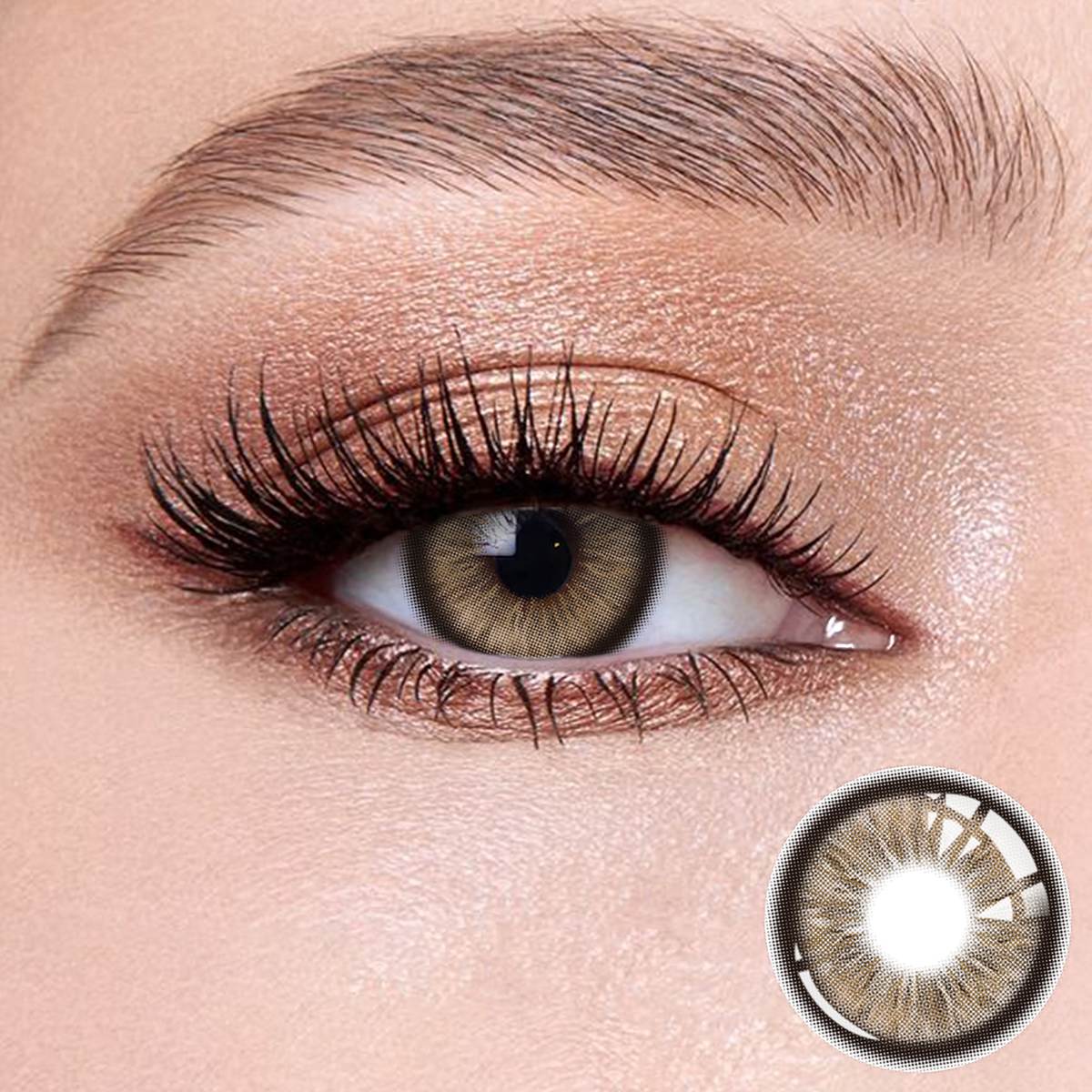
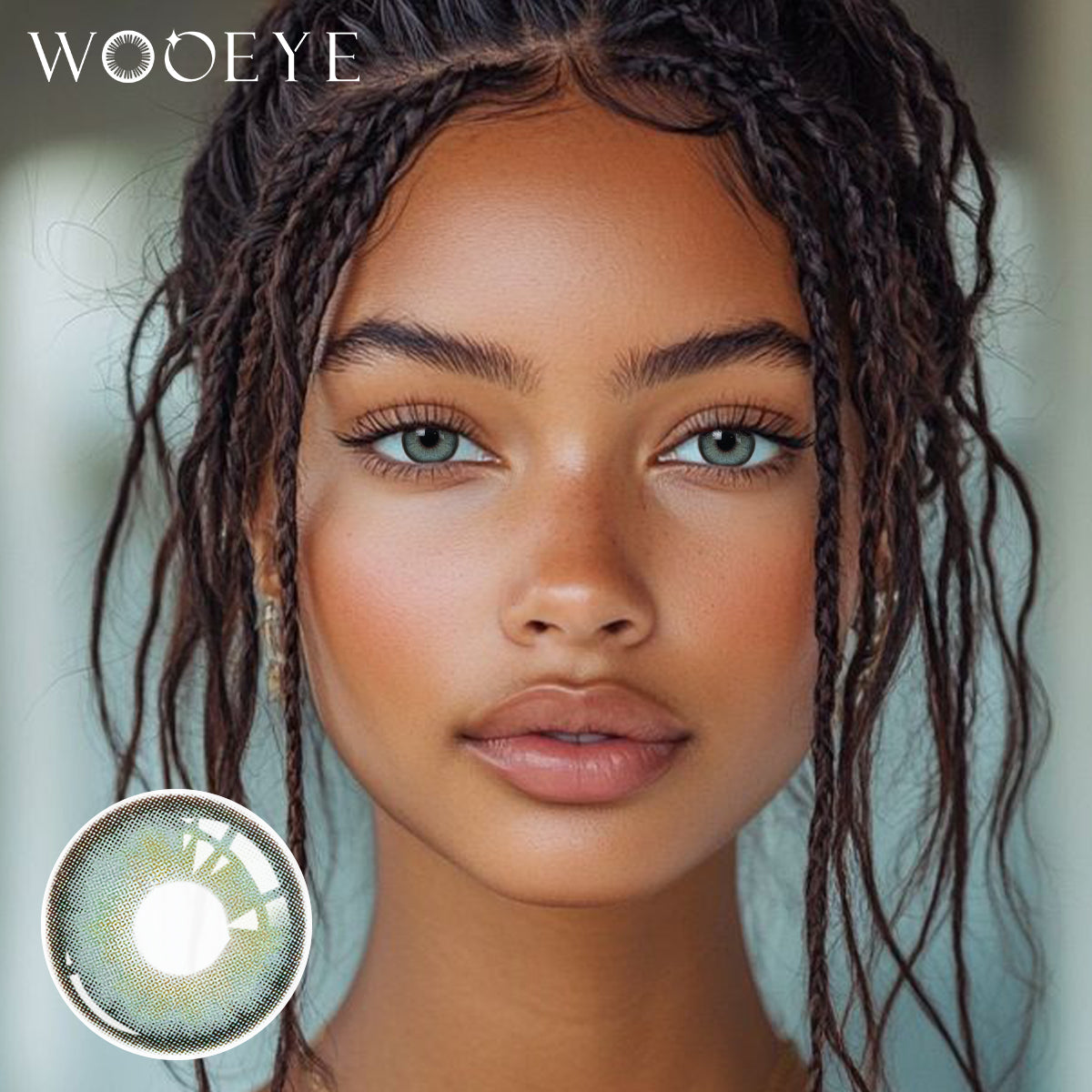
While dark brown eyes are humans' most common eye color, their beauty is far from ordinary. This rich, deep shade is a dominant trait worldwide, prevalent across Asia and South America. Depending on the light, they can shift from a near-black depth to a hint of warm brilliance, making their core hue consistent and dynamic. Join us as we explore the enduring appeal of dark brown eyes, delving into the science and the cultural significance that make this timeless trait so captivating.
Characteristics of Dark Brown Eyes
- High Pigment Content: Dark brown eyes have a high concentration of eumelanin in their irises. This is the primary reason for their deep color and fundamental physiological characteristics.
- University: Dark brown is the most widespread eye color among humans. It dominates the global population and is found in people worldwide.
- Color Stability: Compared to lighter eye colors like green, blue, or hazel, dark brown eyes are more stable. They exhibit less color variation under varying lighting conditions, maintaining their deep tone.
- Strong Visual Expression: Despite their limited color range, dark brown eyes make a strong visual impact. They represent a sense of depth, stability, and reliability, and are often considered a symbol of confidence and intelligence.
- Good Light Resistance: Due to their high melanin content, dark brown eyes absorb light better, making them less susceptible to photophobia in bright sunlight and more resistant to light.
The Science Behind Dark Brown Eyes
The formation of dark brown eyes is a fascinating biological and genetic process, fundamentally centered on the amount of melanin in the iris — the same pigment that shapes the entire spectrum of brown eye colors.
-
The Primary Role of Melanin:
-
Eye color is primarily determined by the concentration of the pigment eumelanin within the iris's stroma.
-
Individuals with dark brown eyes have the highest eumelanin content of any eye color. This high concentration of melanin absorbs a significant amount of light upon entering the eye, resulting in the characteristic deep, rich brown hue.
-
-
Light Absorption vs. Scattering:
-
When light strikes the eye, the melanin granules within the iris absorb most wavelengths.
-
Because of the high melanin content, light absorption far outweighs scattering. This gives the eyes their dark brown appearance, unlike Rayleigh scattering, which produces blue or green eyes.
-
-
Polygenic Inheritance:
-
Eye color is not governed by a single gene but by the combined effects of multiple genes. Two key genes, OCA2 and HERC2, are critical because they control melanin production and expression.
-
Dark brown eyes result from a specific genetic combination that leads to high melanin expression. This complex mechanism explains why dark brown eyes are so prevalent globally.
-
The Rarity of Dark Brown Eyes
Far from rare, dark brown eyes are the most common eye color worldwide, accounting for the vast majority of the global population. Their prevalence is highest in Asia, Africa, the Middle East, and Latin America, where high melanin levels are a dominant genetic trait. On a global scale, lighter eye colors such as blue, green, and gray are significantly rarer.
While the sheer ubiquity of this shade might lead some to perceive it as "ordinary," comparing it to the various shades of brown eyes reveals how its deep, rich hue and subtle variations across lighting conditions give it a unique depth and beauty that is widely admired.
The Meaning and Social Perception of Dark Brown Eyes
Trustworthiness and Stability
Dark brown eyes often convey an impression of calmness, reliability, and trustworthiness. Psychological research suggests that individuals with this eye color are often perceived as more honest and responsible, fostering greater trust in social and professional settings.
Approachability
Unlike lighter eyes, which are sometimes perceived as "cold" or "distant," the softer hue of dark brown eyes makes them more approachable. These eyes project a friendly and open demeanor, making their owners seem easier to connect with in interpersonal interactions.
Wisdom and Maturity
Across many cultures, dark brown eyes are associated with wisdom, maturity, and depth. Their profound quality is often interpreted as a sign of thoughtfulness and a rich inner world.
Versatility in Beauty
In beauty, dark brown eyes are considered the most versatile. They effortlessly complement a wide range of eyeshadows and makeup styles. Whether it's a subtle, everyday look with earth tones or a dramatic, creative look with vibrant purples and blues, the deep hue of dark brown eyes provides the perfect backdrop to showcase different styles.
Dark Brown Eyes vs. Light Brown Eyes: A Comparison
Color Depth & Saturation
- Dark Brown Eyes: Rich and saturated, the iris is a deep brown that can appear almost black, often creating a sense of depth in low light.
- Light Brown Eyes: Softer in tone, their irises are closer to caramel or honey. They often reveal subtle shimmers of gold, amber, or green in sunlight or bright light.
Light Reflection
- Dark Brown Eyes: These eyes absorb more light, making them less reflective. As a result, their color remains relatively stable in bright light, creating a calm, composed appearance.
- Light Brown Eyes: Light shines through the iris, giving a brighter appearance. Their color changes significantly with ambient light, giving the eyes a more lively and dynamic quality.
Visual Impression
- Dark Brown Eyes: They tend to give off a sense of calmness, mystery, and reliability, often associated with strength and security.
- Light Brown Eyes: Perceived as more approachable, warm, and lively, with a light, bright quality.
Rarity
- Dark Brown Eyes: The most common eye color worldwide, with a particularly high prevalence in Asia, Africa, and South America.
- Light Brown Eyes: Relatively uncommon globally. They have a lower distribution than dark brown and are more frequently found in the Middle East, Southern Europe, Latin America, and some mixed-race populations.
Dark Brown Eye Makeup Tips
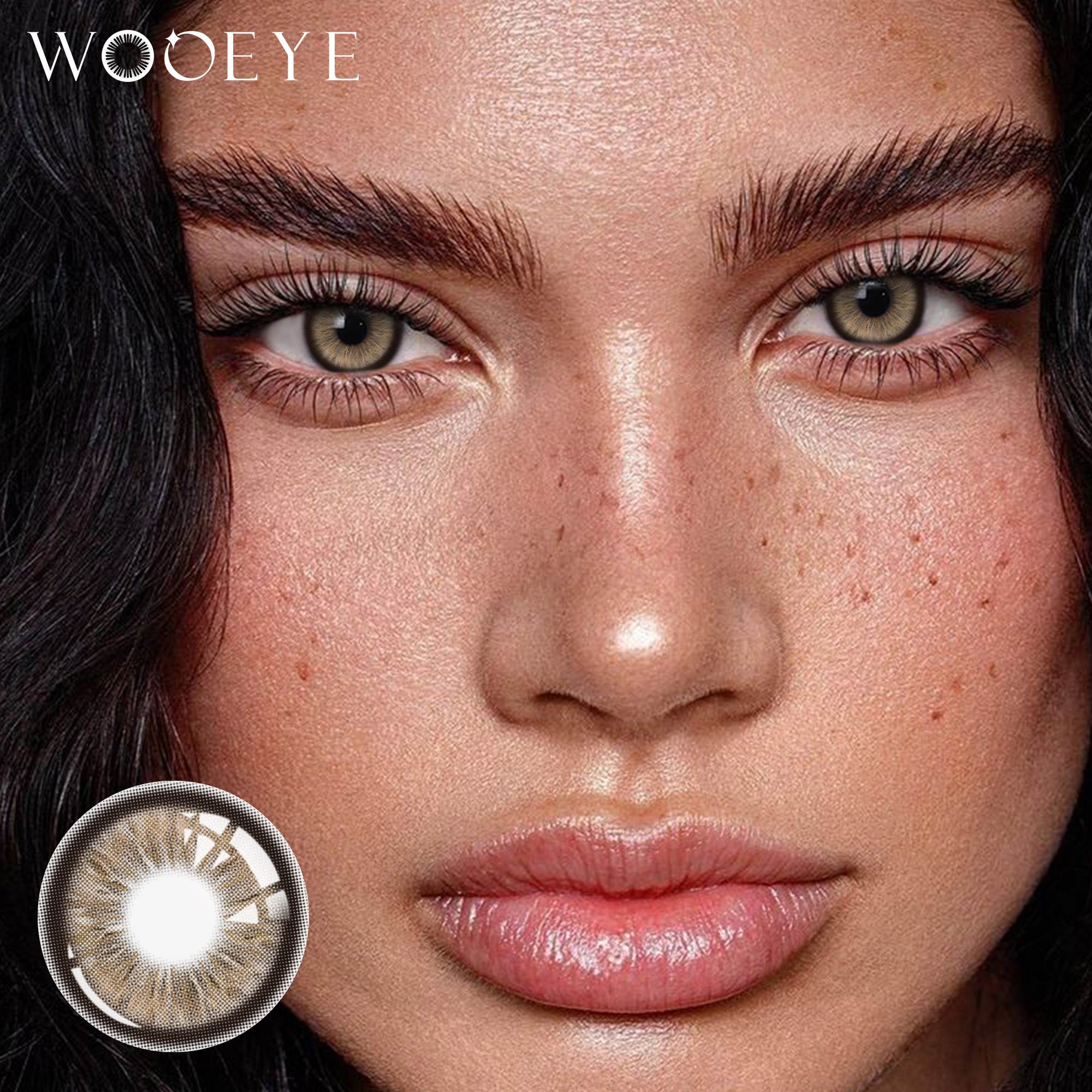
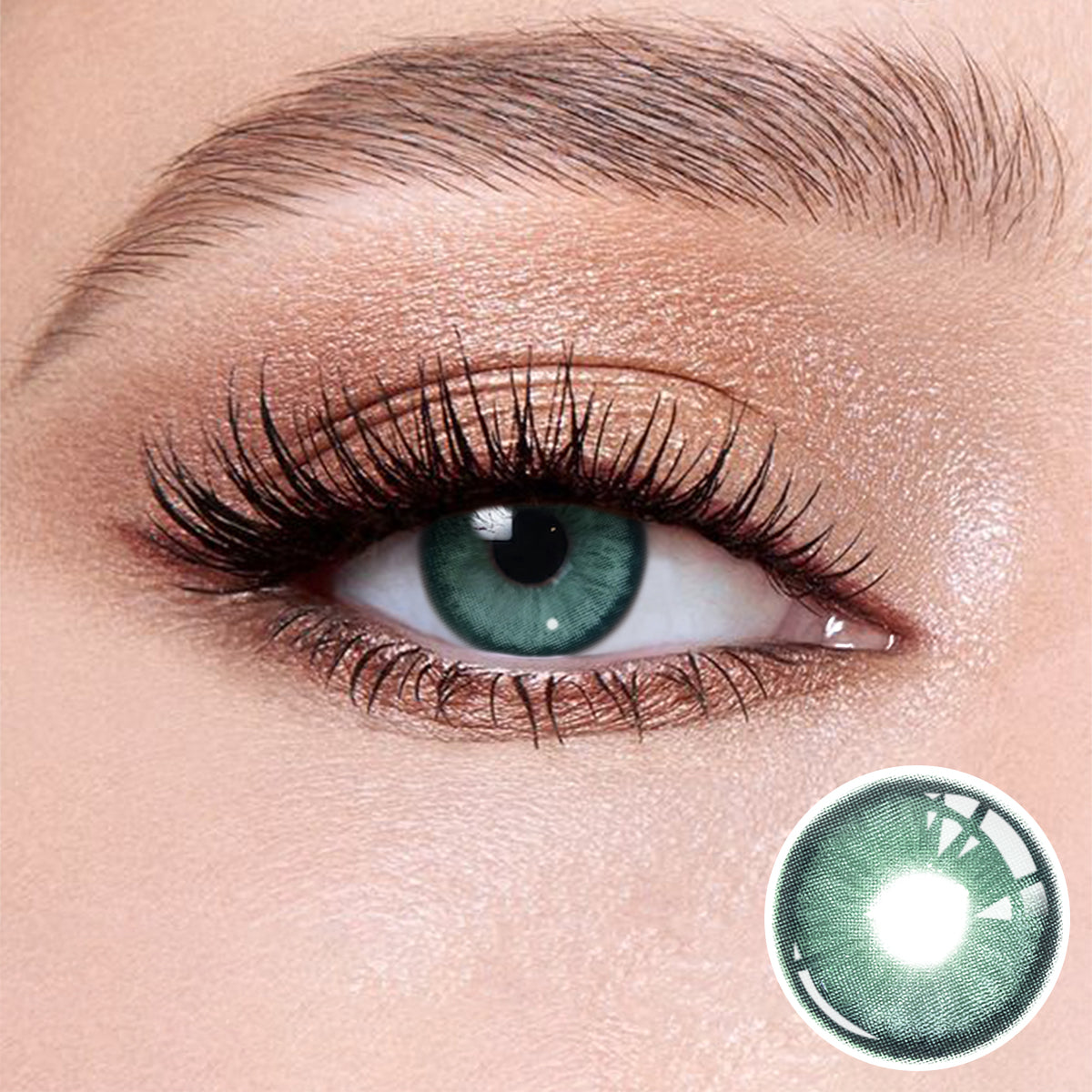
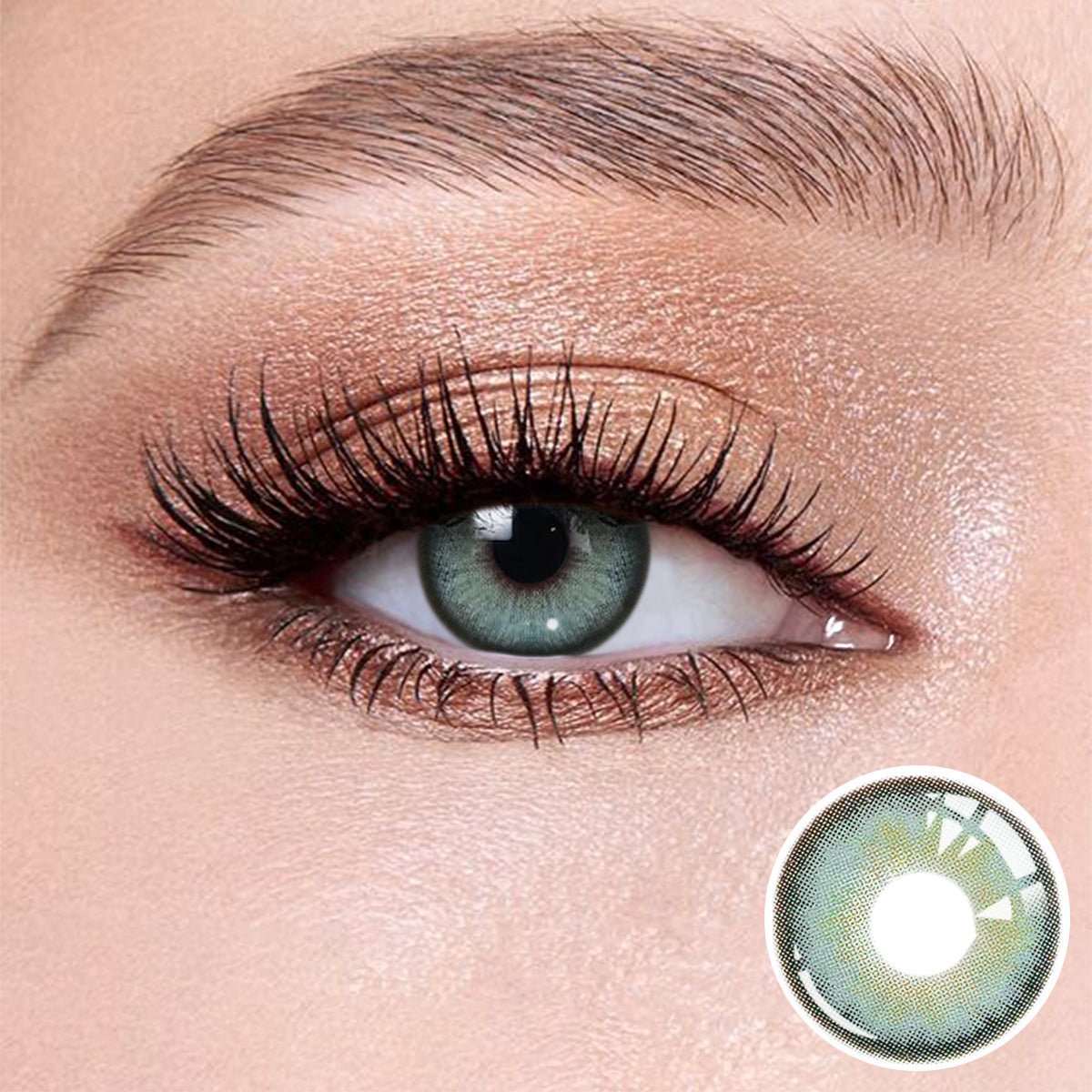
Dark brown eyes are widely regarded in the beauty industry as the most versatile eye color due to their depth and richness. They can effortlessly complement any makeup style, and their unique charm can be further enhanced with the right color combinations. For those looking to deepen their natural eye color to match these versatile aesthetics, exploring a premium collection of brown contacts provides the perfect visual upgrade.
Eyeshadow
Contrasting Colors (to enhance depth): Use bold contrasts to make dark brown eyes stand out.
-
Blue: It is a complementary color to brown and creates a strong visual pop. Using a royal blue, navy, or sky blue eyeliner or shadow instantly brightens the eye area, making the irises appear more vivid and prominent.
-
Purple: Purple complements the warm undertones of brown. Shades like lilac, deep violet, or purple shimmer can lend a mysterious, layered allure to dark brown eyes.
-
Green: Rich greens, from emerald to olive, can create a stunning and unexpected contrast against the deep hue of brown eyes.
Harmonious Tones (for a classic look): For a natural, everyday look, choose shades that harmonize with your eyes' warmth.
-
Earth Tones: These are a perfect match. Use eyeshadow in shades of brown, beige, bronze, or champagne, layering them to easily create a deep, dimensional look that naturally enhances and adds a soft radiance to the eyes.
-
Gold & Bronze: Metallic shades capture light beautifully. A touch of gold or bronze eyeshadow can add a luminous glow that perfectly highlights the warm undertones within the iris.
Eyeliner & Mascara
-
Eyeliner: Use black liner for sharpness and definition, or opt for dark brown for a softer, more subtle depth that blends seamlessly with your eye color.
-
Mascara: Black mascara adds drama and volume. For a more natural look, use a dark brown mascara to soften the lash line and make your eyes appear more gentle.
Blush & Lipstick
-
Blush: To add a healthy glow to your complexion, opt for warm tones like coral, peach, or soft pink.
-
Lipstick: For a balanced look, pair your eye makeup with nude, rose, or deep red lipstick. Each complements different makeup styles without overpowering your eyes.
If you naturally have lighter irises, achieving dark brown eyes is a simple and seamless process with the right cosmetic lenses, allowing anyone to experience this universally flattering and stable hue.
Best Contact Lenses for Dark Brown Eyes
Dark brown eyes are defined by their rich depth and natural intensity — a high-melanin iris that absorbs light beautifully and projects warmth, confidence, and stability. The challenge with colored contacts is that most lenses disappear against a dark base. The right yearly lenses need to either work with that depth to add dimension, or deliver enough opaque coverage to transform the color genuinely. Here are two picks that actually deliver on dark eyes.
For a Natural Enhancement
Diamond Brown I Contact Lenses

💎 Design — A yearly lens with a multi-layered brown construction specifically engineered to add dimension and a jewel-like luminosity on top of dark irises rather than trying to cover them. The three-tone depth pattern mimics the complex internal structure of naturally radiant brown eyes — catching and refracting light in a way that flat, single-tone dark irises naturally can't. The smooth blended edge at 14.2mm sits naturally within the iris boundary.
👁️ Effect — Doesn't change your eye color — transforms how your dark brown eyes interact with light. The layered brown tones create an unexpected depth and warmth, making the iris appear three-dimensional and alive rather than flat and uniform. In natural light, the eyes appear to glow from within, with subtle amber and chocolate facets, like a perfectly cut gemstone catching sunlight. Users describe the result as their eyes looking noticeably more striking without anyone being able to explain why.
👉 Best For — Everyday wear, professional settings, and any environment where you want your dark brown eyes to project maximum warmth and depth without any obvious color change. The perfect choice for those who love their natural eye color and want to unlock its full visual richness.
For a Bold Transformation

🌫️ Design — A yearly lens with a high-opacity, multi-tonal gray construction specifically designed to cover dark irises effectively — one of the few gray lenses with sufficient pigment density to show up clearly on deep brown eyes without looking washed out or muddy. The Himalayan-inspired misty gray tone incorporates subtle cool undertones that sit beautifully against warm skin tones, and the gradient center design helps the lens blend more naturally with dark pupils rather than creating a harsh visible boundary.
👁️ Effect — Transforms dark brown eyes into a cool, sophisticated gray gaze with a misty, almost ethereal quality. The shift is significant and immediately noticeable — from warm, deep brown to a cool, translucent gray that creates a striking mixed-feature effect. The color reads as captivating and unusual without looking theatrical, working just as well in daylight as in photographs.
👉 Best For — Evening events, portrait photography, content creation, and occasions where you want a dramatic, high-impact transformation that still looks believable on dark eyes. The go-to choice when you want to step completely outside your natural color and into something cool, commanding, and unforgettable.
FAQS
1. What does it mean if you have dark brown eyes?
Dark brown eyes are often associated with positive traits like warmth, reliability, and depth of character. In many cultures, they symbolize strength, stability, and trustworthiness. While eye color doesn't dictate personality, these positive qualities are often associated with darker irises.
2. Is it rare to have very dark brown eyes?
Very dark brown eyes are the most common eye color worldwide. They have a high melanin concentration, giving them a rich, almost black appearance. Their prevalence is exceptionally high in Asia, Africa, and South America.
3. Which ethnicities most commonly have dark brown eyes?
Dark brown eyes are most prevalent among people of Asian, African, Middle Eastern, and Latin American descent. Genetic factors in these populations favor higher iris melanin levels.
4. Why do dark brown eyes look different in the sun?
In bright sunlight, dark brown eyes can reveal subtle amber, gold, or reddish-brown tones as light reflects off the iris. However, due to their high melanin content, this change is far less dramatic than in lighter eye colors.
5. What are the health benefits of dark brown eyes?
The higher levels of melanin in dark brown irises can offer some protection from ultraviolet (UV) rays. This may reduce the risk of macular degeneration and certain other eye diseases.