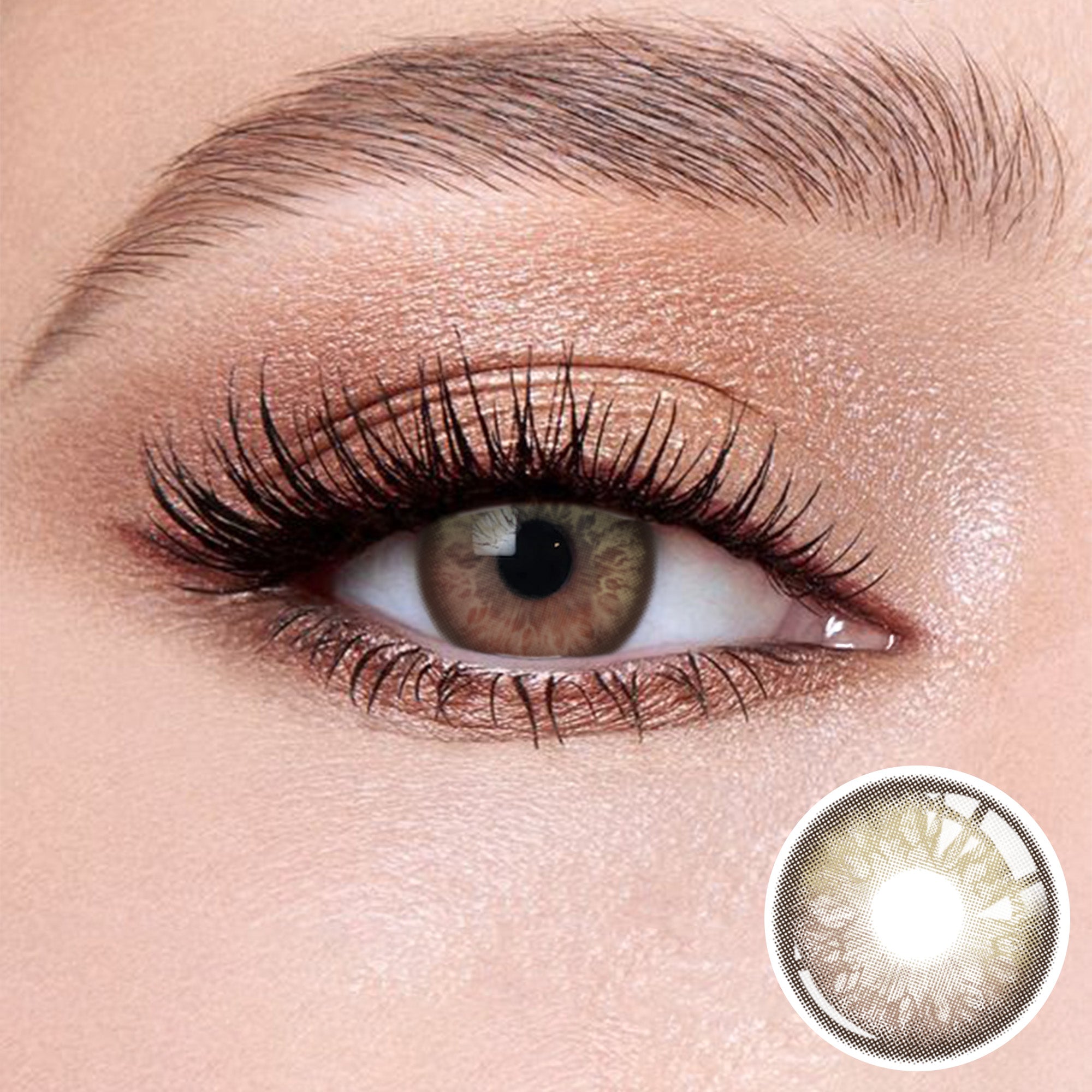
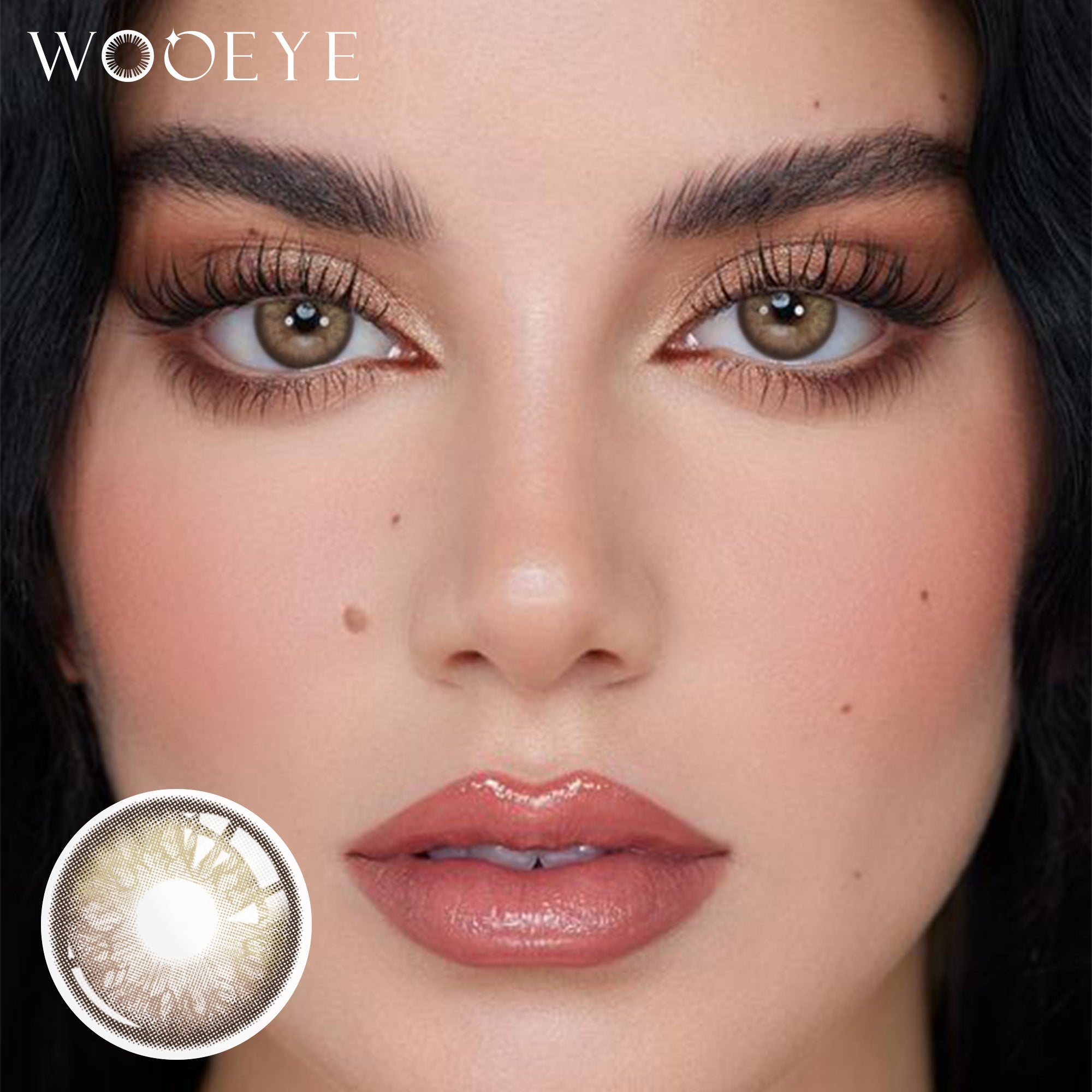
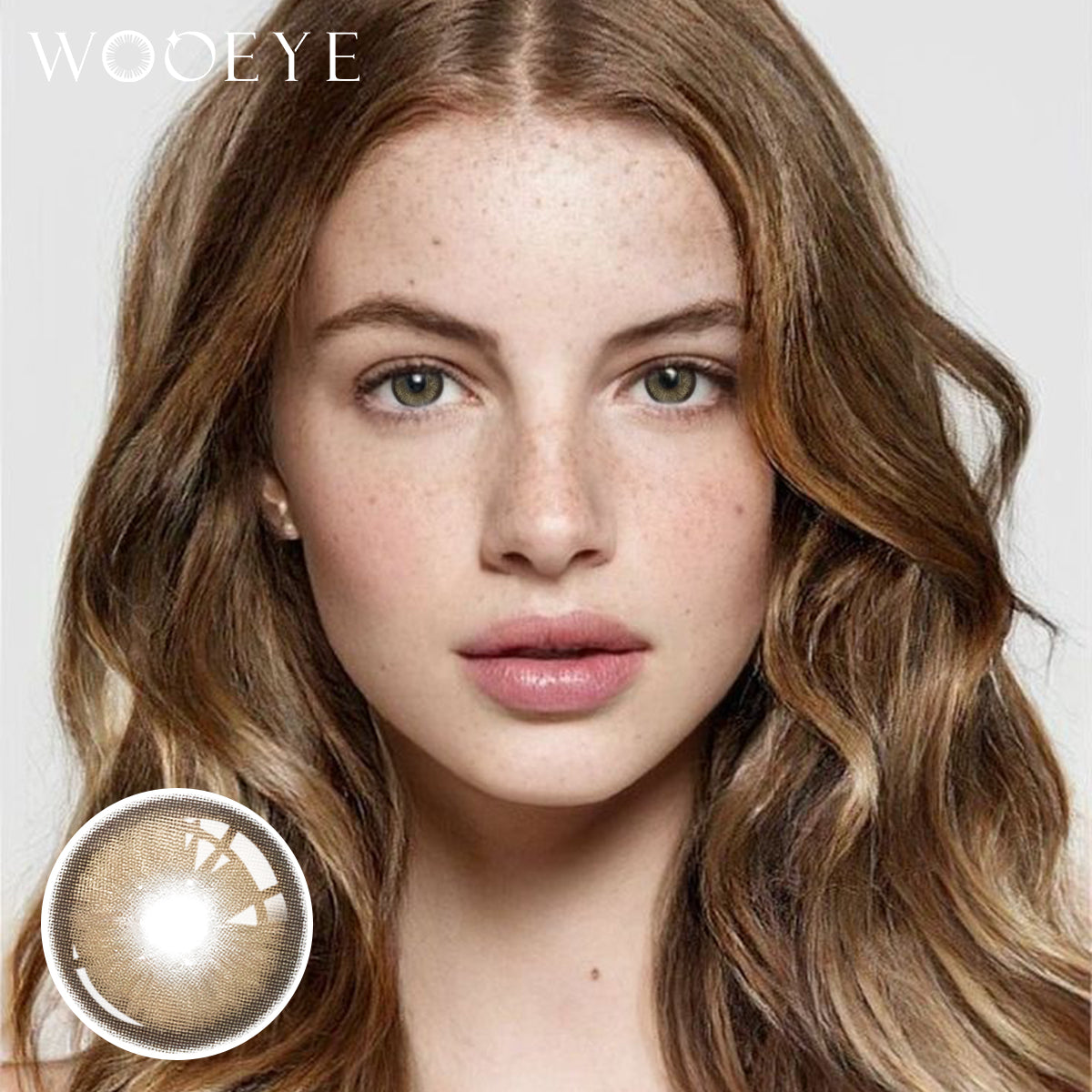
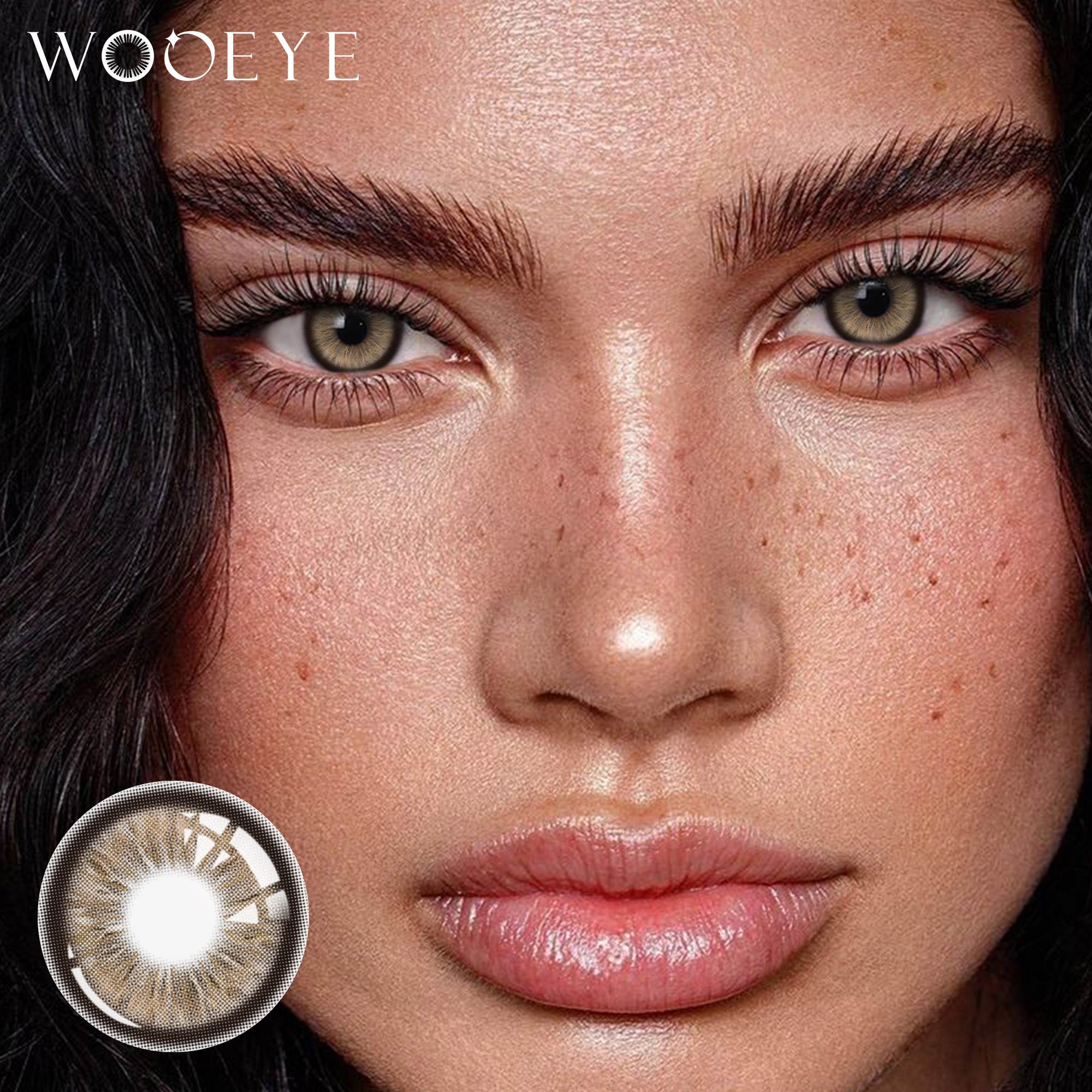
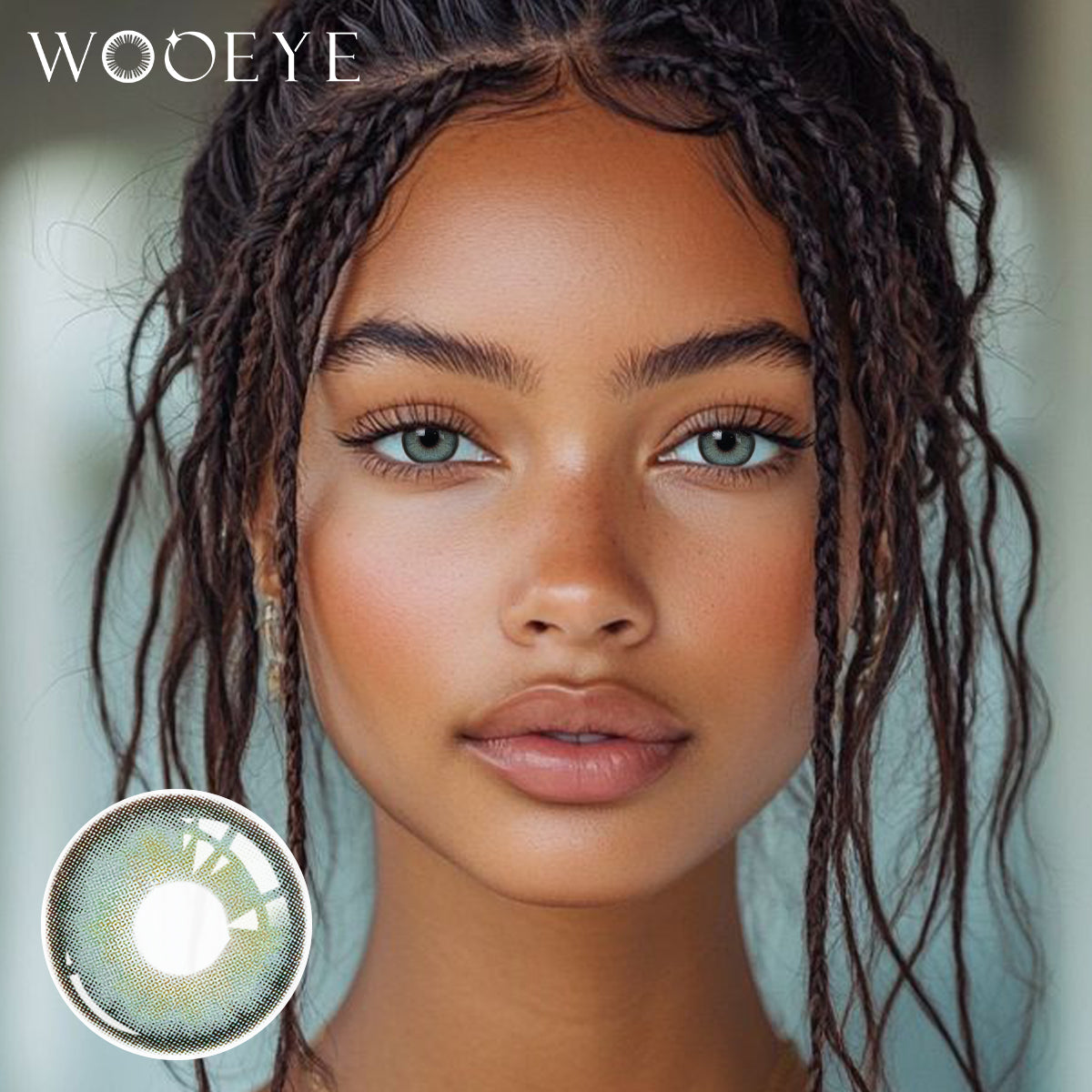
Light hazel eyes are among the most captivating and mysterious eye colors worldwide. Their warm blend of golden, green, and sometimes amber tones creates a luminous, sun-kissed appearance that can shift with light and emotion. Often mistaken for green or amber eyes, light hazel eyes possess a unique beauty that is subtle, rare, and endlessly enchanting. This article will explore their distinct features, scientific background, cultural meaning, and what makes them so special.
What are light hazel eyes?
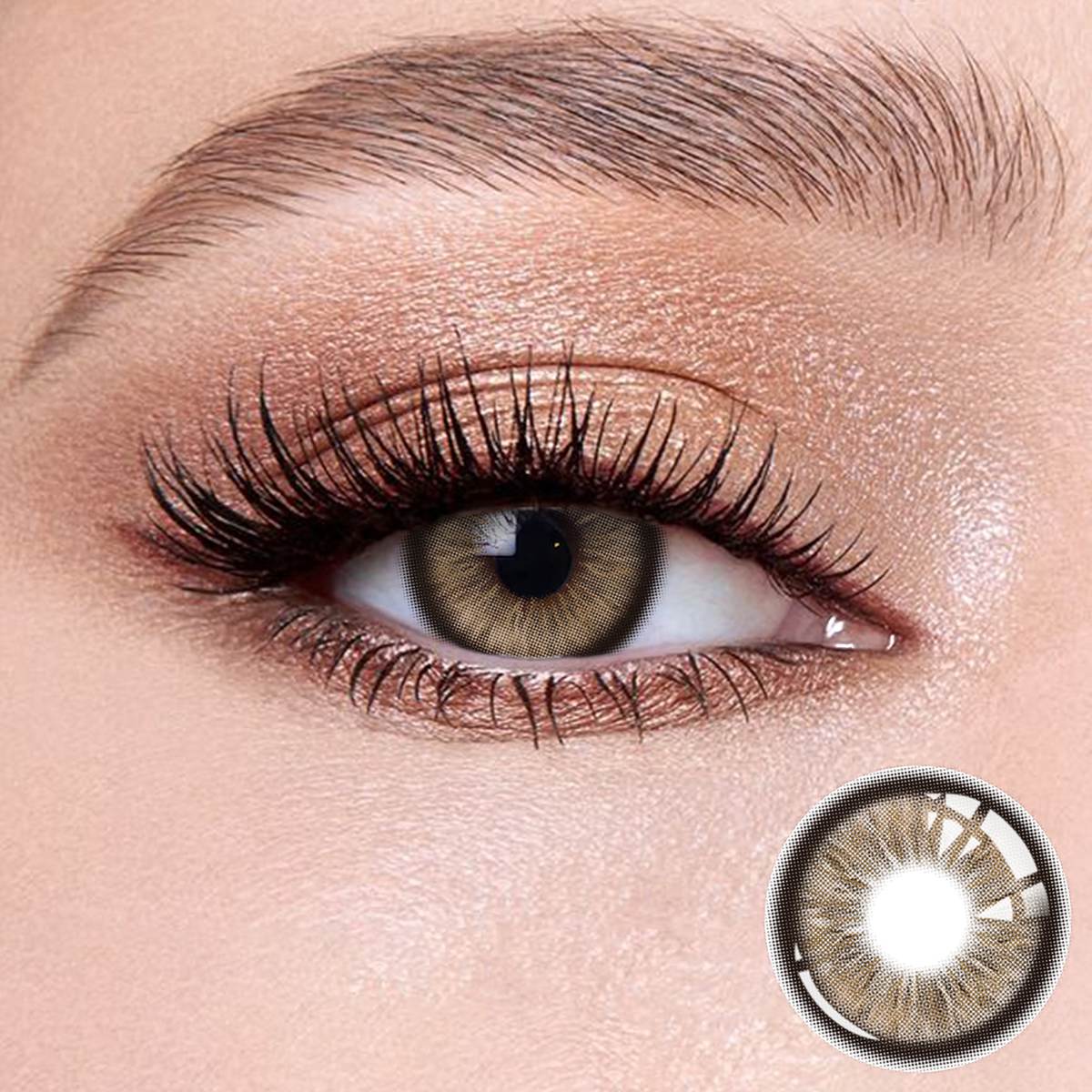
Light hazel eyes are a rare eye color, typically exhibiting a natural blend of light green, gold, and light brown. Brighter and softer than typical dark hazel eyes, they often shift in color under varying lighting conditions, creating a unique sense of transparency and depth.
They are not a single color but a blend of multiple colors. The core may be golden or green, while the outer edges may have light brown or gray-green hues. This layered color palette gives light hazel eyes a gentle and unique appearance, making them highly recognizable and aesthetically pleasing.
Characteristics of Light Hazel Eyes
- Unique Color Composition: Rather than a single green or brown, light hazel eyes are a blend of bright golden brown and emerald green. This unique color combination makes them visually striking.
- Varied Colors: A key characteristic of this eye color is its dynamic nature. Under varying lighting conditions (such as sunlight or indoor lighting), the eye color can appear different, sometimes more golden or green, creating a sense of ever-changing beauty.
- Clear and Bright: Unlike deep, dark brown eyes, light hazel eyes often appear more transparent and brighter, with a stronger glow around the pupil, making them appear more radiant.
- Rarity: Light hazel eyes are relatively rare, which lends them a unique allure and mystery.
The Scientific Causes of Light Hazel Eyes
1. Melanin
Moderate melanin content: Light hazel eyes typically have a moderate amount of melanin, less than dark brown eyes but more than pure blue eyes, and often similar to the melanin content of green eyes.
Uneven melanin distribution: This is the most distinctive characteristic of light hazel eyes. The melanin is unevenly distributed within the iris stroma. This means that different areas of the iris contain varying concentrations of melanin.
- Green: Areas with lower melanin concentrations scatter light significantly, giving the eyes a green appearance.
- Gold/brown: Areas with slightly higher melanin concentrations absorb some light, giving the eyes a gold, amber, or light brown appearance.
2. The Effect of Rayleigh Scattering
In areas of the iris stroma with lower melanin content, light enters and undergoes Rayleigh scattering, a mechanism similar to that of blue eyes. This scattering results in a significant reflection of shorter-wavelength blue light. This blue light mixes with the yellow light reflected by the smaller amount of melanin in the iris stroma, ultimately creating the perceived green hue. At the same time, areas of the iris with higher melanin concentrations absorb more light and reflect it as a golden-brown color. These two factors combine to create the unique appearance of light hazel eyes.
3. Genetics
Eye color is a polygenic trait controlled by multiple genes. Key genes, such as OCA2 and HERC2, control the production and transport of melanin. The specific combination of these genes determines the final amount and distribution pattern of melanin in your iris, resulting in the unique light hazel eye color.
4. Corneal Transparency and Iris Structure
In addition to melanin and light scattering, the structure of the iris also plays a key role in the final appearance of eye color. Light hazel eyes typically have a more porous iris stroma, whose fiber arrangement and density allow more light to penetrate and scatter. This physical property creates an obvious and bright appearance, further enhancing the dynamic beauty of the green and gold colors.
Rarity of Light Hazel Eyes
Global Population Percentage
While the global proportion of the different hazel eye classifications is approximately 5%–8%, light hazel is even rarer, estimated to be no more than 2–3%.
Geographic Distribution
- Europe: Hazel eyes are most common in Europe, particularly in Central, Southern, and Eastern Europe. For example, countries like France, Spain, and Italy have a relatively high proportion of people with hazel eyes.
- North America and Oceania: Hazel eyes are common in regions with significant European immigration, such as the United States, Canada, and Australia.
- Middle East and North Africa: Hazel eyes also occur in some Mediterranean and Middle Eastern regions due to historical intermixing.
Light Hazel Eyes Meaning
Symbolism and Personality Analysis
The symbolic meaning of light hazel eyes stems primarily from the complexity of their color:
- Balance and Versatility: Combining the warmth of gold and the mystery of green, light hazel eyes are often interpreted as symbolizing a balanced, deep, and multifaceted personality. Such individuals are both grounded, creative, and passionate.
- Wisdom and Insight: Due to their deep and shifting appearance, light hazel eyes are associated with wisdom and insight in some cultures, suggesting a keener perspective.
- Connection with Nature: Green represents nature and life, while gold represents sunlight and the earth. This color combination makes light hazel eyes often seen as symbolizing a deep connection with nature.
Social Perception
Socially, light hazel eyes are highly valued for their rarity and uniqueness:
- Mystery and Allure: Their dynamic transformations in different light conditions create curiosity and fascination. This elusive quality makes them a symbol of mystery and allure.
- Unique and Beautiful: Due to their rarity, light hazel eyes are widely considered a symbol of beauty, making them highly recognizable.
- Popular Culture: In modern fiction, film, and fashion, light hazel eyes are often used to portray characters with complex personalities, charisma, or unique talents, further reinforcing their image as mysterious and beautiful.
Makeup for light hazel eyes
The makeup look for light hazel eyes (light hazel eyes) emphasizes these eyes’ soft and varied tones, highlighting their depth and radiance. Here are some expert tips on eyeshadow, eyeliner, mascara, and the overall makeup look:
Eyeshadow
- Violet and plum tones contrast with the green or golden hues of light hazel, enhancing the clarity of the eyes.
- Bronze and rose gold: Complement the golden brown tones of light hazel eyes, creating a harmonious, warm, and three-dimensional effect.
Eyeliner
- Dark brown: A natural, soft color that won’t overpower the eye color.
- Dark green or purple-black: Enhance the eye’s contours while adding depth.
Mascara: Using black or dark brown mascara adds depth and definition to the eyes.
Lip and blush: Choose soft tones that complement your eye makeup, such as apricot, custard, or nude pink, to maintain balance and harmony in the overall look.
Best Contact Lenses for Light Hazel Eyes
Light hazel eyes are defined by their warm luminosity — a dynamic blend of golden green, soft amber, and delicate brown that shifts beautifully with every change in light. The right yearly lenses should either enhance that natural multi-tonal glow or channel the green dimension into something more vivid and defined. Here are two picks, one for each intention.
For a Natural Enhancement

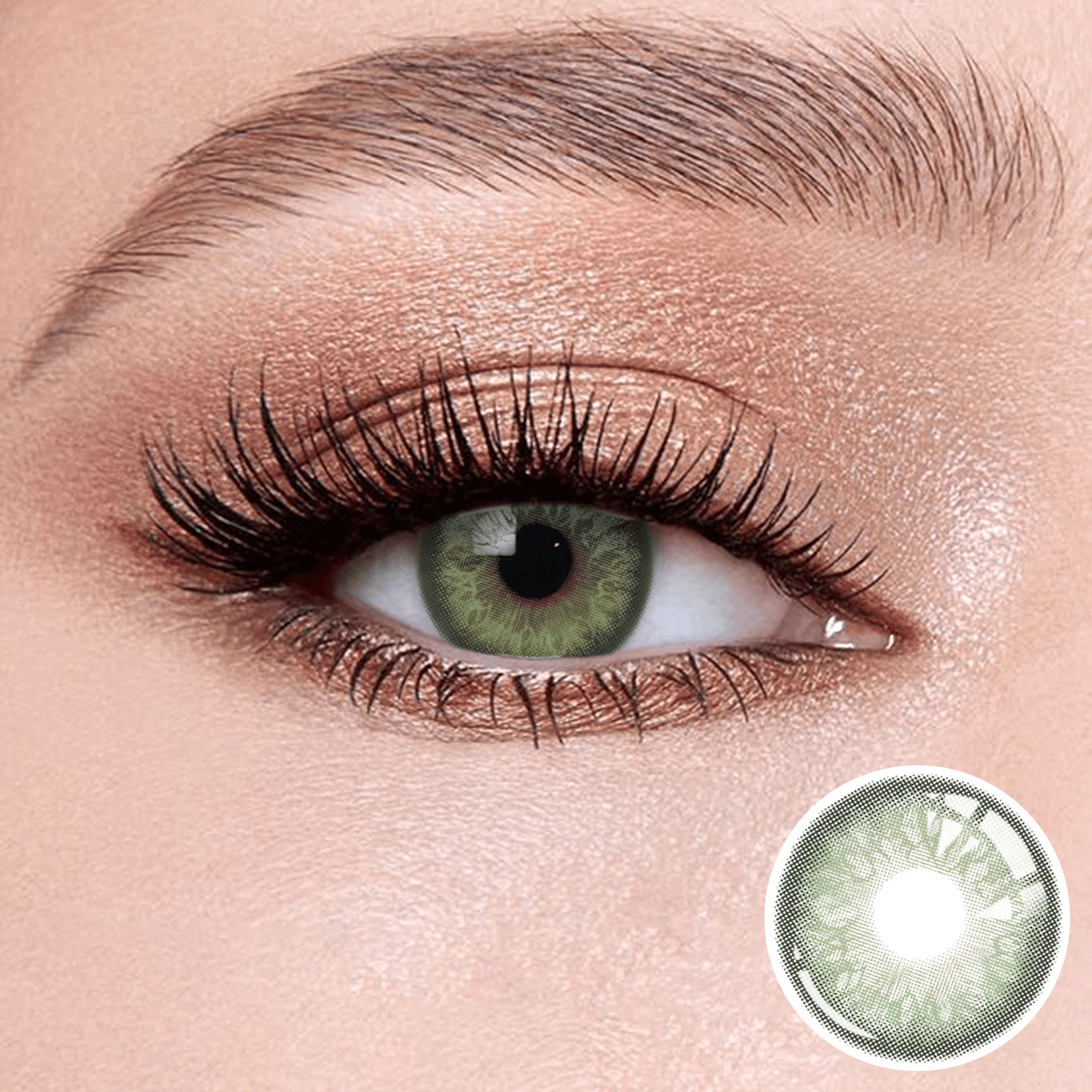
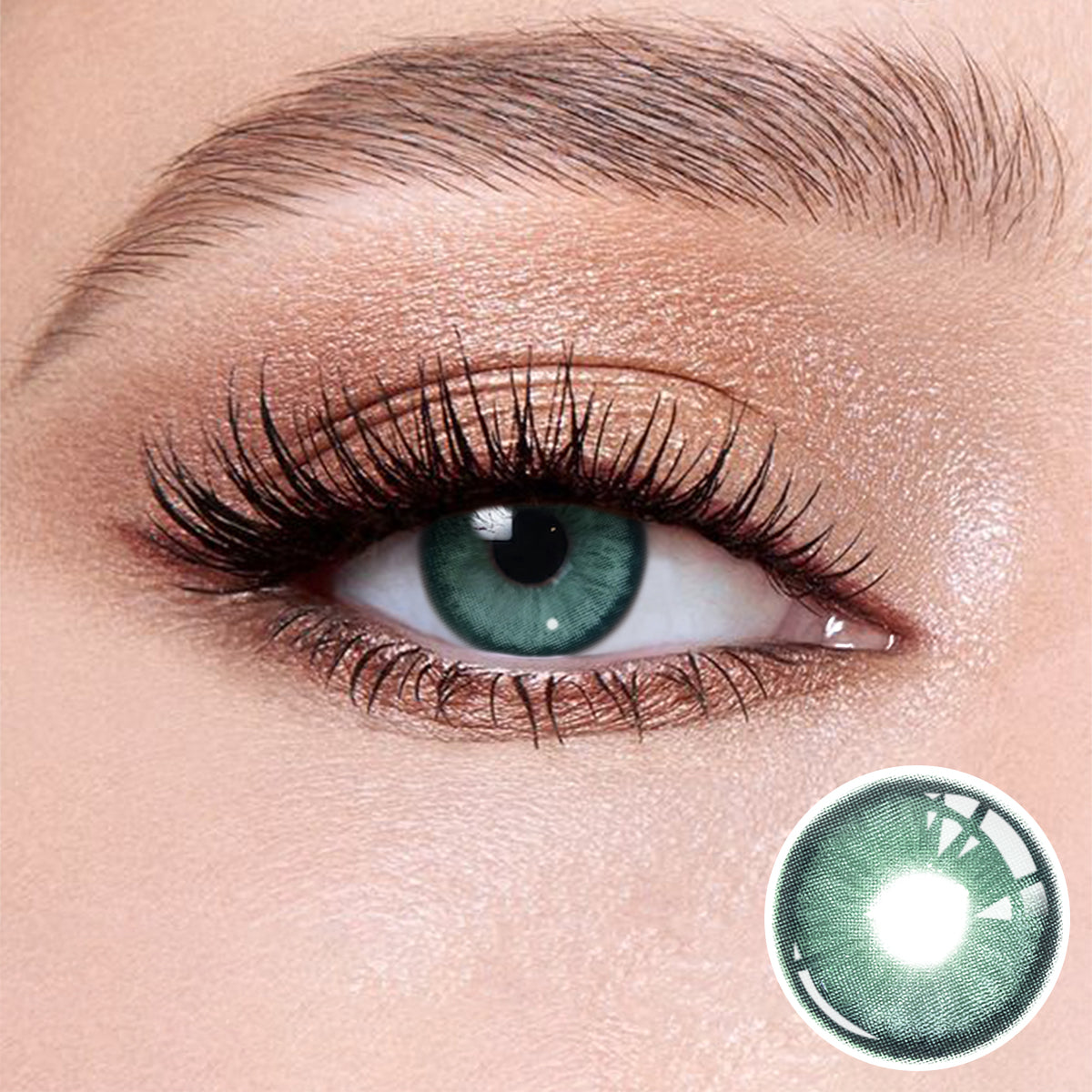
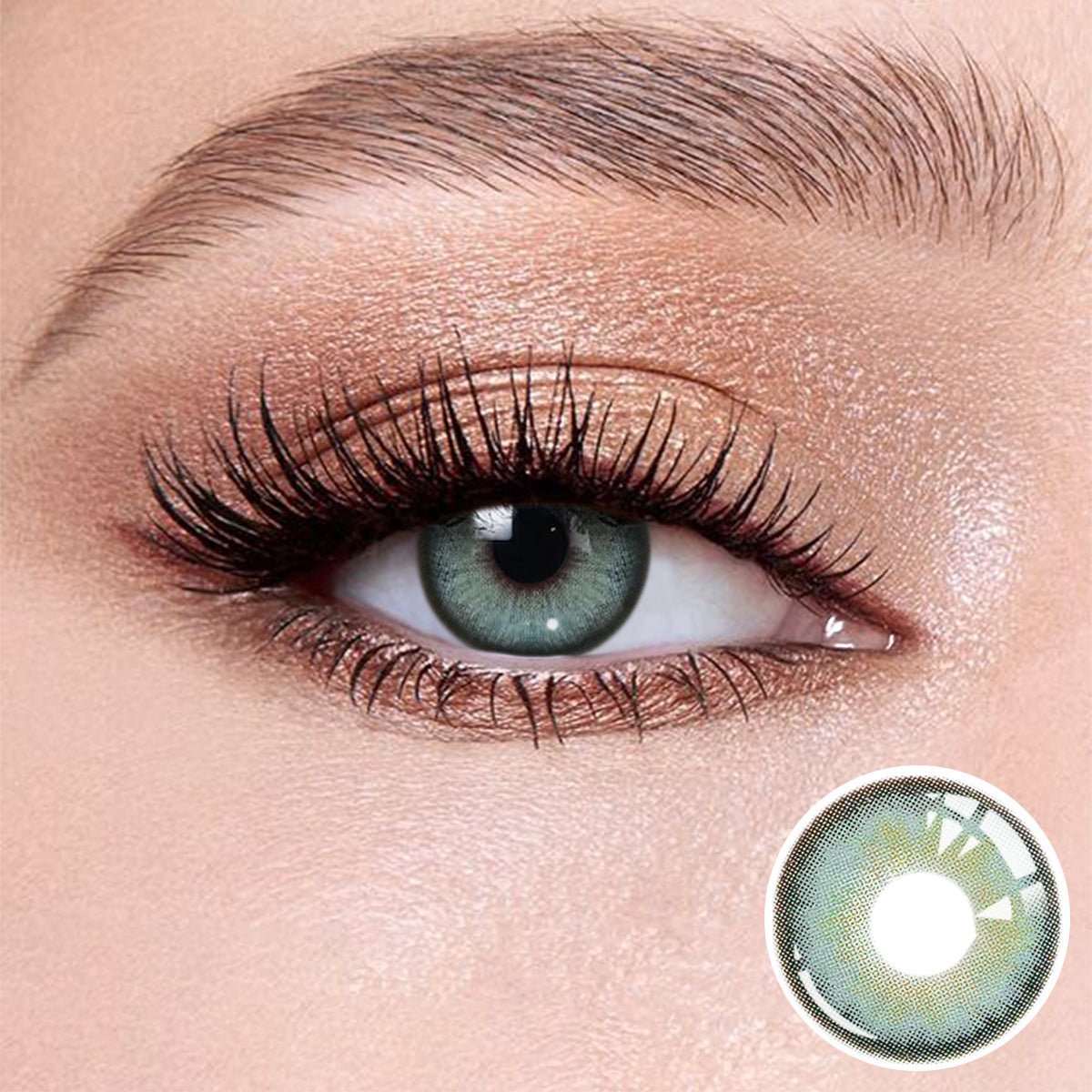
✨ Design — A yearly lens with a soft, natural green construction calibrated for lighter irises — low opacity that allows the warm golden undertone of light hazel eyes to show through rather than disappear beneath the color. The gentle green tone sits in the same warm-leaning green family as light hazel's natural palette, and the seamless blended edge at 14.2mm integrates naturally at the iris boundary with no visible ring.
👁️ Effect — Enhances the green dimension of light hazel eyes in the most organic way possible — not by covering the natural color but by layering a soft green warmth on top of it. The result is eyes that appear to glow with a fresh, natural green-gold quality that reads as entirely your own. Users with naturally light eyes consistently report the lenses look indistinguishable from their real eye color, only noticeably more vivid and defined.
👉 Best For — Everyday wear, natural-light settings, and any occasion where you want your light hazel eyes to display their warmest, most luminous green quality without anyone suspecting enhancement. The ideal first lens for anyone with light hazel eyes exploring colored contacts for the first time.
For a Bold Transformation
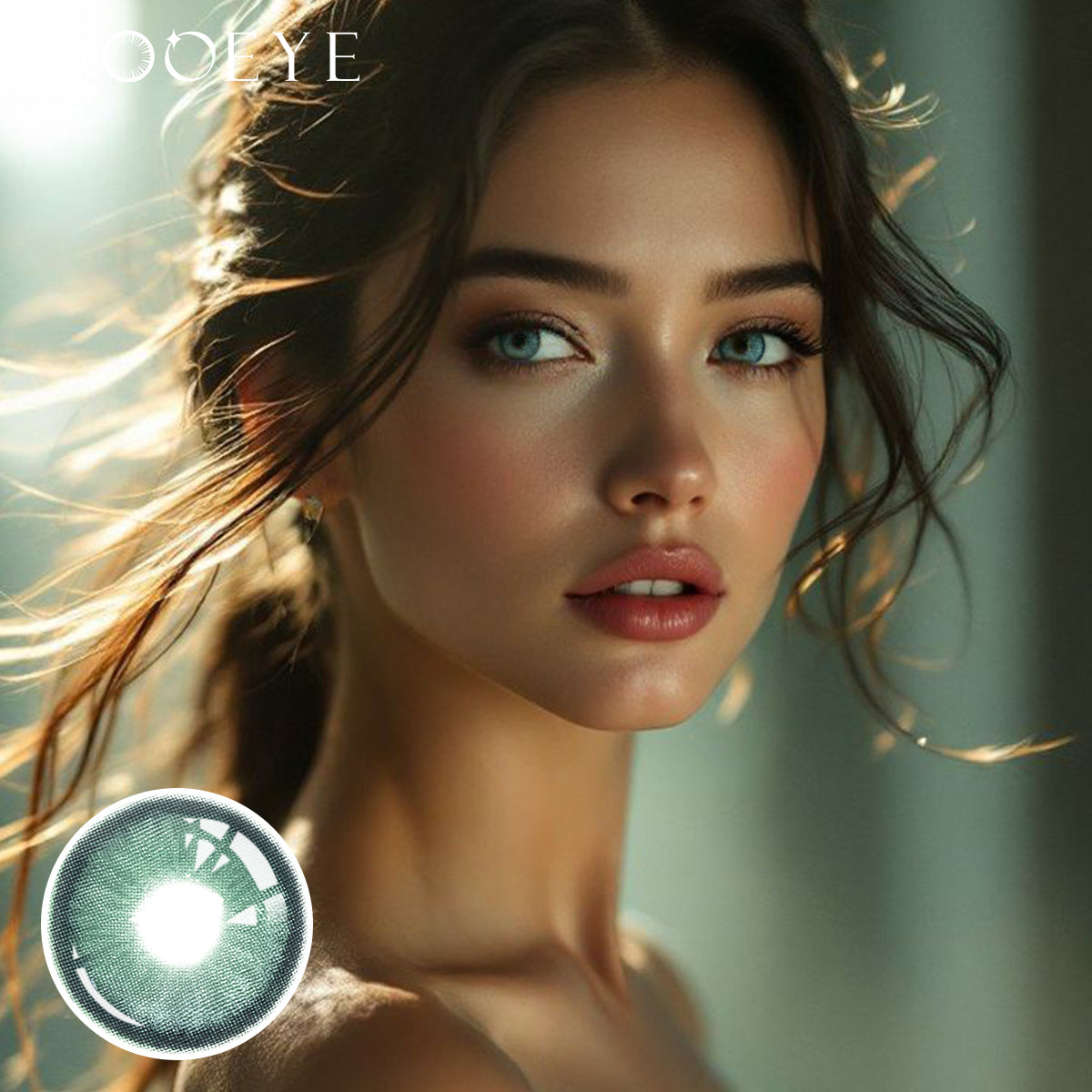
Transform Green Contact Lenses

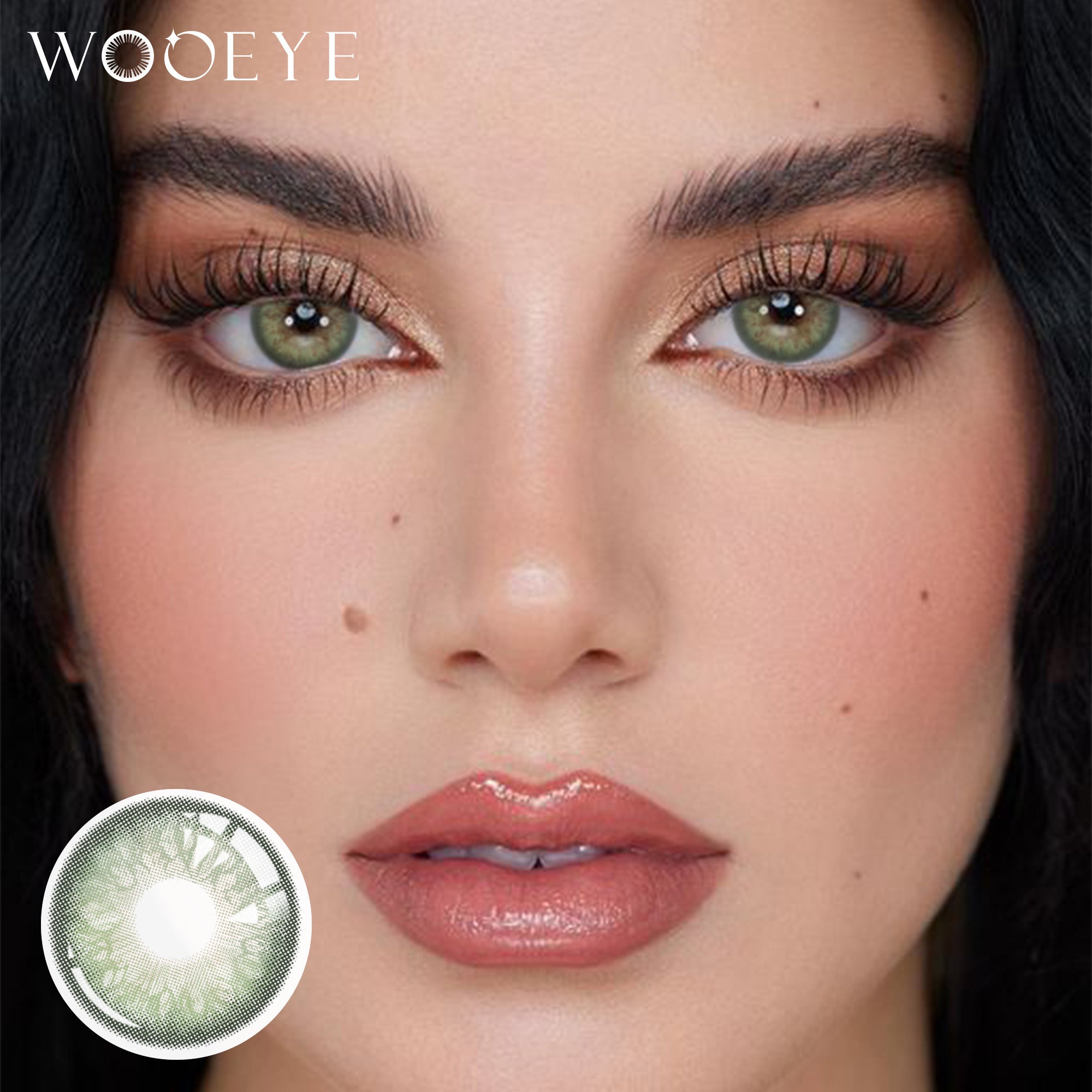
💚 Design — A yearly lens with stronger color saturation and more defined green payoff than an enhancement lens, designed to shift light hazel eyes noticeably toward a vivid, pure green. The warm-leaning green tone stays in harmony with light hazel's natural golden base rather than clashing with it — making the transformation feel earned and organic rather than jarring. The smooth blended edge keeps the result wearable in everyday contexts.
👁️ Effect — Transforms the soft, shifting warmth of light hazel eyes into a clear, vibrant green gaze that reads consistently across all lighting conditions. The shift is meaningful and visible — from luminous and multi-tonal to confidently, cleanly green — while the warm undertone ensures the result looks like a natural eye color rather than a costume. Users consistently report the lenses look striking yet believable even at close range.
👉 Best For — Social events, photography, content creation, and occasions where you want your eyes to deliver a clear, vivid color statement rather than a subtle enhancement. The right choice when you want to step beyond the gentle complexity of light hazel and into something more boldly, unmistakably green.
If you’re captivated by the unique charm of light hazel eyes, try Hazel colored contacts — designed to beautifully mirror their warm, enchanting tones.