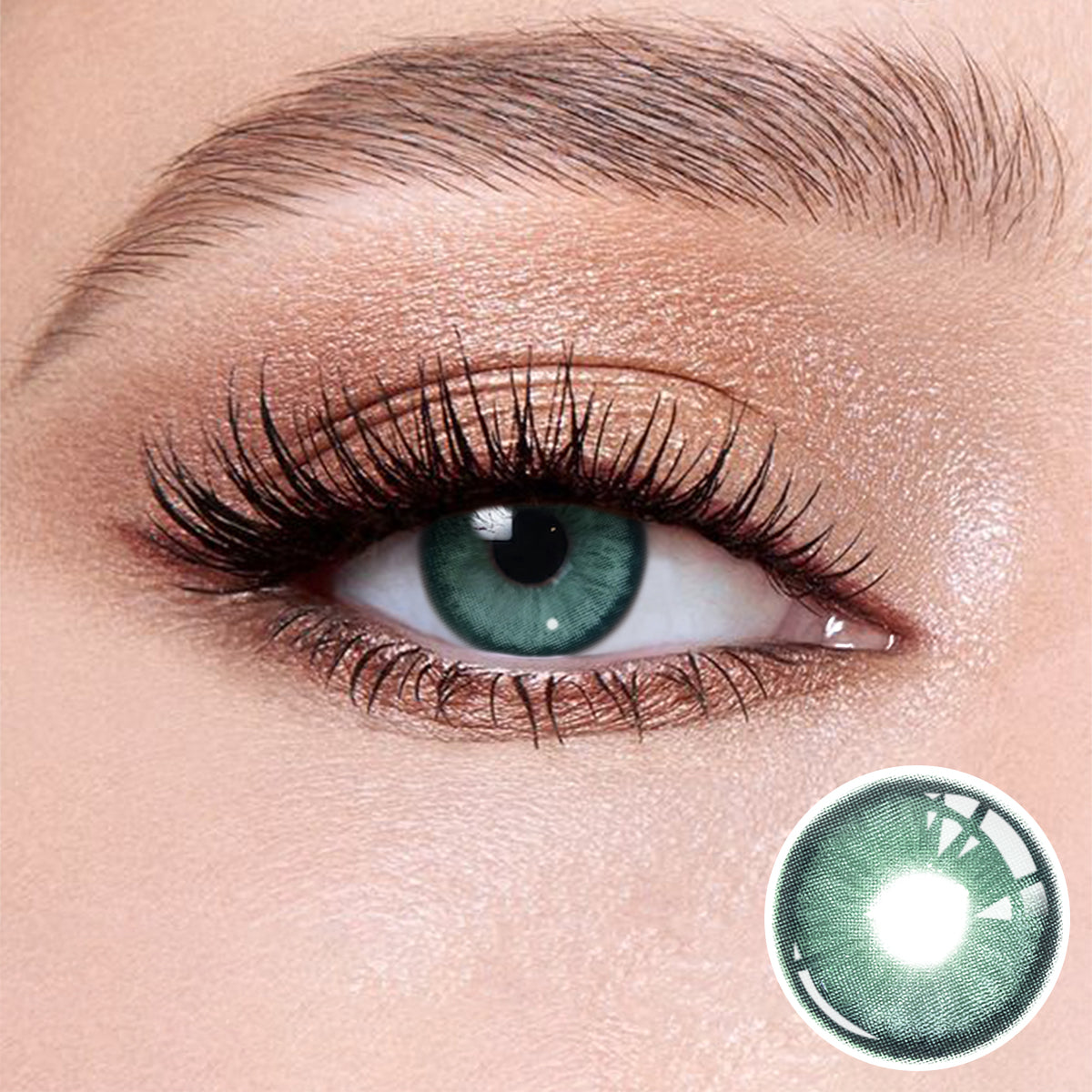
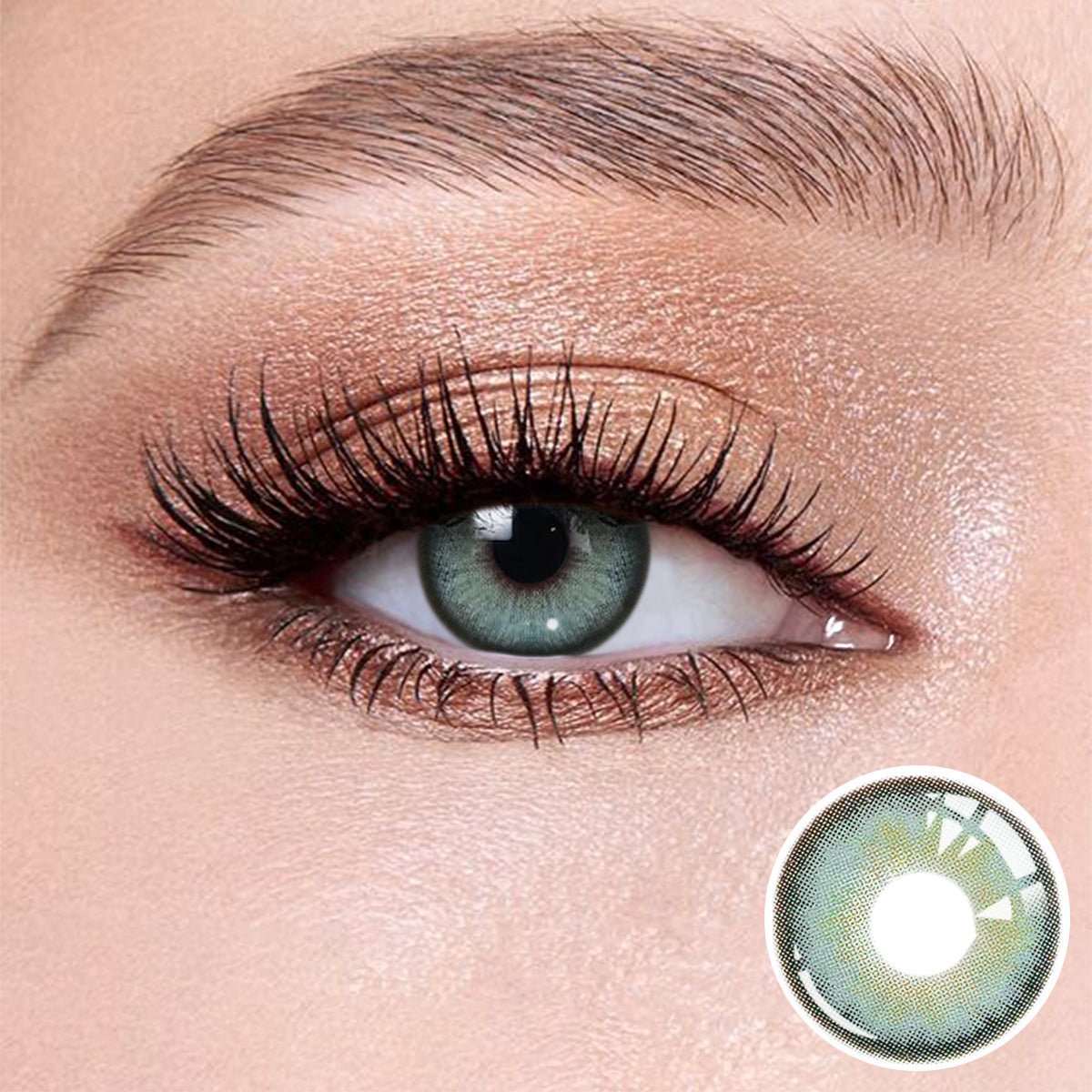
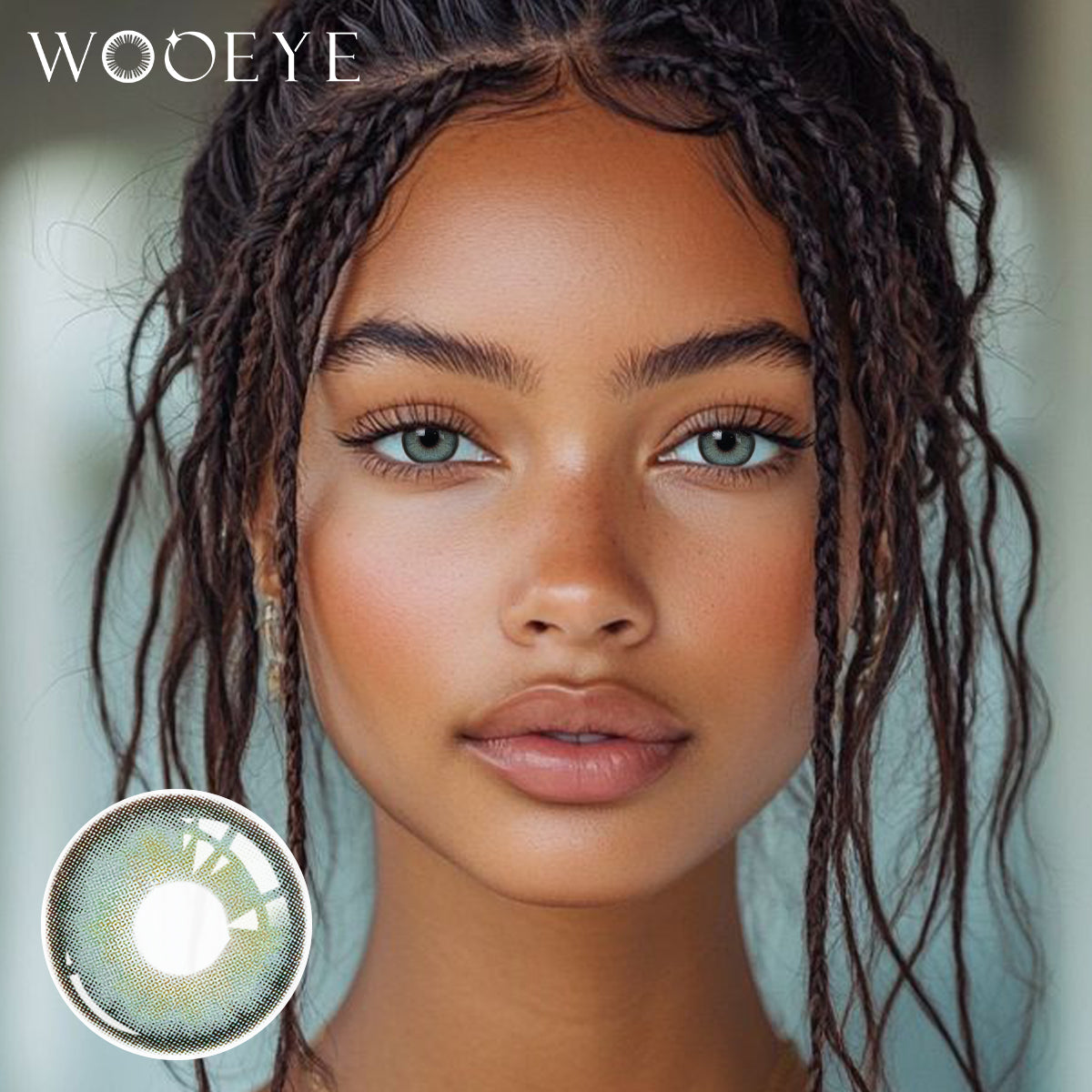
Sea green eyes are a mesmerizing blend of blue and green, often shifting like waves under changing light. Rare and captivating, they possess a mysterious allure that has long fascinated poets, artists, and scientists. This unique eye color not only stands out for its beauty but also prompts a deeper curiosity about its origins, symbolism, and how it fits into the spectrum of different types of green eyes.
The Scientific Causes of Sea Green Eyes
Sea green eyes are among the world's most unique and rare colors. Their formation is not due to a dedicated green or blue pigment but to a fascinating interplay of genetics, melanin, and the physics of light.
Melanin Levels: Sea green eyes are characterized by a moderate-to-low concentration of melanin in the iris's anterior layer. This unique pigment level prevents the eyes from appearing as deep as brown or brilliantly bright as light blue, settling instead into a captivating hue that shifts with the light.
Rayleigh Scattering: Similar to how light interacts with the atmosphere to make the sky appear blue, Rayleigh scattering plays a critical role in eye color. When light enters the iris, short-wavelength blue light is scattered by the yellowish-brown stromal fibers. This scattered blue light creates the distinctive sea green hue when combined with trace amounts of yellow pigments.
Genetics:Eye color inheritance is a polygenic trait, meaning multiple genes influence it. Key genes like OCA2 and HERC2 regulate the amount and distribution of melanin. Understanding the genetic code behind green eyes reveals why this specific and uncommon combination results in the rare sea green coloration.
Light and environment: The true magic of sea green eyes lies in their dynamic appearance, which changes based on ambient light and surroundings. They may appear blue in certain lighting, green in others, and sometimes even take on a captivating aquamarine or turquoise shade. This visual versatility adds to their intelligent and mysterious allure.
The Historical and Mythological Significance of Sea Green Eyes
In Ancient Greek and Roman mythology, shades of green and blue were closely tied to the sea god Neptune (Poseidon) and the goddess Aphrodite (Venus). Eyes resembling the sea were thought to carry the power of the ocean itself, symbolizing love, beauty, vitality, and natural energy.
In Celtic folklore, especially within Irish and Scottish traditions, many deities, faeries, and nature spirits were described as having sea green eyes. This rare color symbolized their deep bond with the natural world, magic, and the unseen forces of the land.
By Medieval Europe, sea green eyes had taken on a more mysterious—and sometimes ominous—meaning. Known as “witch eyes,” their rarity and ever-changing hues were believed to grant the ability to uncover secrets and even see into the human soul.
The Psychological Implications of Sea Green Eyes
Eyes are often called the "windows to the soul." Rare sea green eyes are more than just a physical feature; they convey unique psychological signals to others.
Mystery and Attraction
The rarity of sea green eyes sparks intense curiosity. Psychological research suggests that rare eye colors often evoke associations of mystery, uniqueness, and distinction, enhancing a person's perceived appeal.
Energy and Nature
Green represents vitality and nature, while blue symbolizes calmness and wisdom. Sea green eyes blend these qualities, conveying an impression of energy and a sense of peace and reliability.
Change and Depth
The color of sea green eyes is not fixed; it shifts with changes in light and mood. This dynamic nature conveys to the observer a sense of unpredictability and depth, suggesting a rich and complex inner world.
Sea Green Eyes Makeup
The right makeup can truly enhance the beauty of sea green eyes. However, if you weren't born with this rare shade, the most effective way to achieve this captivating look is by selecting high-quality green contact lenses that offer natural blending and vibrant pigment. Here are some tips to make your gaze the center of attention...
Eyeshadow
- Warm Purples: When set against green, purple creates the most striking contrast. Warm purples, such as plum or aubergine, accentuate sea green eyes' clarity and jewel-like quality.
- Rose Gold and Copper Tones: These shades highlight the subtle golden flecks often in sea green eyes. Applying them creates a warm, luxurious glow, reminiscent of a setting sun on the ocean.
- Neutral Browns: A palette of warm browns and tans can create a soft, natural look that makes your eyes pop without overpowering.
Eyeliner
- Dark Brown: A dark brown eyeliner defines without the harshness of black. This choice enhances the soft and mysterious allure of sea green eyes.
- Navy or Charcoal: For a more dramatic or unique look, try a deep navy or charcoal eyeliner, which will bring out the bluish undertones in your eyes.
Mascara
- Brown Mascara: A brown mascara softens the look and creates a more natural appearance.
Blush and Lips
- Blush: Sea green eyes pair beautifully with peach or coral blushes. These shades neutralize any cool undertones, creating a healthy, sun-kissed look.
- Lips: Rosy pink, berry, or nude tones are excellent choices for lips. They provide a balanced finish and ensure the focus remains on your stunning eyes.
Best Contact Lenses for Sea Green Eyes
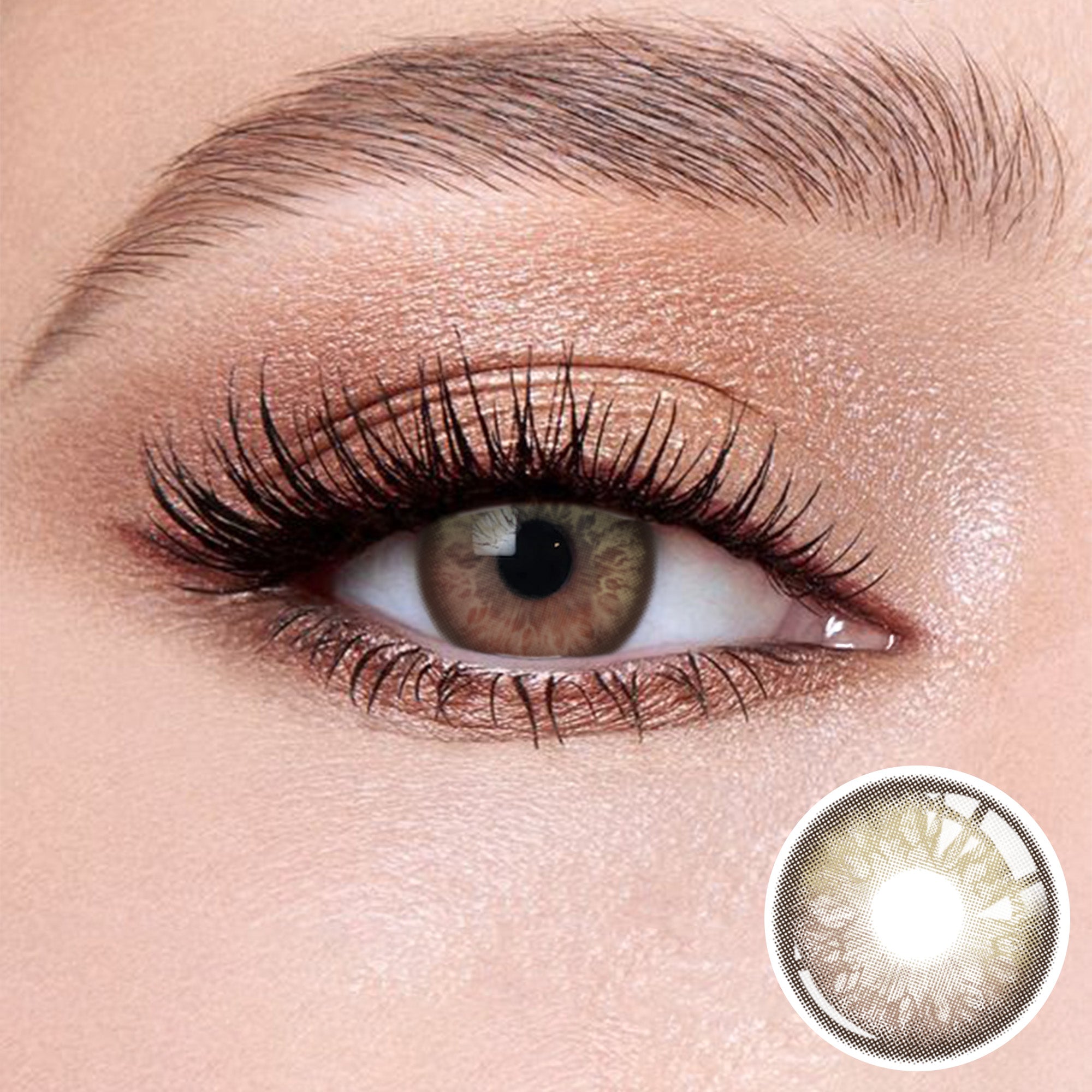
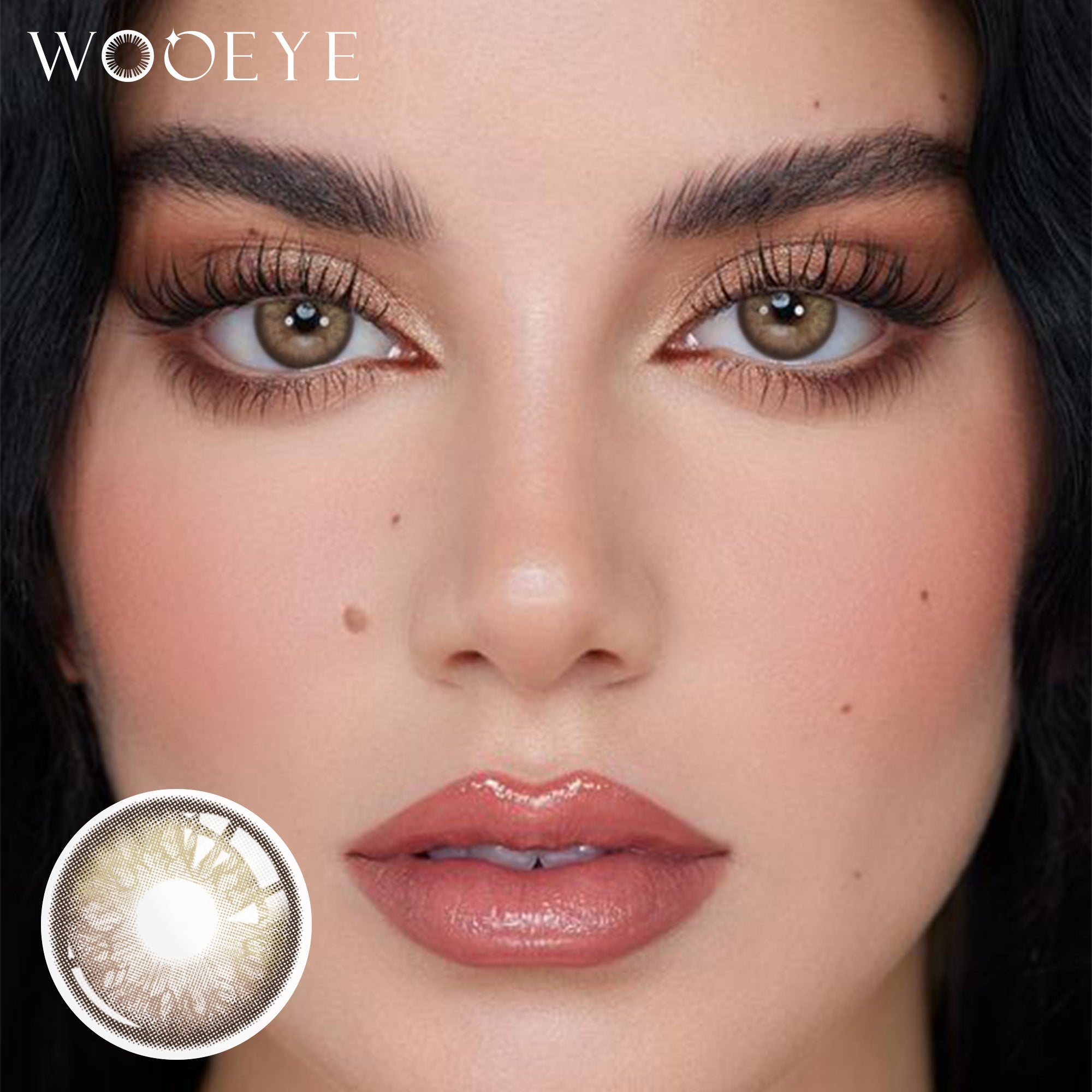
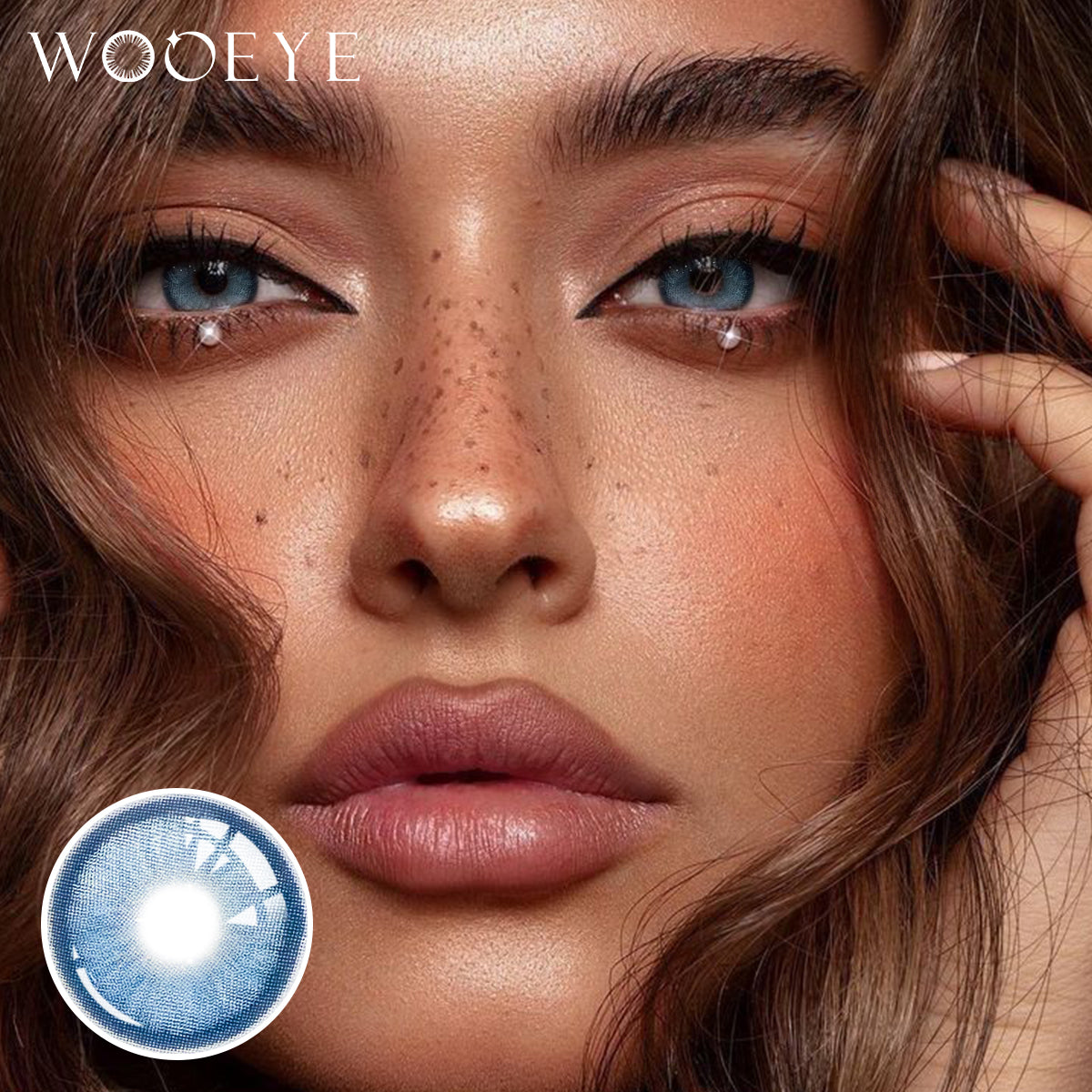
Sea green eyes already carry the ocean within them — shifting between blue, green, and aquamarine depending on the light. The right contact lenses should either amplify that fluid, chameleon-like quality or take your gaze somewhere entirely new. Here are two picks, one for each intention.
For a Natural Enhancement

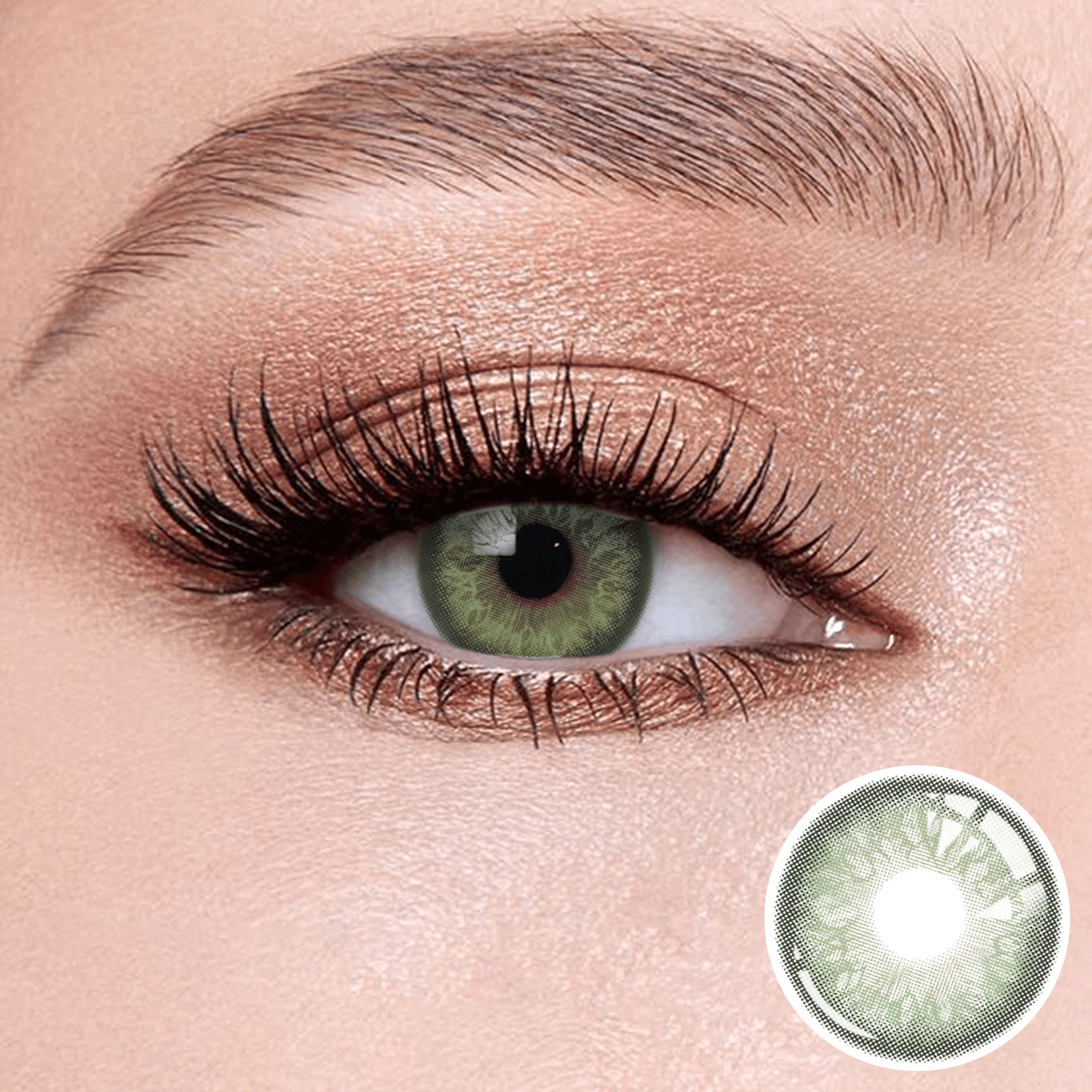
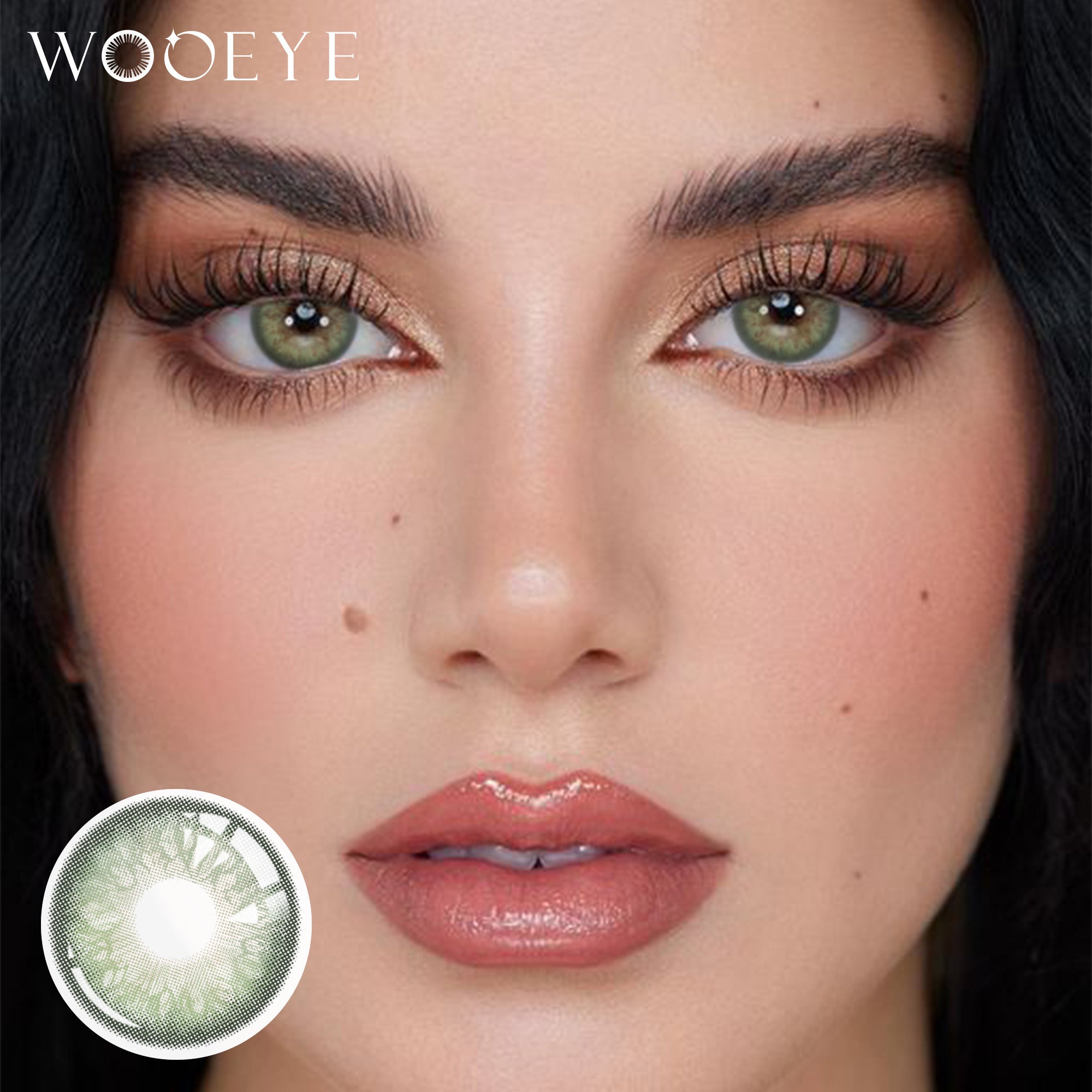
🔵 Design — A blue-green blended lens with a soft, layered color construction that mirrors the exact tonal range of sea green eyes. The 14.2mm diameter sits close to natural eye size, and the feathered edge melts into the iris without a harsh boundary — no obvious "lens ring" effect.
👁️ Effect — Rather than covering your natural color, it deepens and saturates it. The oceanic blue-green tone shifts with light just as your natural eyes do, amplifying the chameleon quality sea green eyes are known for. The result reads as your real eye color on an exceptionally vivid day.
👉 Best For — Everyday wear, outdoor activities, and natural-light photography where you want your eyes to look luminously alive. Ideal if you love your sea green eyes and want to turn up the volume.

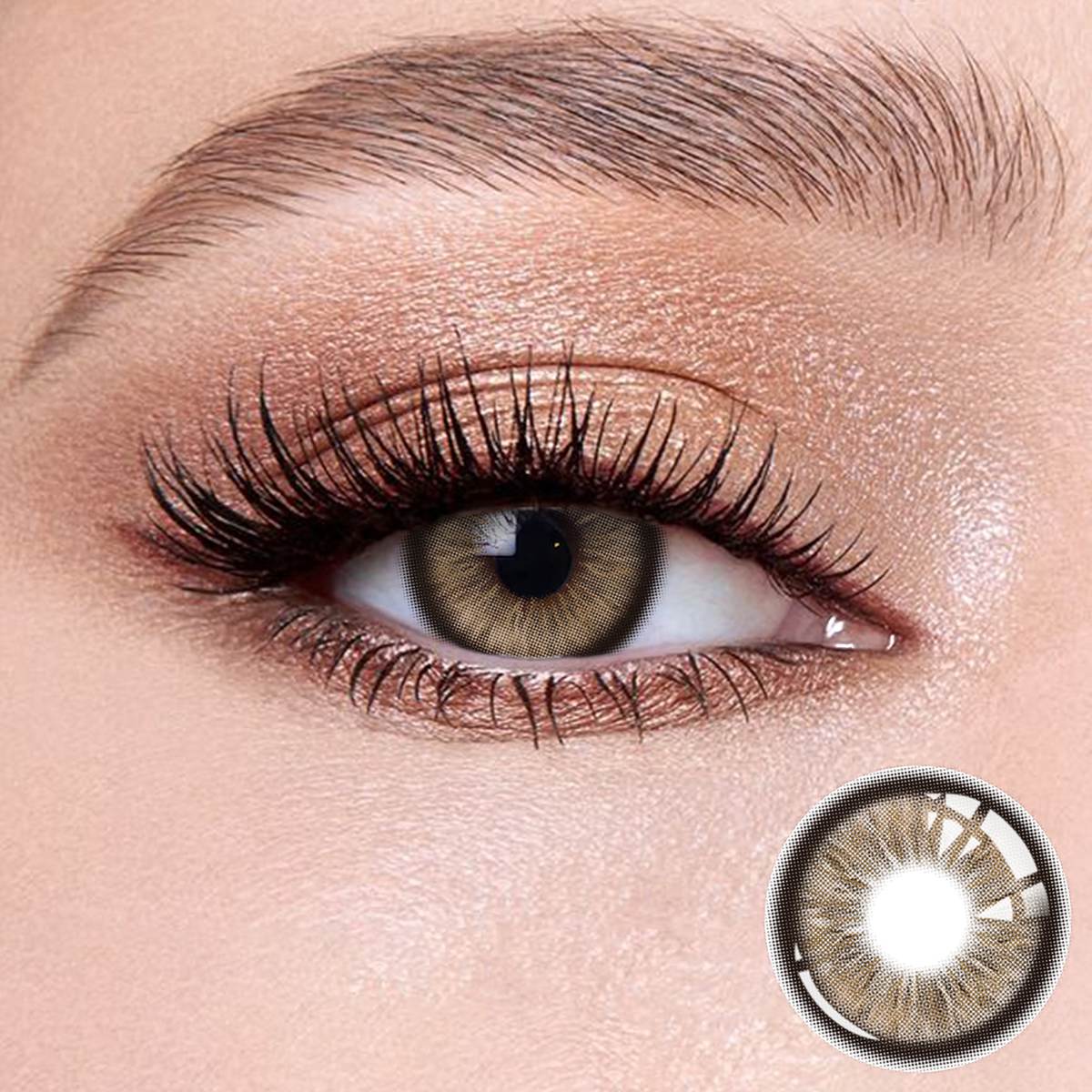
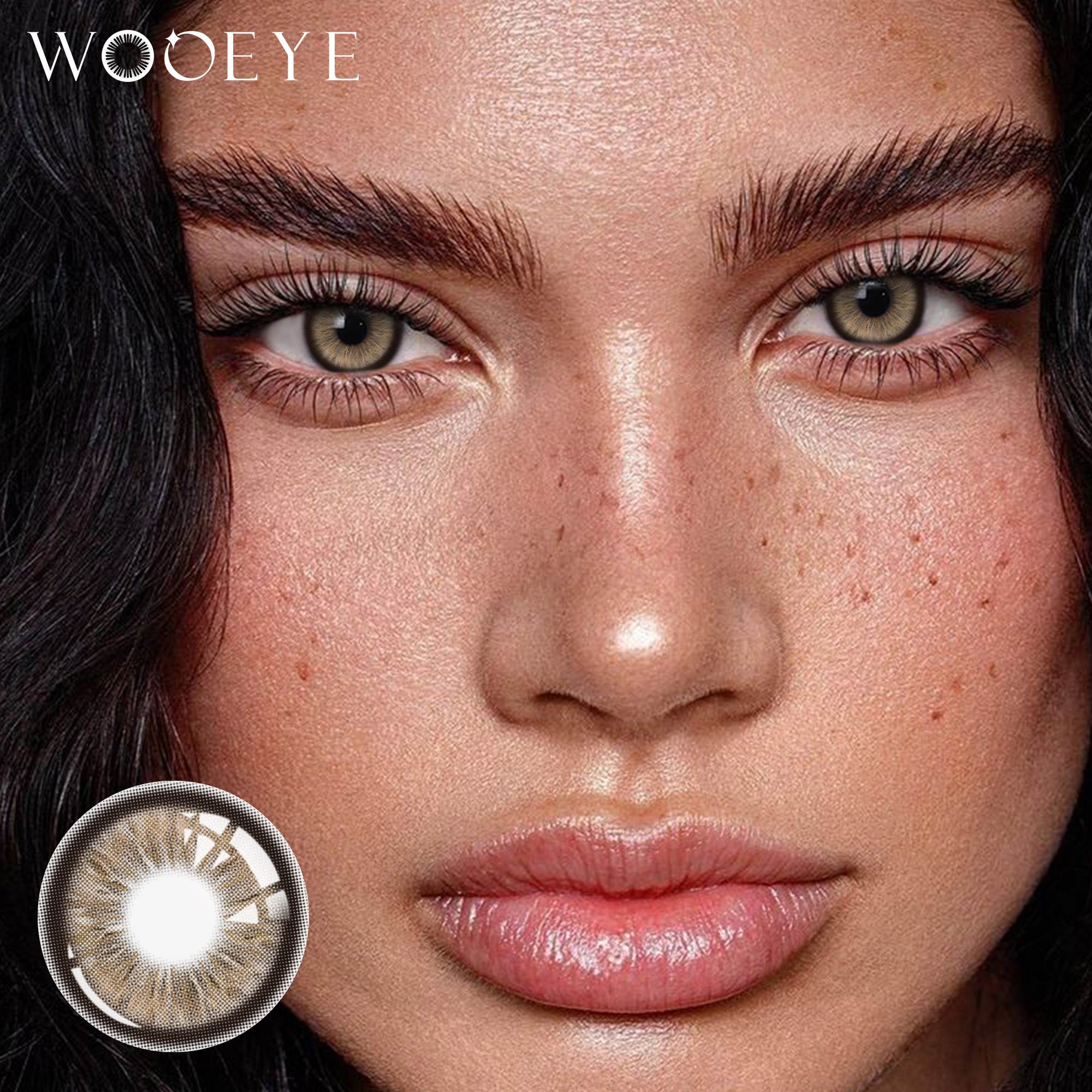
💚 Design — A deep, richly saturated green lens with strong color payoff and a defined limbal ring that dramatically frames the eye. The high-opacity formula is built to deliver full color impact — even over lighter irises — while the sandwich-layer pigment technology keeps the color vivid without any direct corneal contact.
👁️ Effect — Transforms sea green eyes into an intense, forest-deep gaze with a mysterious quality that holds attention in any light. The deep green adds unexpected intensity and depth, turning your naturally shifting oceanic eyes into something bold, still, and unforgettable.
👉 Best For — Evening events, portrait shoots, date nights, or any occasion where you want your eyes to carry the whole look. The go-to choice when you want to step away from your natural color entirely and into something commanding.
Frequently Asked Questions
1. How rare are sea green eyes?
They are exceptionally rare. While green eyes make up only 2% of the global population, sea green is a specific turquoise subtype. It is most prevalent in individuals of Celtic, Germanic, and Slavic descent.
2. Can you have sea green eyes?
Yes. It is a "genetic lottery" involving up to 16 genes... If you want to skip the genetic lottery, you can follow our expert guide on how to get sea green eyes with contacts to find the perfect style for your natural eye tone.
3. What causes sea green eyes?
It is not a "green" pigment, but a mix of two factors:
-
Pigmentation: A combination of low melanin and moderate lipochrome (yellow pigment).
-
Rayleigh Scattering: The same physical phenomenon that makes the sky blue.
When scattered blue light passes through the yellow lipochrome layer, it creates green. Sea green occurs when the blue scattering is dominant, resulting in an oceanic or teal appearance.
4. Do they change color?
Yes, they are known as "chameleon eyes." Because the color is structural (based on light scattering), it is highly reactive to the environment:
-
Lighting: They appear vibrant/minty in sunlight but shift to gray or forest green in dim, yellow light.
-
Pupil Dilation: When the pupil dilates, the iris tissue compresses, often making the color appear darker or more intense.
-
Contrast: Wearing purple, coral, or deep blue can "pull" the green tones out, making the eyes pop.