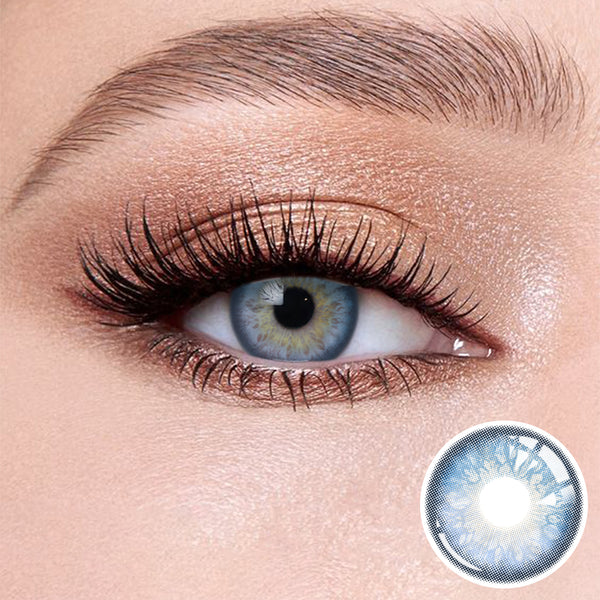
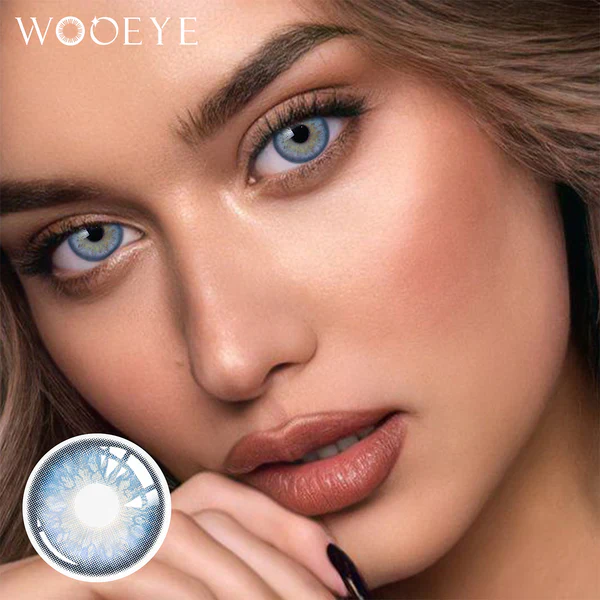
You want to change your eye color for a special event. You also need to see clearly. It is a simple math problem. You have your regular prescription lenses for vision. You buy a pair of non-prescription colored lenses for the look. Putting them both in at the same time is a clever hack.
I see patients ask about this frequently. It usually happens around Halloween or before a big costume party. Layering lenses saves money or hassle. It avoids the need to buy specific prescription colored contacts.
The short answer is no. You should never wear two pairs of contact lenses at once.
This practice is dangerous for your eye health. It can lead to serious complications that threaten your vision. We will explore exactly why this is a bad idea and what you should do instead to get that new look safely.
Understanding Contact Lenses
Contact lenses are medical devices. This is true even if they have no vision correction power. The FDA regulates all contact lenses. This includes the ones you find at costume shops or online beauty retailers.
A contact lens sits directly on your cornea. Your cornea is the clear front surface of your eye. It is extremely sensitive. It needs oxygen to stay healthy. A contact lens is designed to float on a layer of tears. It moves slightly every time you blink.
Prescription lenses correct refractive errors. These include nearsightedness or farsightedness. They are shaped specifically to focus light on your retina.
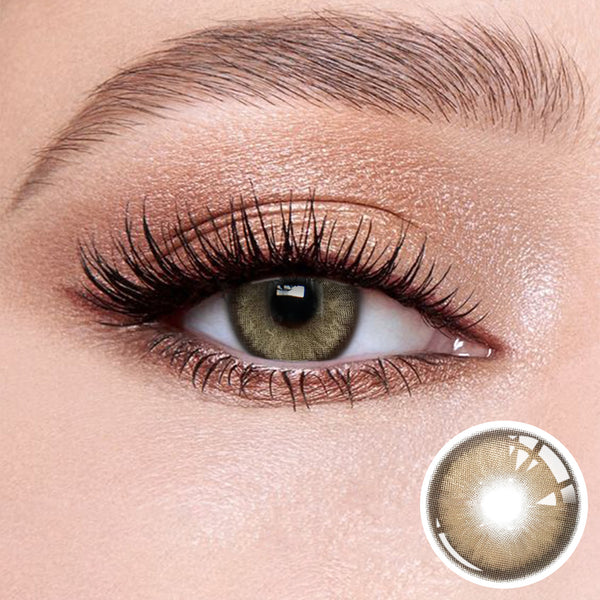
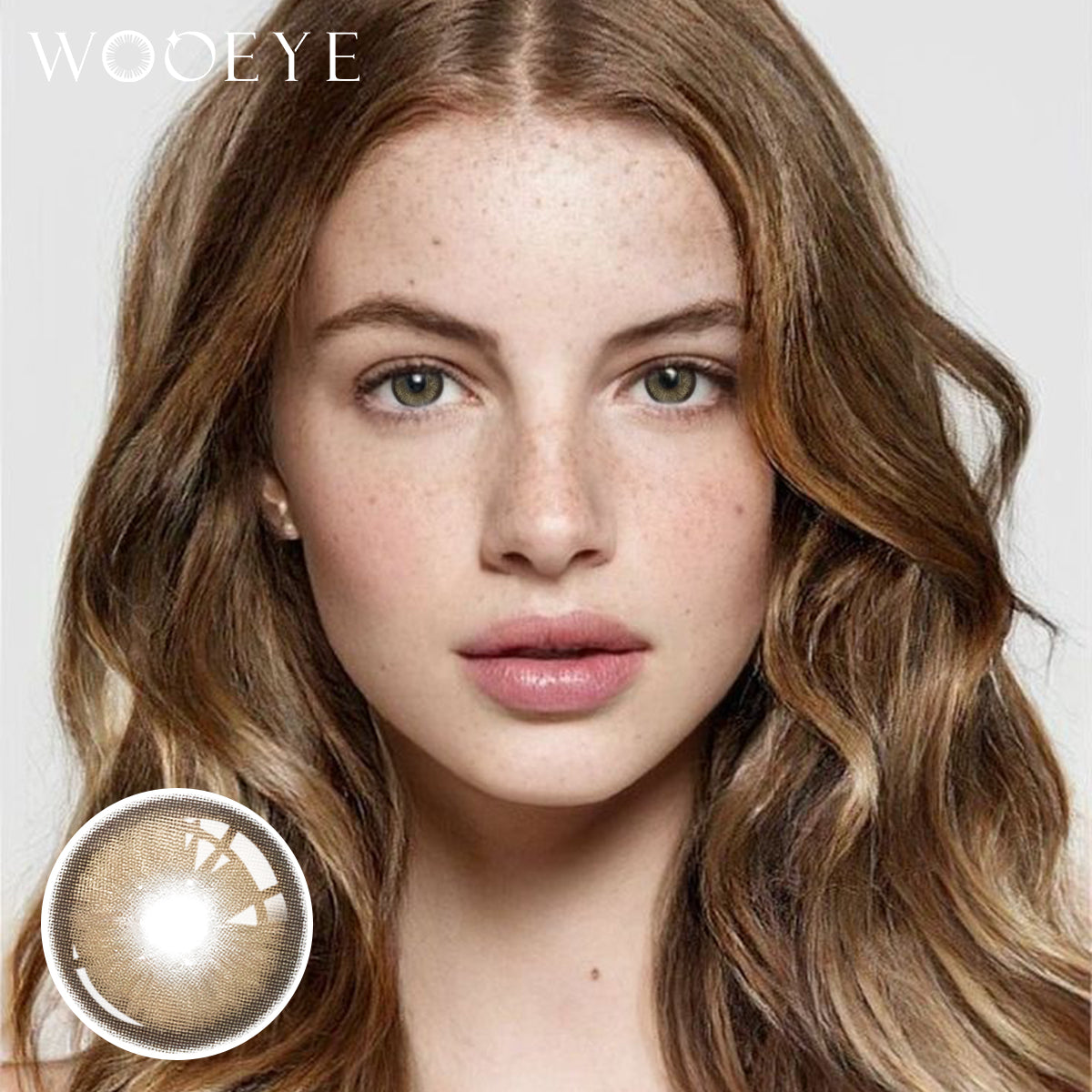
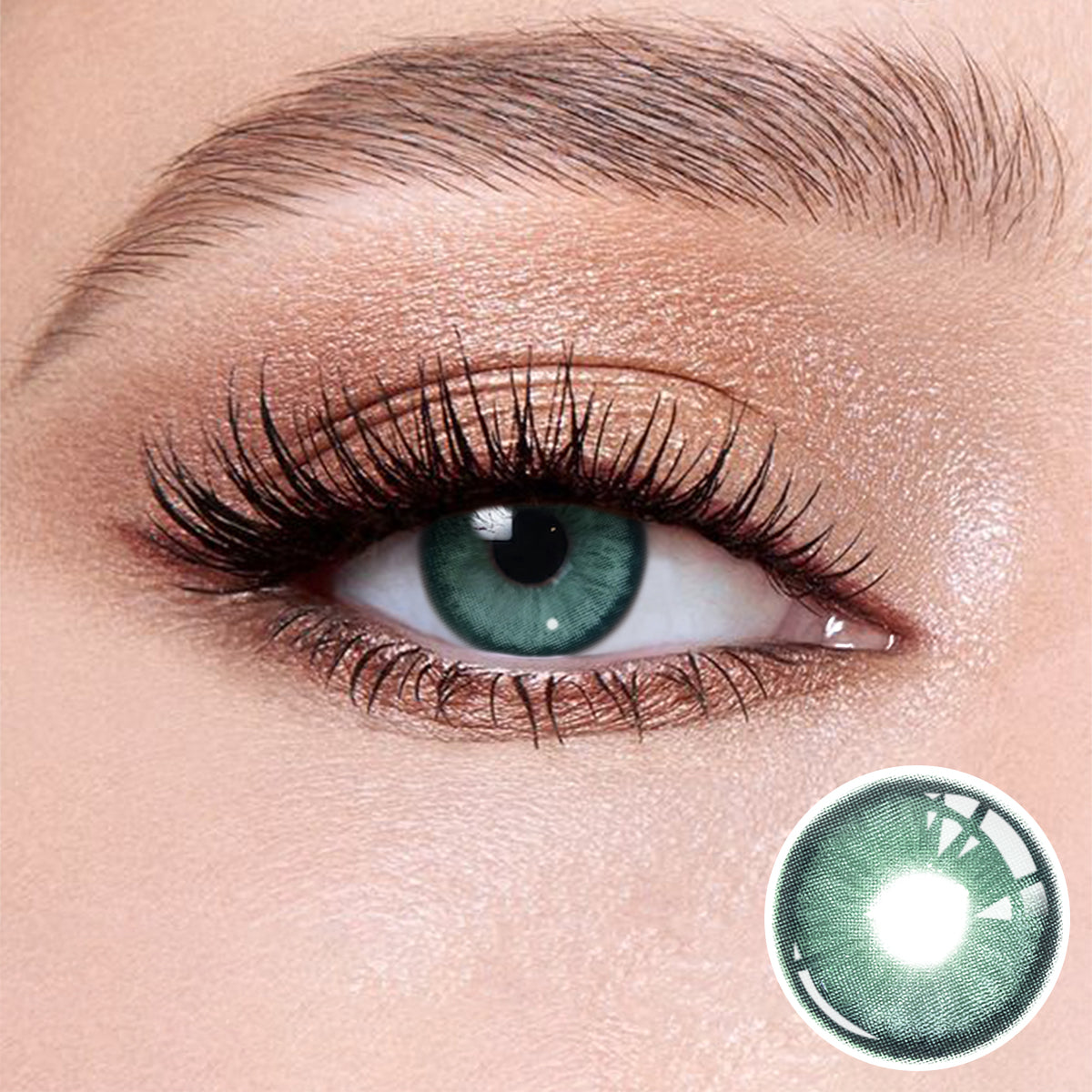
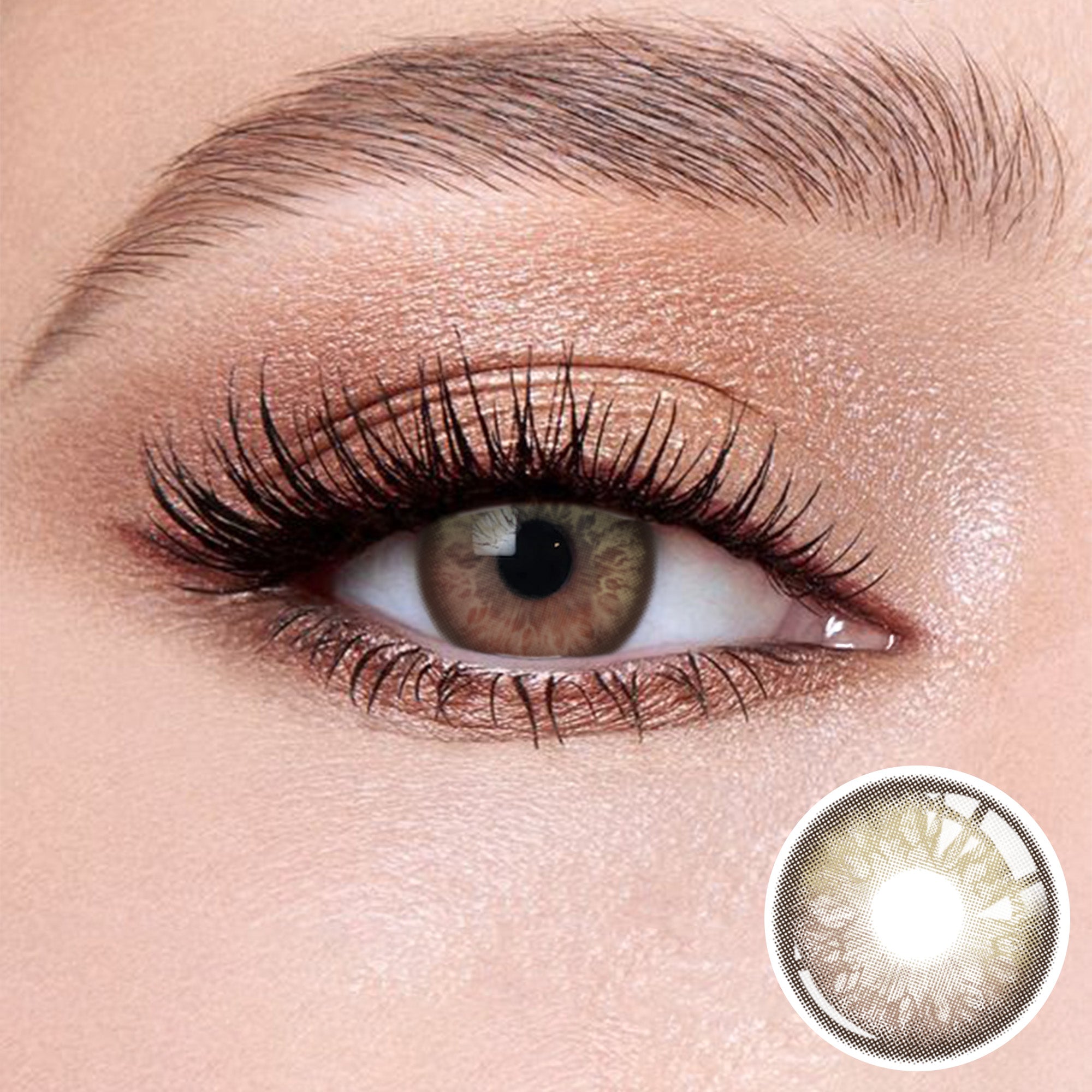
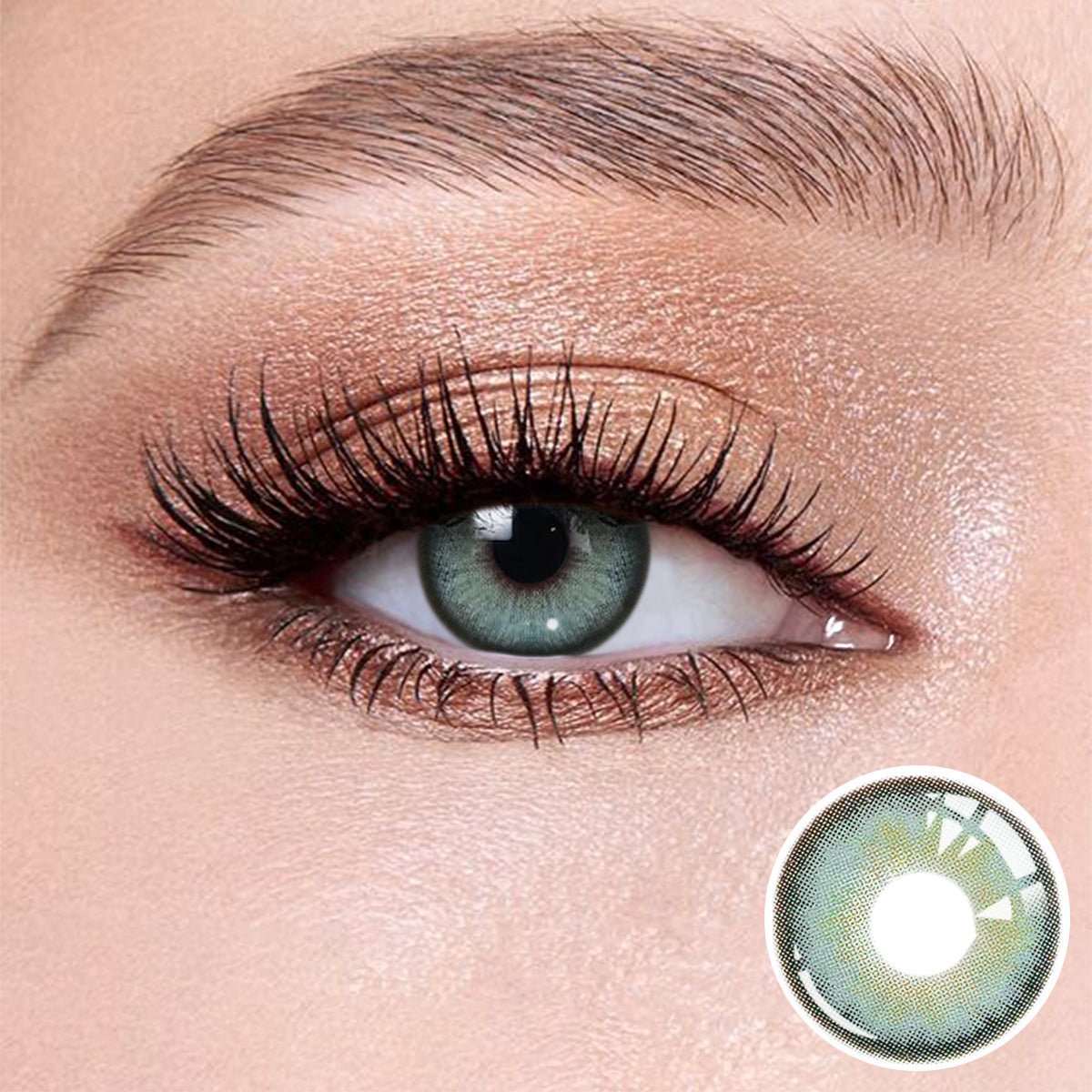
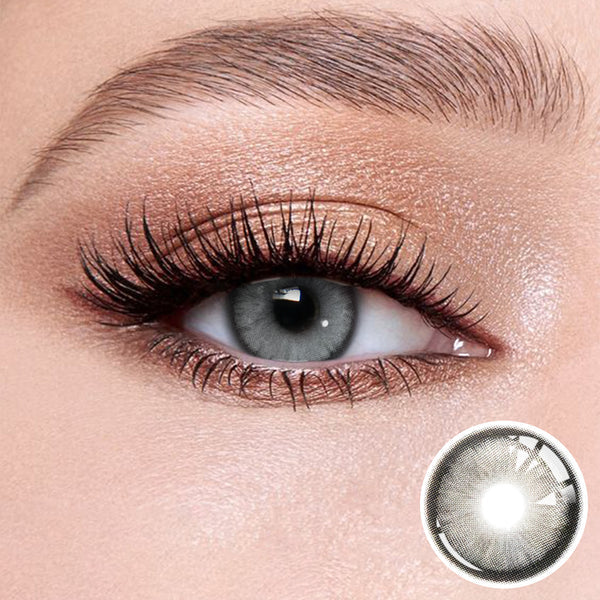
Colored contacts can be prescription or plano. Plano means they have zero power. They are purely for cosmetic changes. They work by placing a tinted pattern over your iris.
Both types of lenses require a proper fit. An eye doctor measures the curve of your cornea. They ensure the lens is not too tight or too loose. A poor fit can cause scratches or infections.
Risks of Layering Lenses
Putting one contact lens on top of another creates significant risks. Your eyes are not built to handle double the thickness of plastic. Several things happen when you stack lenses.
Oxygen Deprivation
Your cornea does not have blood vessels. It gets oxygen directly from the air. Contact lenses reduce the amount of oxygen that reaches your eye. This is called oxygen transmissibility.
Modern lenses are made of breathable materials. They allow enough oxygen to pass through a single lens.
When you wear two lenses, you block that airflow. The bottom lens seals off the cornea. The top lens seals off the bottom lens. Your eye essentially suffocates. Understanding key contact lens parameters like oxygen permeability and water content helps explain why even a single lens requires careful selection — let alone two stacked together.
This condition is called hypoxia. It causes the cornea to swell. It can lead to hazy vision and significant pain. Over time, new blood vessels may grow into the cornea in an attempt to reach oxygen. This can permanently damage your sight.
Fitting Issues and Friction
A contact lens is engineered to fit the curve of a human eye. It is not engineered to fit the curve of another contact lens.
The top lens will not sit stably on the bottom lens. It will likely slide around. This movement causes friction. Every time you blink, the lenses rub against each other and against your eyelid.
This constant rubbing can cause corneal abrasions. These are surface scratches on the eye. A corneal scratch is very painful. It also opens the door for bacteria.
Infection Risks
Bacteria love warm and dark places. Trapping bacteria between two lenses creates a perfect breeding ground.
The tear film usually flushes out debris and bacteria. Two lenses disrupt this natural cleaning process. Stagnant tears get trapped between the layers.
This significantly increases your risk of keratitis. Keratitis is a painful inflammation of the cornea. In severe cases, it can turn into a corneal ulcer.
A corneal ulcer is an open sore on the eye. It is a medical emergency. It can cause scarring and permanent vision loss. The American Academy of Ophthalmology specifically warns against stacking lenses for this reason.
The One Size Fits All Myth
Many people buy colored contacts online without a prescription. The packaging often claims one size fits all.
This is false. Eyes come in many different shapes and sizes. A lens that is too flat will slide out. A lens that is too steep will stick like a suction cup.
A lens that fits like a suction cup is dangerous. It tightens around the cornea. It cuts off the exchange of tears and oxygen. You might not feel the damage happening until it is too late.
Layering a generic colored lens over a prescription lens makes the fit even worse. You are adding variables that no doctor can predict or control.
Safe Alternatives
You do not need to risk your vision to change your eye color. There are safe and effective ways to get the look you want.
Prescription Colored Contacts
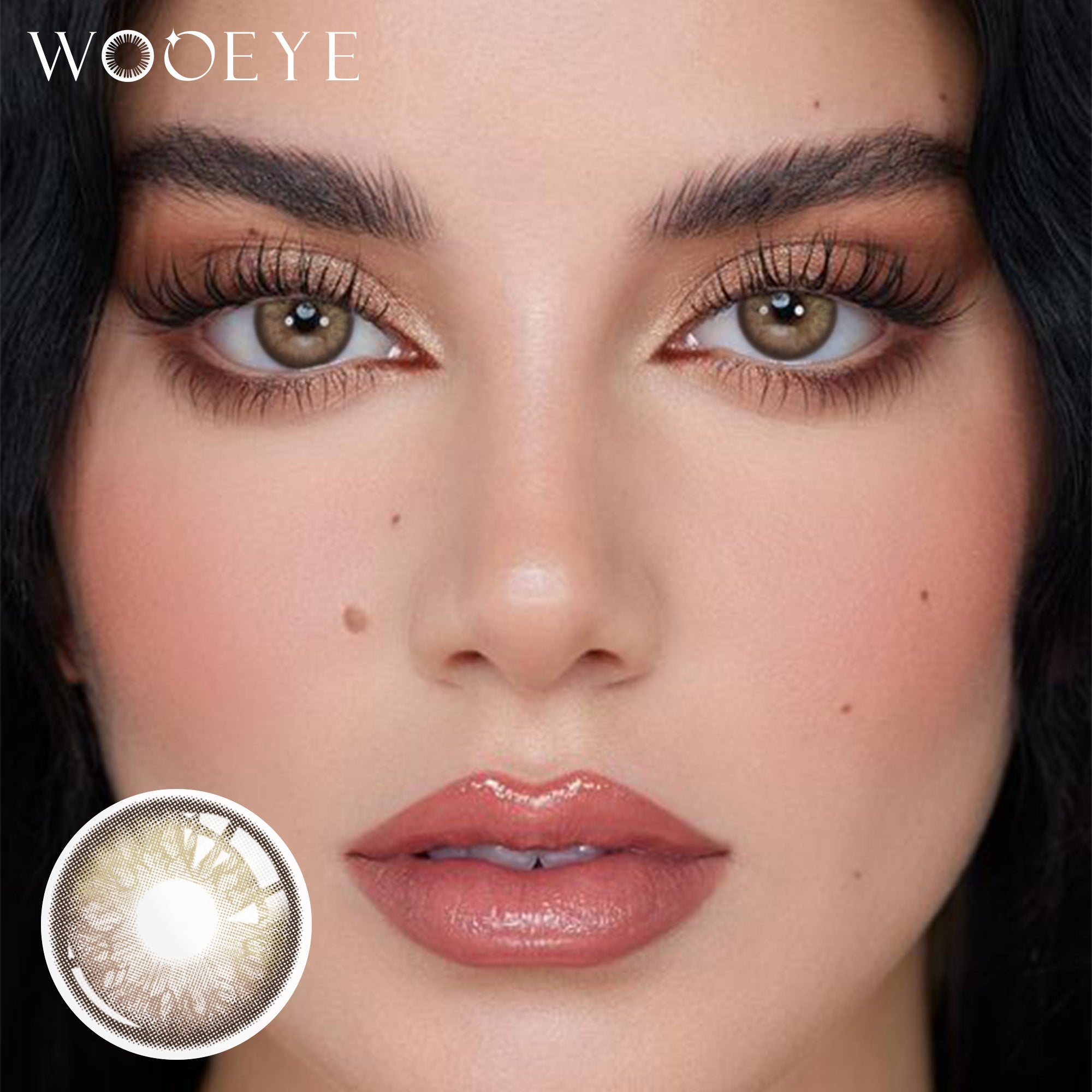
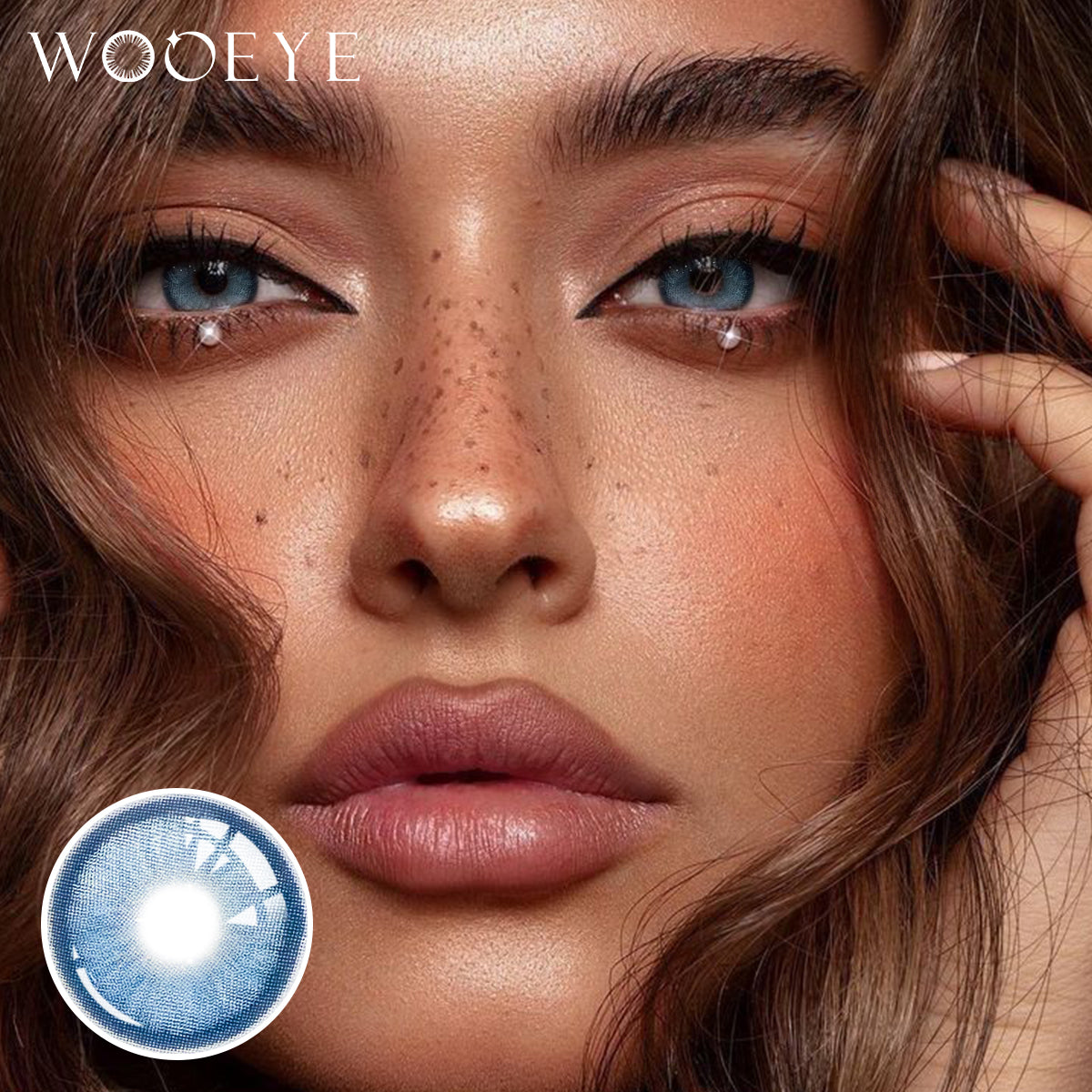
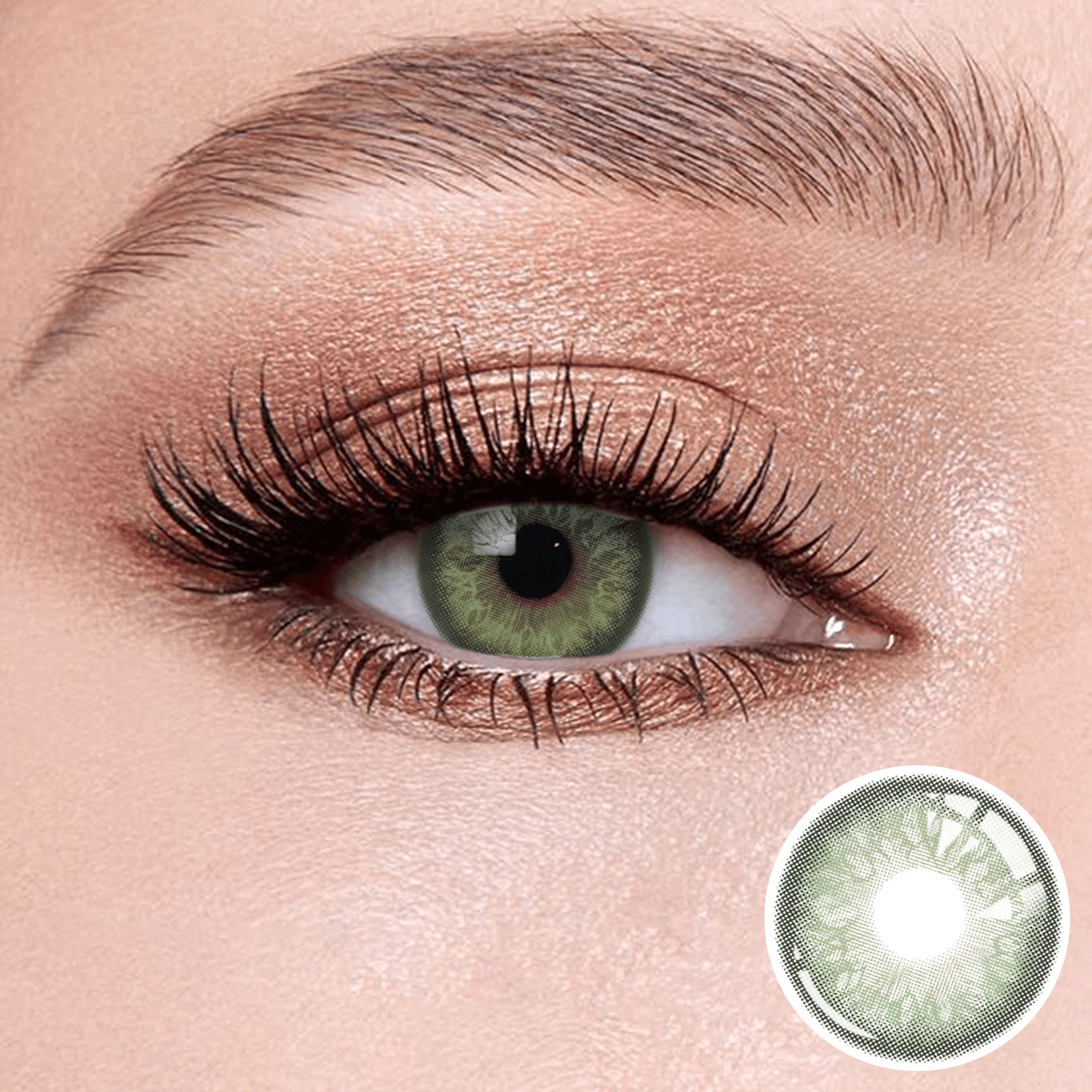
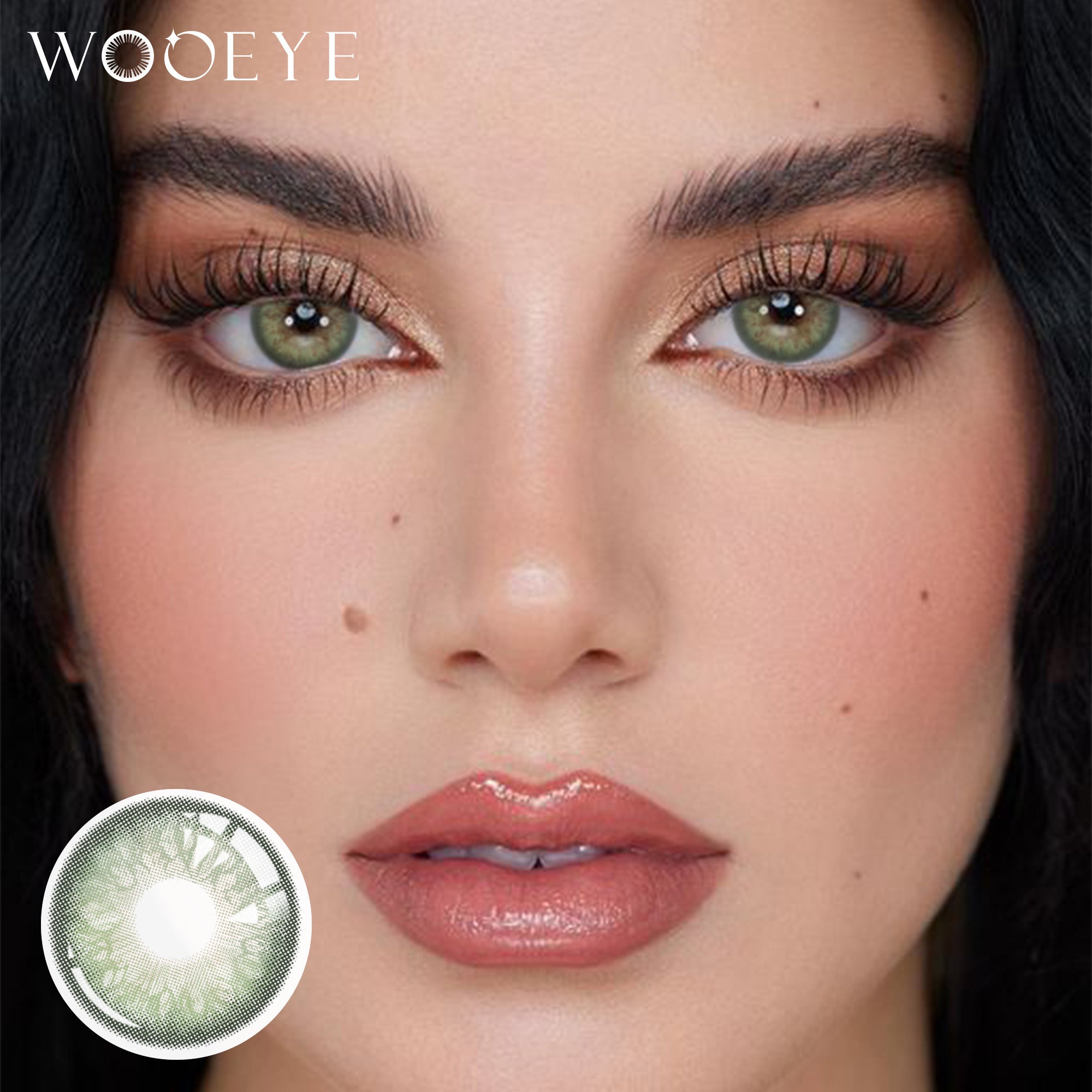
The best solution is a single pair of lenses that does both jobs. Many major contact lens manufacturers offer prescription-colored lenses. If you wear Wooeye, our prescription colored contacts cover prescriptions up to -8.00 — vision correction and color change in one FDA-certified lens.
These lenses correct your nearsightedness or farsightedness. They also tint your iris. You get a clear vision and a new color in one safe package.
They are made from the same high-quality materials as regular contacts. They are designed to be breathable and comfortable. You use them just like your normal lenses.
Prescription Glasses with Colored Contacts
Another option is to wear plano colored contacts with glasses. You put in the non-prescription colored lenses. Then you wear your prescription eyeglasses over them.
This allows you to safely change your eye color. You are only wearing one pair of contact lenses in your eyes. Your glasses handle the vision correction.
This is a good option if you only want the color change for a few hours. It lets you take the glasses off for photos and put them back on to see.
Expert Consultation
You must see an eye doctor before trying colored contacts. This is true even if you have perfect vision. It is true even if you already wear regular contacts.
Your doctor needs to fit you for the specific brand of colored lenses. Different brands fit differently. The material might be stiffer or thicker than what you are used to.
Your doctor will check your eye health. They will measure your corneal curvature. They will give you a valid prescription for the colored lenses.
In the United States, it is illegal to sell contact lenses without a prescription. Vendors who sell them without checking with your doctor are breaking the law. They may be selling counterfeit or unsafe products.
Only buy from reputable sources. Your vision is too valuable to trust to a gas station or a costume shop.
Summary
We all want to look our best. Changing your eye color can be fun and exciting. But your eyesight is irreplaceable.
Never wear two pairs of contact lenses at the same time. The risk of hypoxia and infection is too high. The damage to your cornea can be permanent.
Visit your optometrist instead. Ask for a prescription for colored lenses. You can get the style you want without compromising your safety.
Stick to one lens per eye. Keep your eyes bright, healthy, and seeing clearly for years to come.
Ready to find a pair that corrects your vision and transforms your look at the same time? Browse Wooeye's full range of FDA-approved colored contact lenses — prescription and plano options available across every color and style.