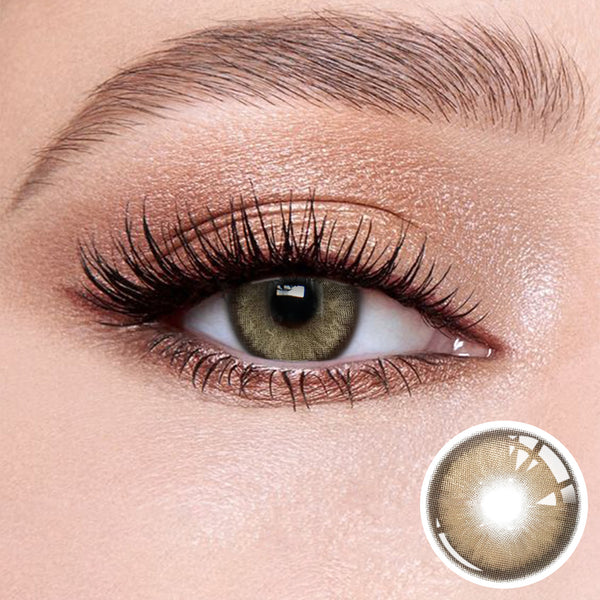
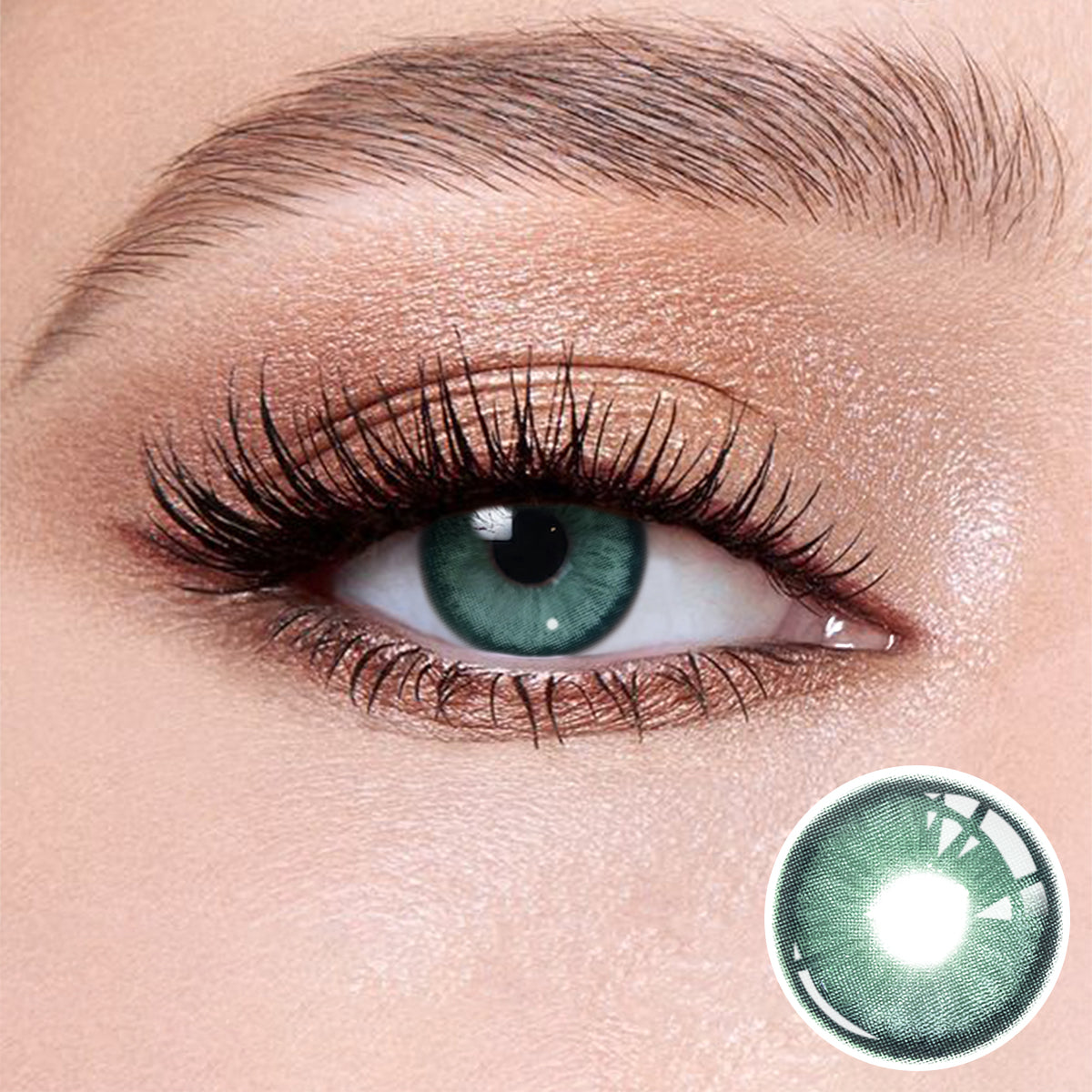
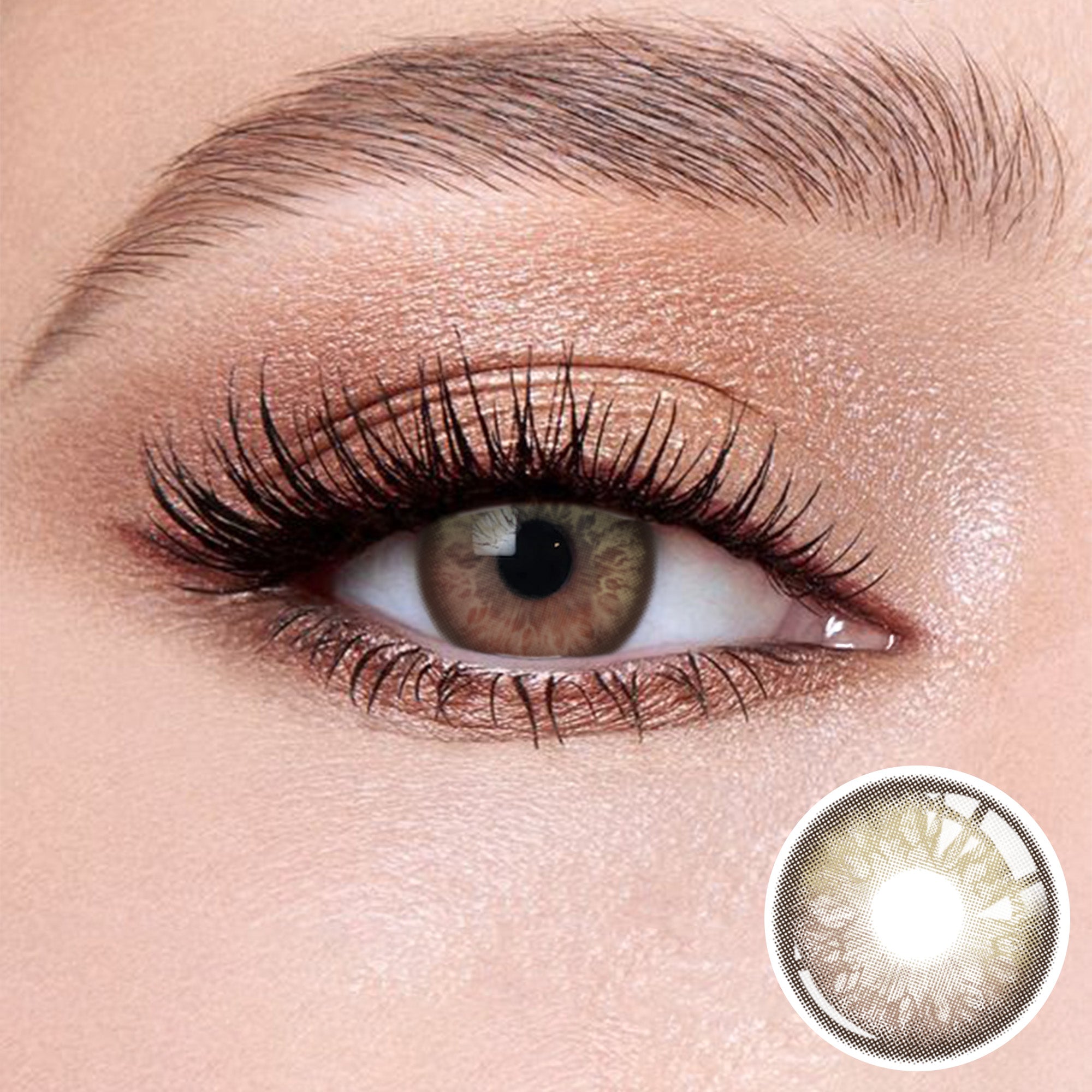
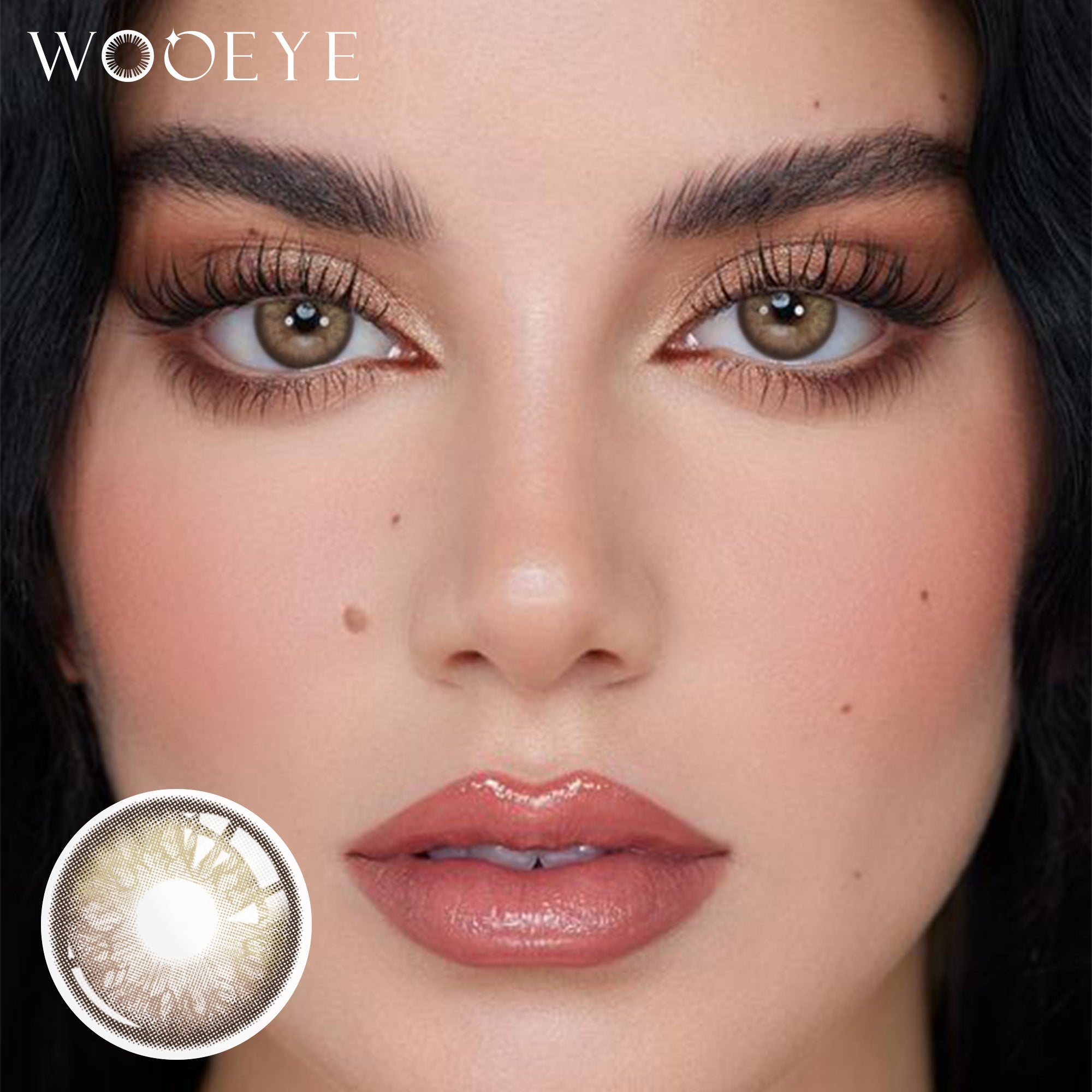
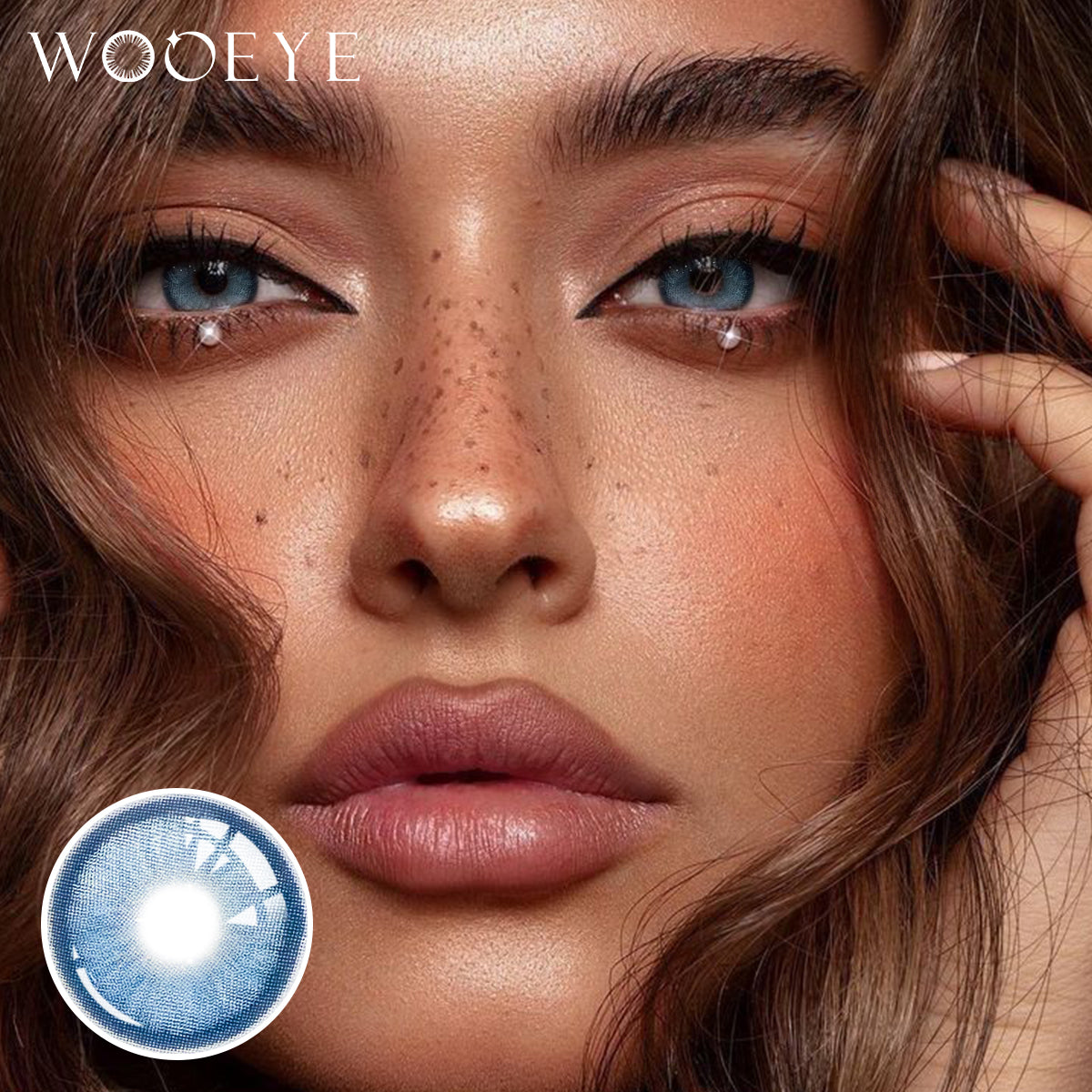
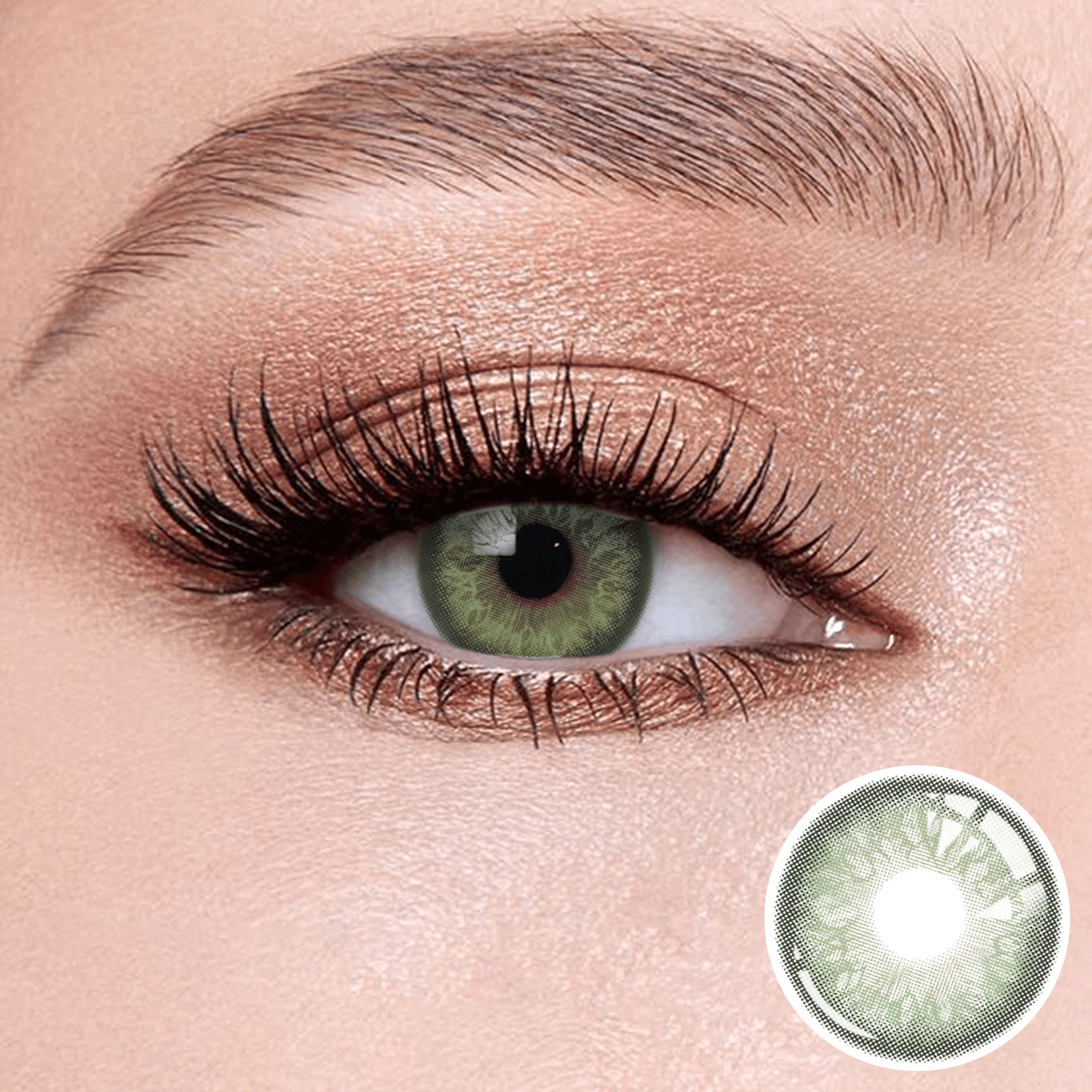
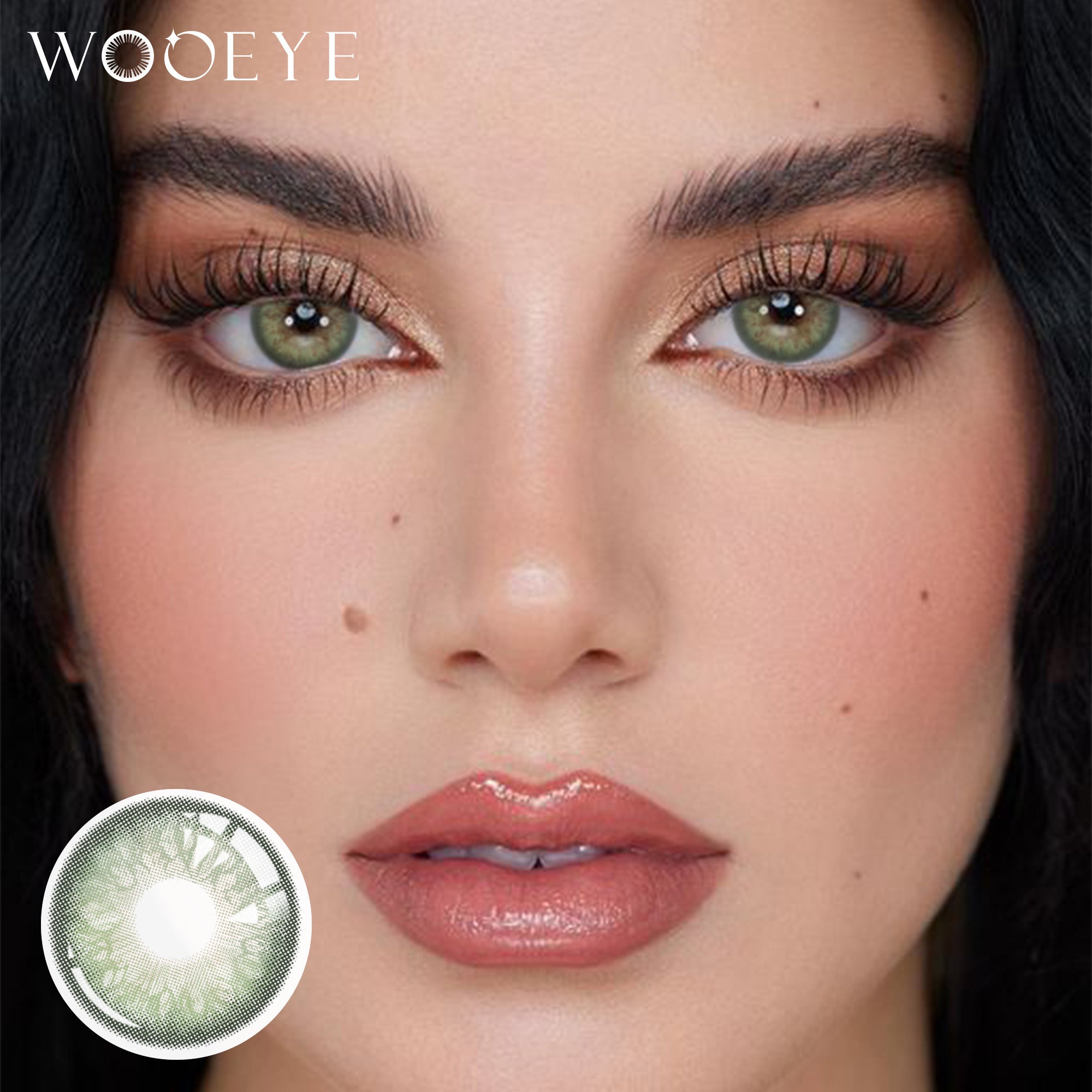
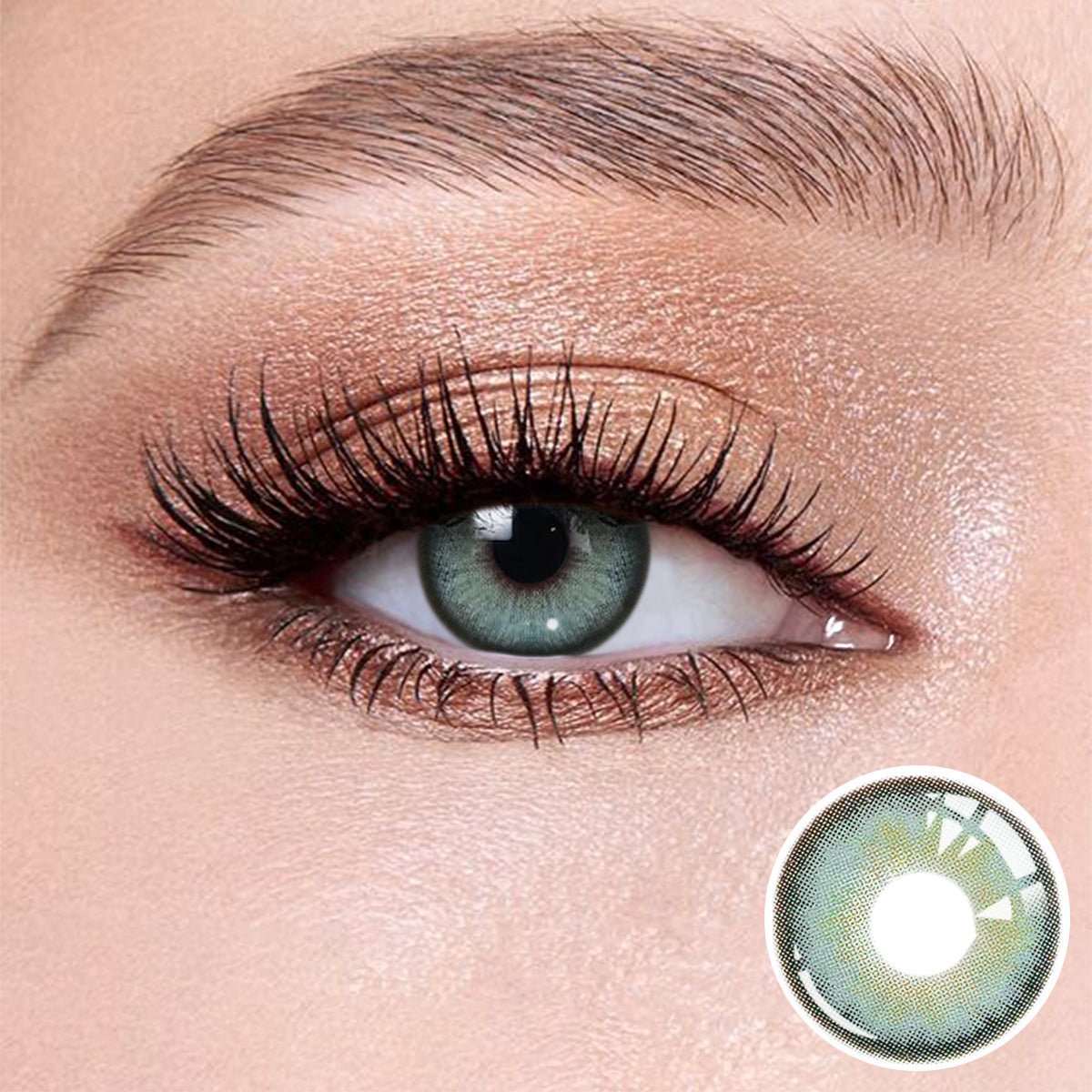
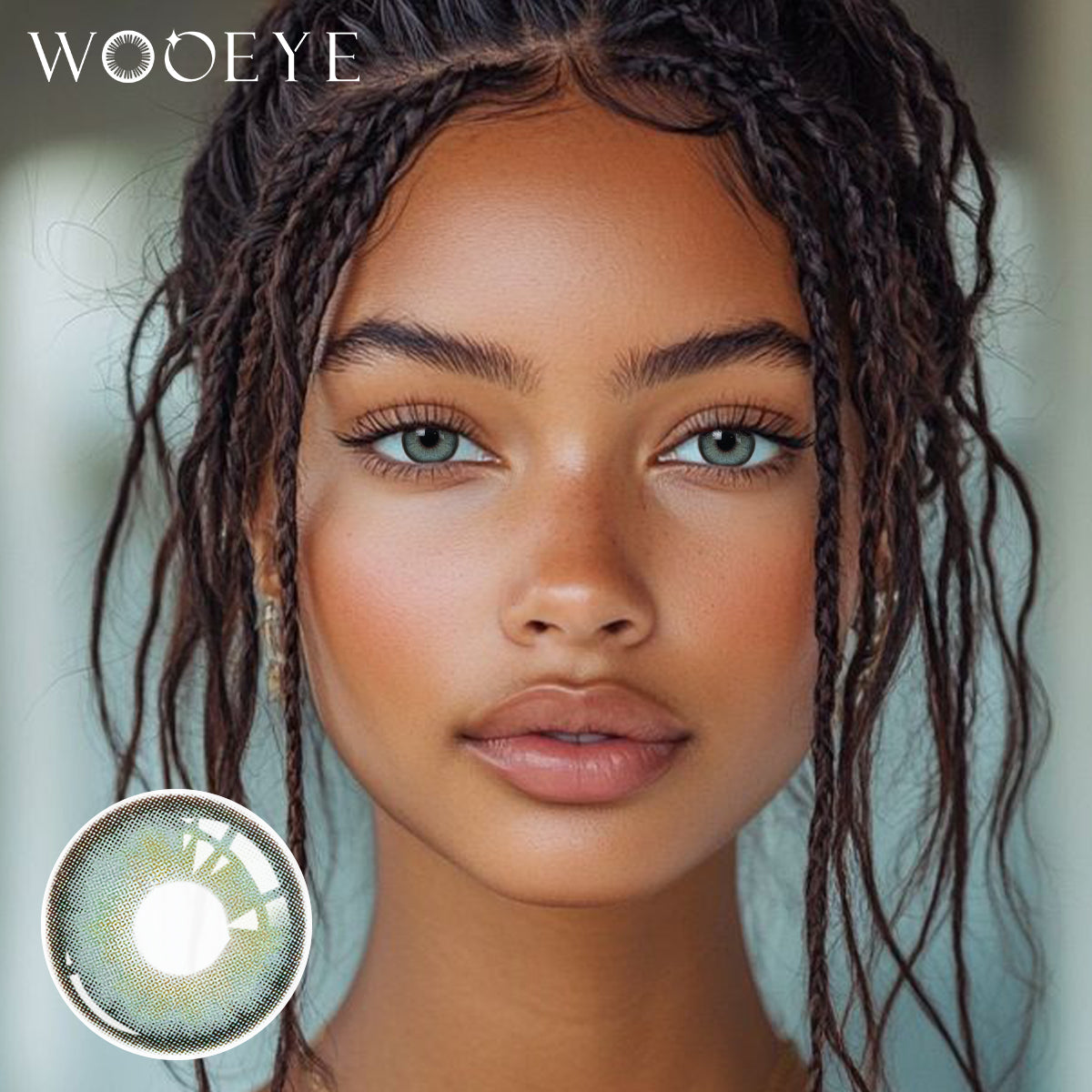
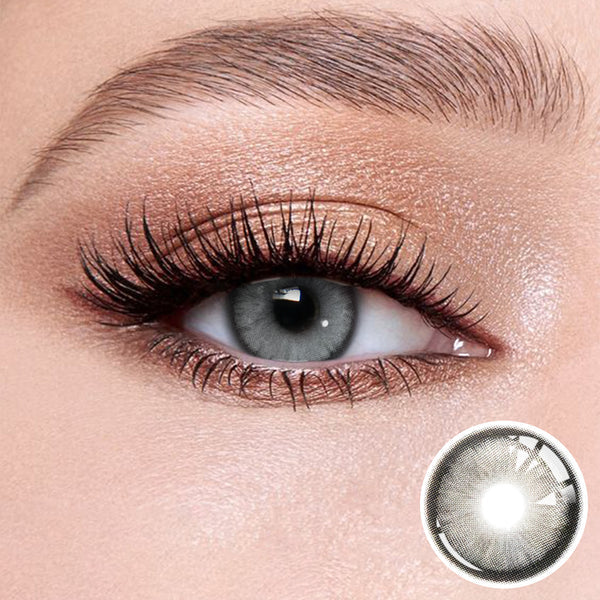
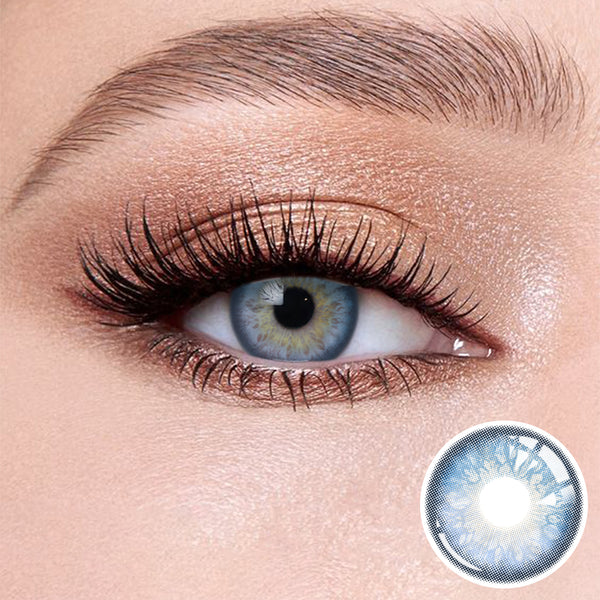
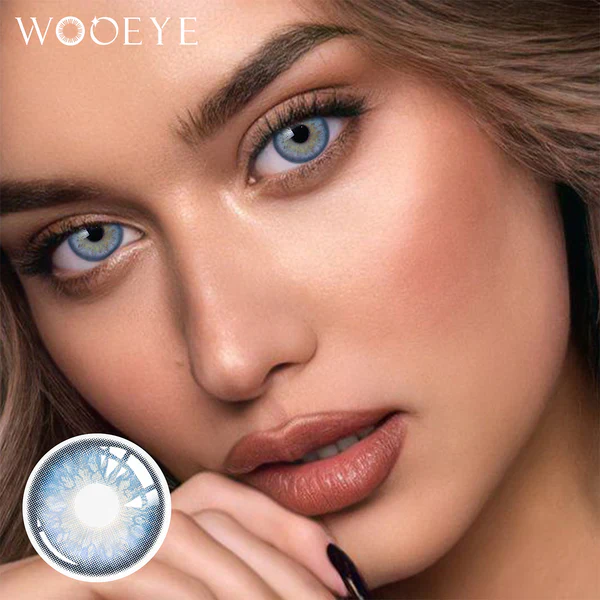
You've probably caught yourself wondering what you'd look like with green eyes, or a striking shade of gray. It's a surprisingly common thought. Eye color is one of the first things people notice, and the idea of changing yours feels exciting.
The good news? You can change your eye color, and contact lenses make it possible. No surgery, no risk, just a fresh look you can switch up whenever you want.
This guide covers everything you need to know about colored contact lenses. You'll learn how they work, what types are available, how to stay safe, and how to pick a shade that suits you.
Can Contact Lenses Really Change Your Eye Color?
Yes, colored contact lenses can change the appearance of your eye color. They sit directly on the surface of your eye and use special tints to alter how your iris looks to others.
The change can be subtle or dramatic, depending on the type of lens you choose. Some lenses enhance your natural color, while others replace it entirely.
Millions of people around the world wear colored contacts for cosmetic purposes. Many also wear them to correct their vision at the same time.
How Colored Contact Lenses Actually Work
Your Natural Eye Color and the Role of Melanin
Your eye color comes from melanin, a pigment found in the iris. People with dark eyes have more melanin, while those with lighter eyes have less.
The iris is a ring of muscle that controls how much light enters your eye. It's also what gives your eye its color. Colored lenses are designed to sit over this area and change how it appears.
How the Tints Interact with Your Eye
Colored lenses use printed tints to create the illusion of a different eye color. The tint covers most of the visible iris but leaves a clear opening in the center for your pupil.
Many lenses also include a dark outer ring called a limbal ring. This mimics the natural border of the iris and makes the color look more realistic.
The Three Main Types of Colored Contacts
|
Lens Type |
Best For |
Effect |
|---|---|---|
|
Visibility Tint |
Handling only |
No color change |
|
Enhancement Tint |
Light eyes |
Intensifies natural color |
|
Opaque Tint |
All eye colors |
Full color transformation |
Visibility tints are a very faint blue or green tint used only so you can find the lens if you drop it. They won't change your eye color at all.
Enhancement tints are translucent and work best on light-colored eyes. They deepen and intensify your natural shade rather than replacing it.
Opaque tints are the most popular choice for a dramatic change. They fully cover your natural iris color, which means they work on both light and dark eyes.
Prescription Colored Contacts: Style Meets Function
You don't need to choose between great vision and a new eye color. Prescription colored contacts give you both.
These lenses correct common refractive errors like nearsightedness, farsightedness, and astigmatism. Toric colored lenses are specifically designed for people with astigmatism and provide clear, stable vision alongside cosmetic benefits.
There are also multifocal colored lenses for people who need help seeing at multiple distances. If you're over 40 and dealing with presbyopia, these are worth asking your eye doctor about.
You Need a Prescription, Even for Cosmetic Lenses
This is one of the most important things to understand about colored contacts. Contact lenses are medical devices. In the United States, you need a valid prescription to purchase them legally, even if you have perfect vision and only want them for cosmetic reasons.
Your eye doctor will measure your eyes to determine the right fit. Key measurements include the base curve (the curvature of the lens), the diameter, and your pupillary distance.
Skipping this step and buying lenses without a prescription puts your eyes at serious risk. Poorly fitted lenses can scratch your cornea, reduce oxygen flow to your eye, and lead to painful infections.
Always get a proper contact lens exam before you buy.
Choosing a Color That Suits You
Picking the right shade is part science, part personal preference. A few factors can help guide your choice.
Your Natural Eye Color Matters
If you have dark brown eyes and want to go lighter, you'll need an opaque lens to see a noticeable difference. If you have blue or green eyes, an enhancement tint might be all you need to make your natural color pop.
Think About Your Skin Tone and Hair Color
Colors that complement your complexion tend to look the most natural. Cool-toned shades like gray and blue often work well with fair skin, while warm shades like hazel and honey can suit deeper skin tones beautifully.
Lighting Changes Everything
Keep in mind that colored lenses can look different in various lighting conditions. A shade that appears natural in sunlight might look more intense indoors under artificial light.
Staying Safe: Eye Health Comes First
Colored contacts are safe when you use them correctly. The keyword is correct.
The Dangers of Non-Prescription Lenses
Buying lenses from unlicensed sellers, gas stations, or online marketplaces without a prescription is dangerous. These products often don't meet safety standards and can cause serious, permanent eye damage.
The FDA has issued repeated warnings about decorative lenses sold without prescriptions. Stick to licensed retailers and always buy with a valid prescription.
Hygiene Is Non-Negotiable
Always wash your hands before handling your lenses. Use the contact lens solution recommended by your eye doctor to clean and store them. Never use tap water or saliva.
Replace your lens case every one to three months to reduce the risk of contamination.
Wear Schedules and Materials
Lenses come in different wear schedules: daily disposables, bi-weekly, and monthly. Daily lenses are the most hygienic option since you open a fresh pair each day.
Silicone hydrogel lenses allow more oxygen to reach the eye, making them a healthier choice for extended wear. Ask your eye doctor which material and schedule suits your lifestyle.
Common Mistakes to Avoid
Never sleep in your contact lenses unless your eye doctor has specifically approved extended-wear lenses for you. Never share lenses with anyone, even if they're brand new. Always check the expiry date before putting in a lens.
If your eyes feel red, dry, or irritated, take the lenses out immediately. If the irritation persists, contact your eye doctor.
Why Colored Contacts Are the Only Safe Option
Some people search for faster or more permanent ways to change their eye color. It's worth knowing why those methods carry serious risks.
Eye drops marketed to lighten eye color are not FDA-approved and can cause lasting damage to your cornea and iris. Iris implants have led to severe complications, including cataracts, glaucoma, and permanent vision loss.
Corneal tattooing is an unregulated procedure with a high rate of complications. LASIK surgery changes the shape of the cornea to correct vision, but it cannot change eye color at all.
Colored contact lenses are the only safe, reversible, and widely available way to change your eye color. When used properly, they carry minimal risk.
Your Daily Care Routine
Taking care of your lenses takes just a few minutes each day. Here's a simple routine to follow.
Before you put your lenses in, wash and dry your hands thoroughly. Place the lens on the tip of your finger, check that it's the right way around, and insert it gently.
At the end of the day, remove your lenses, rub them gently with fresh solution, and store them in a clean case filled with new solution. Never top up the old solution.
Follow the replacement schedule your eye doctor recommends and never wear lenses past their expiry date.
Frequently Asked Questions About Colored Contact Lenses
Can I wear colored contacts if I don't need vision correction?
Yes. You can get plano colored lenses with no prescription power. You still need a contact lens exam and a valid prescription from an eye care professional. Still, the lenses won't alter your vision in any way.
Do colored contacts affect my vision?
When fitted correctly, colored lenses should not affect your vision. The clear pupil zone allows you to see normally. If you notice any blurring or distortion, remove the lenses and consult your eye doctor.
How long can I wear colored contact lenses each day?
Most eye doctors recommend wearing contact lenses for no more than 10 to 12 hours per day. Always follow your eye doctor's specific guidance and the manufacturer's instructions.
What should I do if my eye feels irritated while wearing colored contacts?
Remove the lens immediately. Rinse your eye with sterile saline solution if needed. If the irritation continues, doesn't improve, or comes with redness or discharge, see your eye doctor as soon as possible.
Make the Change With Confidence
Colored contact lenses are a fun, flexible, and safe way to try a new look. The most important steps are getting a proper eye exam, buying from reputable sources, and following a consistent care routine.
Your eye health always comes first. Once you have that covered, the fun part begins: choosing a color that makes you feel like the best version of yourself.
Book an appointment with your eye care professional today and start exploring what's possible.